
In Philadelphia, a new exhibit shows American independence was not inevitable
The Historical Society of Pennsylvania traces colonists' fractured, decadeslong shift from loyalty to rebellion.
From Philly and the Pa. suburbs to South Jersey and Delaware, what would you like WHYY News to cover? Let us know!
The semiquincentennial celebrations that are ramping up for this summer might have some observers believing that on July 4, 1776, a switch was flipped in Philadelphia that suddenly made the colonists independent.
William Ewald, a law professor at the University of Pennsylvania, said the nature of American independence began to be shaped about 10 years before 1776 and would not be realized until about 10 years after.
“If you don’t remember the Stamp Act and the controversies when everybody was still loyal subjects of the king, and if you don’t remember the Constitution at the other end, you’re actually not understanding correctly July Fourth,” he said.
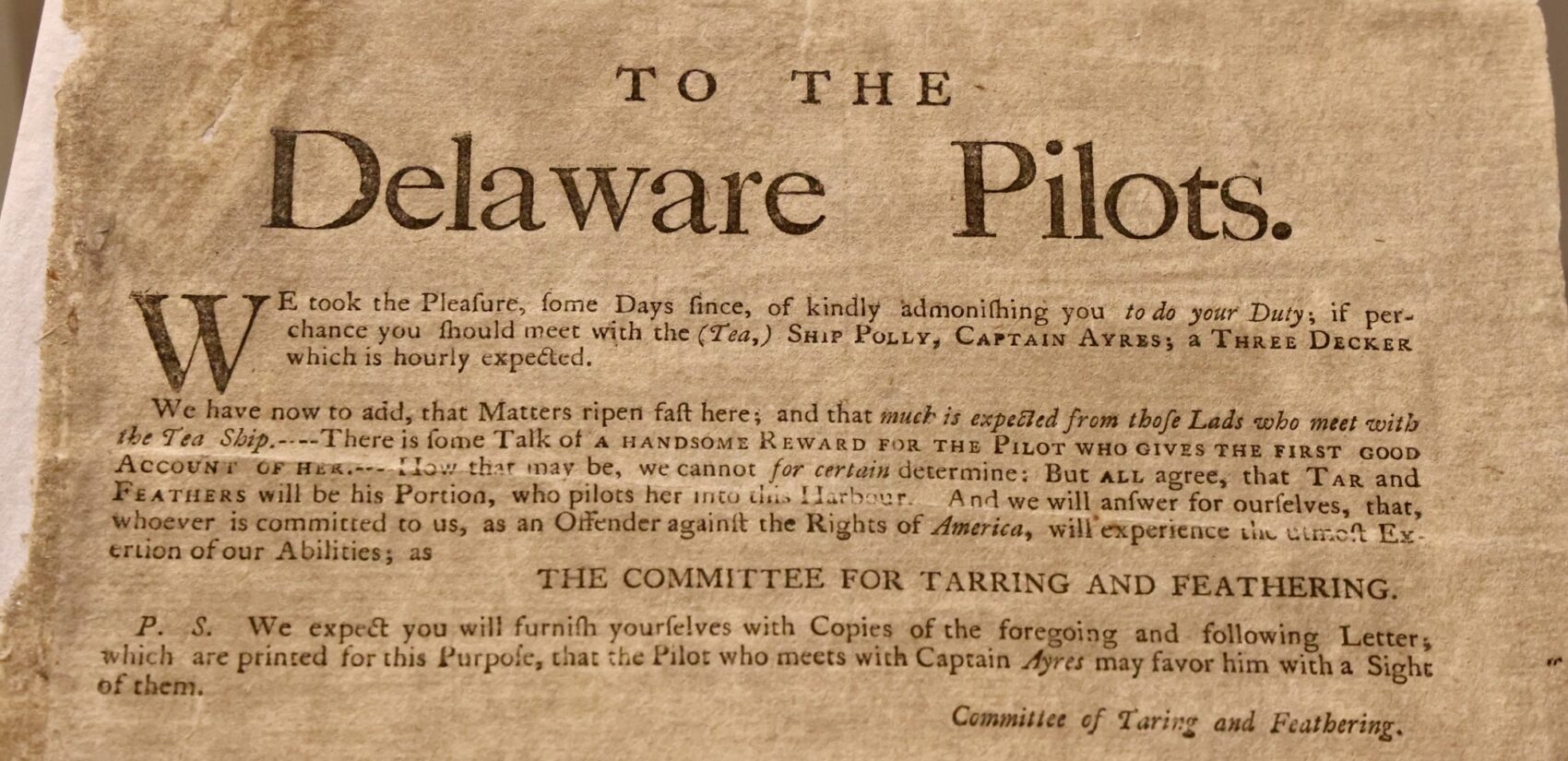
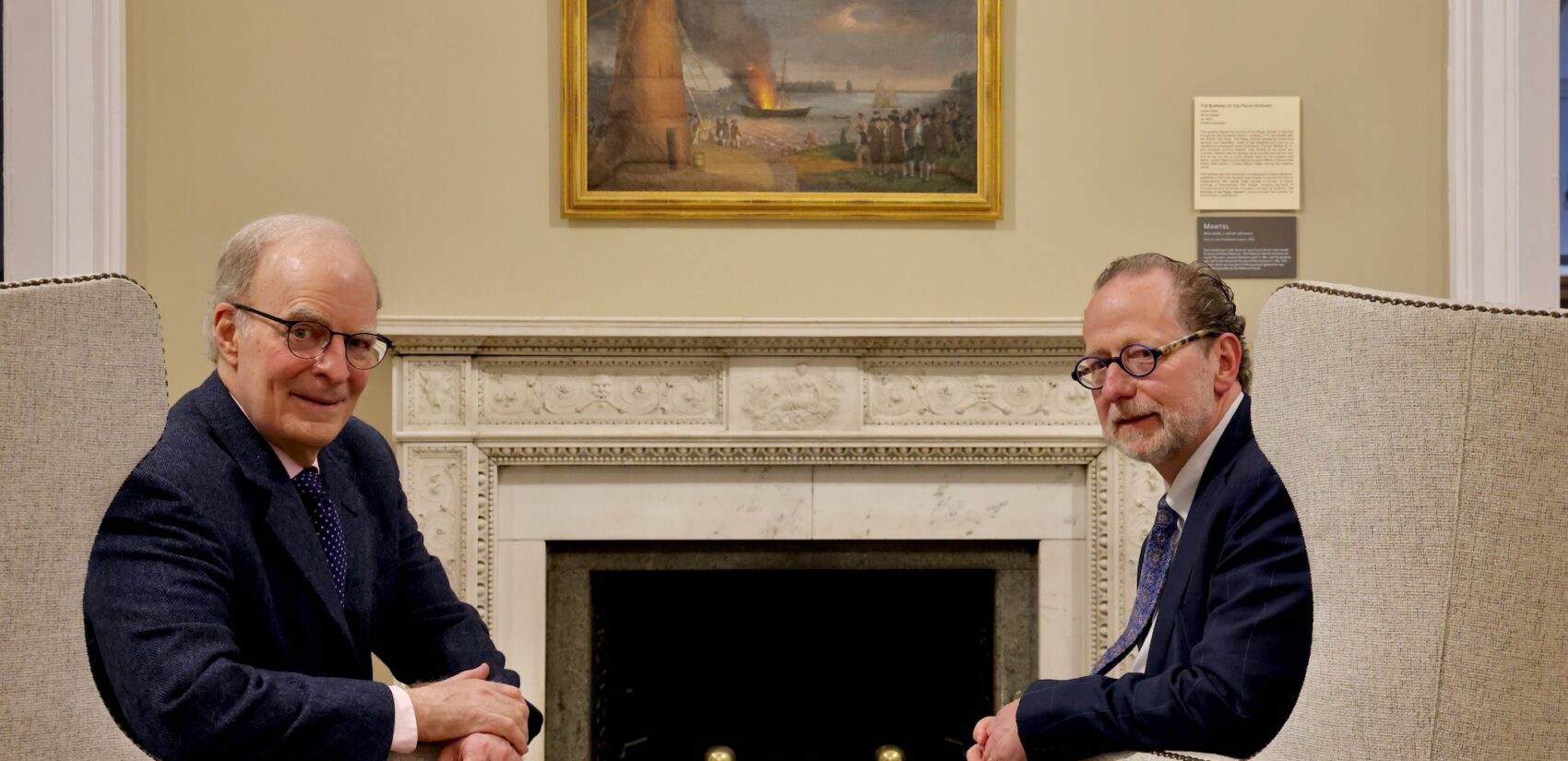
Ewald is co-curator of “Paths to Independence, 1765-1787,” an exhibition at the Historical Society of Pennsylvania that traces the evolution of American colonists from loyal British subjects to radical revolutionaries.
Ewald said the word “paths” in the title was chosen carefully. The journey to independence was hesitant, winding and plural.
“You have got immigrants, you’ve got Quakers, you’ve got loyalists, you’ve got pacifists, you’ve got women, you’ve got Blacks, you’ve got enslaved people, you’ve got freed people. All of those groups reacted very differently to the events of the day,” he said. “You don’t want to reduce the whole thing just to the story of the Declaration of Independence.”
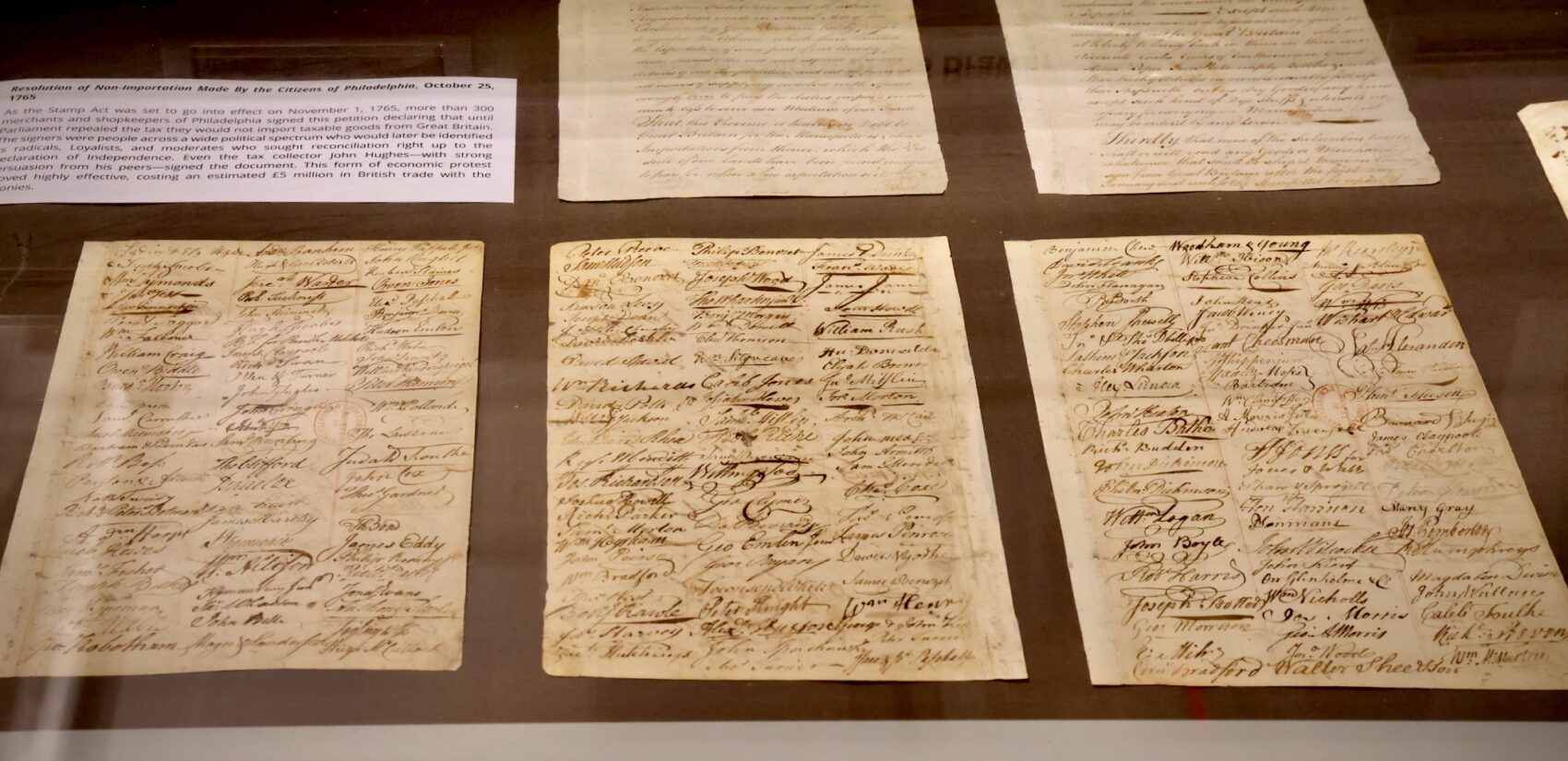
The chronological exhibition starts with the Stamp Act of 1765 when the British Parliament required that all legal documents, newspapers and licenses be printed on stamped and taxed paper from London.
Resistance to the tax was swift and strong among colonists, but Benjamin Franklin, who at the time was living in London as a representative of the colonies, was trying to diplomatically argue against the tax while also appeasing King George III.
Related Content
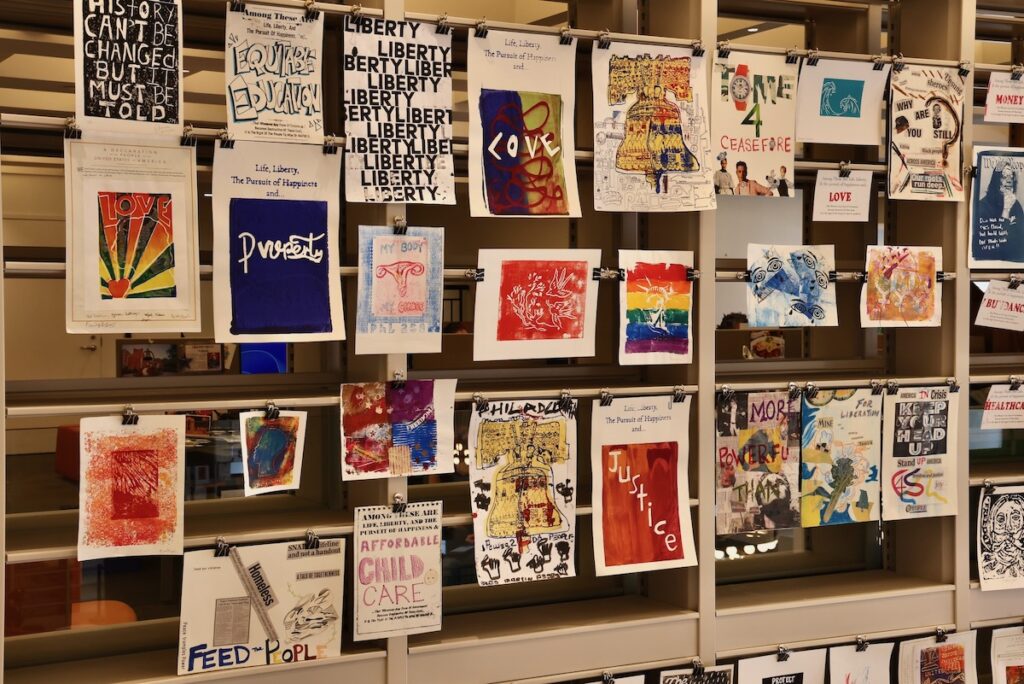
Philadelphians rewrite the Declarations of Independence in Mural Arts printmaking project
More than 1,000 people created personal Declarations of Independence, now on view at the Free Library in a major semiquincentennial civic art project.
6 months ago
Listen 1:19Franklin testified at Parliament that he remained loyal to the king but not necessarily to Parliament, saying the governing body had a right to impose external taxes, but not to tax internal transactions within the colonies.
“It was a somewhat incoherent position that he was taking,” said Ewald. “In the first place, distinguishing between internal and external taxation is really difficult to do. And there were plenty of Americans who said, ‘Look, what we object to is paying taxes. Full stop.’”
Further hedging his bets, Franklin assumed the Stamp Act would be enacted and recommended a friend for the job of collecting Stamp Act taxes in Philadelphia, John Hughes. The law was enacted and later repealed after fierce colonial resistance.
Tax collectors, including Hughes, became the targets of colonists’ anger.
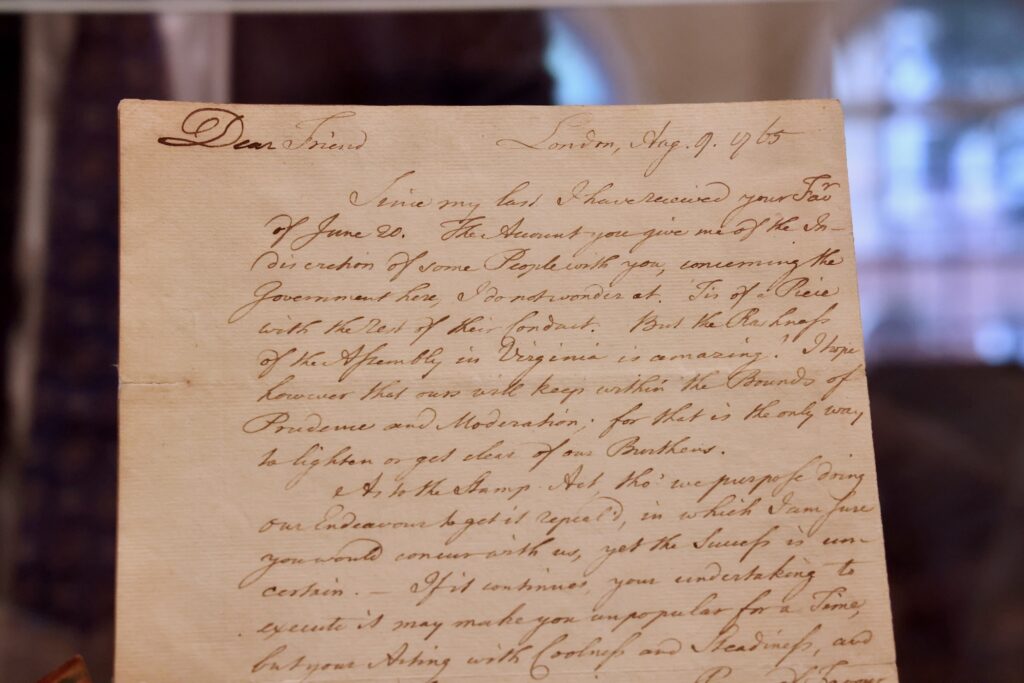
“John Hughes feels the temperature rising in Philadelphia, and he writes to Franklin in London. He says, ‘Ben, you know, things are getting uncomfortable here,’” Historical Society president David Brigham said. “We have the letter that Ben Franklin writes back. He says, ‘John, you’re a loyal subject. Just do your job. Keep your head down. This is all going to blow over.’”
“Franklin is nowhere near ready to sign a Declaration of Independence, in 1766,” he said.
By 1775, a year before the signing of the Declaration, the colonists were still unsure about separating from the British empire. On July 5, six weeks after the Revolutionary War had already begun with the Battles of Lexington and Concord, congressional delegates sent the Olive Branch Petition to King George, describing themselves as “loyal colonists” seeking a resolution to hostilities.
The very next day, July 6, 1775, the same Congress issued the Declaration of the Causes and Necessity of Taking Up Arms, describing their intention to remain ready to fight.
Both documents were drafted by the same person, delegate John Dickenson, “which must have confused the British a bit when these two things arrived, essentially, simultaneously,” Ewald said.
The shifting sands of independence trickled down to the children of Philadelphia. “Paths to Independence” includes a handwritten student newspaper from the Friends Latin School, an elite Quaker school for boys. The Students Gazette was a short-lived publication during the British occupation of Philadelphia in 1777-1778 featuring, among other items of interest, jokes at the headmaster’s expense and reporting on schoolyard fights.
The Gazette also featured a story about a fictional republic modeled loosely on what the students were witnessing during the British occupation.
“They’re not directly commenting on the affairs of the Revolution, but they’re obviously paying attention to what the grown-ups are doing,” Brigham said. “You could read between the lines and see that some of them are more militant than their Quaker background would make you expect, others tending towards pacifism. It’s a fascinating glimpse into the way that the Revolution affected young children. You don’t very often see that perspective.”
“Paths to Independence, 1765-1787” opens with a public reception on May 7 and runs until Sept. 18.
Never miss a moment with the WHYY Listen App!


WHYY is your source for fact-based, in-depth journalism and information. As a nonprofit organization, we rely on financial support from readers like you. Please give today.
Part of the series
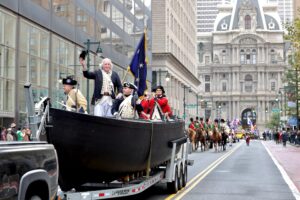
Philadelphia 250
The United States is marking its semiquincentennial — or its 250th anniversary — in and around the City of Brotherly Love.
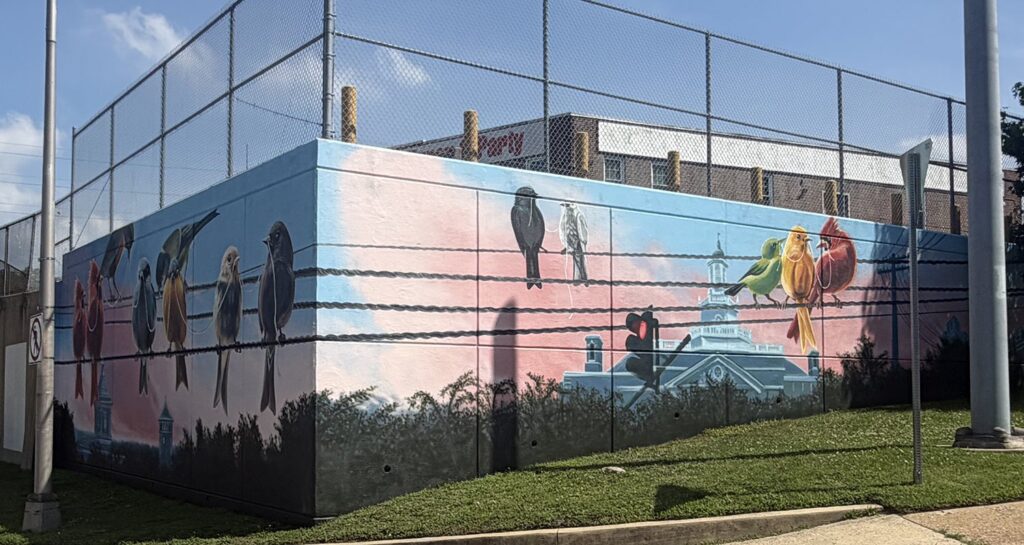
El muralista Christian Kanienberg afirma que le interesa “más crear obras de arte que, simplemente, resultan ser murales capaces de suscitar conversaciones”.
3 months ago
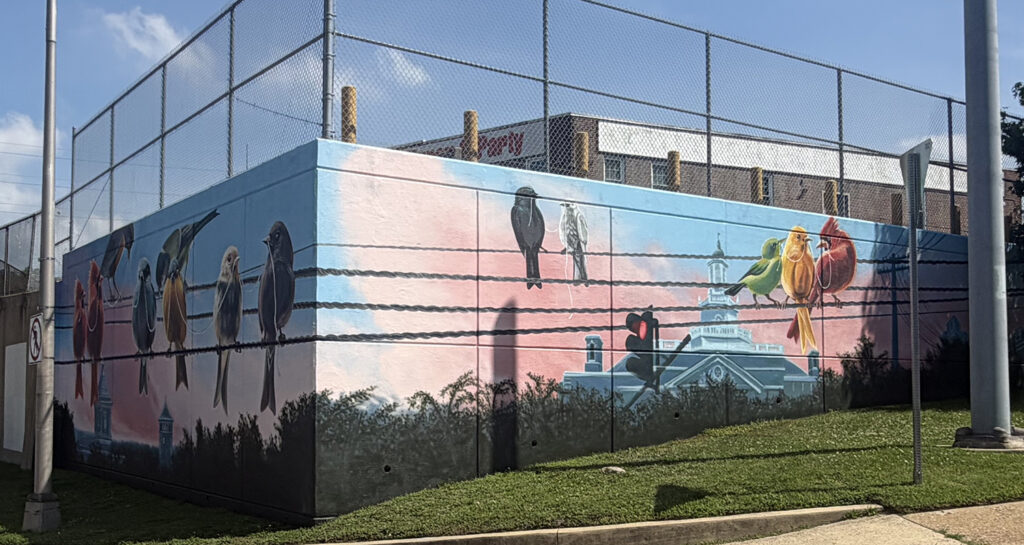
Muralist Christian Kanienberg says he’s “more interested in creating pieces of art that just happen to be murals that are conversation starters.”
4 months ago
Listen 2:11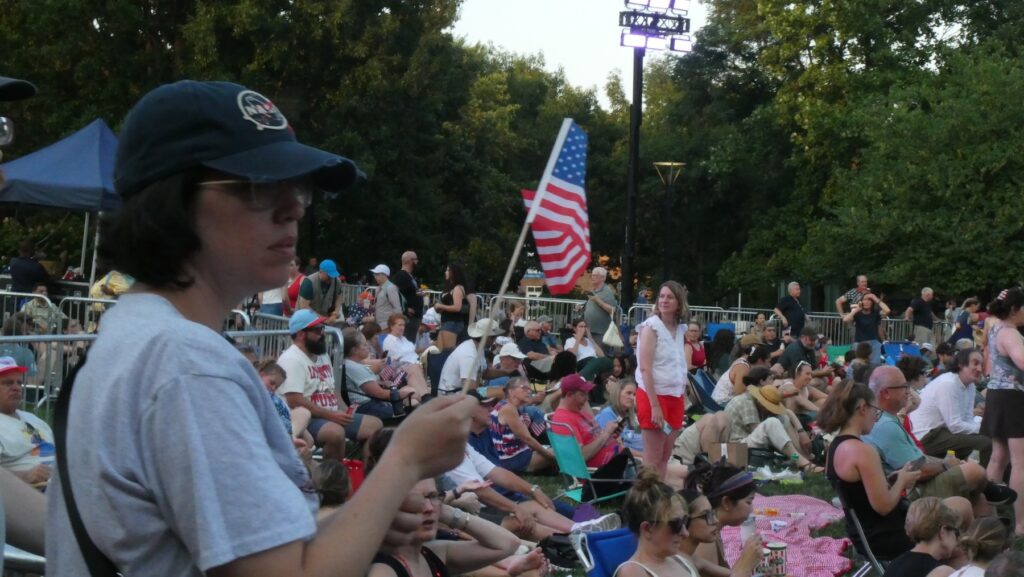
The city’s free July Fourth concert on the Parkway is still on. Organizers say Saturday's star-studded show will happen rain or shine.
4 months ago