

Pennsylvania utility commission to review how utility profits, data centers affect affordability issues
The state’s utility commission unanimously approved two motions aiming to tackle affordability.
Listen 1:19
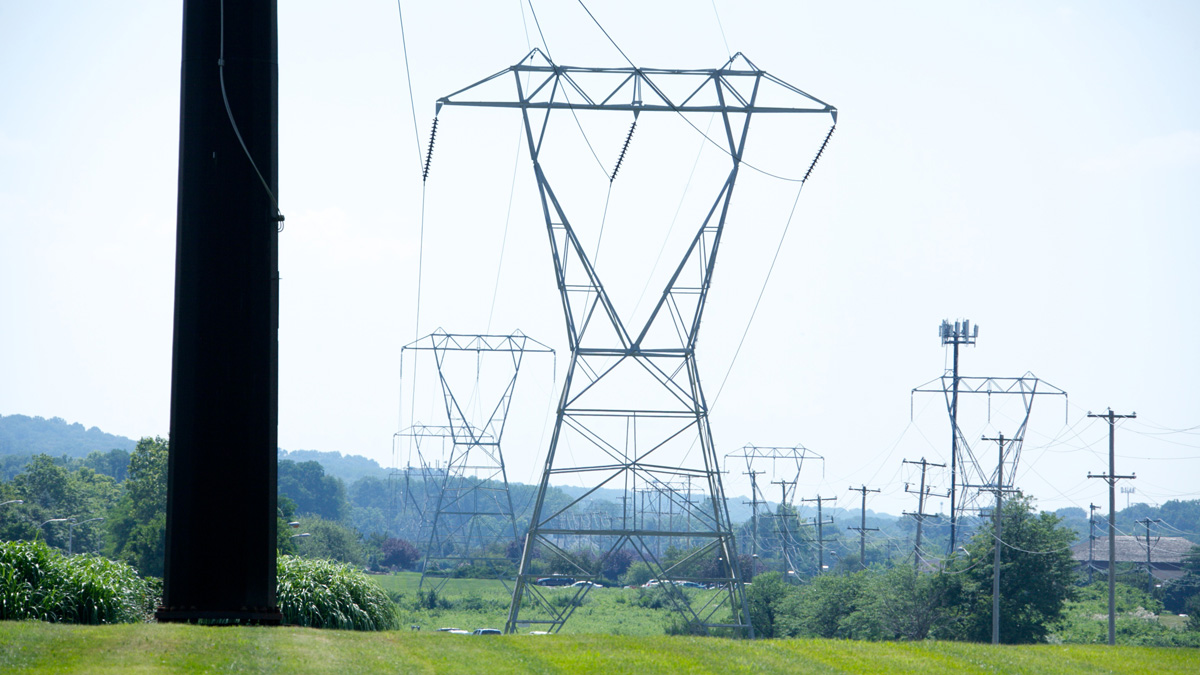
Electrical lines along Devon Park Dr by the King of Prussia Mall. (Nathaniel Hamilton for NewsWorks)
From Philly and the Pa. suburbs to South Jersey and Delaware, what would you like WHYY News to cover? Let us know!
The Pennsylvania Public Utility Commission unanimously approved two measures this month intended to address how investor-owned utility’s profits and the growth of data centers collide with the growing affordability crisis.
Speaking at the commission’s September public meeting Thursday, PUC Chairman Steve DeFrank described how rapidly changing conditions have led to increases in electricity, water, sewage and gas bills.
“The utility industry has experienced significant and continued turbulence in recent years, driven by high inflation, trade tariffs, increased customer account arrears, forever chemicals, lead lines, plastic pipe, supply chain constraints, data center development, global conflicts and electrical reserve margin shortages,” DeFrank said. “Many of these circumstances led to an extraordinary increase in the number of proposed rate increases filed with the commission.”
DeFrank’s motion will establish a Ratemaking Working Group to examine, among other things, how the current system allows utilities to bake in profits to customer rate increases, the methods used to calculate and increase rates outside of the ratemaking cases and establish greater transparency in ratemaking cases.
DeFrank said his motion is a direct response to Gov. Josh Shapiro’s January budget address.
“The governor asked the commission to scrutinize utility spending to ensure each customer dollar is well spent,” DeFrank said.
Investor-owned utilities that provide water, gas and electricity make their profits on infrastructure upgrades, not the supply of gas and electricity, so the more they build, the more profit they can make. Much of that infrastructure includes critical upgrades needed for safety or expanded regulation as in the case of water providers needing to filter out PFAS. The so-called “forever chemicals” are found in hundreds of everyday products like nonstick pans, and have been linked to serious health problems, including some cancers.
The upgrades are financed through a combination of debt and equity, or funds contributed by their shareholders. The shareholders expect a return on that investment.
Because utilities enjoy a monopoly when it comes to the distribution of water, gas and electricity, any increase in rates must be approved by the commission.
As utility rates have risen, however, critics say the increases approved by the PUC in recent years has led to double-digit profits, where the utility’s gains far outweigh their cost of capital.
Shapiro was also critical of the “black box” settlements, which are common in ratemaking cases but often lack transparency as to how the parties reached certain financial terms, and how much return on investment the utilities expect to gain.
Additionally, rate increases to pay for infrastructure upgrades, known as distribution system improvement charges, can occur outside of the ratemaking case.
“There’s some data out there supporting a premise that for decades regulators have authorized returns on equity that exceed a utility’s cost of capital and this has resulted in … consumers and ratepayers paying more than is reasonable,” PUC Vice Chair Kimberly Barrow said. “So just the fact that that data exists means that we have to take a critical look at the underlying framework with which we set rates.”
Related Content
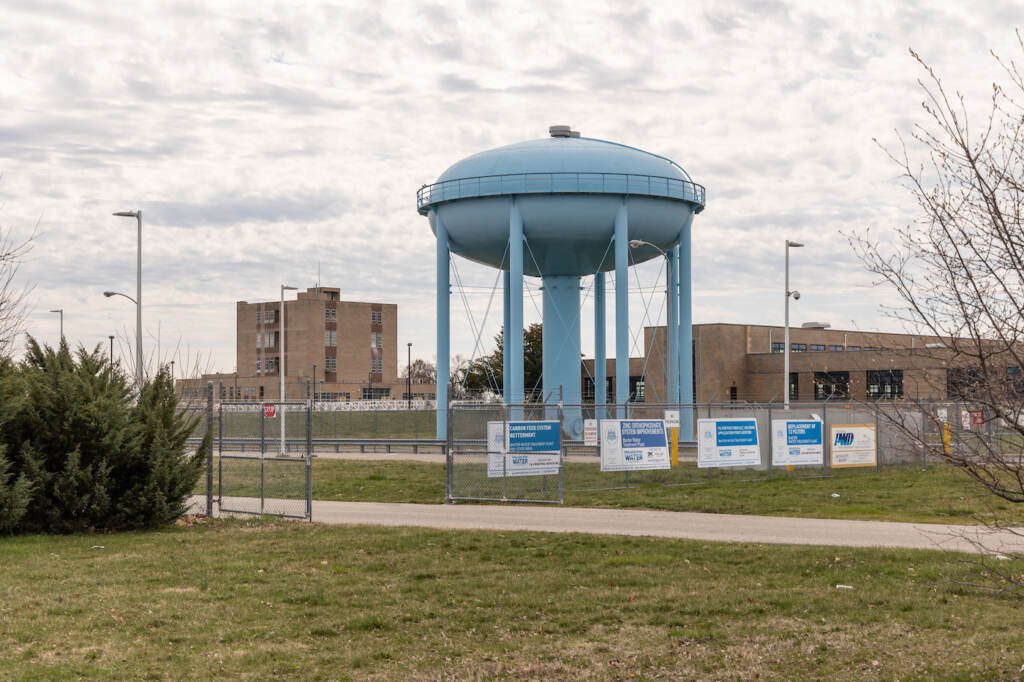
Philly residents will pay on average an extra $7 a month for water
The Philadelphia Water Department says bills are going up in part because more people are enrolling in a program that helps lower-income residents.
1 month ago
Listen 1:05DeFrank said the goal of the working group is not to deprive investor-owned utilities the “opportunity to earn a fair return.”
“Rather, the overall goal here would be to ensure our ratemaking procedures are modernized for these dynamic times in a manner that balances affordability with the need for continued prudent investment and enhancement in our commonwealth’s vital fixed utility infrastructure,” he said.
DeFrank said the working group could look at separating the process that determines the utility’s return on equity, often referred to as ROE, from the other parts of the rate case. He also suggested tying the ROE to performance standards like water quality, safety records or reliability.
“As a regulated monopoly with relatively stable earnings,” Barrow said that she’d like utilities to provide “empirical evidence that justifies an ROE higher than the average broader market cost of capital.”
The Ratemaking Working Group would have representatives from “consumer and small business advocates, utilities, state government and the General Assembly, industrial energy consumers, low-income advocates, and other stakeholders.”
Nominations for members of the working group have to be submitted within 30 days of the formal notification published in the Pennsylvania Bulletin. DeFrank said he would like to see a report and recommendations for the PUC to consider “in a timely manner.”
Pennsylvania PUC scrutinizing data center development
In a separate motion by Barrow, the commission unanimously approved a motion directing staff to update the state’s emergency electric load control regulations regarding potential brownouts or blackouts.
The concerns come as the region’s grid operator, PJM Interconnection, was unable to secure enough power to meet the projected demand for 2028-29, risking blackouts should usage outpace supply.
“Pennsylvania’s existing regulations provide a basic framework for electric utilities to manage load during pre-emergency and emergency conditions,” according to a release by the PUC. “The Commission will now examine potential updates to provide greater and more consistent direction concerning the order, criteria and applicability of curtailment.”
Following Shapiro’s Aug. 18 executive order aimed at reining in data centers’ impact on residents, the PUC also plans to hold a conference this fall focused on how the costs associated with increased data center development impact ordinary ratepayers.
“The conference will provide an opportunity for utilities, consumer advocates, large-load customers and other stakeholders to examine how costs associated with large new loads are identified and allocated, including potential impacts on customers who are not contributing to that new demand,” the commission wrote in a statement.

Never miss a moment with the WHYY Listen App!


WHYY is your source for fact-based, in-depth journalism and information. As a nonprofit organization, we rely on financial support from readers like you. Please give today.
Part of the series

Remembering the ‘visionary’ author of Pennsylvania’s environmental rights amendment
Franklin Kury, who passed away last week, helped make Pennsylvania one of the first governments in the world to guarantee a healthy environment as a basic right.
2 months ago
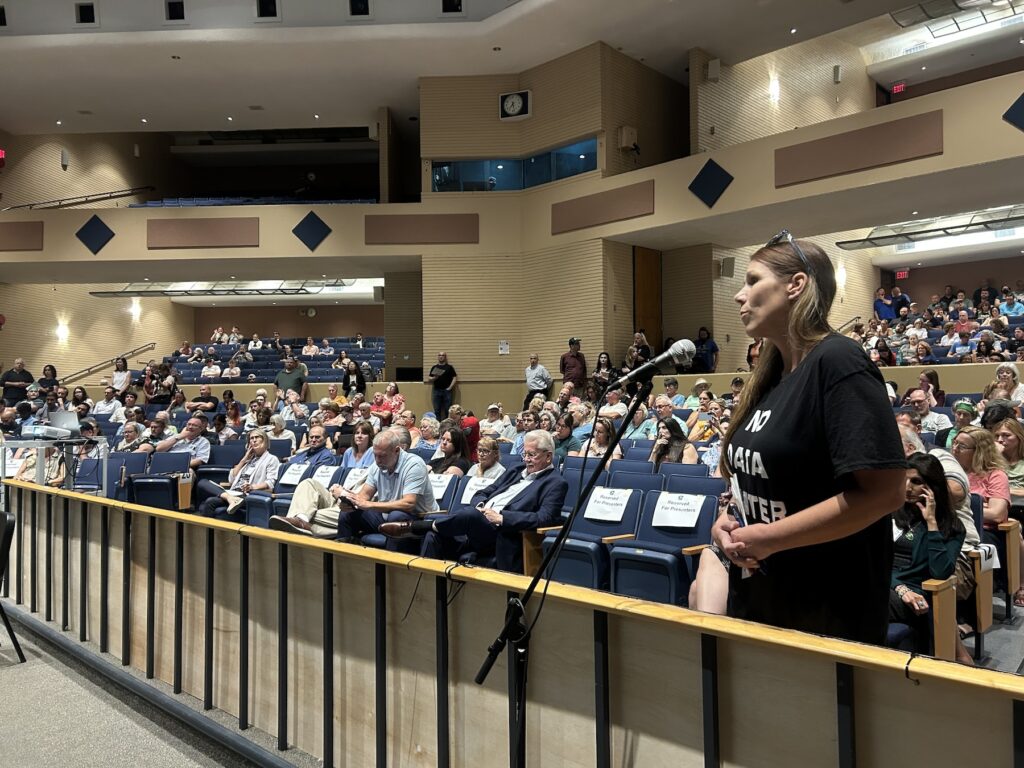
Amazon to install hundreds of gas-fired generators at Bucks County data center site
Nearby residents opposed the project during a tense public meeting Tuesday.
3 months ago
Listen 1:07
Pa. wants homeowners to ditch their lawns for meadows — starting with free native plant kits
Unlike lawns, which have short roots, meadows soak up water and prevent stormwater pollution.
6 months ago
Listen 1:12