

Autumn is here, and leaves are falling. What should Philadelphia residents do with them?
Fallen leaves naturally fertilize the soil as they decompose, returning vital nutrients to the ground.
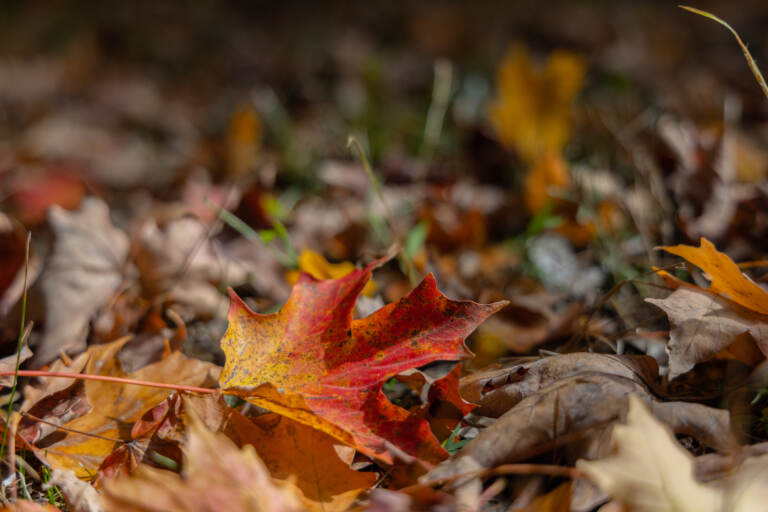
FILE - Leaves crunch underfoot at the Morris Arboretum. (Kimberly Paynter/WHYY)
From Philly and the Pa. suburbs to South Jersey and Delaware, what would you like WHYY News to cover? Let us know!
Over the next few weeks, the autumn cooling will coat the ground in hues of red, orange and yellow.
For many, a blanket of leaves underfoot is a fall staple, but others will look to rid their lawns of the leafy interlopers. But experts say that it might be time to put down the rake. An estimated 8 million tons of leaves end up in landfills each year, and leaving fallen leaves in place can reduce waste and benefit the environment.
Daniel Cleary, founder of EcoLandscapes Design, encourages people to think of their backyards as part of nature rather than looking at leaves as something to be rid of.
“Traditional landscaping has been very sterile and almost removes all of the natural processes,” Cleary said. “These sterile landscapes depend on human inputs to do the things that traditionally were provided by natural cycles.”
Leaves are part of the nitrogen cycle. Trees pull nitrogen and other nutrients from the soil into their leaves. When leaves drop in autumn, they decompose, and their nutrients return to the soil for the tree to absorb again.
In lawn areas with tree canopy coverage, letting leaves decompose rather than disposing of them allows this cycle to continue naturally. When leaves are removed, nitrogen needs to be brought back into the environment, usually in the form of chemical fertilizer.
Related Content
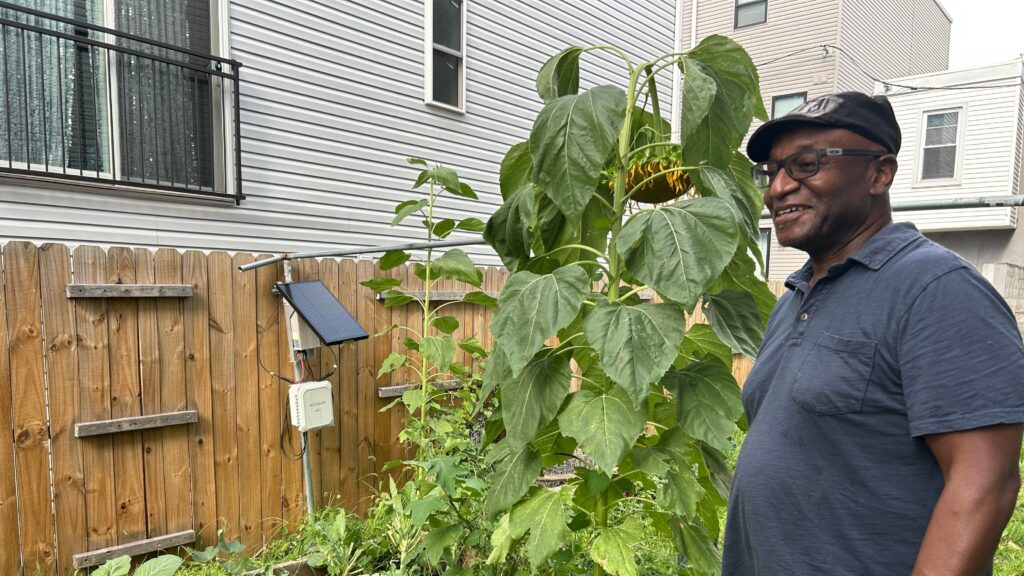
A network of air quality monitors grows in a formerly redlined area of West Philadelphia
The network will provide residents of formerly redlined areas of West Philly and Harrisburg real-time info about the air they’re breathing.
4 weeks ago
Listen 1:07Cleary said keeping leaves intact also benefits insects and small organisms, especially in garden beds.
“There are a vast number of critters that depend on those leaves over winter for their reproduction and for having protection from the cold,” he said. “When you leave the leaves, that can help the entire ecosystem because these critters and insects are the base of our food web.”
In strictly grassy backyard lawns, with no trees or foliage, a thick carpet of leaves can block sunlight and kill what’s underneath. For these areas, Clearly recommends using a mulching mower to break up the leaves without removing them entirely. This will let sunlight through while still providing nutrients to the lawn and reducing waste.
For those who prefer to remove leaves completely, Philadelphia city officials encourage composting through the Department of Sanitation’s Fall Leaf Recycling Program.
“The program is one of several services provided by the Sanitation Department to honor the City’s on-going commitment to recycling by helping to reduce the amount of materials that reach the waste stream,” a Department of Sanitation representative said in a statement.
Starting Monday, Nov. 2, the Philadelphia Department of Sanitation will begin collecting fallen leaves. Residents can pay to drop off bagged leaves at any of the city’s six sanitation convenience centers, which accept them Monday through Saturday. The city also offers 13 Saturday drop-off locations. Disposal costs $70 per ton, or about $35 per 1,000 pounds.
The Department of Parks and Recreation’s Organic Recycling Center for composting. Small quantities of the compost and mulch are available for free to Philadelphia residents. The leaf recycling program ends Saturday, Dec. 19.

Get daily updates from WHYY News!
WHYY is your source for fact-based, in-depth journalism and information. As a nonprofit organization, we rely on financial support from readers like you. Please give today.
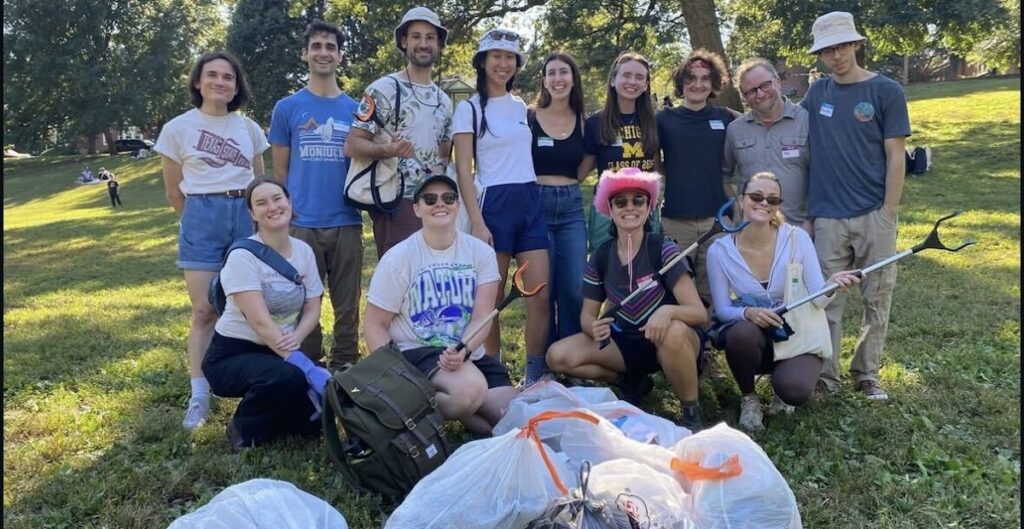
After a disappointing loss to Chicago last year, volunteers in Philadelphia say they hope to prove a point while also cleaning up the streets.
1 month ago
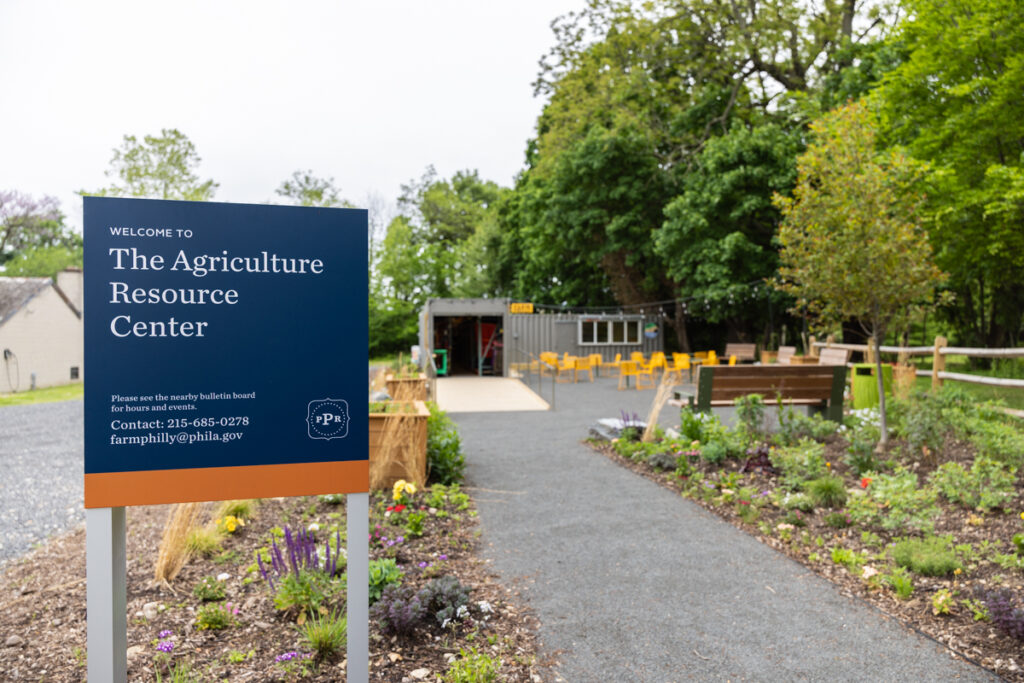
Need a hoe, nut wheel or corn shucker? Philly’s new farm tool library has community gardens covered
The Agriculture Resource Center in West Fairmount Park will lend tools and offer free skills workshops.
6 months ago
Listen 1:01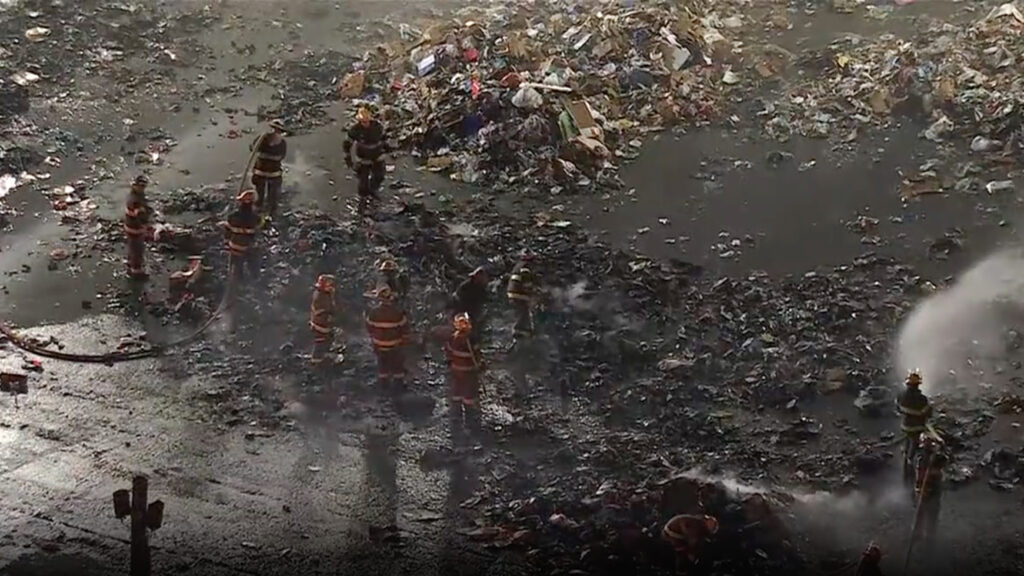
Inspectors testing air quality after Grays Ferry fire; residents asked to stay indoors
The fire broke out Thursday night at a recycling facility at South 34th Street and Grays Ferry Avenue. Residents have been asked to avoid the area or stay inside due to smoke.
9 months ago