

Gov. Shapiro announces plan to attract ‘responsible’ data center development
The plan would require data centers seeking tax incentives to mitigate their impacts on the environment and electric grid.
Listen 1:08
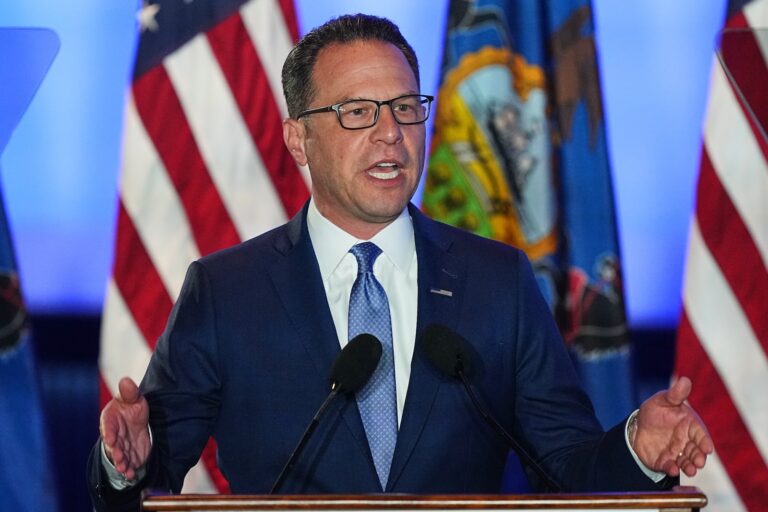
Pennsylvania Gov. Josh Shapiro speaks at an election night watch party in Warminster, Pa., Tuesday, May 19, 2026. (AP Photo/Matt Rourke)
From Philly and the Pa. suburbs to South Jersey and Delaware, what would you like WHYY News to cover? Let us know!
Pennsylvania Gov. Josh Shapiro on Wednesday announced a plan to attract the development of data centers in the state with incentives for operators that commit to reducing their impacts on the electric grid and the environment.
Under Shapiro’s proposal, developers could receive perks like tax incentives and streamlined permitting only if they take steps to reduce their impact on the environment and electric grid, and invest in communities.
The governor said he believes the voluntary program would ensure that data centers are developed responsibly while benefiting the communities they’re built in.
“I’ve heard directly from Pennsylvanians who are concerned about the impact data center development could have on their communities, the environment, and their utility bills,” Shapiro said in a statement. “That’s why I am putting clear guardrails in place to hold developers accountable to protect consumers, strengthen communities, and put Pennsylvanians first.”
However, environmental groups are arguing the move prioritizes corporations above the environment. While industry groups say the proposed framework is “complicated,” and could curtail development.
State lawmakers would be required to pass legislation, including amending current tax laws, to implement the governor’s proposed standards.
Balancing the data center demand
Data centers house the computer servers required to run internet services worldwide. While they have been around since the mid-20th century, the acceleration of power-hungry artificial intelligence has boosted demand for larger sites.
Though proponents of data centers tout the prospect of increased tax revenue, some local residents are concerned about the impact on electricity bills, air quality and water usage, which in some areas of the country have threatened drinking water supplies.
More than 50 new data centers are currently being proposed, planned or are under construction in Pennsylvania. Last year, Shapiro announced a $20 billion investment from Amazon to build AI innovation campuses across the state, including a data center in Bucks County.
Shapiro has also supported legislation that would provide a model data center ordinance aimed at streamlining the data center development process.
Related Content
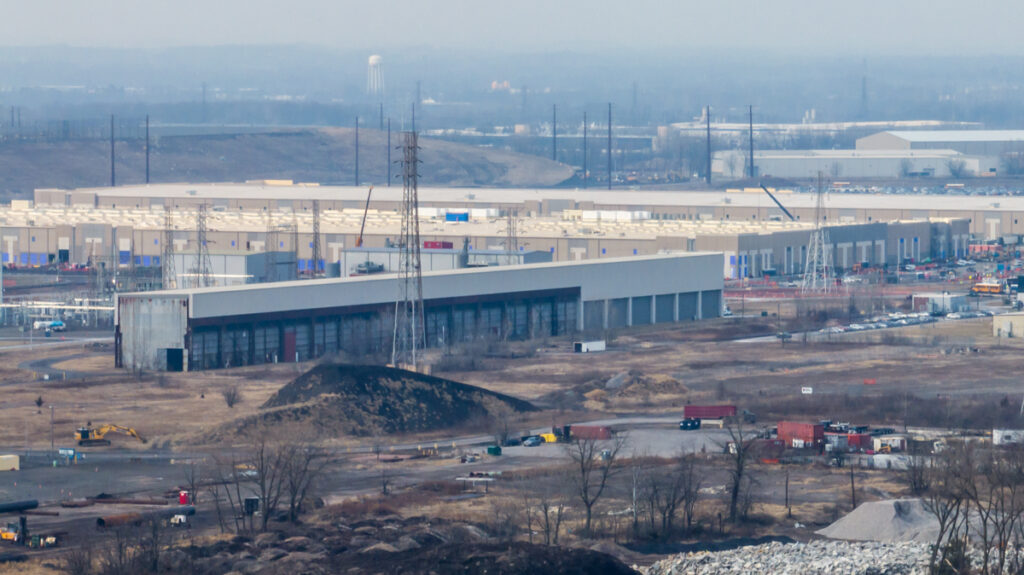
Pa. data centers: How lawmakers are responding, from electricity and water use to tax breaks
Dozens of data centers are planned for the Philly region. Some lawmakers want to put up guardrails, while others want to speed their development.
6 months ago
Listen 1:02The proposed Governor’s Responsible Infrastructure Development Standards, first introduced during Shapiro’s 2026 fiscal budget address, would create a pathway for data center developers to seek tax incentives and a streamlined permitting process.
In order to receive state support, however, developers must prove their commitment to energy affordability, clean energy generation, community engagement and impact, workforce development, and environmental protection.
The standards aim to prevent data centers from passing the cost of building the infrastructure for data centers, as well as their energy demands, onto ratepayers. PJM Interconnection, which manages the region’s electrical grid, has pointed to the increase in data centers as a reason for increased demand leading to higher electricity bills.
Under Shapiro’s plan, developers seeking state support would be required to build, bring online or buy incremental electric capacity at their own expense, and by 2035, ensure up to 32% of its energy comes from resources that include nuclear, hydropower, solar, wind and batteries.
Many data centers rely on backup generators when outside energy supplies fail to ensure uninterrupted power supply. However, these diesel generators emit pollutants that can exacerbate respiratory problems and other health conditions among people who live nearby.
Shapiro’s proposal would require developers under the initiative to use zero-emission energy storage systems and other technology to reduce emissions.
They would also be required to use technology to help data centers reduce their water consumption. Hyperscale data centers can consume up to 5 million gallons of drinking water per day to cool the facilities and their servers to prevent overheating. In some areas, that has drained residents’ well water supplies.
Related Content
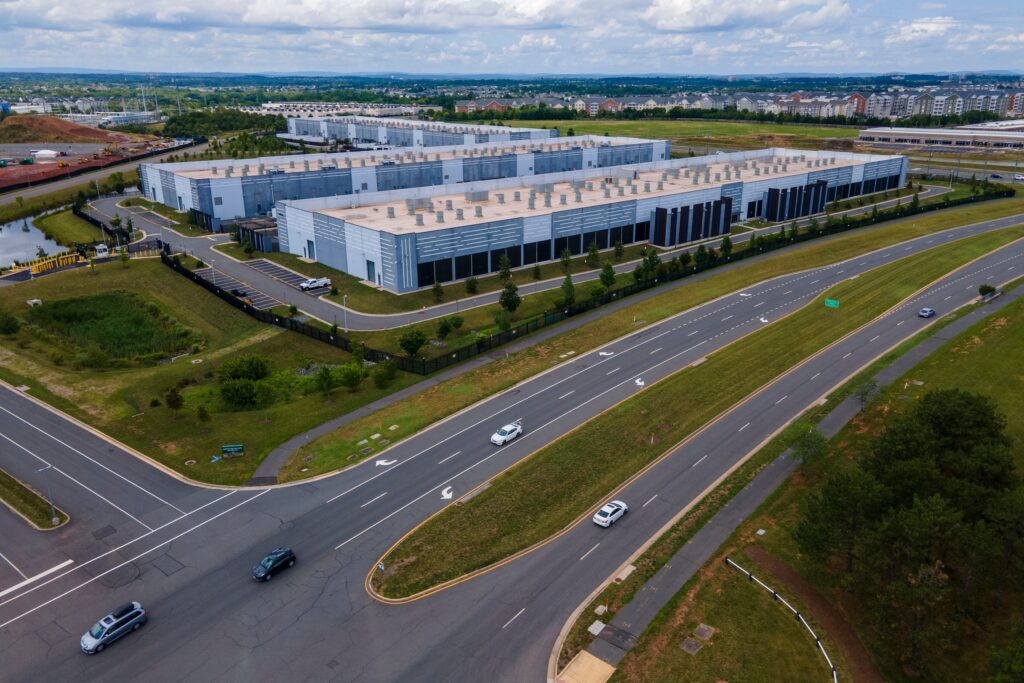
Fleisher: ‘As long as I’m mayor’ there will be no data centers in Cherry Hill
Mayor Dave Fleisher said officials are working on a proposal to ban the controversial facilities.
4 months ago
Listen 0:48In addition to mitigating environmental impacts, developers supported by the state must commit to a minimum of $250 million in cumulative new investment, create at least 200 construction jobs, 50 permanent jobs that pay at least 125% of the average wage of workers in Pennsylvania, and pay at least $1.5 million to on-site employees over time. Developers would also be mandated to invest in educational, environmental and safety programs in the state.
The Data Center Coalition, a trade group for the industry, called the proposal a “complicated framework” that could pose challenges for data center development.
“Data centers recognize the importance of responsible development, including thoughtful engagement around energy, water, land use, and community impact,” said Dan Diorio, vice president of state policy for the Coalition, in an email. “At the same time, it is fair to ask why this industry — which is central to modern life, economic growth, national security, cloud computing, cybersecurity, and our broader digital culture — would be held to a set of standards and requirements that are not similarly applied to other major energy users, large-scale industries, or economic development projects.”
However, environmental groups are not convinced that anything other than broad mandates will protect water supplies and the electric grid. Food & Water Watch, an environmental nonprofit, said Shapiro’s proposal does more to benefit large corporations than it does to protect ratepayers and the environment. The organization is calling for a moratorium on data centers in the state.
“Instead of offering solutions, Shapiro is facilitating Big Tech’s takeover of our land and resources,” said Megan McDonough, Pennsylvania state director for Food & Water Watch, in an email. “Voluntary half-measures from corporations who want to exploit our state for profits will never protect our water, energy costs, and quality of life — yet that’s what he’s offering as his strongest proposal.”

Get daily updates from WHYY News!
WHYY is your source for fact-based, in-depth journalism and information. As a nonprofit organization, we rely on financial support from readers like you. Please give today.
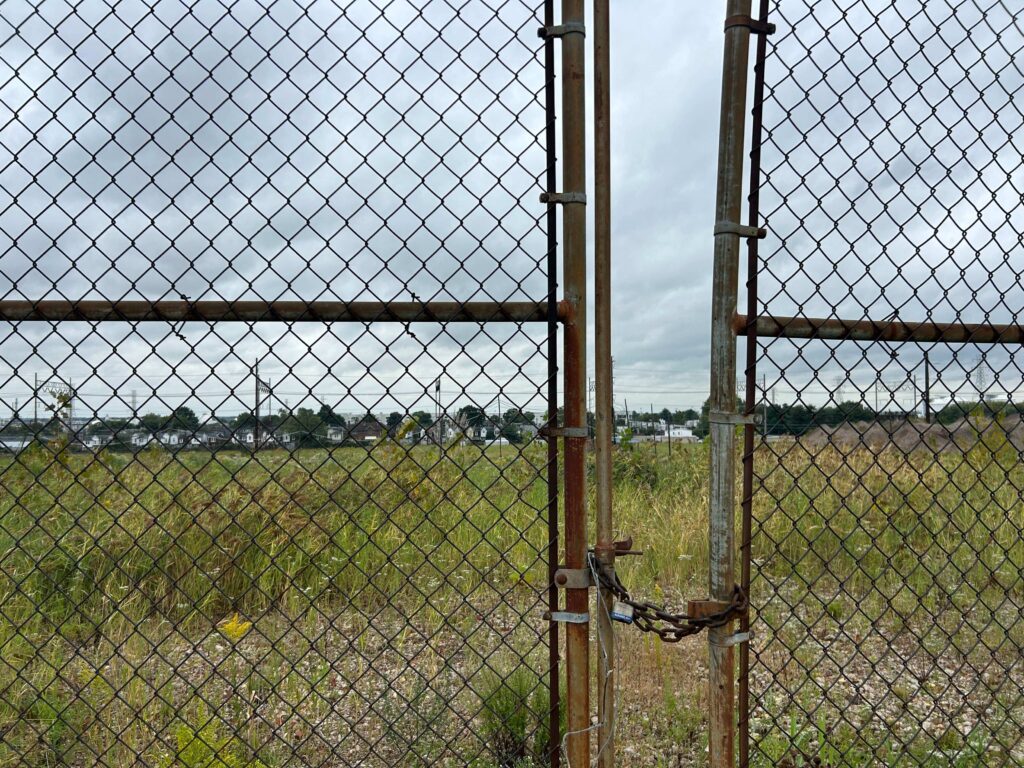
What we know about Delaware County’s potential data center plan, ‘Project Trainer’
Link Logistics is testing the waters for a data center that would sit around 100 feet from homes in Trainer, Pennsylvania.
6 days ago
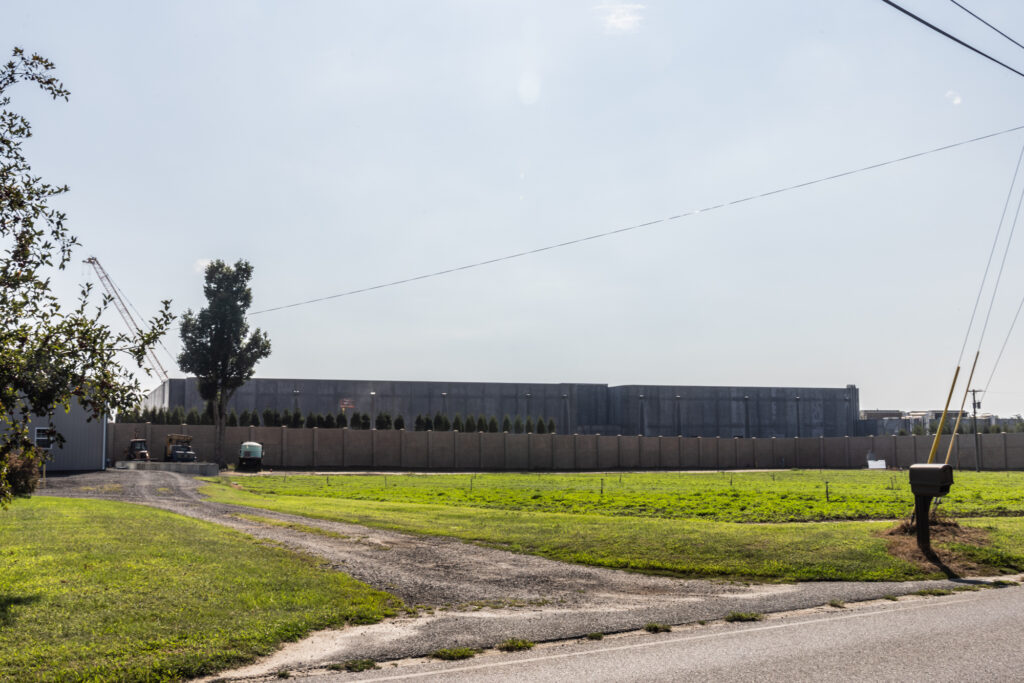
Vineland residents have pushed back against the data center, citing noise and air pollution.
6 days ago
Listen 1:00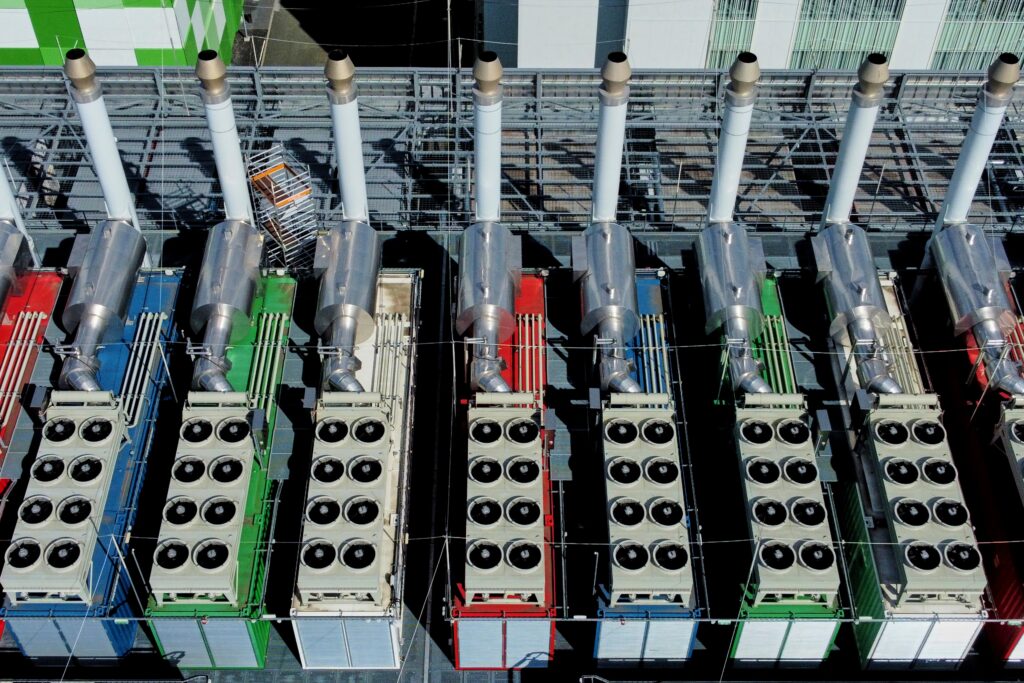
Data center growth could mean blackouts in coming years, Pa. utility regulators say
A report predicts electricity demand on the regional grid will nearly double by 2040, due almost entirely to data centers.
2 weeks ago
Listen 1:08