
Pedestrian, cyclist deaths make up larger share of Philadelphia’s traffic fatalities
As Philadelphia’s crash deaths move closer to pre-pandemic levels, pedestrians and cyclists are making up a growing share of fatalities on city streets.

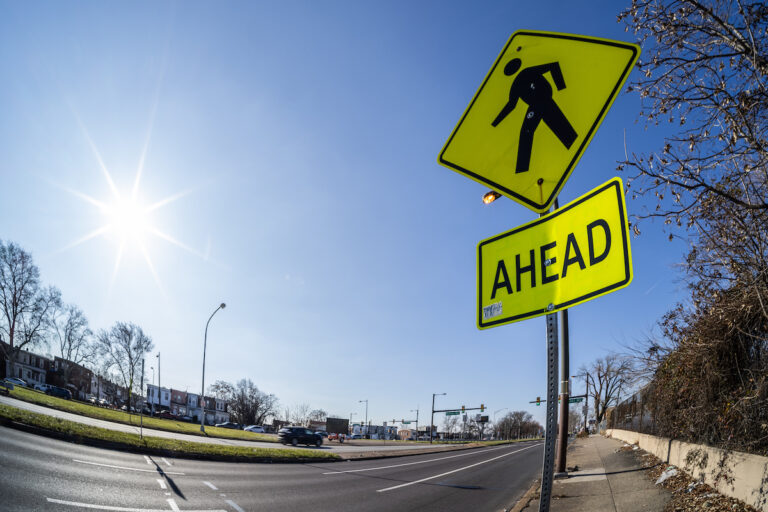
Pedestrian crossing signs across the 12 lanes of the Roosevelt Boulevard in Philadelphia. (Kimberly Paynter/WHYY)
From Philly and the Pa. suburbs to South Jersey and Delaware, what would you like WHYY News to cover? Let us know!
Philadelphia’s effort to eliminate traffic deaths is entering a new phase. Vision Zero Philadelphia, the city’s traffic safety program, released data showing that pedestrians and cyclists make up a growing share of people killed in crashes.
Program manager Marco Gorini says the city’s traffic safety initiative, which aims to eliminate all roadway deaths and serious injuries, has seen both progress and persistent challenges in the years since the COVID-19 pandemic.
“The goal of Vision Zero is zero traffic deaths,” Gorini said. “Our mission is to eliminate deaths and serious injuries because we don’t think anyone should have a life-altering injury from just trying to travel around on the streets of Philadelphia.”
The program operates under the administration of Mayor Cherelle Parker and is guided by a five-year action plan, released at the end of 2025, following a 2024 executive order that recommitted the city to the goal of zero traffic deaths.
Crash deaths remain high after pandemic-era spike
Gorini said traffic volumes dropped sharply during pandemic lockdowns in 2020, but the severity of crashes rose in ways the city did not expect.
While overall crashes declined, Philadelphia saw more than 150 traffic deaths in 2020. Crashes that resulted in fatalities and serious injuries remained elevated in the years that followed.
“Those went up more than we would have ever expected,” Gorini said.
By 2024 and into 2025, officials say the city has begun to see some moderation toward pre-pandemic trends, though the composition of victims has changed.
Where earlier years saw a higher share of fatalities involving people inside vehicles, recent data shows pedestrians and cyclists now account for a larger proportion of deaths on city streets.
Speed remains the dominant factor
Gorini pointed to vehicle speed as the strongest predictor of whether a crash becomes fatal. At 20 mph, a pedestrian struck by a vehicle has about a 10% chance of dying, he explained. At 30 mph, that risk rises to roughly 50%. At 40 mph, it climbs to about 90%.
“It is the difference between a near miss and a serious crash,” Gorini said. “Maybe the difference between a crash that results in minor injuries where people are able to walk away and a crash that’s deadly or results in life-altering injuries.”
Officials say the increase in speeding and aggressive driving during the pandemic has proven difficult to reverse, even as most drivers comply with traffic laws.
Related Content
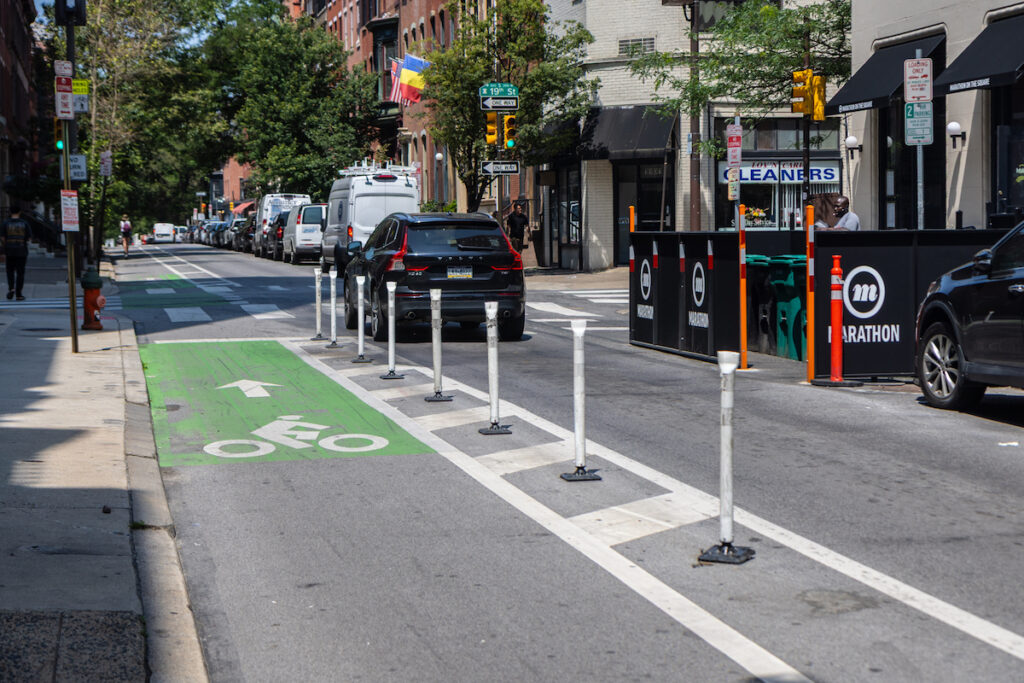
How can we make Philly safer for cyclists, pedestrians, others?
Electric scooters, bikes, unicycles, cars – Philly's streets are a mix of fast-moving vehicles. Is it still safe for traditional cyclists and pedestrians? We ask the experts.
Air Date: September 9, 2025 12:00 pm
Listen 51:13High-injury corridors under focus
The city has concentrated much of its safety work on what it calls the “high-injury network”—the small portion of streets where severe crashes are most concentrated.
Under the 2024 executive order, the city identified roughly 12% of Philadelphia’s streets that account for about 80% of fatal and serious-injury crashes.
Those corridors, which span nearly 300 miles of roadway, are now the primary focus of redesign and enforcement efforts to complete safety upgrades across the network by 2030.
Among them is Broad Street, which officials describe as one of the city’s most dangerous corridors. Gorini said North Broad Street has seen as many as one traffic fatality per month in recent years.
In addition to Broad Street, Roosevelt Boulevard has also been a key focus of automated enforcement. The city reported a 95% reduction in speeding violations along Roosevelt Boulevard after the installation of speed cameras, along with more than a 20% reduction in serious-injury and fatal crashes and a 50% reduction in pedestrian crashes.
Based on those results, officials expanded speed cameras to Broad Street.
Redesigning streets under ‘Complete Streets’ model
Much of Philadelphia’s strategy falls under its “Complete Streets” framework, which combines engineering changes aimed at reducing conflict between road users.
On Market Street in Old City, between 2nd and 6th streets, the city recently completed upgrades that include a sidewalk-level bike lane, a narrower roadway and raised intersections designed to slow traffic and increase visibility.
Gorini said the approach prioritizes separating vulnerable road users and reducing vehicle speeds.
Other tools include improved traffic signals, high-visibility markings, and redesigned intersections.
Speed cushions, roundabouts and neighborhood traffic calming
In residential areas, the city uses speed cushions, neighborhood slow zones and school-based traffic calming projects to reduce speeding.
Speed cushions are typically installed through the Streets Department’s residential traffic calming program or near schools as part of a citywide effort.
While those measures are most common on smaller streets, officials say they remain part of a broader toolkit.
Roundabouts and protected bike lanes are also part of the city’s longer-term safety strategy, particularly where they can eliminate high-risk crash types such as head-on and T-bone collisions.
How the city is measuring progress
The city is using its PhillyStat 360 dashboard to track Vision Zero-related metrics, including infrastructure installations, bike network expansion and traffic safety education programs in schools.
Gorini said officials also look for broader behavioral changes.
“What I hope people see over the next few years is kind of a really fundamental shift in our overall culture of safety,” he said. “We really want to be promoting a culture of safety.”
The program also includes public education campaigns, school programs and community engagement efforts aimed at reinforcing safer driving, walking and biking habits.
Residents can track initiatives and get involved through the program’s website, visionzerophl.com.

Get daily updates from WHYY News!
WHYY is your source for fact-based, in-depth journalism and information. As a nonprofit organization, we rely on financial support from readers like you. Please give today.
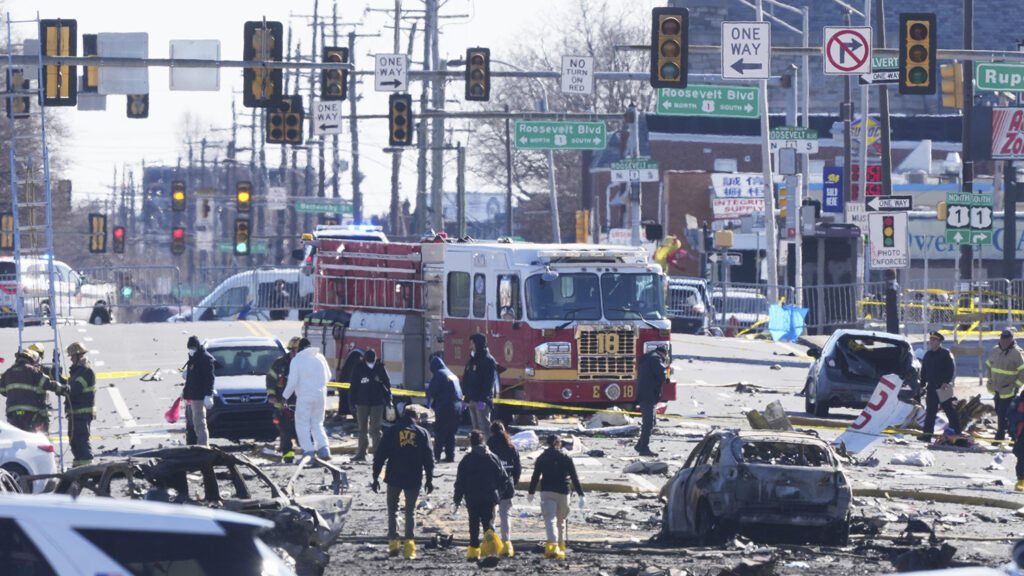
The death toll rose to seven Saturday with officials reporting 22 others injured as cleanup continues at the site of the crash near Roosevelt Mall.
2 years ago
Listen 1:09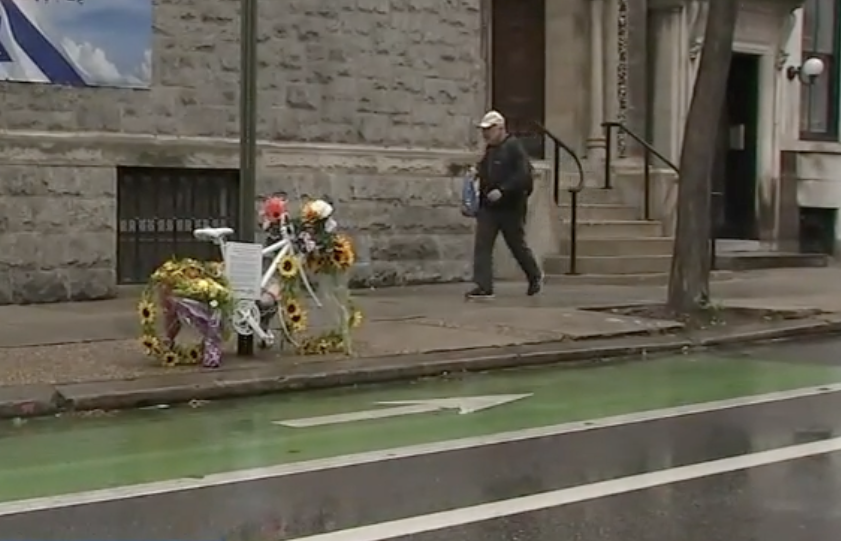
Family of CHOP doctor killed while riding bike in Center City places memorial in her honor
Family members and friends of Dr. Barbara Friedes, who was struck and killed in July while cycling near Rittenhouse Square, hosted a memorial bike ride Saturday in her honor.
2 years ago
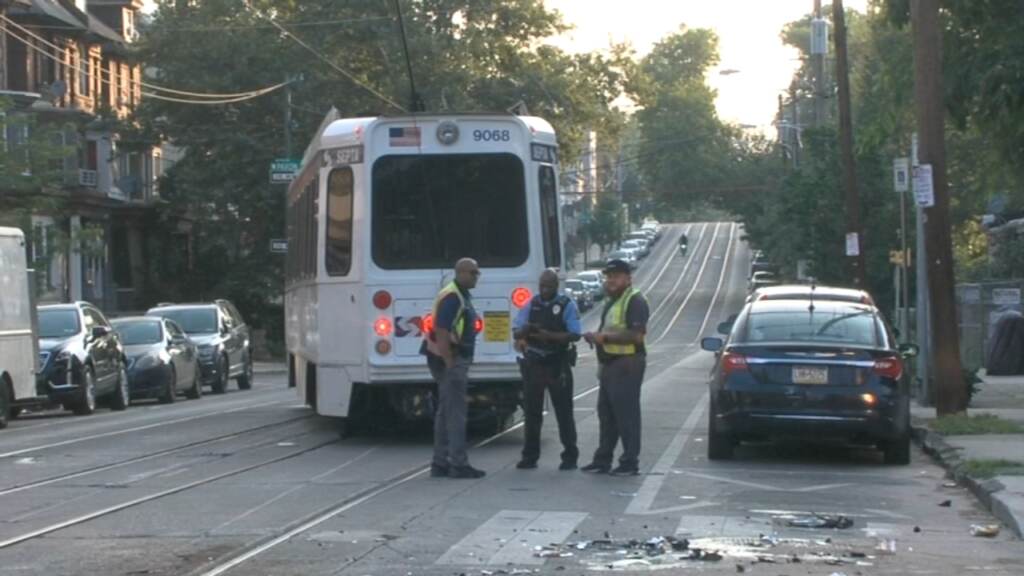
Car crashes into SEPTA trolley in Southwest Philadelphia
Investigators on scene believe the crash happened after a car ran a red light, crashing into the middle of the trolley and knocking it off the tracks.
3 years ago