

How Native Americans came to Philadelphia in 1776 to navigate the American Revolution and almost won statehood
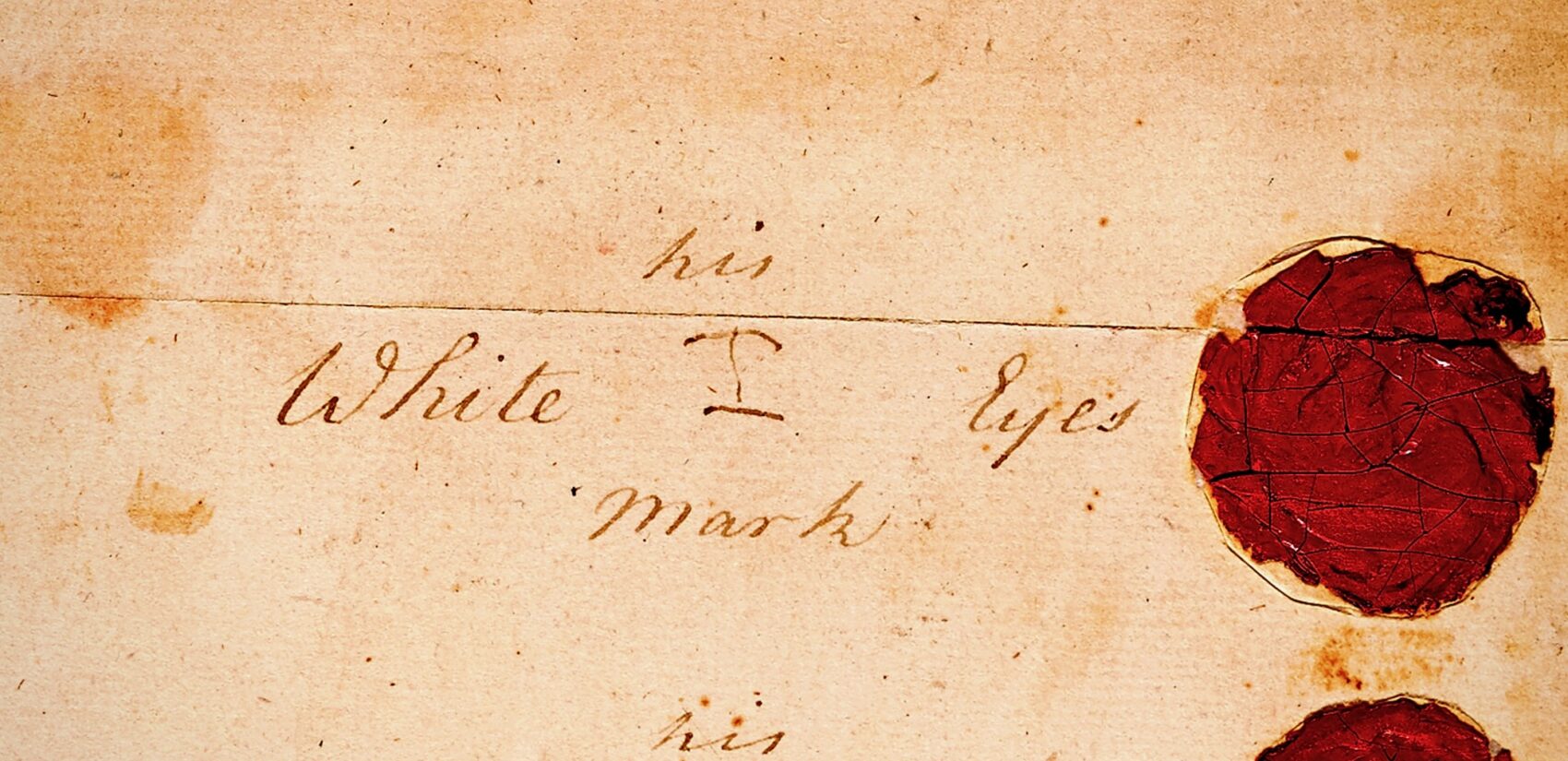
Chief White Eyes toggled between British and American leadership to secure land for the Lenape.
From Philly and the Pa. suburbs to South Jersey and Delaware, what would you like WHYY News to cover? Let us know!
When America’s founders were walking the cobblestones of Philadelphia in 1776 while forging a new nation, Native Americans were walking beside them.
Indigenous people were part of the urban fabric of what was then the largest city in North America and the political seat of the colonies. People from a wide range of tribes including the Mohawk, Seneca, Delaware and Oneida could be seen having tea, attending theater and going to balls with colonists.
“Citizens could barely walk the streets without bumping into visiting tribal delegates who went about an endless round of social engagements, observing and participating in urban life,” wrote historian Colin Calloway in “The Chiefs Now in This City: Indians and the Urban Frontier in Early America.”
Visiting the city became even more important in 1776 for tribal leaders to address the Continental Congress and gain a foothold in a newly emerging nation.
“It’s like going to the U.N., those gathering of minds from different nations,” said DJ Huff, a member of the Seneca Nation.
“I think it’s a beautiful, beautiful thing, meeting with the intentions of hopefully bringing peace,” he said. “Which eventually doesn’t happen quite as everybody hoped it would.”
Native Americans coming into colonial Philadelphia
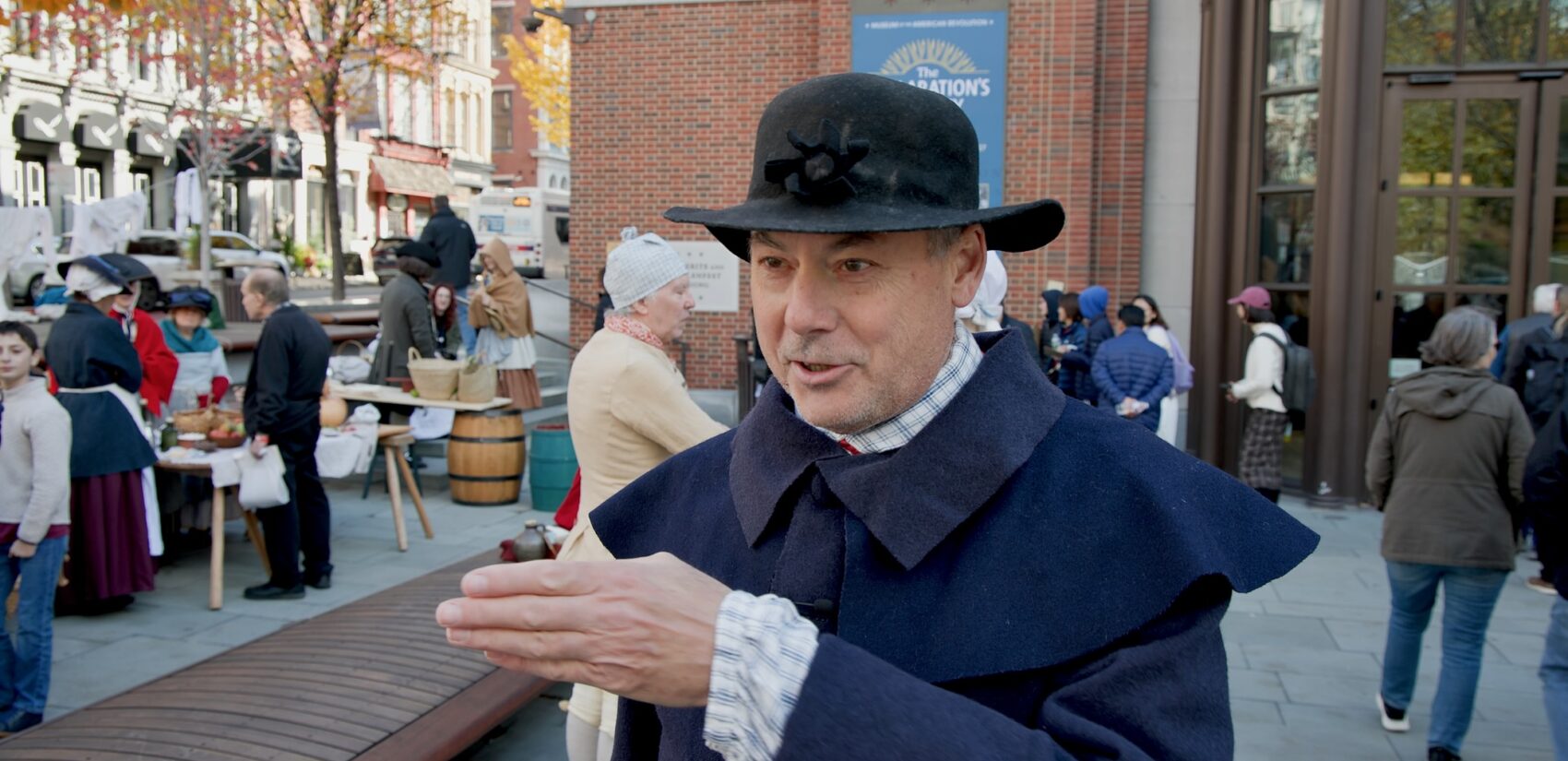
Huff was recently in Philadelphia acting as a historic interpreter at the Museum of the American Revolution, dressed as an 18th-century leader of the Lenape, or Delaware people of Ohio Country called White Eyes, or Koquethagechton.
White Eyes had visited colonial Philadelphia often, first for trade and then for politics. He was known to transport deer hides and beaver pelts from Ohio Country, around the region of what is now Pittsburgh, to New Orleans, sell them for cash, then travel to Philadelphia to buy imported European goods.
According to Calloway, many Native Americans developed a taste for European finery, including pewter plates, candlesticks, guitars, teapots, snuff, chocolate, coffee, wine, silk and hair powder.
“Rather than retreat from cities, Indian people often gravitated toward them for diplomacy and … incorporated them into their economic strategies,” Calloway wrote.
By 1775, White Eyes’ focus had shifted to Independence Hall and the Continental Congress and negotiating an alignment with the rebelling colonists in exchange for land rights.
Related Content
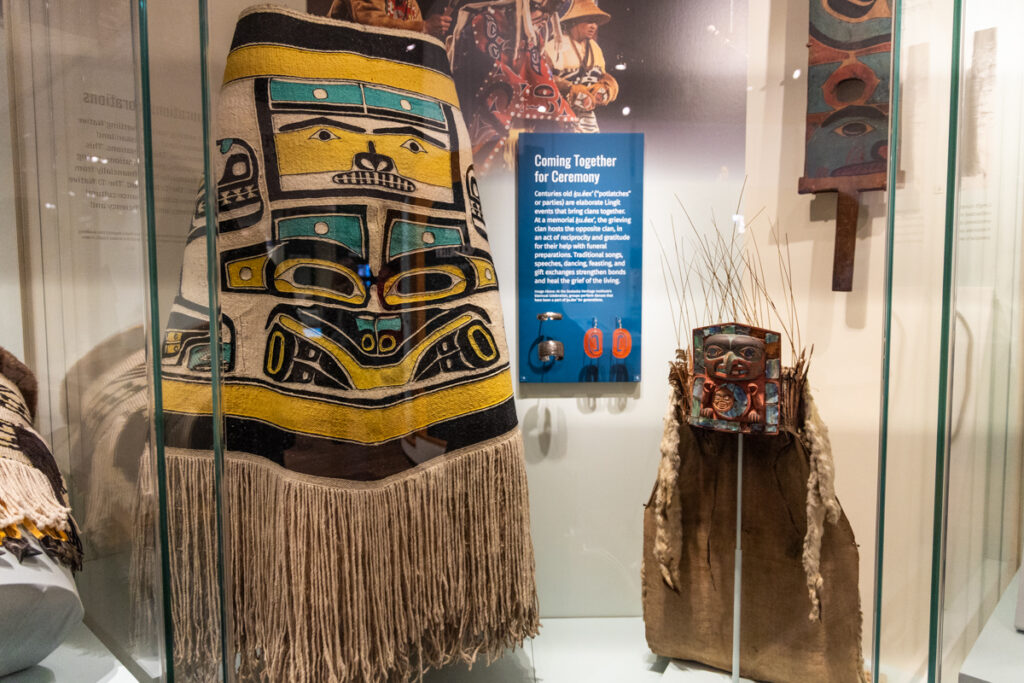
Penn Museum’s new Native North America exhibition collaborates with Indigenous curators
Eight curators from eight Indigenous nations redesigned Penn Museum’s Native North America display.
11 months ago
Listen 1:20A revolution over land rights
The Revolutionary War was about many things — self-governance being at the core — but a major driver was access to land. The British restricted colonists’ migration westward across the Appalachian Mountains into Native American territory, per the Treaty of Fort Stanwix, but colonists refused to abide.
“The American Revolution is just a continuation of every conflict that’s been occurring on this continent since the 1600s,” said Justin Meinert, living history coordinator at the Fort Pitt Museum in Pittsburgh.
“By 1775 we’re still in the same conflict of who’s going to own land, who’s going to make money,” he said. “It’s the same story as today.”
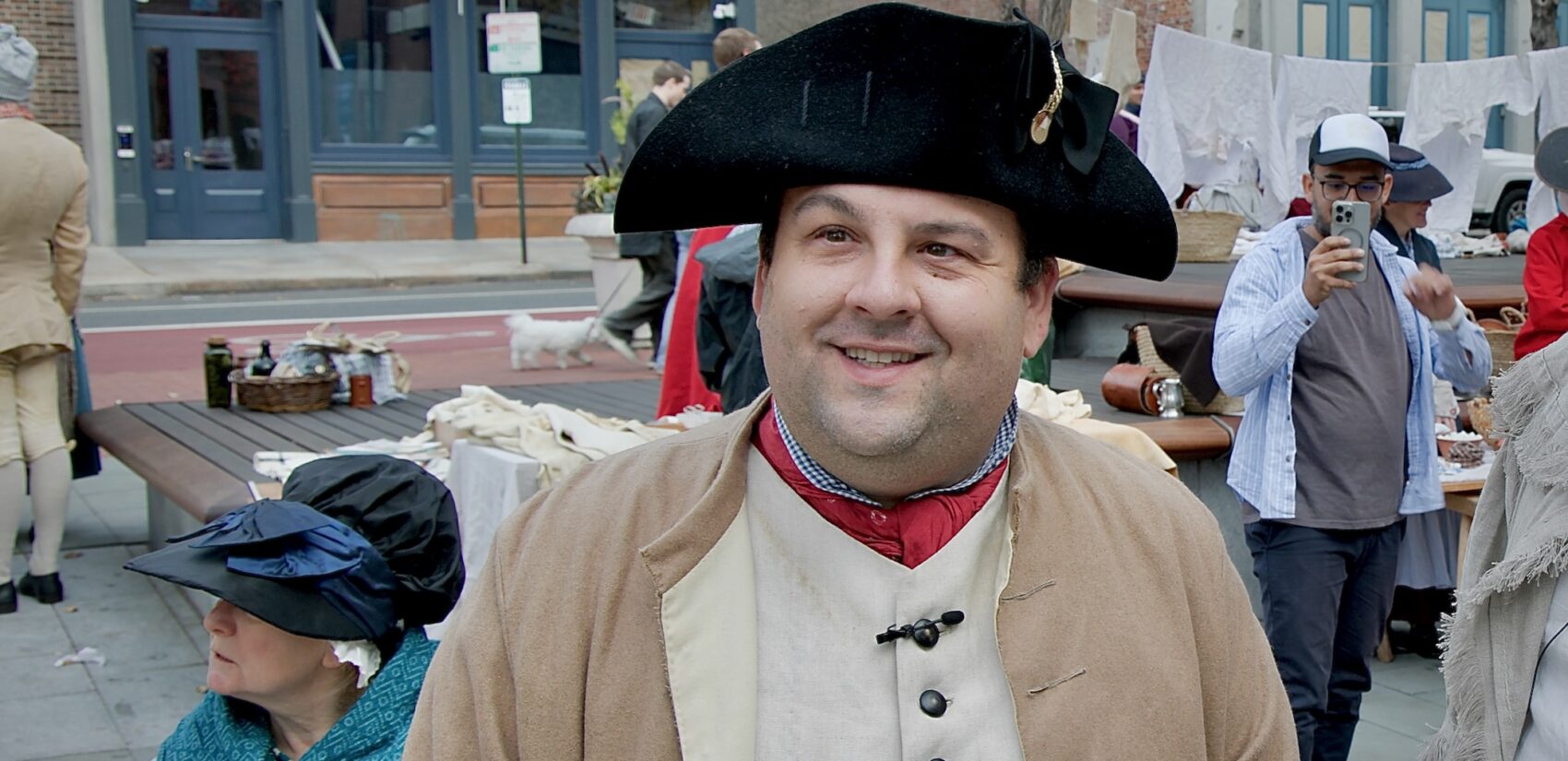
White Eyes first went to the British to secure land rights. After the brief Lord Dunmore’s War, or the Shawnee-Dunmore War, between the colony of Virginia and the Shawnee-led tribes of the Ohio Country, White Eyes negotiated with the British governor of Virginia, Lord Dunmore, a preliminary agreement that Lenape land would be recognized by King George III as sovereign territory.
But when the “shot heard ‘round the world” rang out at Lexington and Concord in 1775, all deals were off. White Eyes determined that an agreement with the rebels, not the crown, was his best bet.
“Americans often think about the American Revolution as good versus evil. They think about it as a war between two sides,” said Scott Stephenson, president and CEO of the Museum of the American Revolution.
“If they think about native people at all, they probably think they sided with one side or the other,” he said. “They’re ultimately most interested in their sovereignty and independence. They are all fighting their own wars of independence.”
The Lenape leader knew the colonists were walking a tightrope, needing military help from Native Americans to defeat the British while also intending to encroach on their territories once the war was over.
White Eyes did not stop at land rights. He pushed Congress to make the Ohio Lenape the 14th state, represented by a seat in Congress.
And he got it. Sort of.
Related Content
The remains and stories of Native American students are being reclaimed from a Pennsylvania cemetery
The latest round of exhumations of Native American students from a cemetery at the former Carlisle Indian Industrial School resulted in the remains of 17 being repatriated.
12 months ago
The function of fashion
Indigenous people knew that politics start with what you wear. Just as colonists and European traders would enter tribal territories wearing clothes similar to the native locals, Native Americans would enter urban Philadelphia wearing cosmopolitan western clothes, including ruffled shirts, buckled shoes and three-cornered hats.
Indigenous delegates sometimes wore a mixture of western and Native clothing to signal they have a foot in both worlds.
“White Eyes dies in 1778 and we actually have the inventory of what he owned,” Meinert said. “Part of what he owned were several sets of what we would call European or white people clothing, a pair of leather breeches; and what we would call more traditional Indian dress, leggings, a matchcoat.”
White Eyes also owned a King George III Medal of Peace, a replica of which Huff wore as part of his historic interpretation.
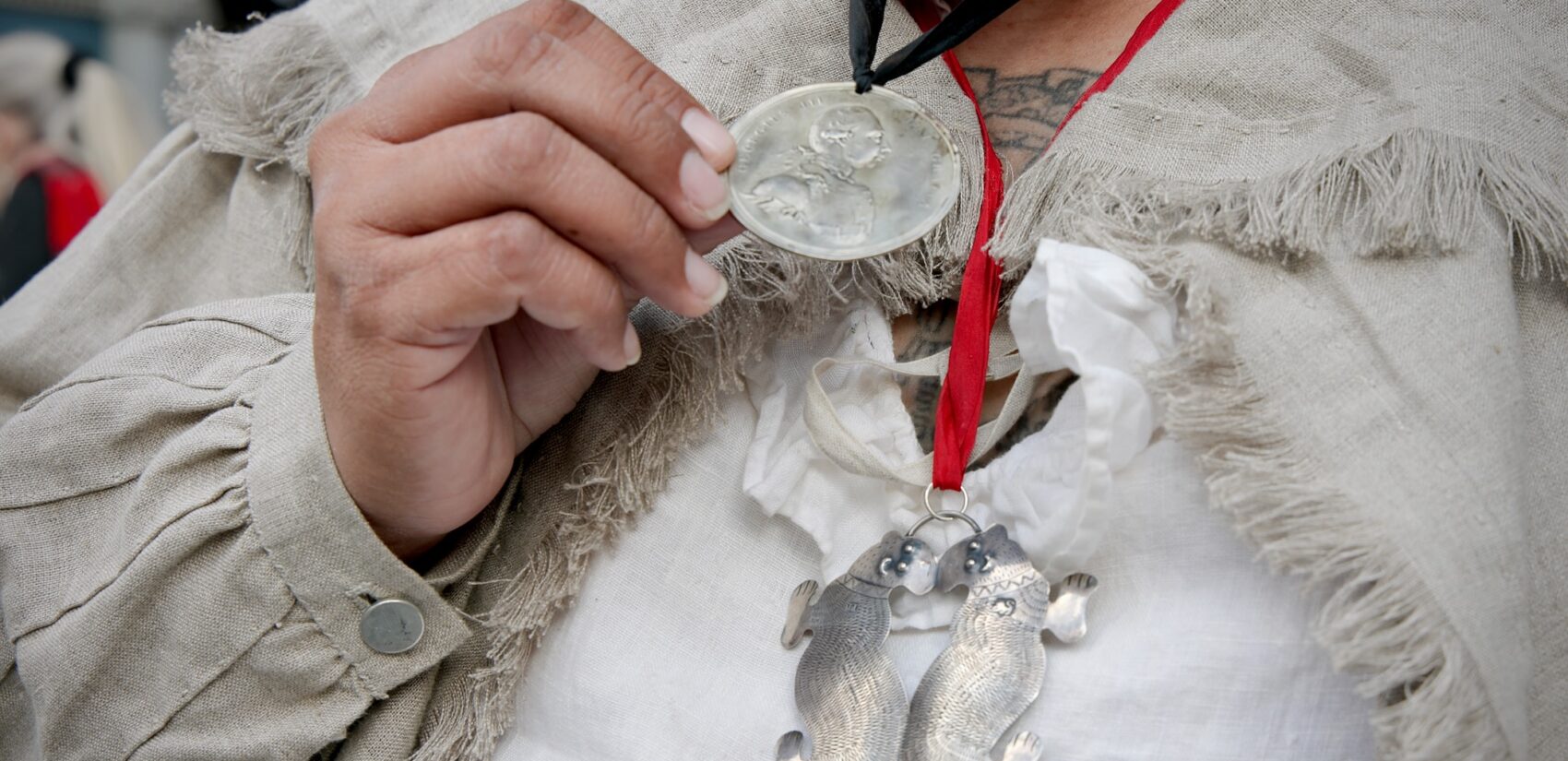
The British government typically gave the medal to entities with whom it wanted to curry favor. Meinert said it is not known when or how White Eyes got the medal, but it is suspected to be an offering to secure a Lenape alliance with the crown.
“It would be funny to think he’s addressing Congress while wearing that King George III peace medal,” Meinert said.
Huff also wore a rough hunting shirt as part of his White Eyes ensemble. The hunting shirt was another politicized garment that signaled which part of the war you were aligned with.
Colonists on the western frontier of the colonies typically wore hunting shirts, becoming the de facto uniform for ragtag militias forming against the British. Early on, Indigenous people avoided wearing hunting shirts as it made them a target for British forces.
“But just a few years later, now everybody’s wearing them,” Meinert said. “‘Hey, we got to wear this to be patriots with our fellow Americans.’”
Related Content
Princeton University Library marks America’s 250th with Revolutionary War artifacts and stories
Among the artifacts are copies of the Declaration of Independence and U.S. Constitution, as well as a cannonball.
9 months ago
Listen 1:13A web of alliances and feuds
White Eyes appeared before the Continental Congress in 1776 to deliver a speech proclaiming his wish to form an alliance with the patriots.
“I will apprize you of everything that passes in the Indian Country,” White Eyes told the founders at Independence Hall, promising to be their eyes and ears in Ohio Country, according to a transcript of his speech.
“We much fear the Mingos will do us and you some mischief,” he said. “Let us both guard against it.”
The Mingo refers to a faction of people from various Iroquois nation tribes who settled near the Ohio River, with whom the Ohio Lenape often clashed. White Eyes’ speech acted as his own declaration of independence from the Six Nations of the Iroquois Confederacy.
Coincidentally, in his speech White Eyes namedropped an ancestor of Huff. The Lenape chief apologized for the behavior of the Seneca chief, Guyasuta.
“I am sorry for my Uncle Guyasuta, as he will sometimes tell lies,” White Eyes said in his speech. “Tho his heart is well disposed towards the white people.”
“Guyasota was my uncle from back then,” Huff said. “White Eyes tries to bring some neutrality among the Delaware people, but he also says that those Mingos and Guyasota — he says by his name — those people might not be so friendly to you.”
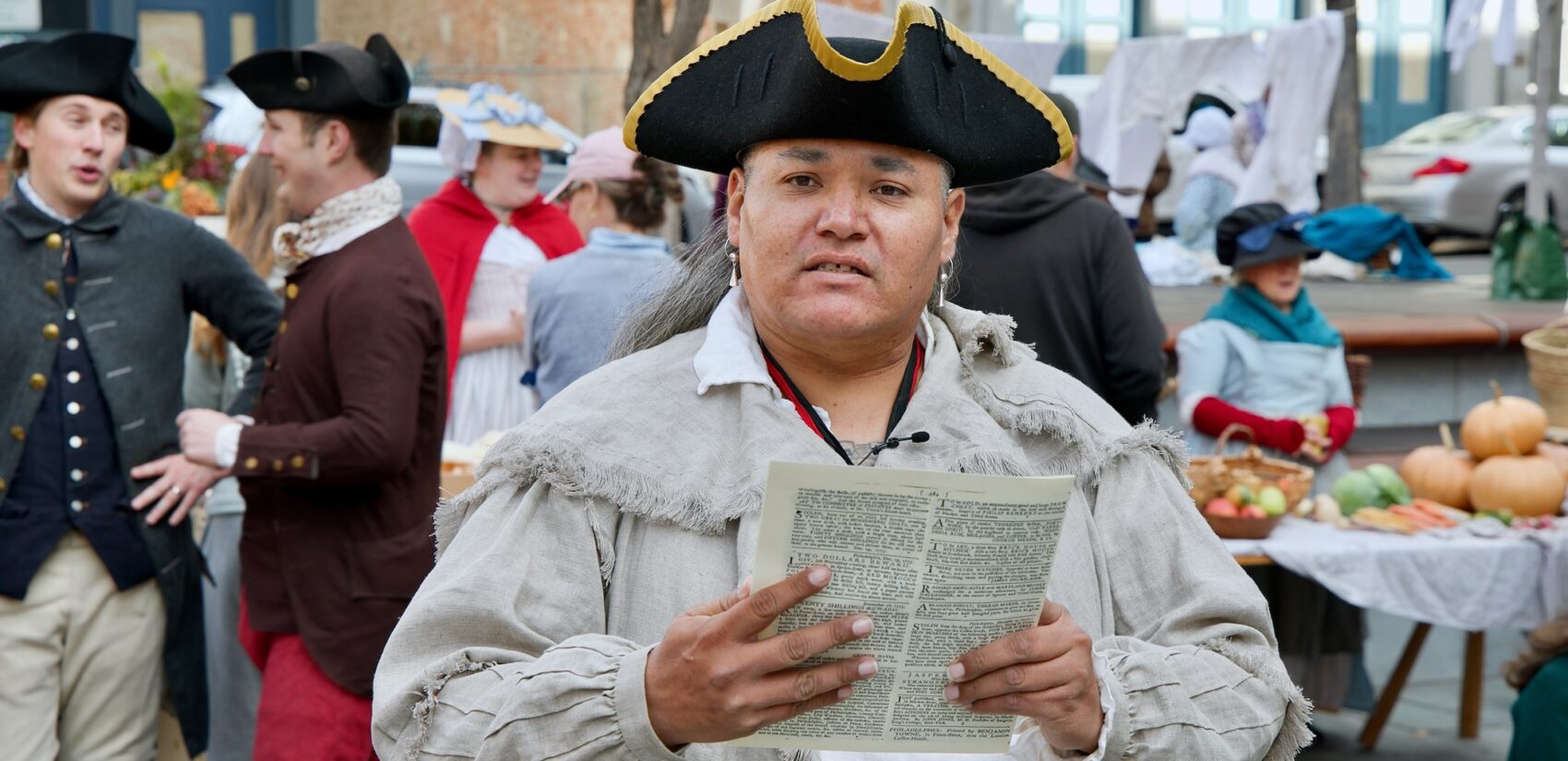
Huff found himself appearing at the Museum of the American Revolution dressed as a historic figure who mad-mouthed his own ancestor.
“It happens,” he said.
Related Content
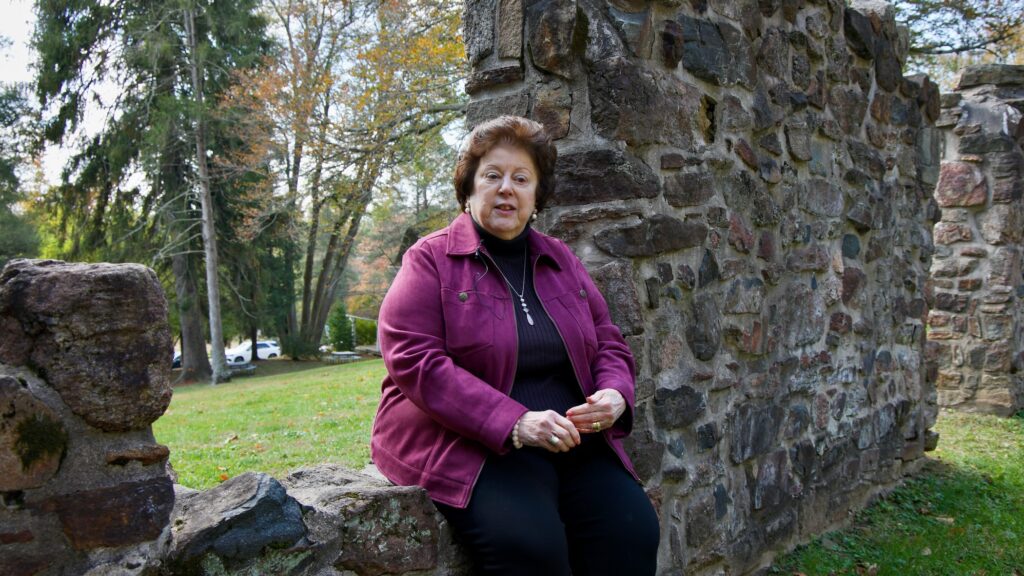
Chester Springs preserves the site of the only military hospital built during the Revolutionary War
While George Washington’s army waged war against Britain, Yellow Springs Hospital fought a deadlier enemy: contagious disease.
10 months ago
Listen 3:39A short-lived treaty
White Eye’s appearance at Independence Hall came to fruition two years later with the Treaty of Fort Pitt between the Lenape and U.S. delegates that gave White Eyes what he wanted. In exchange for support of American military operations in the Ohio Valley, the Lenape would be recognized as the 14th state and given a seat in Congress.
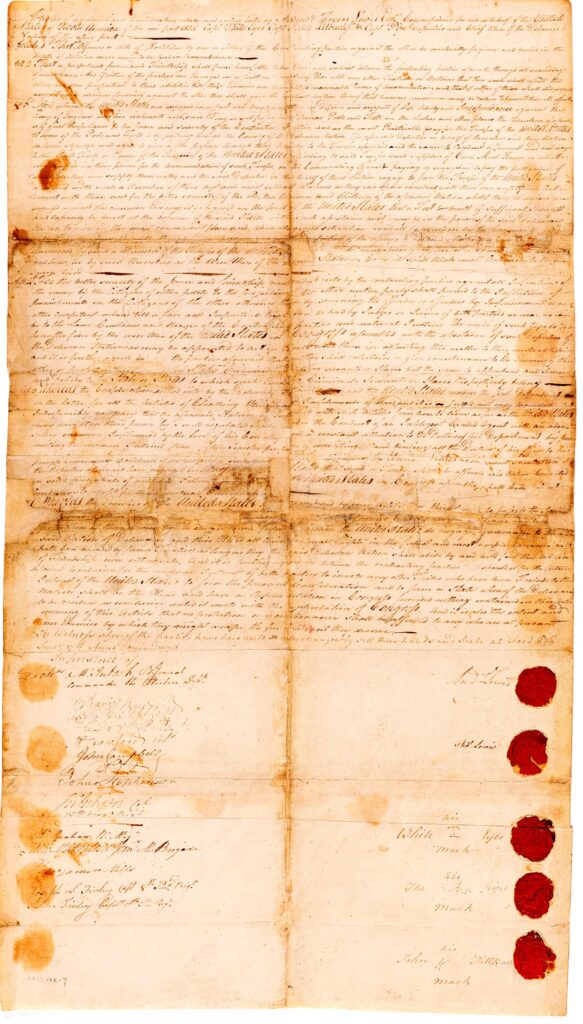
But the treaty was never ratified by the full Continental Congress. Shortly after it was signed White Eyes died, suspected of being murdered by an American militia. The relationship between the U.S. and Lenape quickly broke down and the agreement was ultimately abandoned.
“The great tragedy for the Delaware people is that all of those groups, no matter which strategy they chose, ended up the same,” Stephenson said.
After the collapse of the Treaty of Fort Pitt, the Delaware people scattered through migrations and forced removals. Today, there are six recognized Delaware nations in Oklahoma, Wisconsin and Ontario.

Get daily updates from WHYY News!
WHYY is your source for fact-based, in-depth journalism and information. As a nonprofit organization, we rely on financial support from readers like you. Please give today.
Part of the series
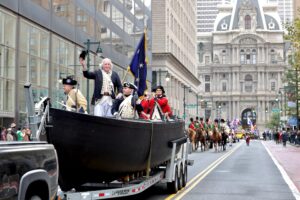
Philadelphia 250
The United States is marking its semiquincentennial — or its 250th anniversary — in and around the City of Brotherly Love.
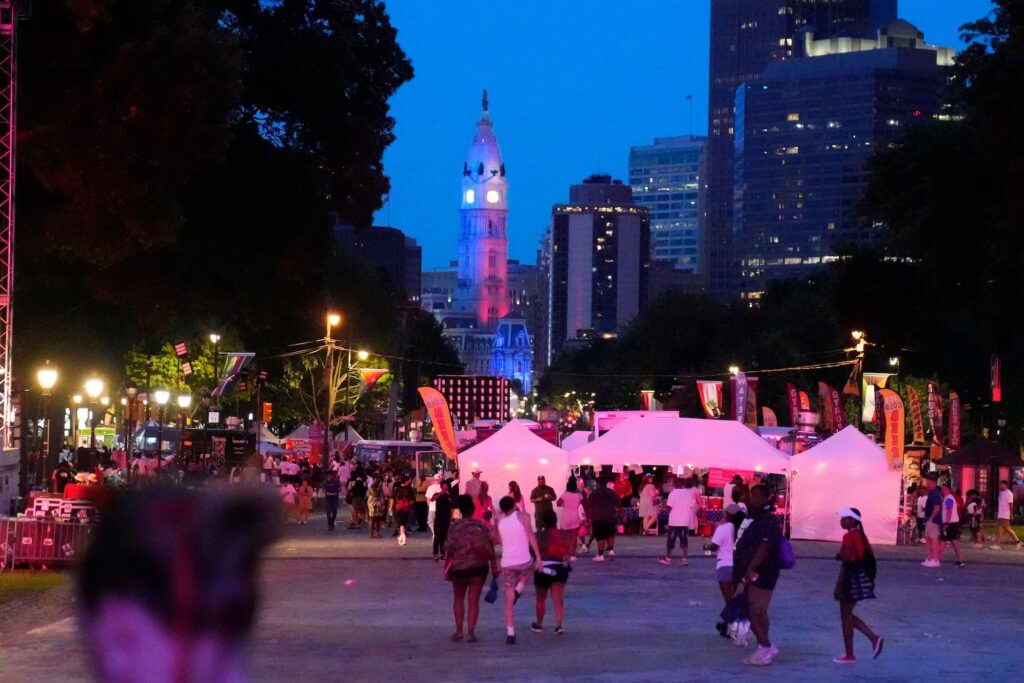
After days of oppressive heat, thunderstorms cut Philly’s July 4th concert short
After storms forced attendees to evacuate, the concert resumed around midnight with a shortened performance by The Roots, followed by fireworks.
4 months ago
Listen 0:55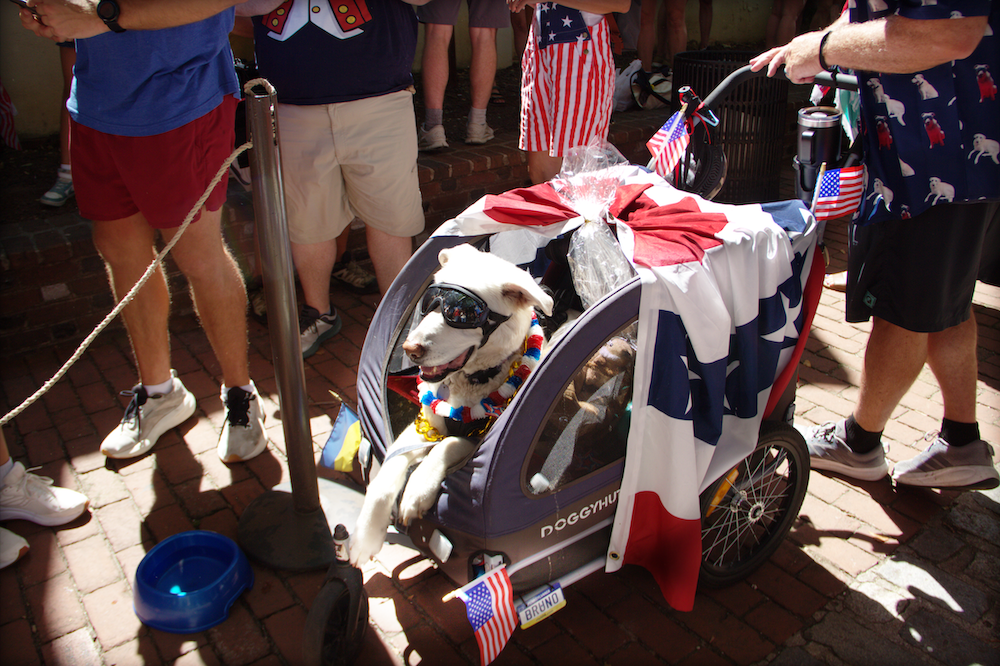
Patriotic Pet Parade at Betsy Ross House in Old City celebrates America’s 250th birthday
The competition boasted 22 pets donning a range of red, white and blue attire.
4 months ago
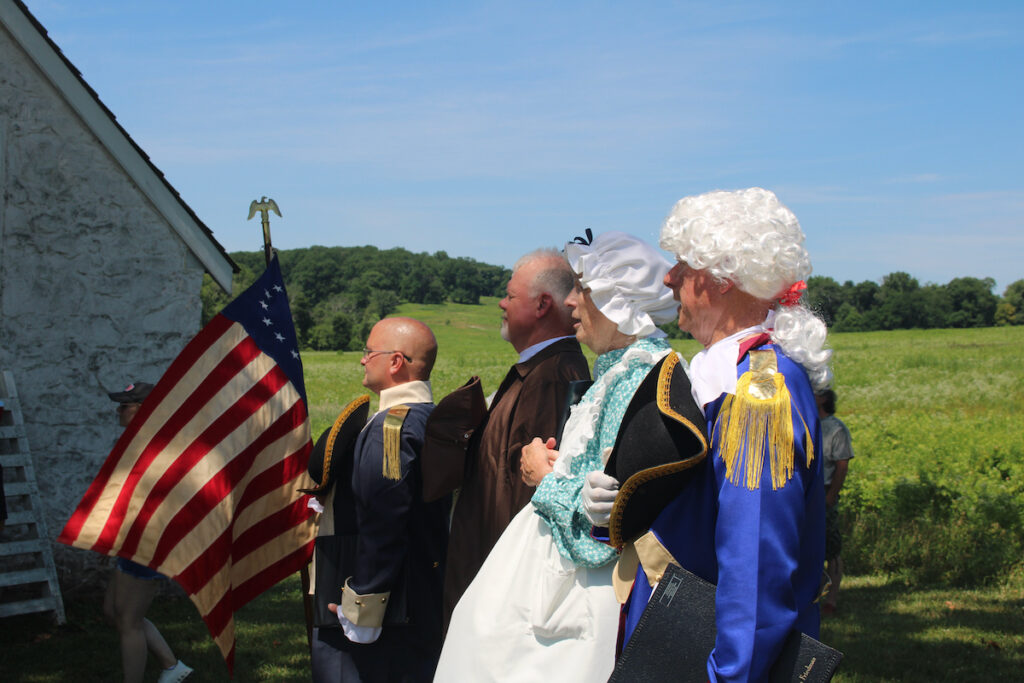
Valley Forge National Historical Park, born on the Fourth of July, celebrates America250
The pivotal Revolutionary War site in the Philly suburbs hosted hundreds of people for live readings of the Declaration of Independence, a cannon fire demonstration and more.
4 months ago
Listen 1:45