

A New Jersey nonprofit is teaching teens about filmmaking, while offering practical support as well
The James R. Halsey Foundation of the Arts offers food and clothing assistance and provides counseling to help kids flourish.

From Camden and Cherry Hill to Trenton and the Jersey Shore, what about life in New Jersey do you want WHYY News to cover? Let us know.
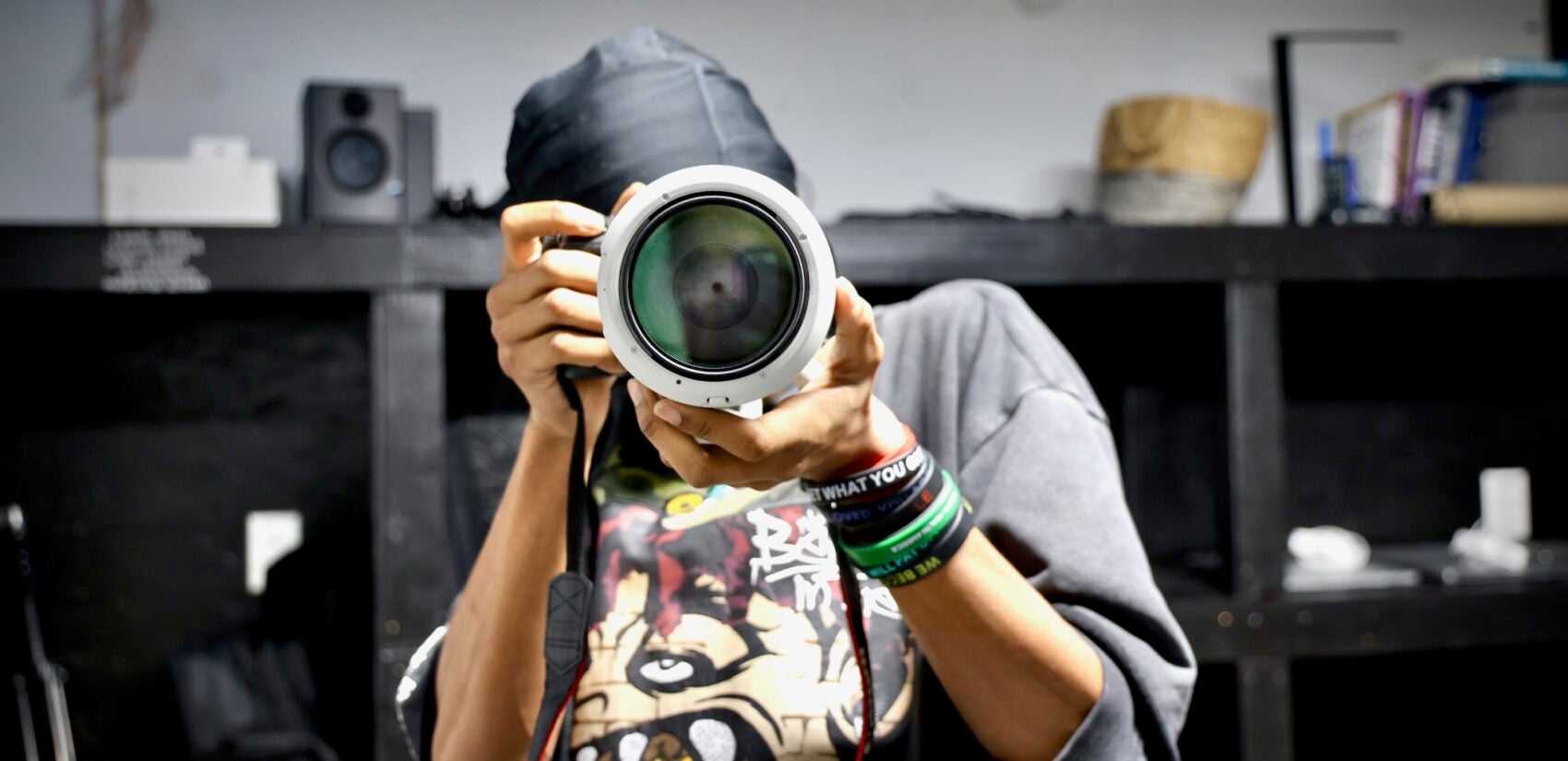
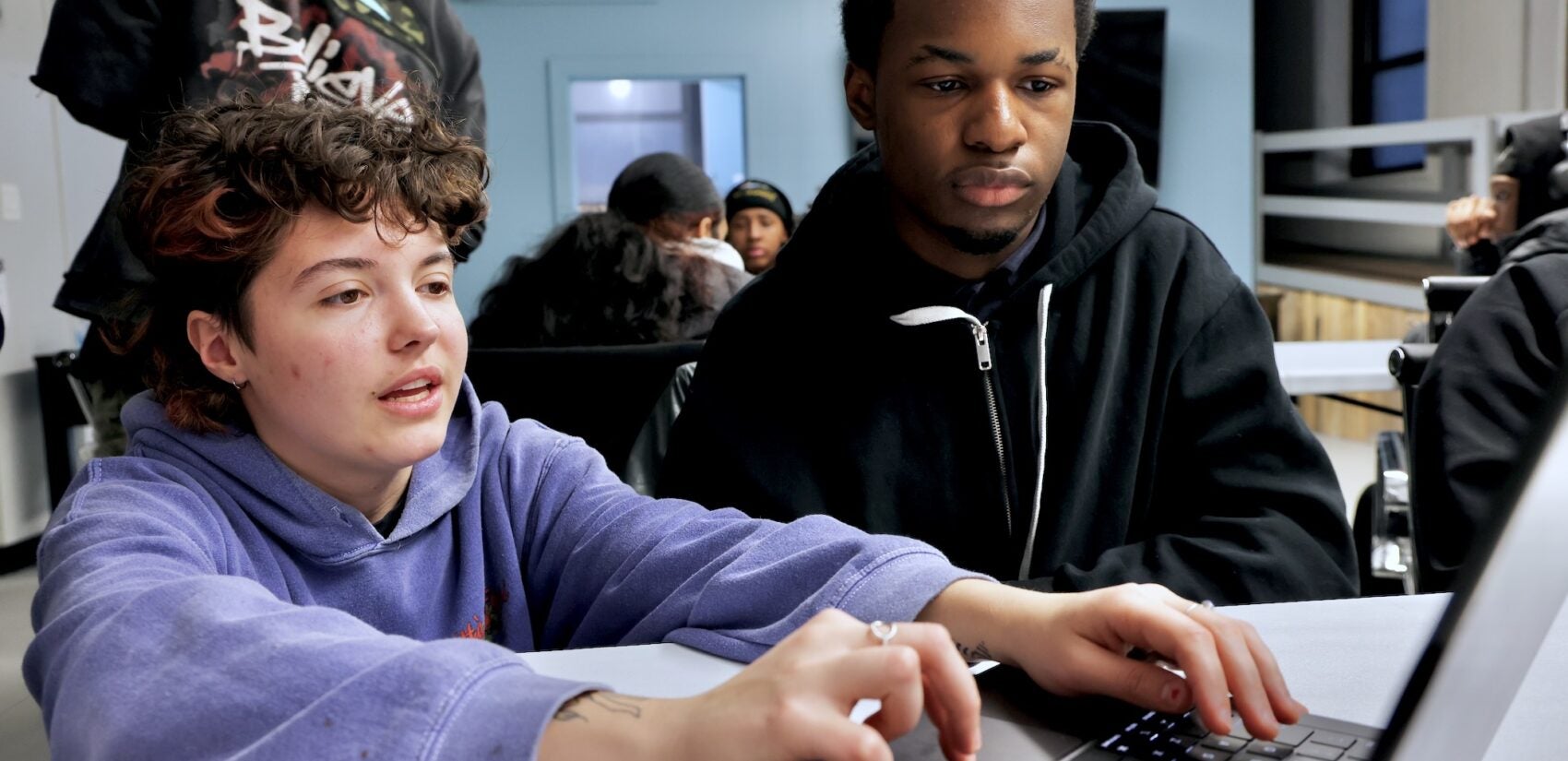
Musheer Daniel, of Trenton, first heard about the James R. Halsey Foundation of the Arts, or JRH Foundation, in Mercer County, New Jersey, four years ago when he was 13. He said while attending the after-school program, he learned all about filmmaking, and it’s completely changed his life.
“The world has a lot to offer, as long as you’re willing to take it, as long as you’re willing to go out in the world and explore and find those opportunities, the opportunities don’t always come to you, I’m happy this one did,” he said. “I’m grateful and I appreciate it because I love it here.”
After Trenton native Joseph Halsey completed a documentary film about fixing problems in the capital city, he decided to create a foundation in 2017 that would be dedicated to helping develop the lives of young people.
He said the James R. Halsey Foundation of the Arts is named after his father, who as a Little League coach, believed in creating a team with kids that other coaches didn’t want, and teaching them that they had different strengths and abilities to accomplish anything they wanted.
“That was a good example for what we were trying to build here, we’re here to find what your strengths are and exploit them,” he said.
Helping change lives
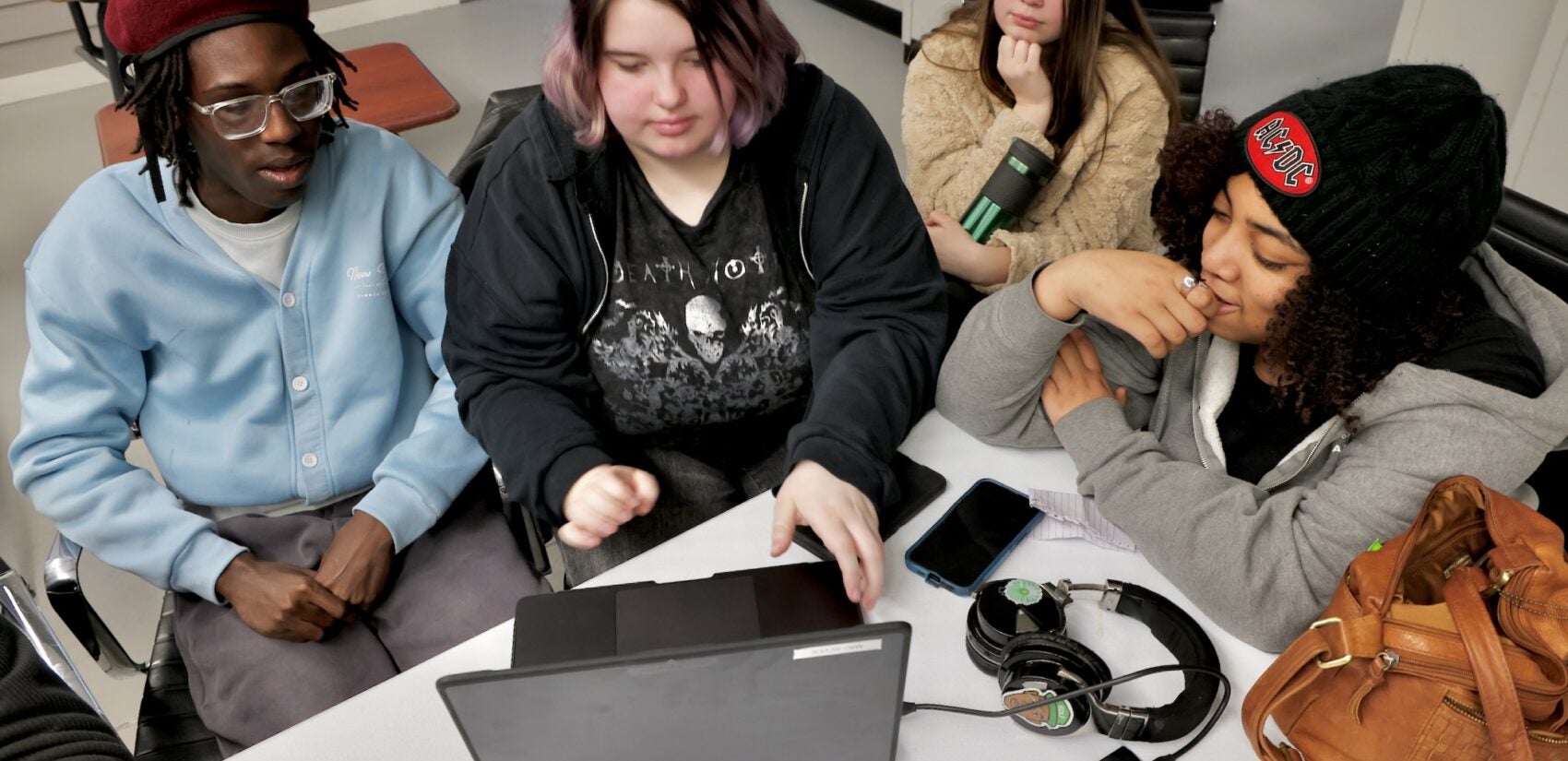
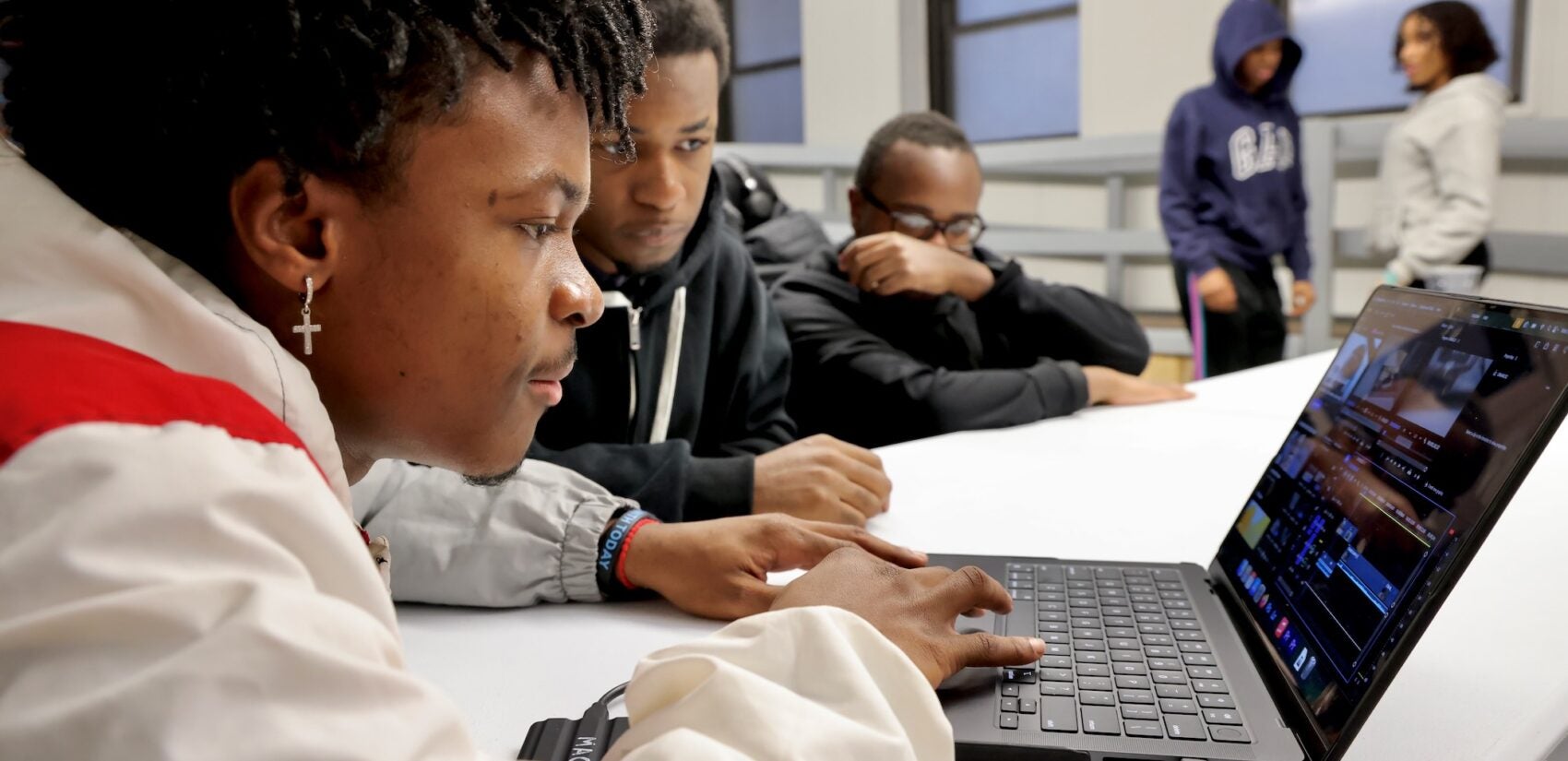
The JRH Foundation teaches teens about cameras, sound equipment, script and monologue writing, music videos and acting, but it’s about more than making movies.
“We offer 360 services to our kids,” he said. “You can’t work with young people nowadays without that. There are food insecurities and not just in Trenton, but everywhere. There’s clothes insecurity.”
He said trauma counseling is also available.
“They say you need a village, but really, you need an army,” he said. “These days being a teenager is really tough.”
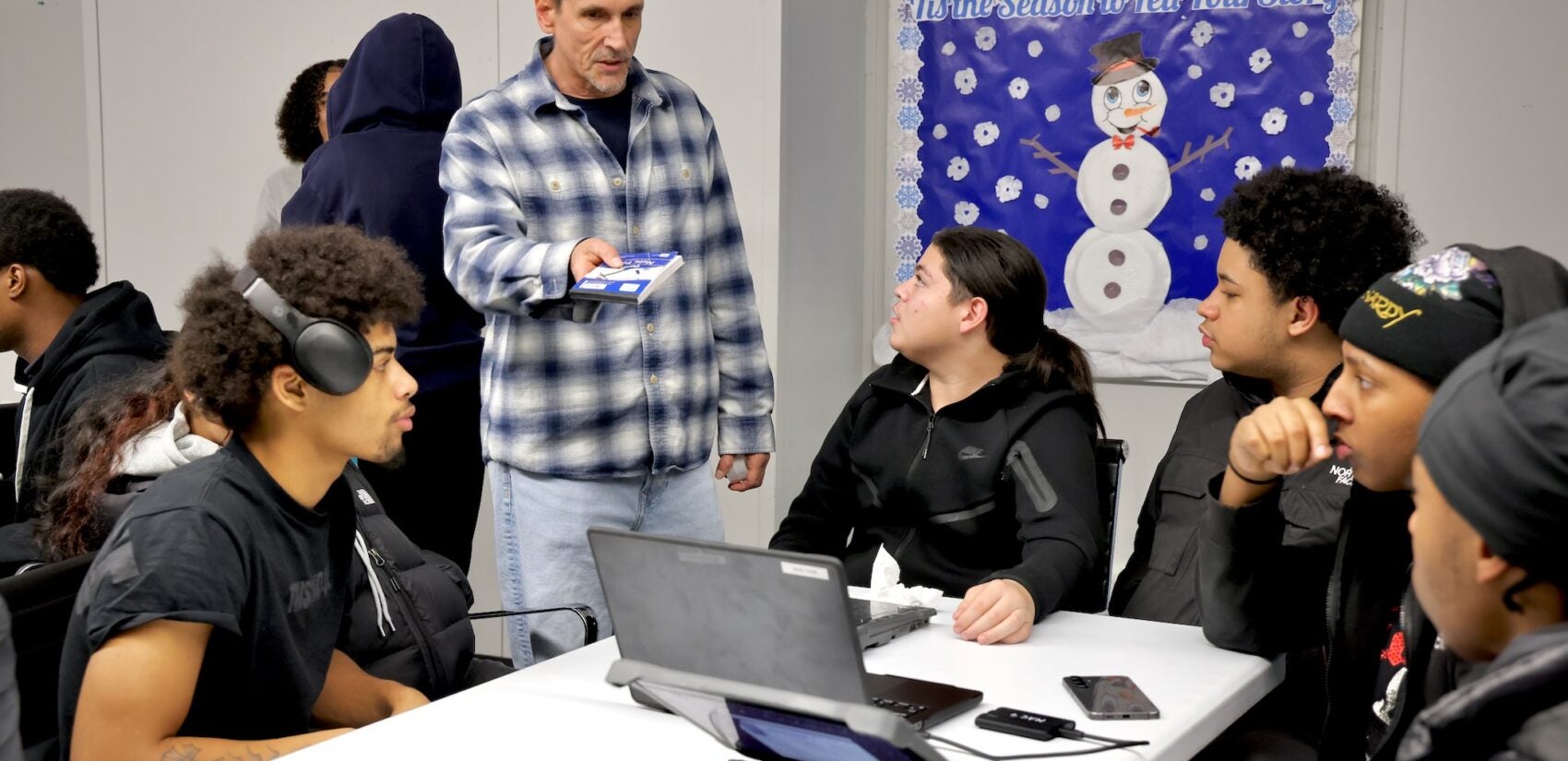
Halsey said that once students arrive from school, they will sit down and eat together because this may be their first or only meal of the day.
“My background is Italian, so sharing a meal is when you get all the real information. That’s when everybody relaxes and starts opening their mouths,” he said. “So that’s a good time to walk around and talk to everyone and see what’s going on in their lives.”
Related Content

At this South Jersey farm, a classroom rooted in the garden helps students grow skills for life
A culinary program uses adaptive tools and small classes to help students with a range of abilities and needs build confidence, connection and independence.
7 months ago
Listen 0:42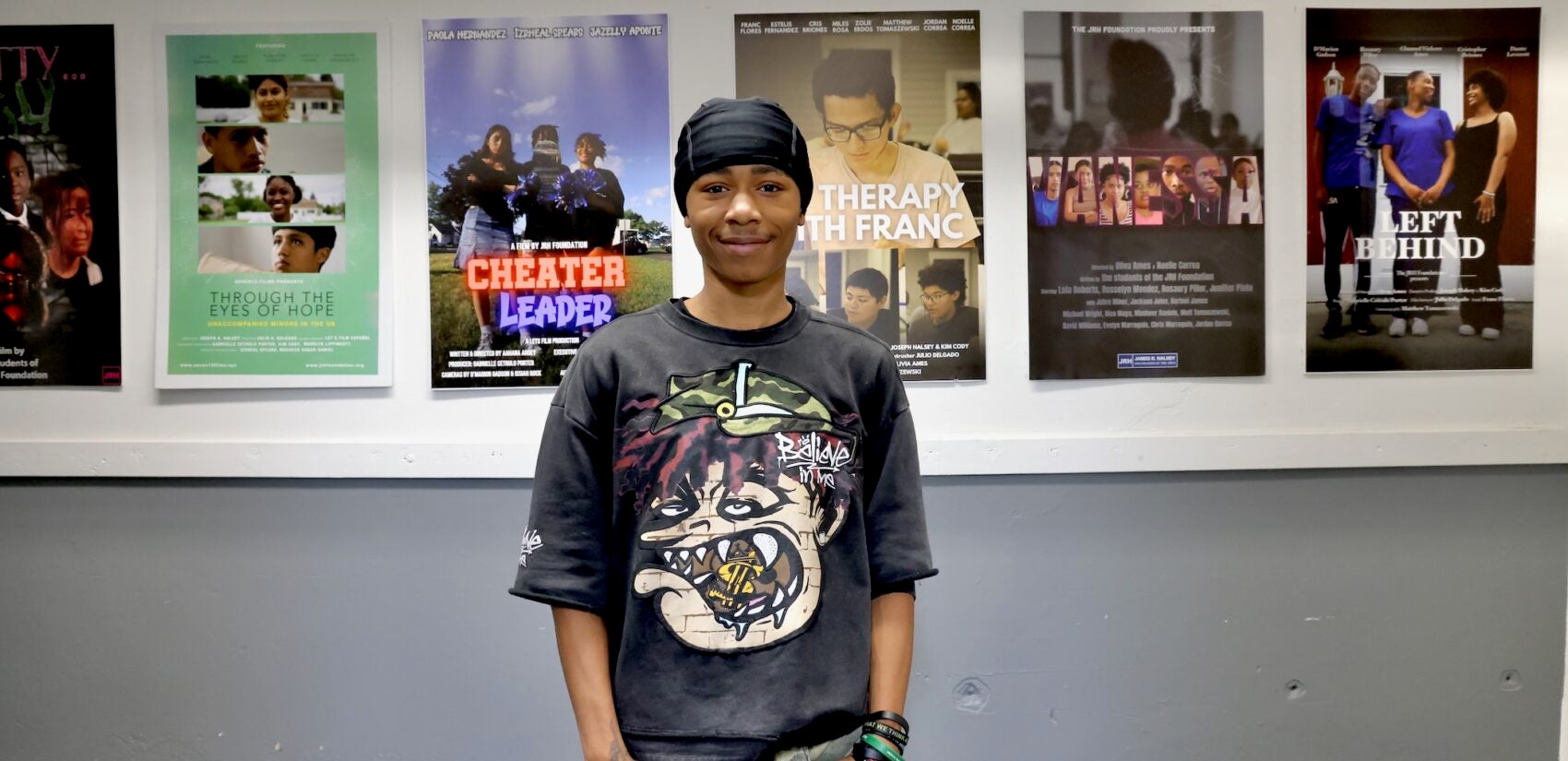
From September through June, a class of about 30 students works on different filmmaking projects at the foundation, usually from 4 p.m. until 7 or 8 p.m.
The program, which is offered at no charge, is supported by grants from different foundations and nonprofit organizations as well as corporate and community partnerships.
Halsey said by the end of the year the students will write, direct and produce one, and sometimes two original short films, running seven to 15 minutes in length. And many students wind up staying in the program for three to four years.
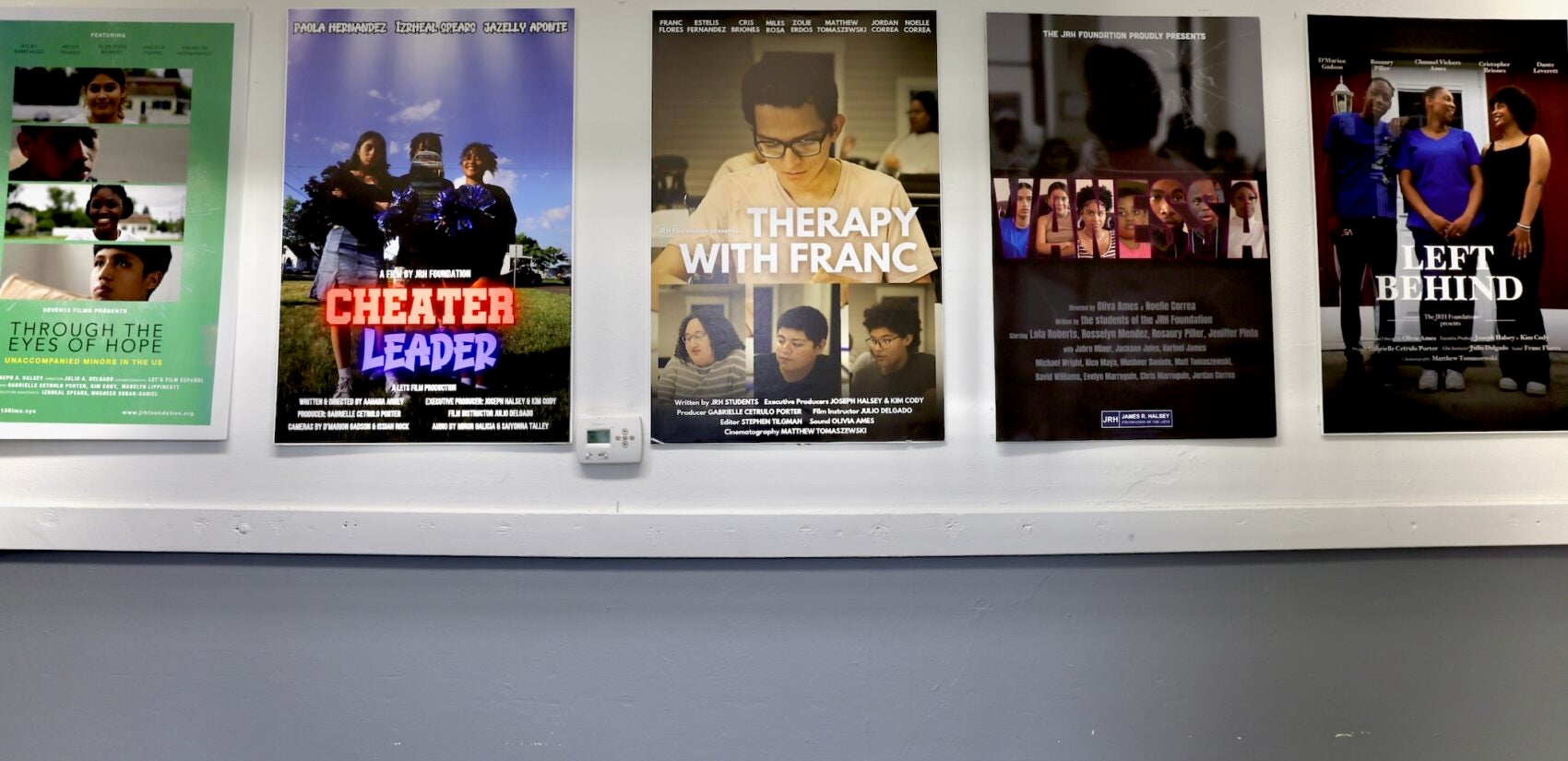
“Their movies are about being a teenager, bullying, recreation, problems at home, violence, all sorts of things,” he said. “One film, ‘Therapy with Frank,’ dealt with a student, Frank, sitting in the cafeteria hearing everybody’s problems, but nobody ever asked Frank what was going on with him.”
A student turned teacher
Noelle Correa was a student in the program when she was in high school. She’s now 21 and teaches filmmaking at the JRH Foundation.
“The program meant a lot to me, I could do filmmaking and it was free,” she said. “Also, the people here meant a lot to me and helped me out in many ways. It was a good place to come back to and give back to.”
Correa said it’s important to support students in different ways and be there if they need someone to talk to.
“It’s more than a film program, it’s like a little family that we have here, so it’s nice,” she said.
Most students live in Trenton, but some are from Hamilton and a few come from Burlington County. Many are from lower-income families, and they usually range in age from 14 to 22.
Daniel said living in Trenton can be difficult, but he has learned to embrace the challenge.
“Really, it’s all lessons learned,” he said. “You always have a choice to say yes or no, I don’t go around with the wrong people, I try to stay around people like me, you know, I want to keep moving forward.”
Halsey said some students in the program are on probation.
“Thanks to the Mercer County juvenile judge, they can serve their community hours here,” Halsey said. “What’s funny is you put them in the same room on a project, and they all work so well together.”
He said he had his own issues when he was a teenager.
“When I started getting into the arts it got me into a better orbit, I found value in myself, and I think a lot of people need the same thing and I’ve seen it happen here,” he said.
Halsey added that he wants to be that adult in the room when their parents aren’t around or the school can’t help out.
“That’s what we do,” he said. “We have to read the room a lot, we have to see who is going through what at what time.”
Related Content

Camden County builds $22 million supportive housing complex with 60 units for unsheltered residents
The McKernan Supportive Housing Community in Blackwood is slated to open by summer 2026.
7 months ago
Listen 1:35Spreading the word
“I’m responsible for going out in the community, promoting our programs,” said Tara Belford, director of programs and outreach. “I connect with area schools and nonprofit and community organizations that work with teens and young adults.”
She said at the end of the Let’s Film program every year, students, their families and community members get together, and the student films are premiered.
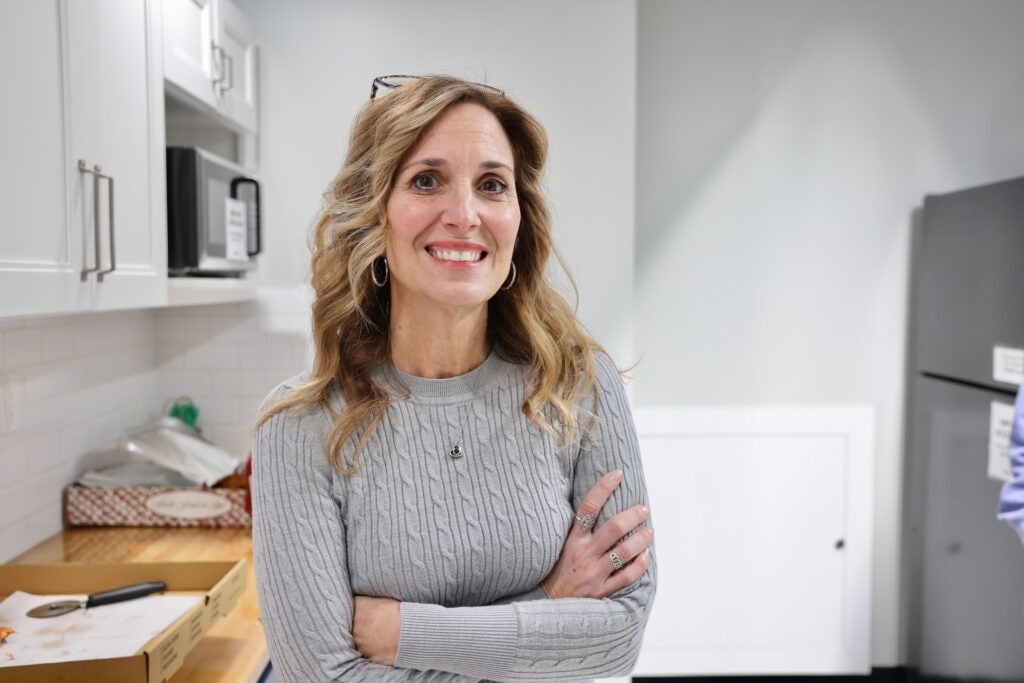
“It’s wonderful,” she said. “Students tell me this place feels like a second home for them, a place where they are accepted, they make new friends, build their confidence, it’s not just learning about filmmaking.”
She added students come to the program while dealing with things in their personal lives that they have trouble expressing.
“They do it through art, through film,” she said. “It’s cathartic, but it’s also blooming creativity, and once they do that you see all the other areas of their life improve, and I’m just lucky to see that done. It’s why I do what I do.”
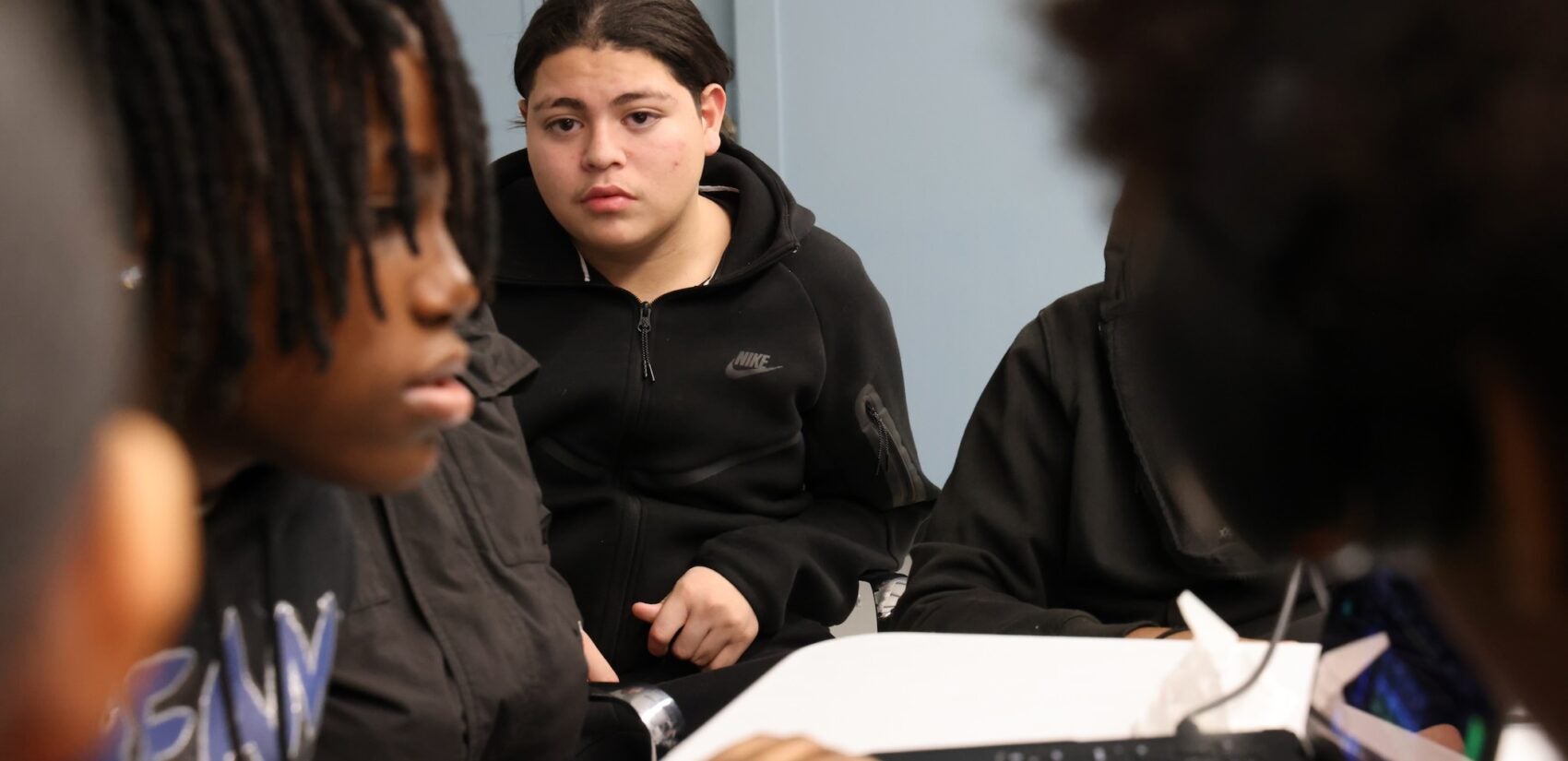
Fifteen-year-old Christopher Briones started coming to the JRH Foundation almost two years ago.
“I’m learning cameras, how to record sound, everything, it’s fun and valuable,” he said.
Briones agreed that the foundation is about more than filmmaking.
“They give advice, they gave me a lot of advice,” he said. “I can’t even remember all of it, but stuff like follow your dreams, all of it does help.”
-

Joseph Halsey shows off the sound booth he was able to install after recently moving his foundation to a former school building in Hamilton Township. (Emma Lee/WHYY) -
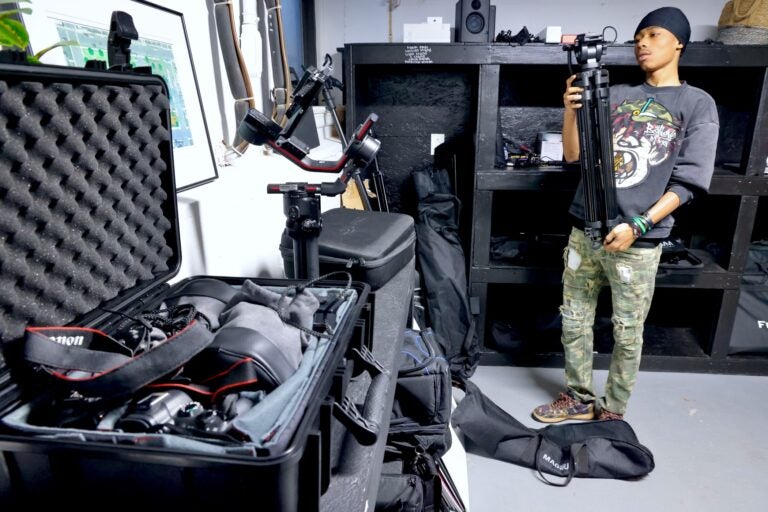
Musheer Daniel, 17, started in the Let's Film program when he was 13. He now knows how to use every piece of equipment in the storeroom and gets paid for his work. (Emma Lee/WHYY) -
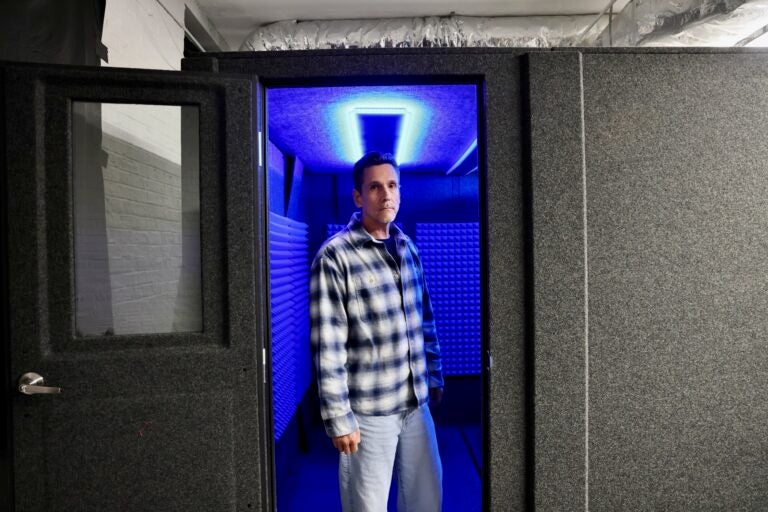
Joseph Halsey stands in the sound booth he was able to install after recently moving his foundation from Trenton to a former school building in Hamilton Township. (Emma Lee/WHYY)
Daniel said he’s working on several different films and public service announcements, and his plan for the future is to be employed in the filmmaking industry.
“I feel very positive about my future, I’m working on my future as we speak,” he said. “I’m in my head every day, I’m writing down my thoughts, short-term goals. How I can get there?”
Belford said many students in the Let’s Film program have gone on to study cinema in college.
“Because we’re such a new organization we’re just at the point where these students are now graduating and trying to pursue careers in the film industry,” she said.
During the summer, the JRH Foundation offers different programs about photography, music recording, acting and a filmmaking class for preteens.

Never miss a moment with the WHYY Listen App!


WHYY is your source for fact-based, in-depth journalism and information. As a nonprofit organization, we rely on financial support from readers like you. Please give today.

David Lynch has died. His cerebral filmmaking vision was shaped by Philadelphia
The surrealist who made “Twin Peaks,” “Blue Velvet” and “Lost Highway” got his start as a painter at Pennsylvania Academy of the Fine Arts.
1 year ago
Listen 1:47
Philly filmmakers want to disrupt Hollywood with the first zero-waste feature film
Shot in Fishtown, the film generated just 16 ounces of trash. A typical Hollywood film can produce a million pounds of waste.
3 years ago

Art All Night canceled in Trenton, again
The popular 24-hour art festival has been hit by a series of tragedies and snags since 2018. Organizers are determined to keep it going.
3 years ago