

More than half of Pennsylvania waterways contain fecal bacteria during parts of the year, report says
Environmentalists say contaminated waterways in Philadelphia are caused by raw sewage overflows.
Listen 1:19
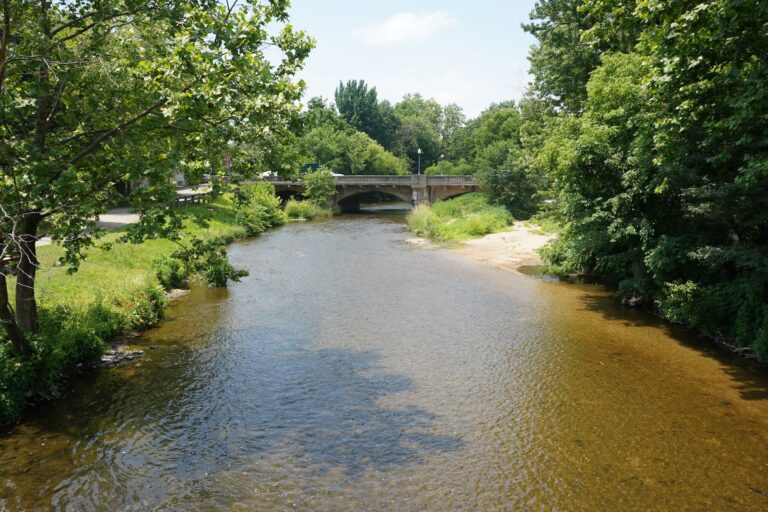
East Brandywine Creek in Chester County, Pa. (Kenny Cooper/WHYY)
This story is part of the WHYY News Climate Desk, bringing you news and solutions for our changing region.
From the Poconos to the Jersey Shore to the mouth of the Delaware Bay, what do you want to know about climate change? What would you like us to cover? Get in touch.
Several Philadelphia-area rivers and creeks fail to meet goals of the federal Clean Water Act for swimmable waterways, according to a new report from PennEnvironment.
Fecal bacteria pollution detected in waterways like the Delaware River and the Brandywine Creek mean water recreation is unsafe during many days of the year, the report says.
“The concern is that when folks are swimming or participating in other recreational activities in contaminated water, whether that’s paddling, whether that fishing, whether that’s letting their dogs wade into the creek, then you’re coming into contact with water that can get you sick,” said Stephanie Wein, clean water and conservation advocate for the PennEnvironment Research and Policy Center.
PennEnvironment evaluated federal and state water quality reports at 653 locations across Pennsylvania rivers, streams and lakes between 2024 and 2025. The environmentalists found potentially unsafe contamination levels on at least one day at about 55% of the sites.
Almost 40% of the areas tested had potentially unsafe levels of fecal contamination on at least one-quarter of the days on which testing took place.
Along the Philadelphia section of the Delaware River, E. coli frequently exceeded unhealthy levels. The environmentalists point to combined sewer overflows as the cause of the contamination.
Swimmable waterways have long been the goal of the Clean Water Act, passed in 1972. But more than 50 years after its passage, older industrial cities such as Philadelphia struggle to reach that level of cleanliness because of outdated sewer systems.
Unlike modern infrastructure, which utilizes separate piping systems, older sewer systems send stormwater and sewage through the same underground pipes.
During heavy rain, these older systems can overflow, spilling raw sewage into the region’s rivers and streams.
Concerning levels of bacteria were also reported at the base of the Schuylkill River and the Northeast Philadelphia section of Pennypack Creek.
In comparison, most of Bucks County, the Lehigh Valley and the Poconos region meet health-based water quality standards, according to PennEnvironment.
The Brandywine Creek in Chester County, which is often used for kayaking and tubing, contained E. coli that exceeded levels set by the U.S. Environmental Protection Agency to guide no-swim orders on one of the five days tested in 2024 and 2025.
Swimming in water contaminated with E. coli can cause gastrointestinal illness, as well as respiratory disease, ear and eye infections, and skin rashes.
Related Content
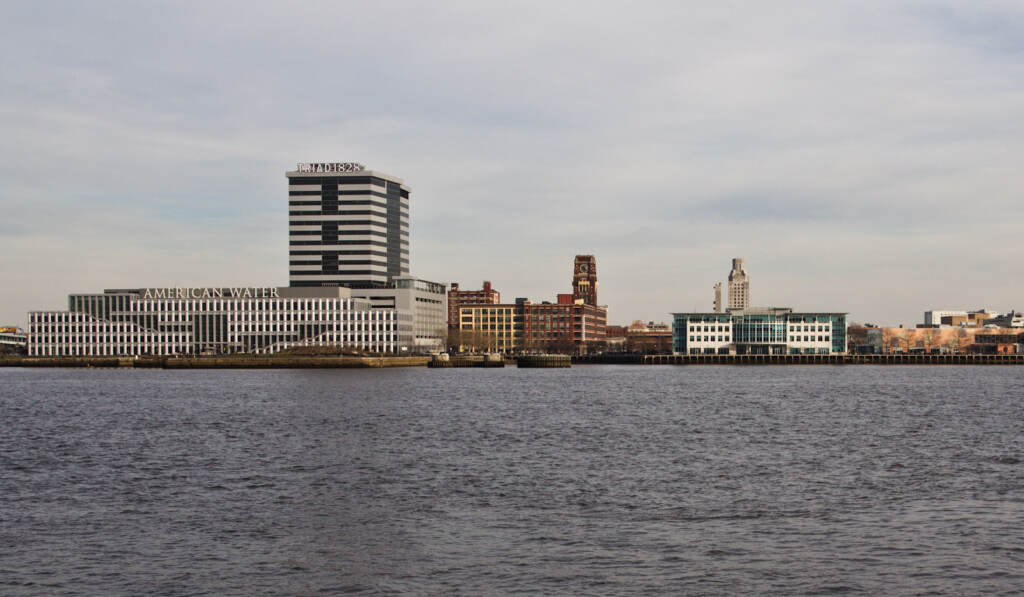
Millions of gallons of raw sewage spill into Camden County’s waterways each year
The Cooper and the Delaware rivers often contain fecal bacteria levels that make it unsafe to swim, fish or even kayak in.
11 months ago
Listen 1:19Reducing sewer overflows
In 2011, the Philadelphia Water Department launched a 25-year plan, known as Green City, Clean Waters, to reduce the amount of sewage entering the city’s waterways by using green infrastructure and expanding stormwater treatment capacity. The water department said it has reduced so-called “combined sewer overflow” volumes by more than 3 billion gallons annually, which it said exceeds regulatory targets.
Prior to the federal Clean Water Act, the Delaware River between Trenton and Philadelphia supported virtually no life at all. More than 50 years ago, regulations requiring facilities to treat wastewater before discharging it changed what was once a “stinky, ugly mess” into a place where hundreds of thousands visit its urban shorelines each year.
Treatment plants along the Delaware and Schuylkill rivers provide clean drinking water to about 15 million people. Swimming and kayaking are permitted in much of the Upper Delaware River, which is regulated by the Delaware River Basin Commission.
However, urban parts of the Delaware River and its tributaries are still too polluted to swim in. Residents are unable to swim or kayak in a 27-mile stretch of the river from south of Trenton, New Jersey; past Philadelphia and Camden, New Jersey; to Chester, Pennsylvania.
Even if water quality reaches a point that allows swimming, there are parts of the Delaware and Schuylkill rivers that will never be safe for swimmers due to currents and tides.
Contaminated waters not only prevent people from recreating in the water the day after a heavy rain event, but they also impact quality of life, said Lucia Osborne, Delaware Bayshore program director for the American Littoral Society.
“After a combined sewer overflow, it stinks. There’s human waste being dumped into the river, so when you just think about walking around your neighborhood, or going for a jog on the Schuylkill Trail, you don’t want it to smell terrible, you want to be able to enjoy your community,” she said.
Related Content
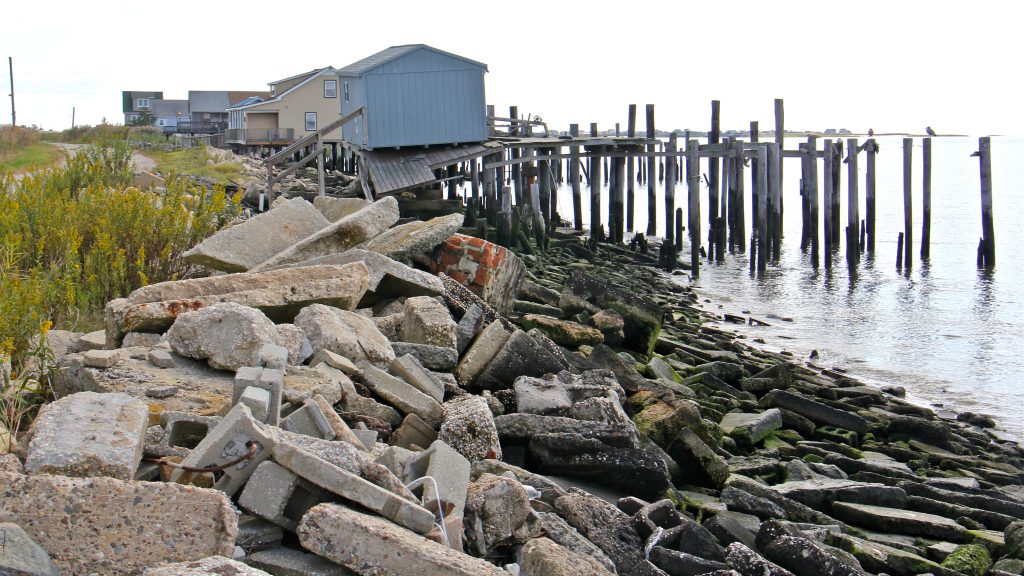
As sea levels rise, Philly and Camden are at risk of being inundated with raw sewage, study finds
With climate-related flood risk rising, cities are confronting outdated sewer systems that could result in sewage backing up into basements and streets.
2 years ago
Listen 1:18Environmentalists push for more funding
PennEnvironment is calling for increased federal and state dollars to fund projects that improve water quality. The U.S. needs at least $630 billion in wastewater and stormwater infrastructure improvements over the next 20, according to the EPA.
PennEnvironment said there are several affordable projects the city could consider, including installing nets at sewage outflows that catch solid, floatable waste.
Wein said a large percentage of combined sewer overflows in Philadelphia are isolated to 10 of the city’s more than 160 outfalls. She argues that focusing on improvements to those select outfalls alone would make a significant difference.
Philadelphia City Councilmember Jamie Gauthier said that while the city has made significant progress to prevent combined sewer overflows, additional steps should be taken.
“It’s not the first time that I’ve heard about our poop in the water problem. It’s very disgusting, and something that I think that our city should be trying to address more urgently, because it will be a huge benefit to Philadelphia when our waterways are clean enough for people to recreate more, to swim more,” she said. “People deserve to have access to our wonderful natural environment.”

Never miss a moment with the WHYY Listen App!


WHYY is your source for fact-based, in-depth journalism and information. As a nonprofit organization, we rely on financial support from readers like you. Please give today.
Part of the series
Watershed
Preserving Our Water: How we use our Delaware Watershed.
The project is funded by The William Penn Foundation.
Part of the series
Delaware’s Mt. Cuba Center touts the benefits of native goldenrods
Goldenrods are not to be confused with ragweed. These fall-blooming native plants don’t trigger allergies and insects love them.
5 days ago
Listen 1:23
A network of air quality monitors grows in a formerly redlined area of West Philadelphia
The network will provide residents of formerly redlined areas of West Philly and Harrisburg real-time info about the air they’re breathing.
1 week ago
Listen 1:07
In Philadelphia’s Eastwick neighborhood, plans for a temporary solution to flooding hit a snag
The issue with temporary HESCO-style flood barriers comes after a plan for a levee in Eastwick was deemed not viable.
2 weeks ago
Listen 1:07