

Delaware’s Mt. Cuba Center touts the benefits of native goldenrods
Goldenrods are not to be confused with ragweed. These fall-blooming native plants don’t trigger allergies and insects love them.
Listen 1:23
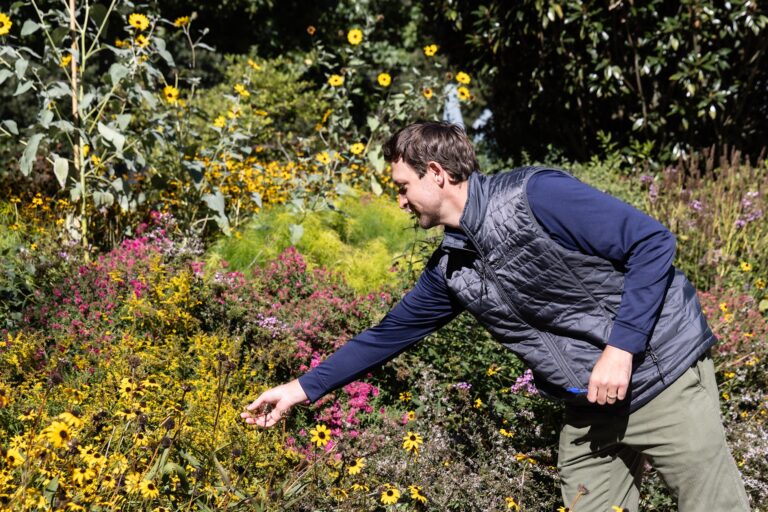
Mt. Cuba Center’s trial garden manager Sam Hoadley points out some blooming goldenrod in early October. (Kimberly Paynter/WHYY)
This story is part of the WHYY News Climate Desk, bringing you news and solutions for our changing region.
From the Poconos to the Jersey Shore to the mouth of the Delaware Bay, what do you want to know about climate change? What would you like us to cover? Get in touch.
The October morning sun shined brightly, casting a spotlight on a meadow filled with 4-foot tall plants topped with dense clusters of small yellow flowerheads that form a foot-long pyramid.
This field of Solidago speciosa, or “Showy Goldenrod,” filled a sprawling 1-acre meadow garden at Mt. Cuba Center in Hockessin, Delaware. The fall-blooming plants were radiant among black-eyed susans and warm season grasses.
“We are in goldenrod heaven right now,” said Sam Hoadley, manager of horticultural research at Mt. Cuba.
The botanical garden dedicated to native plants is working to dispel myths about the beautiful but misunderstood plant.
With their yellow fall flowers, they’re often falsely associated with allergy season, and people often confuse them with ragweed.
“Goldenrods, although they do have beautiful, yellow, showy flowers, and they’re some of the more eye-catching flowers that do occur during that late season, late summer, early fall period, when allergies can start to become an issue again, they are not actually the cause of seasonal allergies,” Hoadley said.
-
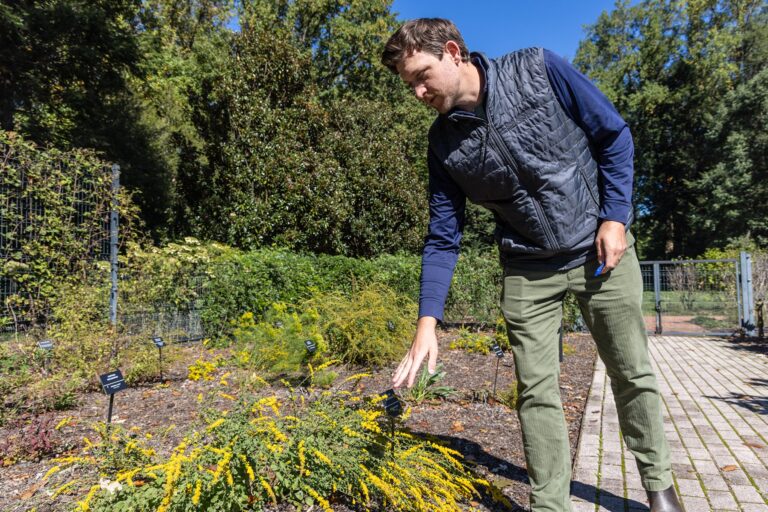
Mt. Cuba Center’s trial garden manager Sam Hoadley points out some blooming goldenrod in early October. (Kimberly Paynter/WHYY) -
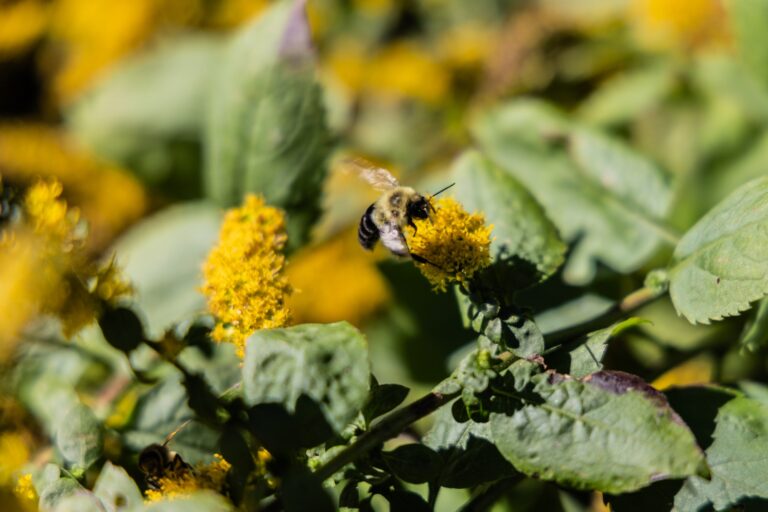
Insects like bees gather around the Golden Fleece goldenrod along the edges of the garden adjacent to the parking lot at the Mt. Cuba Center’s. (Kimberly Paynter/WHYY) -
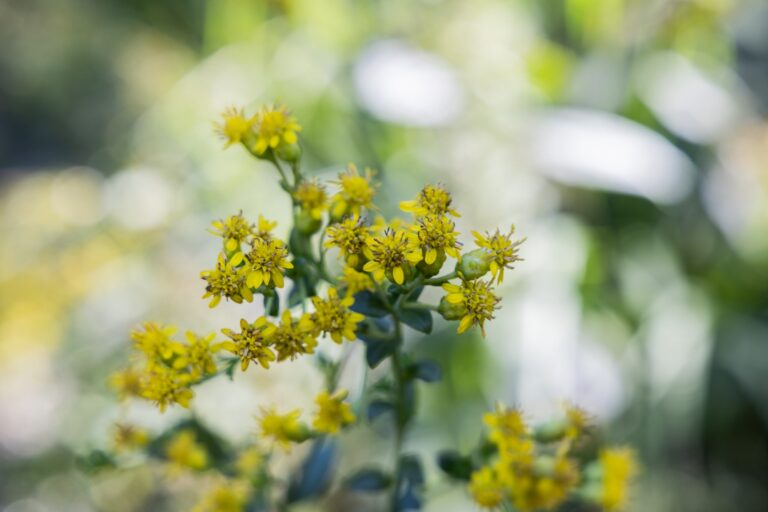
Southeastern bold goldenrod in the Mt. Cuba Center’s naturalistic meadow. (Kimberly Paynter/WHYY) -
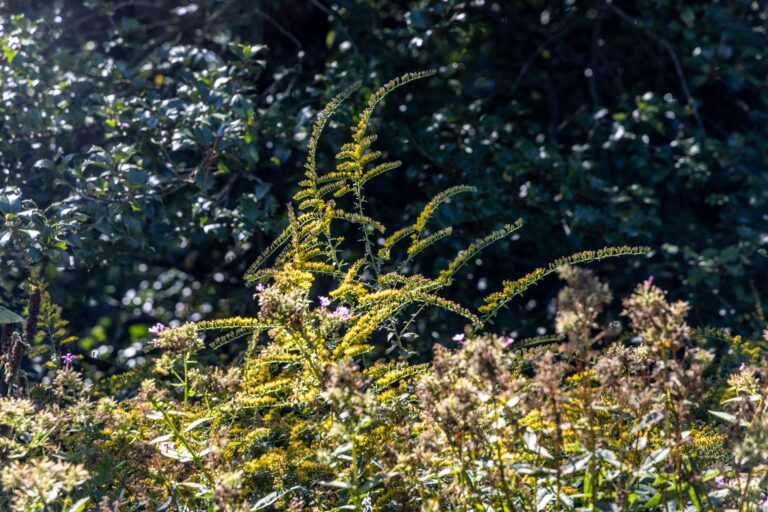
Fireworks wrinkle-leaf goldenrod as seen at the Mt. Cuba Center. (Kimberly Paynter/WHYY) -
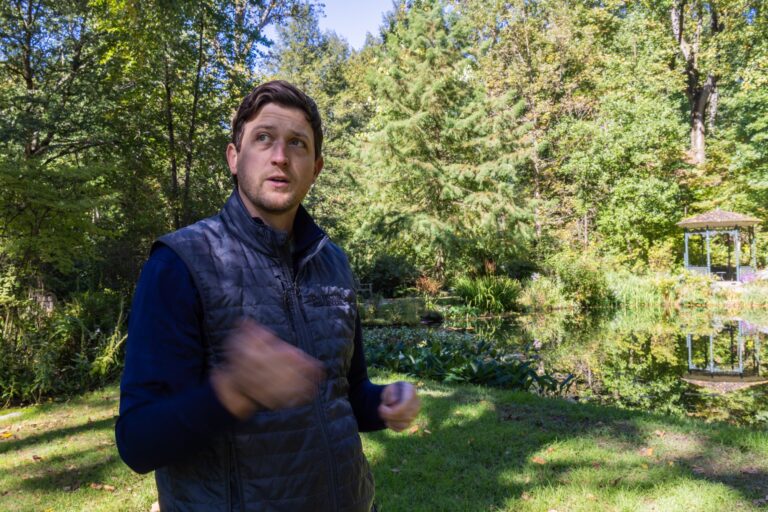
Mt. Cuba Center’s trial garden manager Sam Hoadley points out some blooming goldenrod in early October. (Kimberly Paynter/WHYY) -
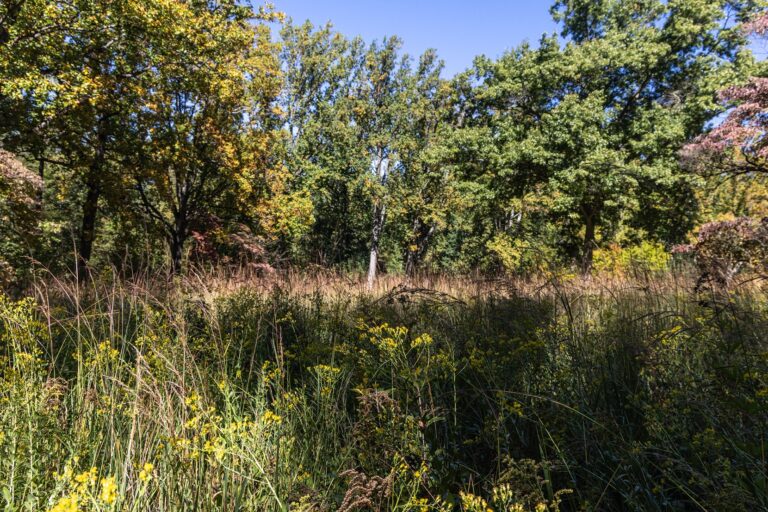
Southeastern bold goldenrod in the Mt. Cuba Center’s naturalistic meadow. (Kimberly Paynter/WHYY) -
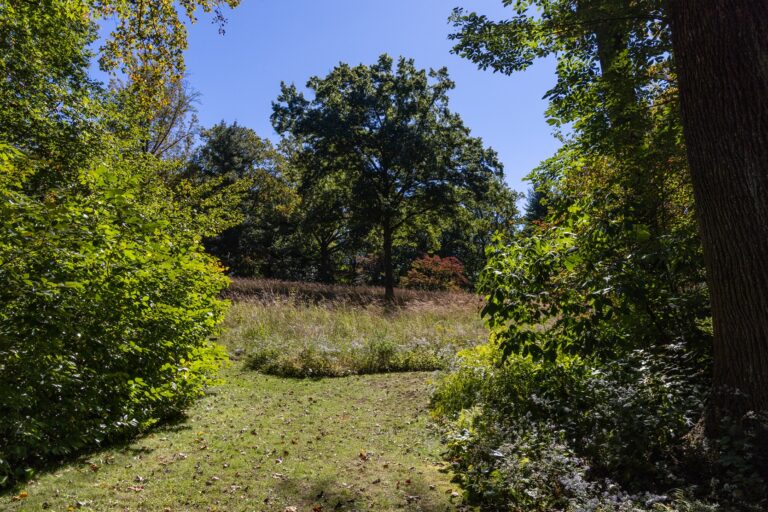
The Mt. Cuba Center’s naturalistic meadow in fall. (Kimberly Paynter/WHYY)
Goldenrod pollen is dispersed with the help of insects. Ragweed, on the other hand, is pollinated by the wind, and is a common culprit of seasonal sniffles, sneezing and congestion.
Not all goldenrods are tall, weedy and aggressive. In fact, there are dozens of goldenrods, including those that fit perfectly in a home garden setting, Hoadley said.
These native plants also have ecological value. They host a number of caterpillar species and attract several insects, including those that rely on certain families of plants. Songbirds feast on their seeds just as winter begins to set in.
Mt. Cuba has studied native plants in its trial garden since 2002 to learn more about their aesthetic and ecological benefits. This year, researchers at the botanical garden evaluated about 70 types of goldenrods and determined there is a goldenrod for any home garden. There are more than 100 different species within the genus in North America.
Before planting them at home, gardeners should understand features like soil type and natural light to determine which species of goldenrod to plant.
“I think there is this conception that native plants are wild and weedy, and unkempt, and at odds with traditional horticulture,” Hoadley said.
“But what we’ve seen and what we can demonstrate at Mt. Cuba Center in our formal gardens is that native plants can be used in any kind of garden setting, whether it’s formal, informal, naturalistic or even a restoration planting.”
Related Content
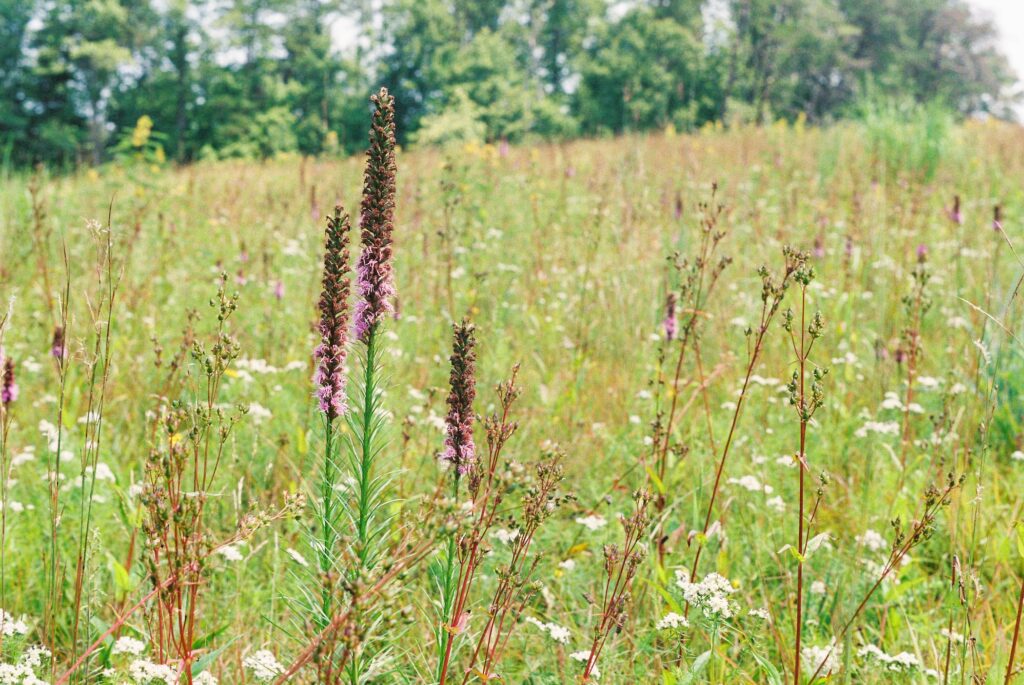
Pa. wants homeowners to ditch their lawns for meadows — starting with free native plant kits
Unlike lawns, which have short roots, meadows soak up water and prevent stormwater pollution.
7 months ago
Listen 1:12Here are some species of goldenrod that gardeners can plant at home.
Solidago sphacelata, AKA ‘Golden Fleece’
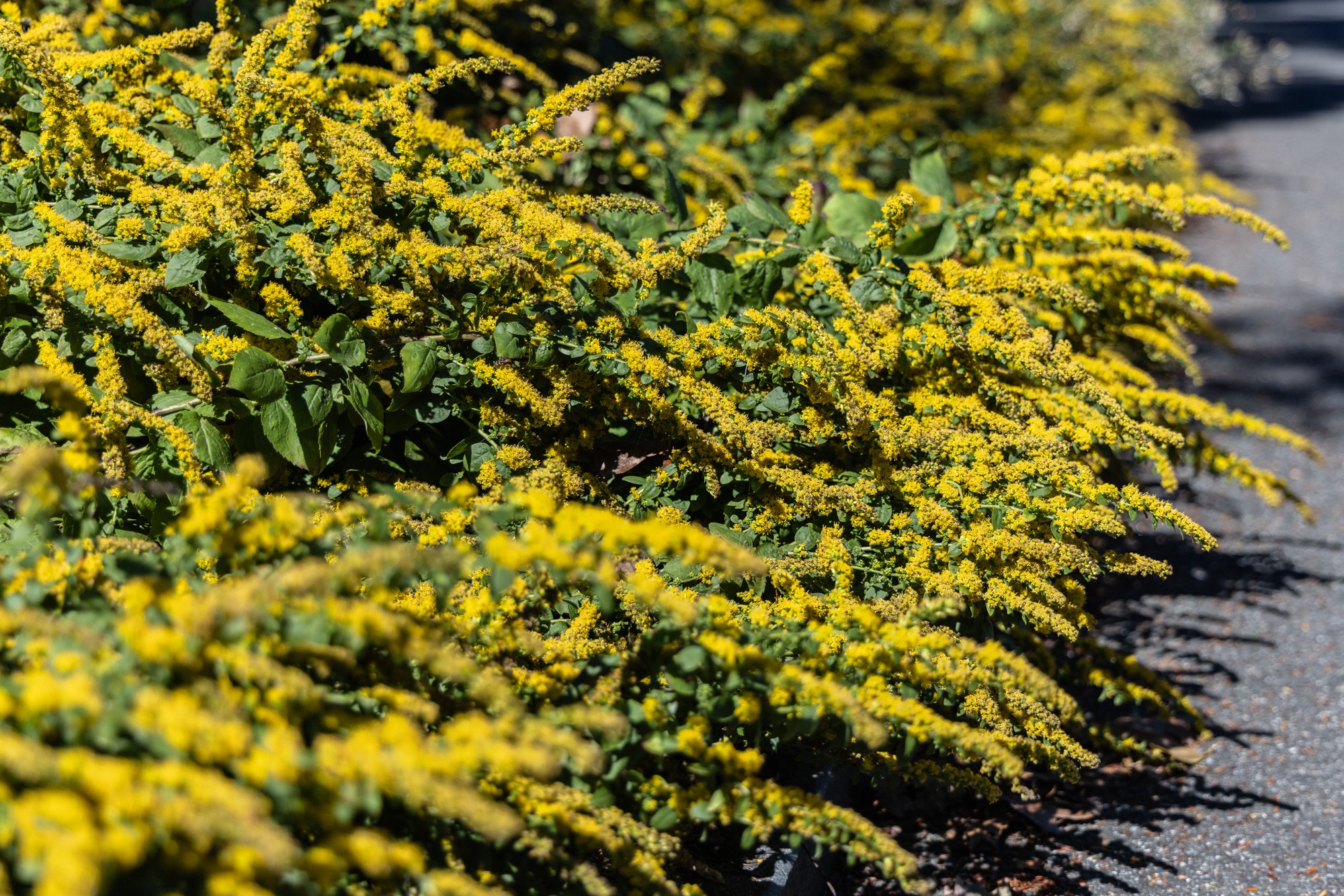
These plants are small enough for home landscapes, or even containers. The low-mounding plant has a cascading waterfall effect. They also spread slowly and are considered to be a “well-behaved” plant.
Solidago rugosa, AKA ‘Fireworks’
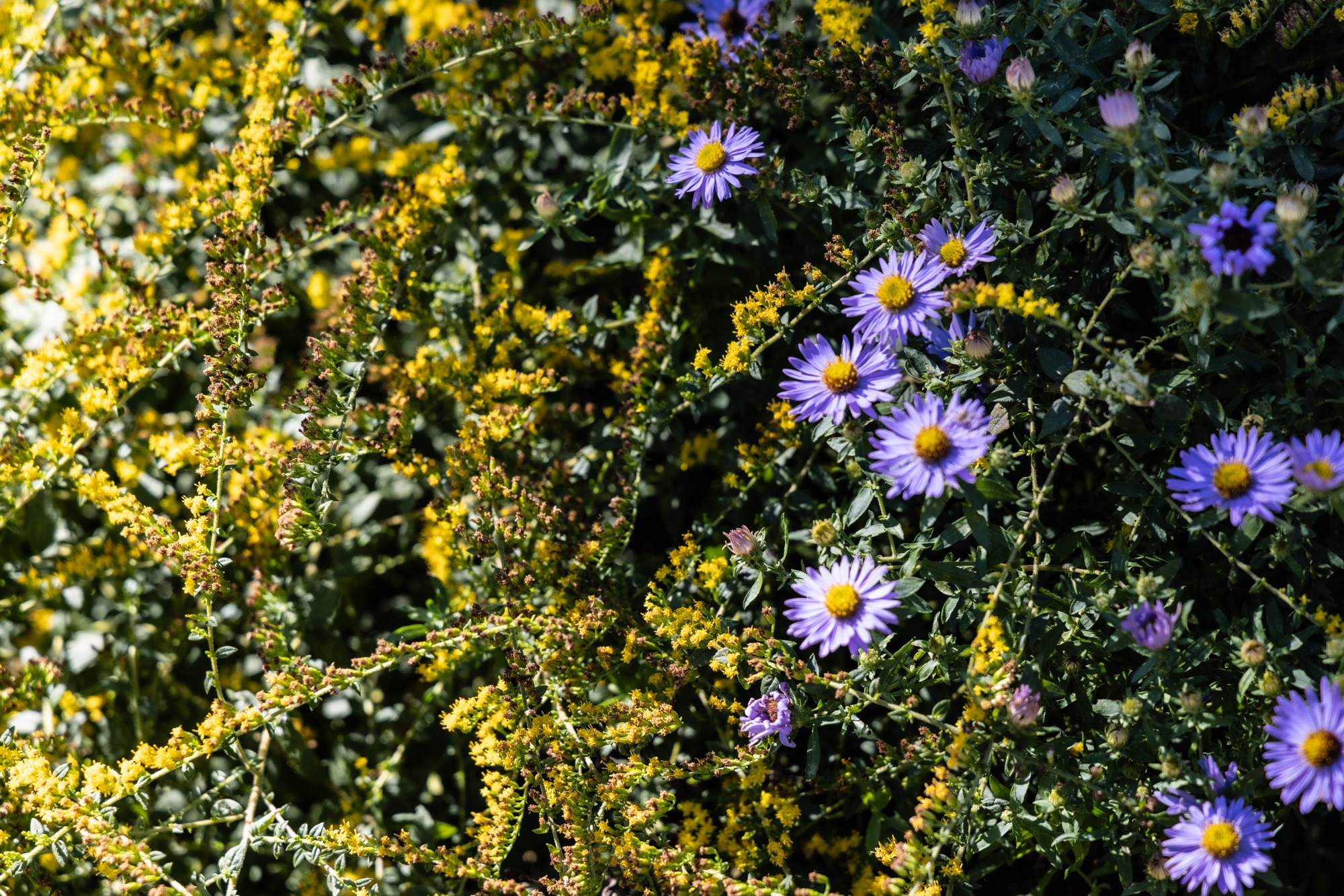
Hoadley calls this beautiful species a “gateway plant into the world of goldenrods.” The medium-sized mounding plant has sprays of flowers that resemble bursts of fireworks. The plant was a top performer in Mt. Cuba’s trial — it stands upright, has beautiful flowers and is a favorite among pollinators.
Solidago flexicaulis, AKA ‘Zigzag Goldenrod,’ and Solidago caesia, AKA ‘Blue-stemmed Goldenrod’
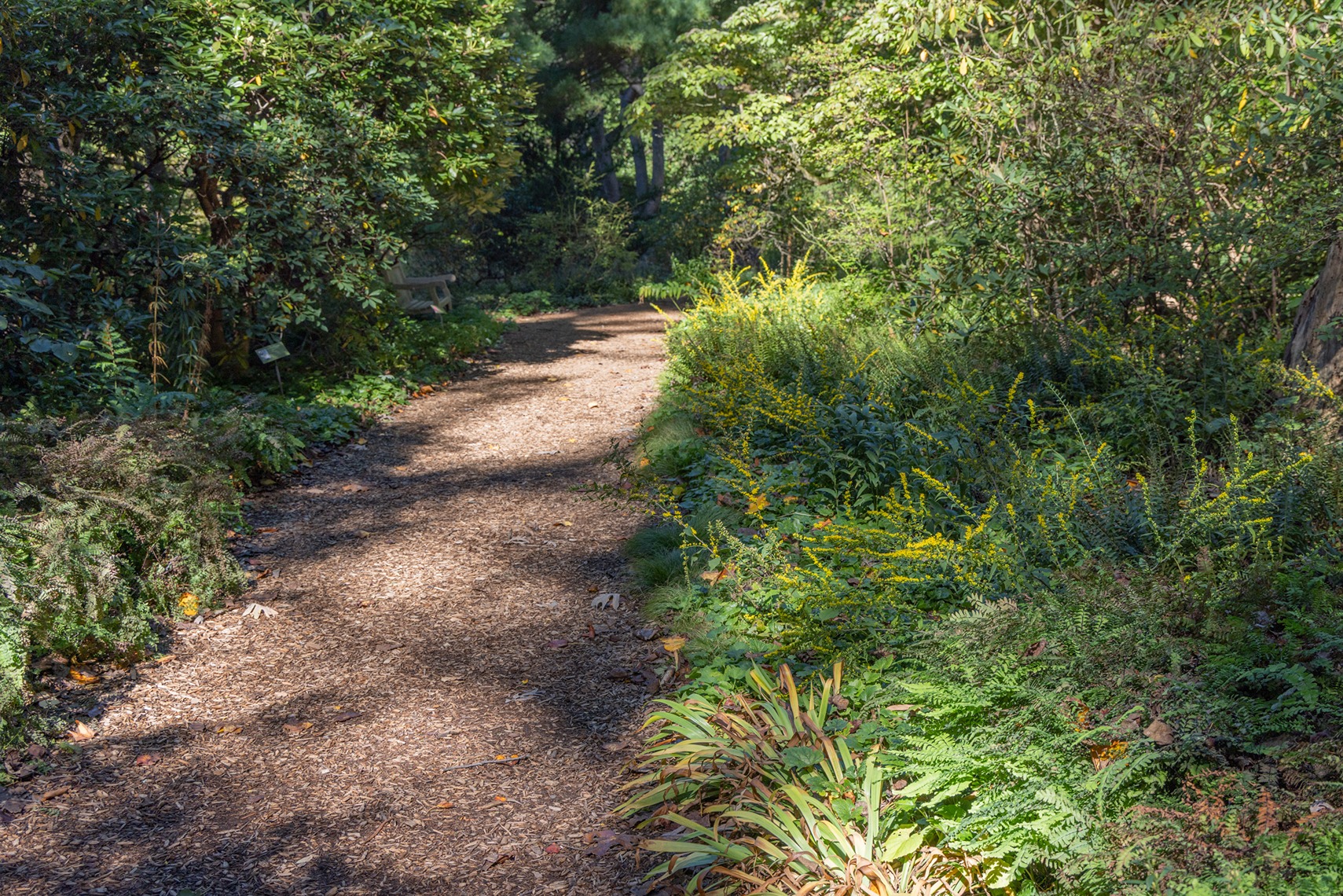
These two plants are good options for shaded gardens. Blue stems, with their wand-like cascading effect, are often seen along roadsides. Mt. Cuba uses them to brighten up shadier, woodland areas of the property.

Get daily updates from WHYY News!
WHYY is your source for fact-based, in-depth journalism and information. As a nonprofit organization, we rely on financial support from readers like you. Please give today.
Part of the series

State and federal environmental officials say air monitoring has “not detected elevated levels” of toxic pollutants after a pipeline was hit last week.
2 days ago
Listen 1:09
Philadelphia releases toolkit to help neighbors talk about climate change
The digital toolkit is meant to help residents get to know each other and prepare their neighborhoods for extreme heat, flooding and more.
1 week ago
Listen 0:58
Gov. Shapiro signs law requiring home sellers to disclose more about a home’s flood risk
Sellers will now be required to reveal whether a home has flooded and whether they’ve filed a flood insurance claim.
2 weeks ago
Listen 0:58