

Bucks County house highlights Revolutionary War history
Ahead of the United States’ 250th anniversary, two new exhibitions showcase Revolutionary War history and “Radical Americana.”

From Delco to Chesco and Montco to Bucks, what about life in Philly’s suburbs do you want WHYY News to cover? Let us know!
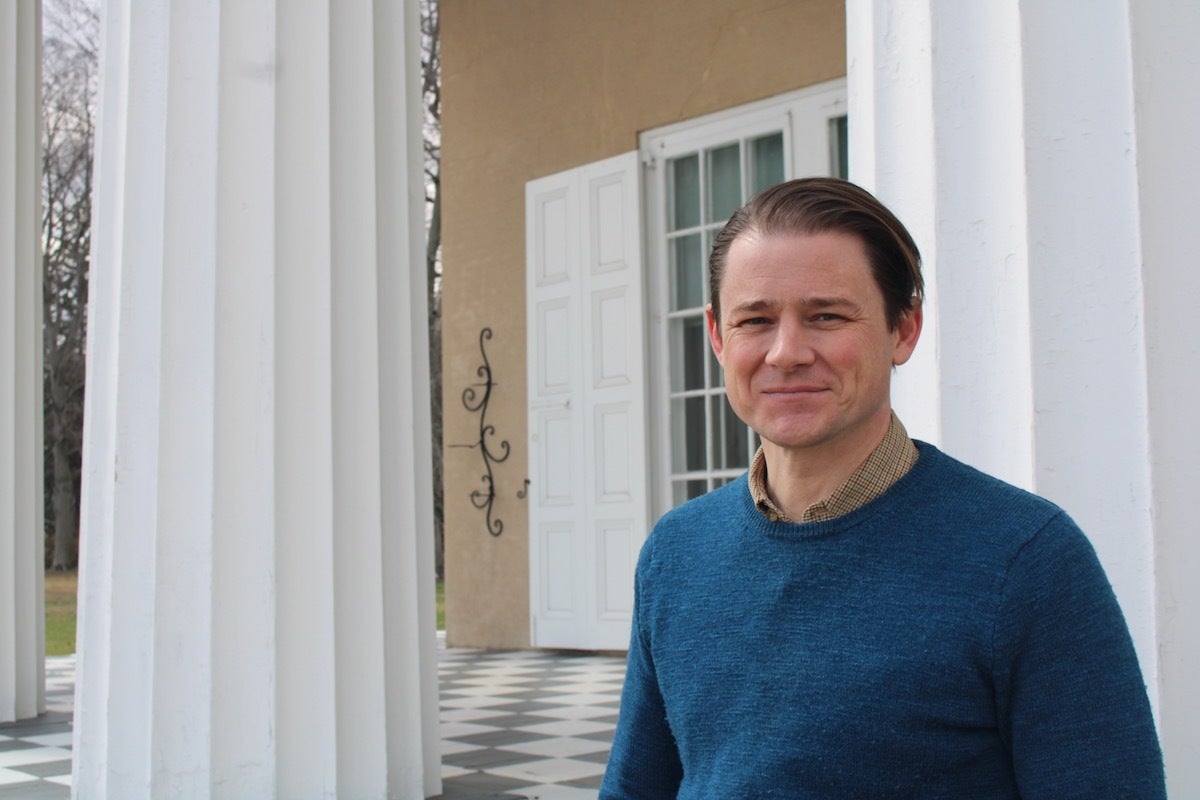
In honor of the United States’ 250th birthday, Andalusia Historic House, Gardens & Arboretum in Bucks County is kicking off its season March 30 by featuring new artwork and an exhibition that dives deep into the Biddle family’s role in the Revolutionary War.
The family history spans all sides and aspects of the era — from a young captain dying in a ship explosion, to one brother exiled to Nova Scotia for his loyalties to the British, to newlyweds camping out together at Valley Forge in the winter of 1778.
The exhibition, “Revolutionary Family: The Biddles and American Independence,” explores some of the “behind-the-scenes” efforts of the war, said John Vick, executive director of the Andalusia Foundation.
“I think it’s important for people to understand that those less heroic tasks are an important part of history, as well,” he said. “And then I think looking at the revolution through the lens of family dynamic can make it more engaging or more approachable.”
‘Heroic’ and ‘intimate’ stories of the revolution
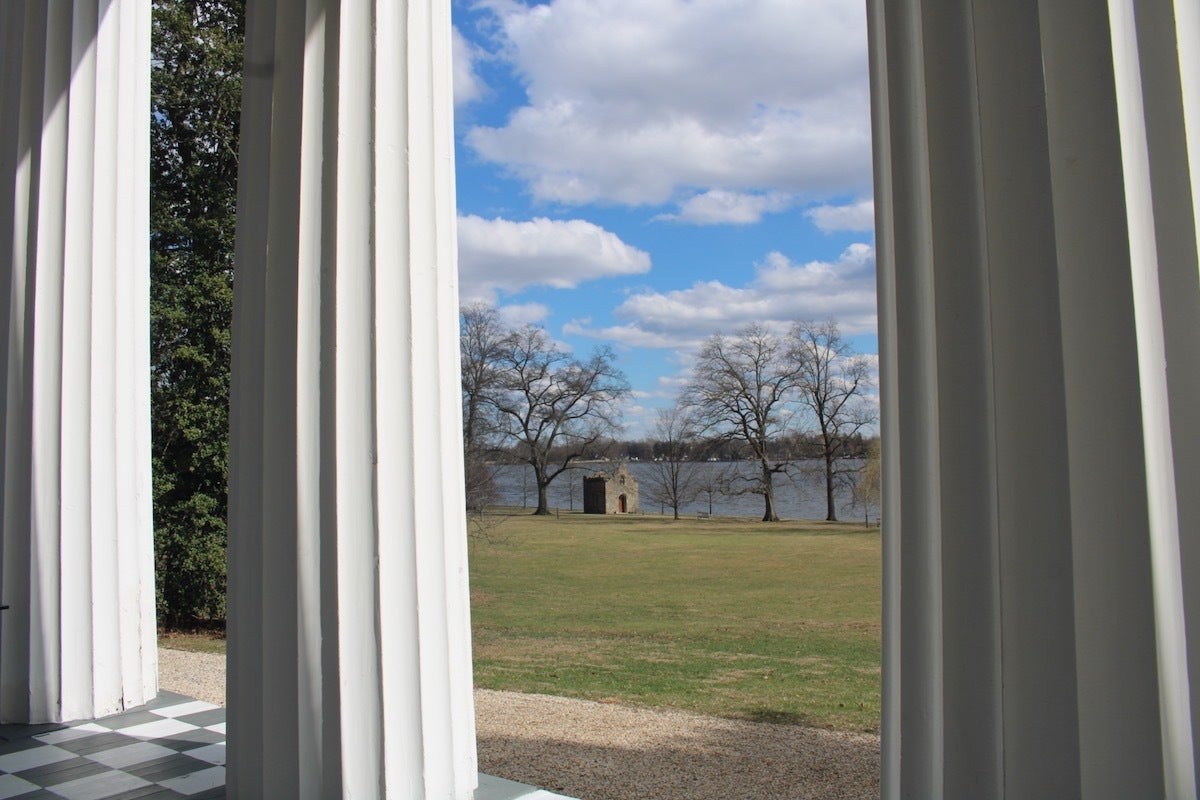
Andalusia, a National Historic Landmark in Bensalem Township, was built in the 1790s and purchased by the Biddle family in 1814 for use as a summer home.
The exhibition focuses on the storylines of different members of the Biddle family, exploring how their lives intertwined with the fight for American independence.
Objects were sourced from the organization’s own collection and from other collections throughout Philadelphia, including the Rare Book Library at the University of Pennsylvania, the American Philosophical Society, Independence Seaport Museum, Fort Mifflin, and Independence National Historical Park.
A copy of a map edited by Mary Scull Biddle, the matriarch, is on display. Scull Biddle took over the family business as a mapmaker. As a widow with nine children, she had her name printed on a map as an editor, a rare feat for a woman of any class at that time.
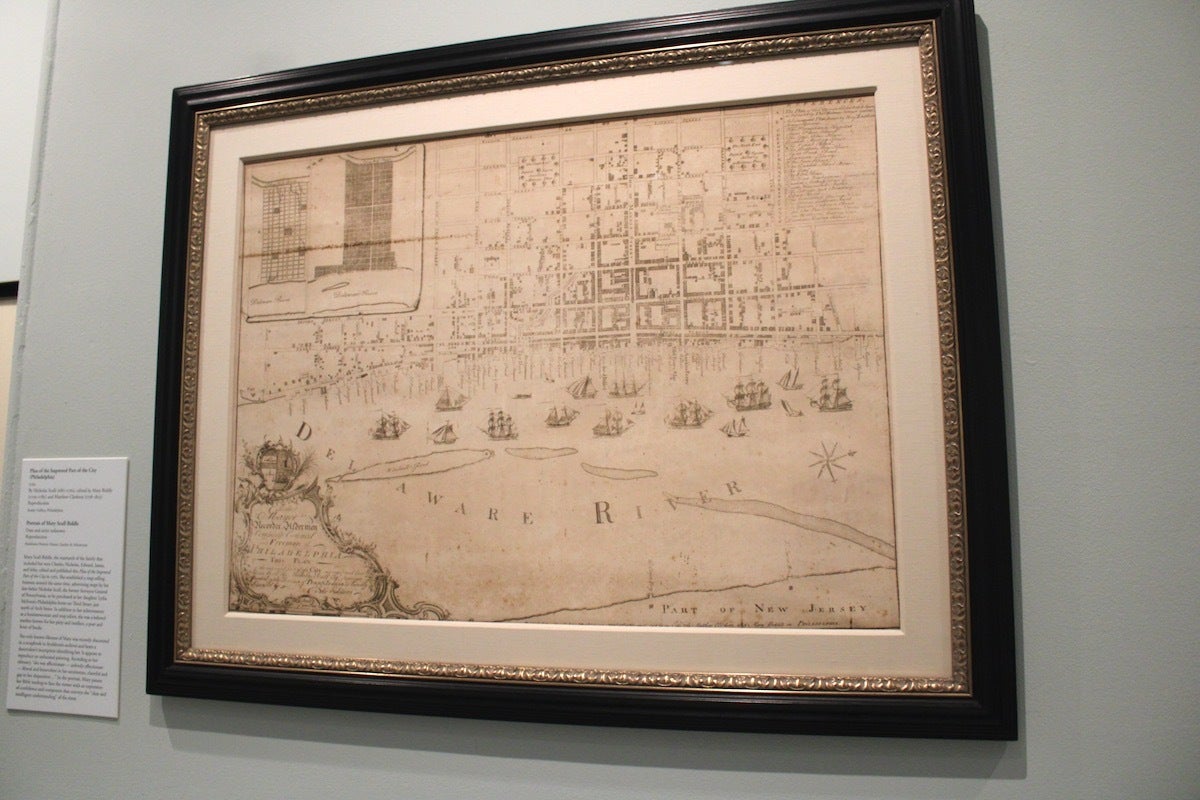
Most of Scull Biddle’s children supported the fight for American independence.
The exhibit features a letter penned by Scull Biddle’s son, Nicholas Biddle, who was one of the Continental Navy’s primary captains and died in his late 20s when his ship exploded in combat.
His brother, Charles Biddle, also went to sea, but as a merchant, and later joined a militia and established defenses in the Carolinas.
One brother was a notable exception to the trend toward American independence: John Biddle, who followed in his mother’s footsteps as a surveyor, was employed by the British and was loyal to the crown. Even though he was exiled to Nova Scotia, Vick said records show John’s brothers didn’t hold his support for the British against him.
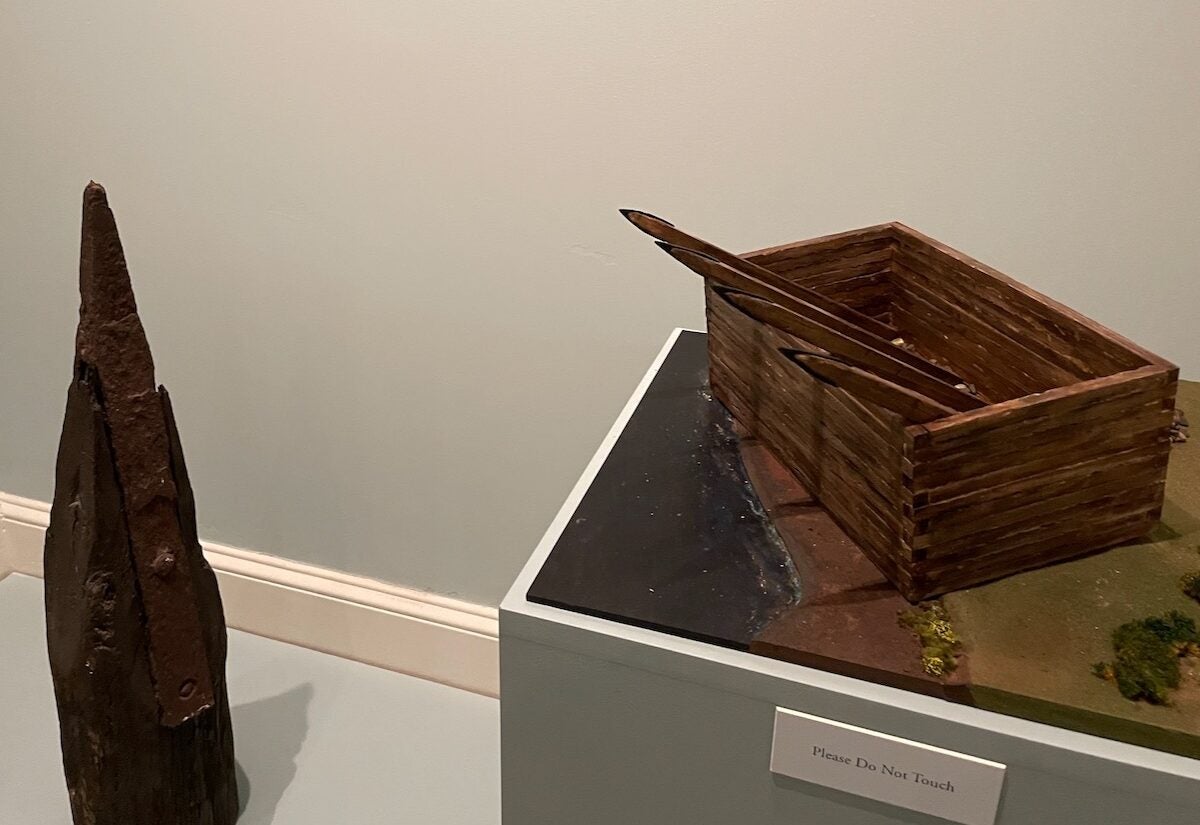
Owen Biddle, a family member, helped protect Philadelphia from British invasion by water. He and two other Biddles were members of the Committee of Safety, which functioned as Pennsylvania’s Department of Defense. The group devised a strategy for constructing massive structures topped with timber spikes, called chevaux de frise, that would float just below the river’s surface, grinding the British navy to a halt.
The exhibition features an actual piece of one of these barriers, dredged from the Delaware River and on loan from Fort Mifflin.
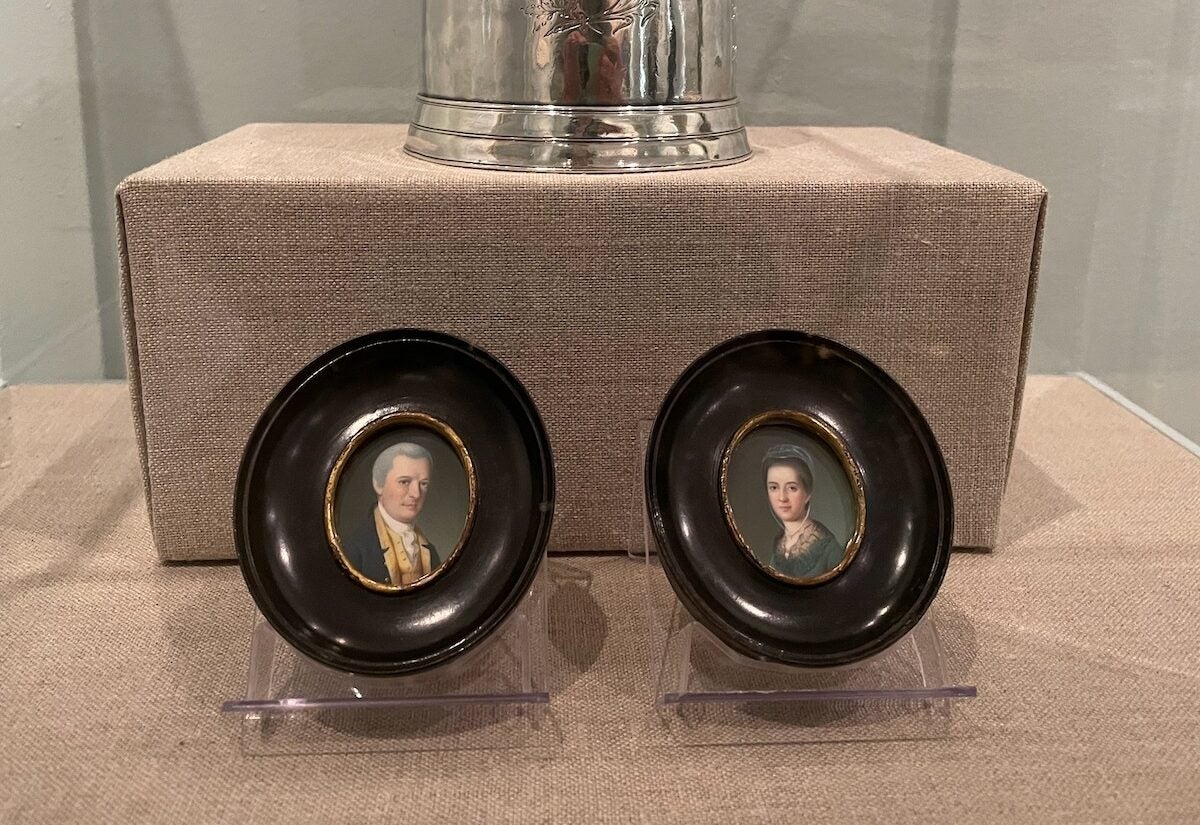
Copies of miniature portraits of Colonel Clement Biddle and his wife, Rebekah Biddle, painted by the American painter Charles Willson Peale, are also included in the exhibit. Rebekah joined her husband at the Continental Army’s encampment at Valley Forge in 1778.
“That’s a story that I think probably will be new to people,” Vick said. “People wouldn’t imagine what it might be like … to be a wife joining their husband at war, similar to … people aren’t imagining a widow with nine children editing maps and selling them out of her son-in-law’s home in Philadelphia in the 1760s.”
These “remarkable stories” help bring history to life for visitors to Andalusia, Vick said.
“The hope of the exhibition is you sort of bring a little bit of those amazing, heroic stories alongside these really intimate stories, and it just gives you a different view of that period in history,” he said.
Although the Biddles were far from “a normal family” of that era, Vick said, and had means and influence, their stories illuminate oft-forgotten facets of the Revolutionary War.
“That’s definitely a theme of this exhibition,” he said. “It’s not just about what these individuals were doing during this really momentous period in American history. It’s about how the family relationships tied them together during that uncertainty and those difficult moments.”
Related Content
Selected block parties will receive a $250 ShopRite gift card, patriotic decorations, mini Constitutions and outdoor toys meant to inspire civic pride.
4 days ago
Listen 1:16Artists weave Andalusia, U.S. history into ‘Radical Americana’
A second special exhibition at Andalusia this season features work by artists Jody Graff and Sophie Glenn, part of The Clay Studio’s “Radical Americana” citywide series of exhibitions related to the semiquincentennial.
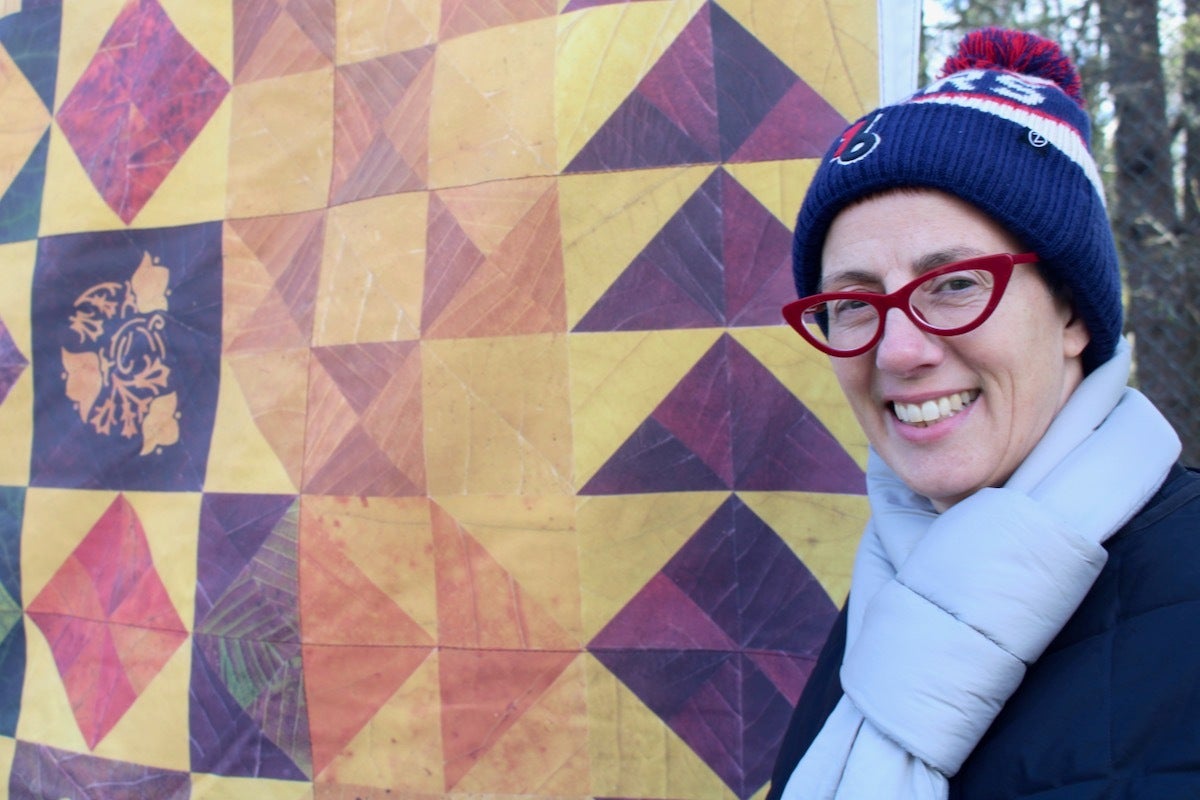
Graff, a designer, artist and professor at Drexel University, spent July to November last year collecting leaves from the grounds of Andalusia. She pressed thousands of leaves, cut them and pieced them together to create three quilts telling the story of the estate’s land and the lives of some of its residents.
Scans were then made of the original, physical quilts and printed onto outdoor textile fabric, which will be displayed on a line at the tennis courts at Andalusia.
“They’re narrative quilts, and so the one side is fully looking at just the graphic, where the other side really gives me the opportunity to talk about, quite honestly, what I was thinking about and referencing and that sort of thing,” Graff said.
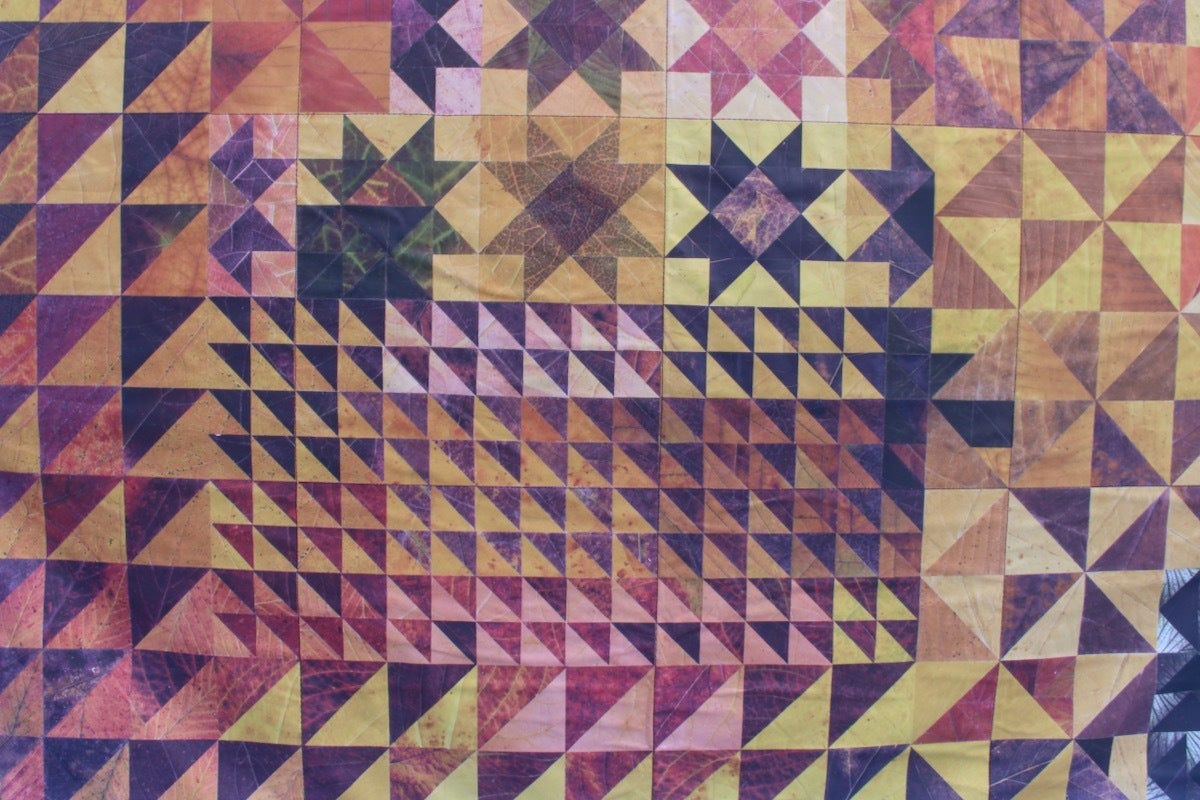
In addition to information about the historical focus of each of the three quilts, which includes the Lenape people who originally lived on the land, Graff said she wanted to provide details about the different botanicals she collected and used for the artworks.
The power of the artwork also lies in its use of the materials surrounding its current display, she said.
“It’s having this object that’s made from the things that you are literally surrounded by in that space,” she said. “That, for me, is just really exciting.”
With her “Philly Jawn” piece, artist, metalworker and furniture maker Sophie Glenn weaves history with humour and a nod to the region’s current cultural obsessions.
She used steel to make a chair that looks like antique wood furniture with a well-worn cushion. The backing features an image of the Philadelphia Eagles’ bird logo, clutching a cheesesteak instead of a football. Columns on the back crest rail reference Andalusia’s stately columns.
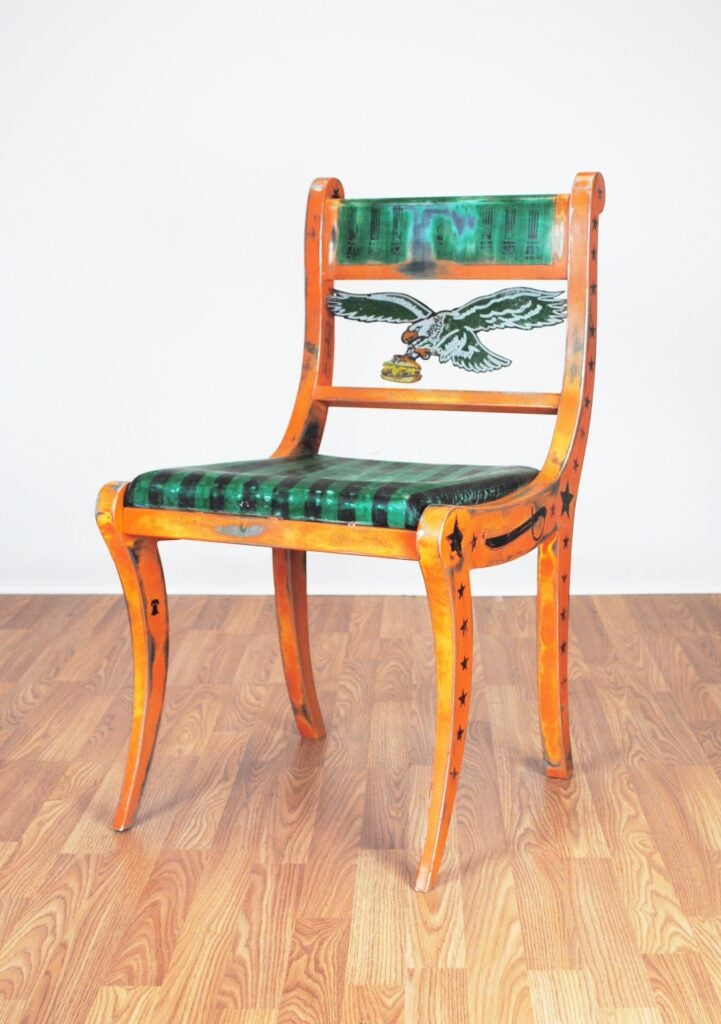
Glenn said she was inspired by the Greek Revivalist architecture at the estate.
Both exhibitions will be on display at Andalusia from March 30 through Nov. 13. The estate is open Monday, Tuesday and Friday from 10 a.m. to 3 p.m., and from 10 a.m. to 5 p.m. on select Saturdays. More information about special events and programs can be found on the Andalusia Historic House website.

Saturdays just got more interesting.
WHYY is your source for fact-based, in-depth journalism and information. As a nonprofit organization, we rely on financial support from readers like you. Please give today.
Part of the series
Philadelphia 250
The United States is marking its semiquincentennial — or its 250th anniversary — in and around the City of Brotherly Love.
Chester Springs preserves the site of the only military hospital built during the Revolutionary War
While George Washington’s army waged war against Britain, Yellow Springs Hospital fought a deadlier enemy: contagious disease.
3 months ago
Listen 3:39
For America's 250th birthday, living history programs at Washington Crossing Historic Park will shed light on the role of revolutionary women and noncombatants.
3 months ago
Listen 1:12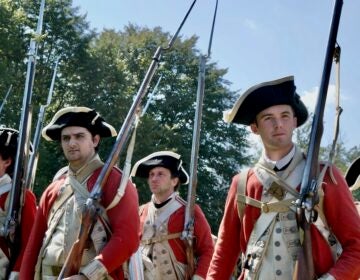
The Revolutionary War was a civil war: British loyalists at the Battle of Brandywine in Chadds Ford
Colonists’ loyalties were split during the Revolutionary War, as shown in the Battle of Brandywine.
6 months ago
Listen 1:15