

Cobbs Creek movie palace may join Philadelphia’s historic register
The Ambassador Theatre in Southwest Philadelphia is one of the few remaining buildings in the city that once housed a neighborhood theater. It could now become a landmark.
Listen 0:50
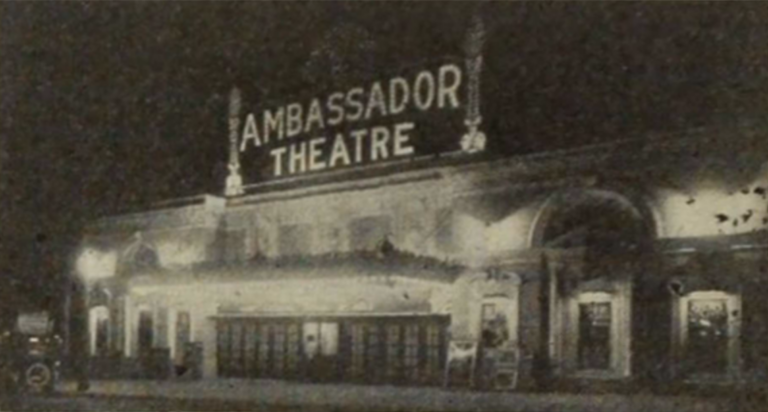
Southwest Philadelphia's Ambassador Theatre, which was built in 1921, has been nominated to be added to the Philadelphia Register of Historic Places. (Philadelphia Historical Commission)
Have a question about Philly’s neighborhoods or the systems that shape them? PlanPhilly reporters want to hear from you! Ask us a question or send us a story idea you think we should cover.
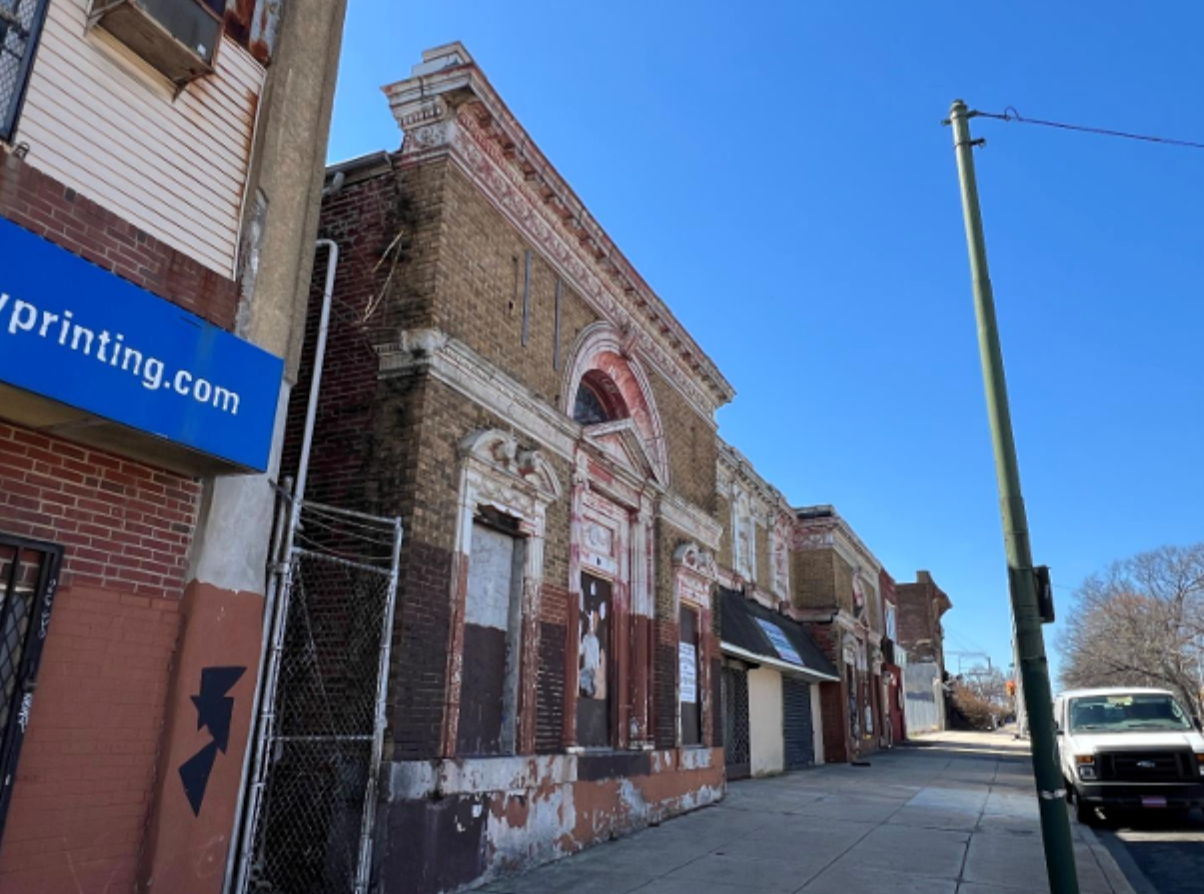
A former movie palace in Southwest Philadelphia is poised to become a city landmark.
A committee of the Philadelphia Historical Commission has approved a nomination to add the Ambassador Theatre in Cobbs Creek to the Philadelphia Register of Historic Places.
The full commission is expected to take a second and final vote on the nomination during its next meeting on Aug. 14. Designating the property would largely protect it against demolition.
Philadelphia once had more than 400 movie theaters. The Ambassador is one of the few former theater buildings that remain.
“They were such a major component of the city, not just the downtown first-run theaters. Every neighborhood in the city had at least one, and sometimes several, movie theaters at key commercial intersections,” said committee member Bruce Laverty during Wednesday’s meeting.
Related Content
Philly historical commission designates ‘flashy’ Frankford movie palace
The Circle Theatre was once home to a 3,000-seat auditorium. The ornate property remains today, but it hasn’t shown movies for decades.
6 months ago
History of Philadelphia’s Ambassador Theatre
For nearly 40 years, the Ambassador operated out of an embellished brick building on the 5500 block of Baltimore Avenue. Built in 1921, the neighborhood theater offered working-class residents the opportunity to see new movies at a discount — if they were willing to wait until after a film’s initial run.
Weeknights drew the most patrons. They would enter through mirrored doors and pass through a marble-clad vestibule before taking their seats in a sloped oval auditorium with a “cove-lit” domed ceiling, according to the nomination.
A screening could accommodate roughly 1,000 moviegoers.
“The Ambassador Theatre … represents important patterns of city life and West Philadelphia-specific social history,” said Julia Hayman, a board member of the University City Historical Society, which nominated the theater.
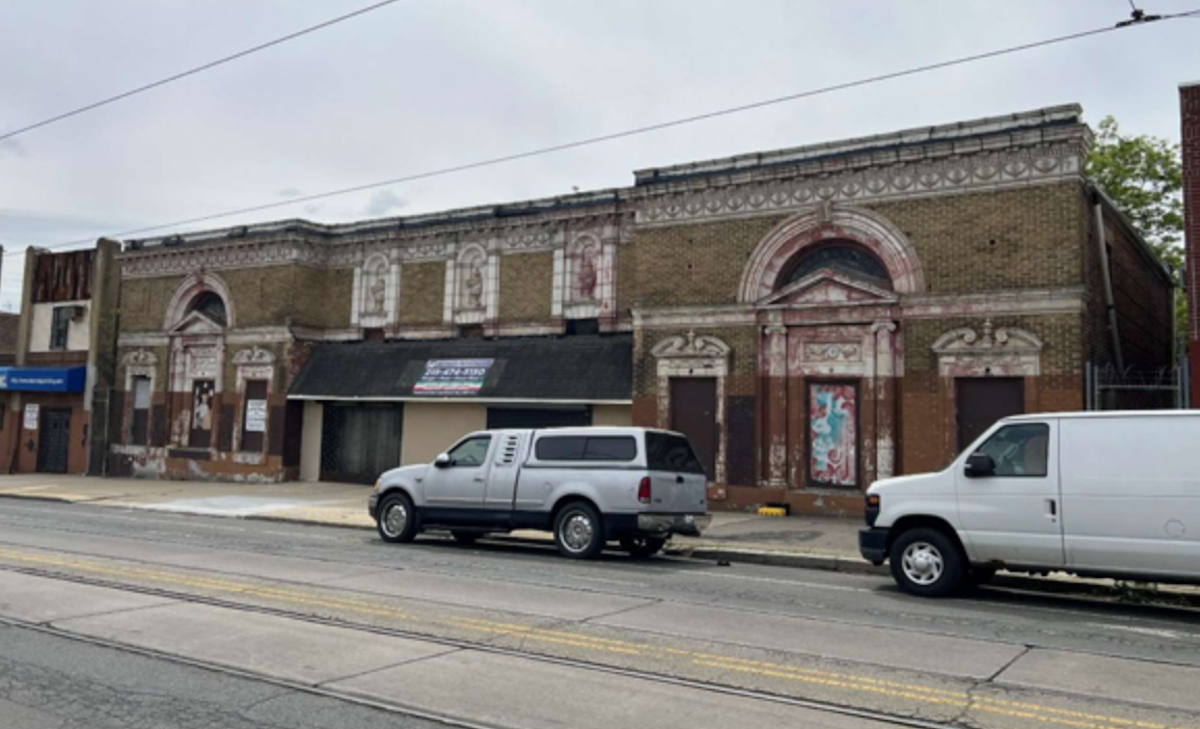
Like many of its contemporaries, the exterior of the theater featured intricate terracotta ornamentation. According to the nomination, the clay material provided an “affordable option to builders looking to produce a lavish appearance.”
In this case, it was used in concert with carved limestone to create details rooted in ancient Greece and Rome, a hallmark of the Classical Revival movement of the era. Most of these touches, including a trio of urns above the main entryway, are still visible today.
Other parts of the building, likely including the theater’s marquee and interior fabric, were lost when it was rehabbed by Kennedy Printing, which bought the property in 1981 at a sheriff’s sale. But the investment kept the theater standing at a time when it had begun to fall apart.
“Without this intervention, the Ambassador Theatre would have possibly deteriorated beyond repair and been demolished before the turn of the century,” according to the nomination.
The print shop still owns the property today.

Get daily updates from WHYY News!
WHYY is your source for fact-based, in-depth journalism and information. As a nonprofit organization, we rely on financial support from readers like you. Please give today.
After 2 centuries, this historic Mt. Airy home may be demolished
The city recently determined that the Leibert House is “imminently dangerous.” It’s unclear if its owners will move to repair the property.
1 month ago
Listen 1:13
Henry Tetlow helped shape America’s cosmetics industry with more affordable — less caustic — face powders before his company collapsed into a family feud.
2 months ago
Philadelphia officials announce new funding for Cobbs Creek restoration project
The $9 million in additional funds will help mitigate flooding. Nearby residents have worried that restoring the Cobbs Creek Golf Course would exacerbate the problem.
5 months ago
Listen 0:51