




Healing with Psychedelics: Veterans, PTSD, and the Science of Mind-Altering Drugs
Why psychedelics are gaining ground as powerful mental health treatments, and the science behind how they work.
Listen 49:34
(Marek Piwnicki/Pexels)
Psychedelics have been gaining ground as powerful treatments for serious mental health issues — and recently, President Donald Trump accelerated that progress with an executive order aimed at expanding research on and access to several of these drugs, which remain banned outside of clinical trials.
So what do we know about psychedelics and how they work? And how much promise do they hold — and for whom?
On this episode, we listen back to past conversations on this topic, along with powerful stories of healing. We talk with a retired Navy SEAL about how ibogaine helped him overcome paralyzing depression and PTSD, and hear from a researcher who studies the potential of psychedelics to help other veterans. We explore the history of MDMA, also known as ecstasy, and the neuroscience behind its ability to rewire our brains. And we meet a rogue group of migraine sufferers who turned to psilocybin in search of relief from their daily pain.
SHOW NOTES:
- When Marcus Capone retired from the Navy SEALS in 2013 after more than a decade of service, he found himself at loose ends, and battling a deep depression. He cycled through antidepressants and other prescription medications, but nothing worked — until his wife suggested a radical alternative: psychedelic-assisted therapy. Capone describes his experience with ibogaine, how it changed him, and why he thinks it worked when nothing else did. Capone is the co-founder and chairman of VETS: Veterans Exploring Treatment Solutions, and is featured in the documentary “In Waves and War” now on Netflix.
- Psychiatrist and researcher Rachel Yehuda explains the science behind psychedelic-assisted therapy, and what she’s learned about its potential to treat PTSD in veterans. She leads the PTSD clinical research program at the James J. Peters VA Medical Center in New York City.
- MDMA — otherwise known as ecstasy or molly — is best known as a party drug, but in recent years, scientists have begun investigating it as a treatment for PTSD. We talk with science journalist Rachel Nuwer about the history of MDMA, the science behind its therapeutic potential, and how it helped change one woman’s life. Nuwer’s book is called “I Feel Love: MDMA and the Quest for Connection in a Fractured World.”
- Cluster headaches can be debilitating — but a little over a decade ago, a group of sufferers, who call themselves “Clusterbusters,” began investigating the potential of psilocybin, otherwise known as magic mushrooms, to treat their intractable pain. We talk with sociologist Joanna Kempner about her research into the group and their mission, documented in her book “Psychedelic Outlaws: The Movement Revolutionizing Modern Medicine.”
WHYY is your source for fact-based, in-depth journalism and information. As a nonprofit organization, we rely on financial support from readers like you. Please give today.
Brought to you by The Pulse

Feeling that holiday stress? Here are 5 tips to help ease the tension
Journaling, breathing techniques and having a safe space to retreat to can help mitigate stressful situations during the holiday season.
10 months ago
Listen 0:58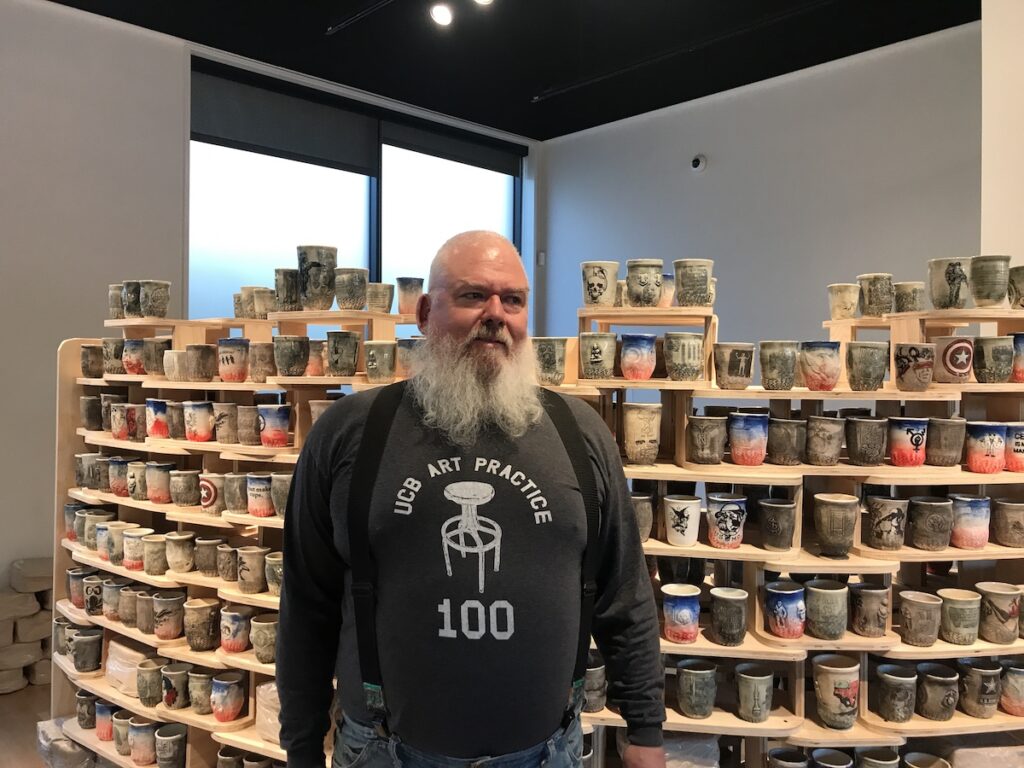
How Veterans Find Healing After War
On this Veterans Day episode, we explore healing after combat — from a psychedelic treatment in Mexico to making ceramic mugs.
Air Date: November 7, 2025
Listen 49:34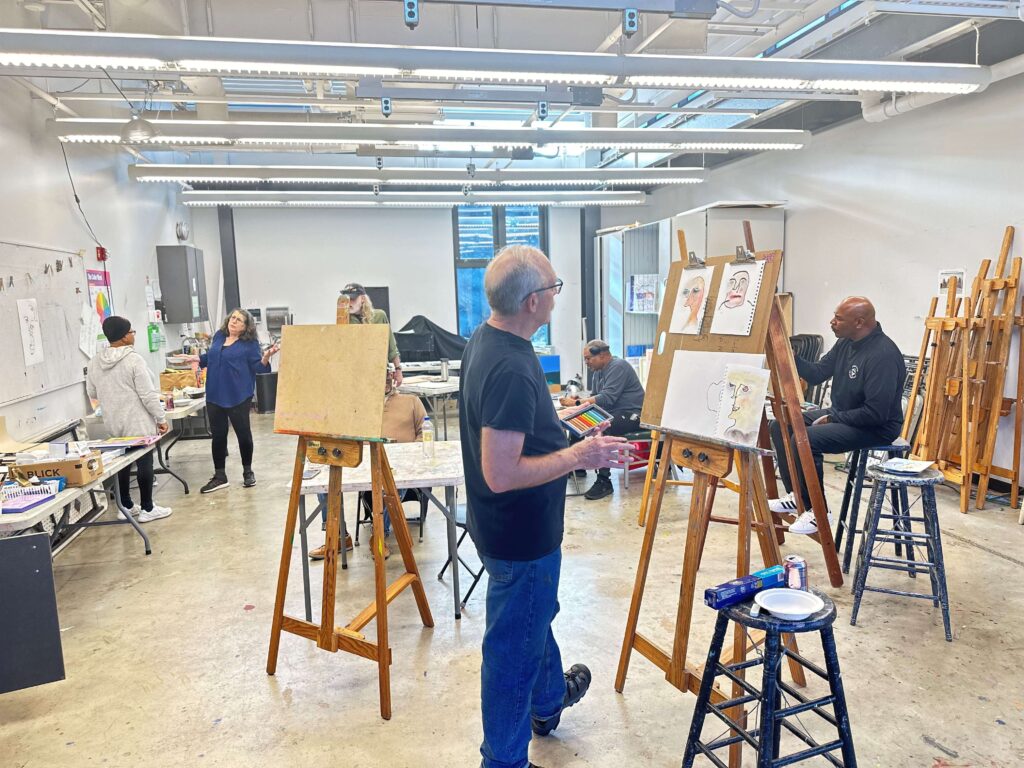
Delaware veterans heal, connect and build community at new artistic pilot program
The new pilot program hopes to give veterans a creative outlet to express themselves and find purpose after leaving the military.
2 years ago
Listen 1:25