

City of Vineland, N.J. issues stop-work order to parts of data center
The city alleges the 300-megawatt facility began installing a liquified natural gas tank, as well as fuel cell units, before receiving the city’s approval.

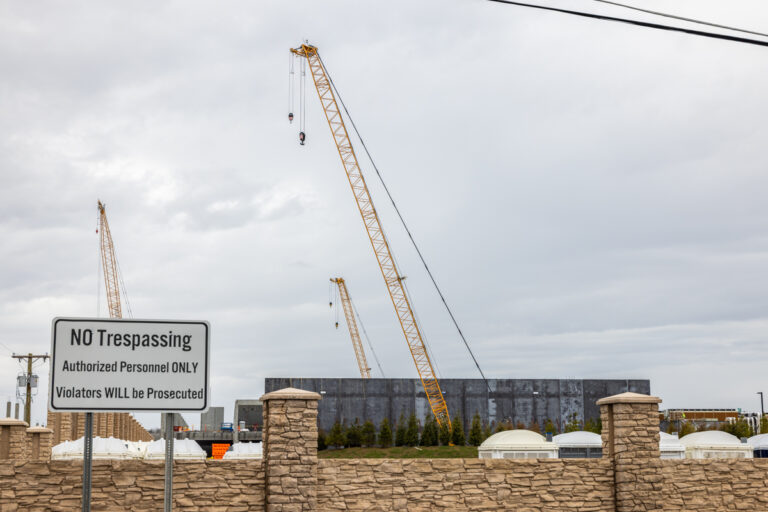
Vineland, N.J.’s data center is under construction in March of 2026. (Kimberly Paynter/WHYY)
This story is part of the WHYY News Climate Desk, bringing you news and solutions for our changing region.
From the Poconos to the Jersey Shore to the mouth of the Delaware Bay, what do you want to know about climate change? What would you like us to cover? Get in touch.
The city of Vineland, New Jersey, has issued two stop-construction orders to the developers of a data center.
In the orders, the city alleges the 300-megawatt facility began construction work for a liquified natural gas tank, as well as fuel cell units, before receiving approval from the city, according to documents shared with WHYY News.
The project, with the first phase already approved and under construction, is being developed by DataOne for the Nebius Group to support infrastructure for artificial intelligence as part of a $17 billion deal with Microsoft.
DataOne has proposed to use Bloom Energy fuel cells, which use a chemical reaction to convert natural gas into electricity, to power the site. The company is also seeking approval for a 1.5 million-gallon on-site storage tank for liquified natural gas, or LNG, in the event access to a natural gas pipeline is interrupted. The city’s planning board must decide whether to approve the proposal after a hearing process.
DataOne’s fuel cell construction activities were first reported on X by Hunterbrook Media.
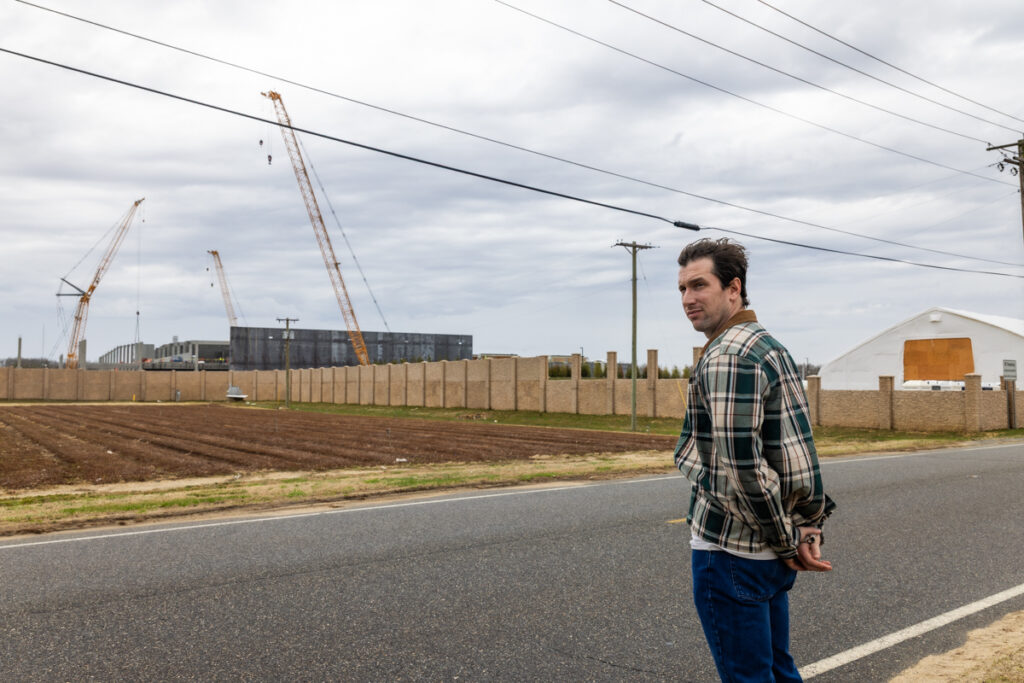
“Despite DataOne and Nebius launching PR campaigns to say how they are good neighbors and responsible developers, this shows that they have a lack of respect for the Vineland approval process,” said Zac Landicini, who lives about 3 miles from the data center and founded the grassroots group Sustain SJ to advocate against its development. The organization called on city officials to issue the stop-construction orders.
“They don’t really care about the input from the residents because they’re going to do what they want to do, and that’s that. For these corporations that have all this money, they can eat the fines and basically do whatever they want,” Landicini said.
Related Content
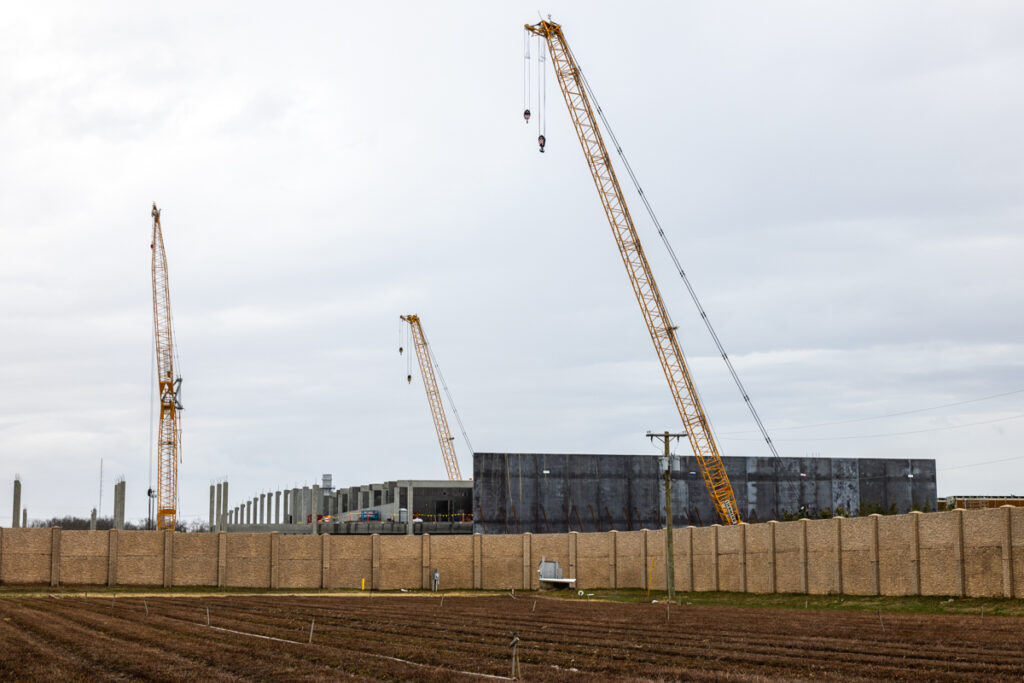
Vineland data center makes case for on-site power generation during 6-hour hearing
Developers for the New Jersey-based center plan to use on-site fuel cells, saying the new plan will not draw power from the grid or increase residential rates.
2 months ago
But confusion remains over what exactly has been constructed at the site.
A spokesperson for DataOne said in an email to WHYY News that the city’s notices were “limited to equipment placement work under the approved site plan.”
“We do not expect this temporary pause to affect our construction and delivery timeline,” the spokesperson told WHYY News in an email.
The stop-work order states “you did work without first obtaining a construction permit” and that “we have no prior approvals, plans or permits in reference to Bloom Energy Units.”
It’s unclear why DataOne believed it could start construction on any part of the project without permits.
The City has not responded to WHYY News’ questions about whether DataOne had any prior approval to install any construction elements for the proposed Bloom Energy units and the LNG storage facility. Both projects have yet to receive approval from the Vineland Planning Board.
Starting work on large commercial projects before permits are granted happens regularly, said Ben Raabe, CEO of Bella Contracting Services. He said because these projects are permitted in phases, approval might be granted for clearing, grading and site utilities, while the structural and mechanical permits are still in review.
“The problem starts when the construction schedule gets ahead of that sequence, or when crews drift into scope the issued permit doesn’t actually cover. That’s usually what a stop-work order is catching,” he said in a statement.
Raabe said data centers compress the timeline more than any other type of project. Because tenants sign leases against a live date, developers feel pressure to complete the work within a certain timeframe.
“Some of that early work is legitimate phased permitting. Some of it is a calculated risk that the remaining approvals will land before anyone notices the gap,” Raabe said. “Municipalities have gotten much better at noticing.”
He said developers often take the risk of starting construction before receiving permits to save time, but it doesn’t always pay off if it means municipal officials keep a closer eye on the project or if they have to tear up completed work.
Failure to comply with the stop-work orders could result in a $2,000 penalty per violation per day, according to the orders. DataOne may appeal the order before the Construction Board of Appeals of Cumberland County.
The developer may also resume work after receiving the required approvals and permits from the city, according to the documents.
DataOne plans to generate the majority of its energy on site, using Bloom Energy fuel cells to turn natural gas into electricity through an electrochemical reaction. The process releases fewer air pollutants like nitrous oxides and sulfur oxides than traditional natural gas and diesel engines. However, the technology is estimated to emit more than 2 billion pounds of climate-warming carbon dioxide a year.
DataOne and Bloom Energy say the on-site generation also means the facility won’t impact the electrical grid, meaning residents won’t be hit with rising electricity bills.
DataOne said its facility will benefit Vineland by hiring more than 200 permanent, full-time workers, and by becoming one of the largest taxpayers in the city.
Related Content
Vineland residents are protesting AI data center as concerns mount over noise and emissions
The project in South Jersey, already under construction, is being developed by DataOne for the Nebius Group as part of a $17 billion deal with Microsoft.
7 months ago
Listen 2:18Residents have voiced concerns about the potential impact on air quality and water supplies. Some residents have also complained about whining metallic construction noises, leading to a class-action lawsuit that claims construction and operational noise will impact property values.
Editor’s Note: This story has been updated with a comment from DataOne.

Get daily updates from WHYY News!
WHYY is your source for fact-based, in-depth journalism and information. As a nonprofit organization, we rely on financial support from readers like you. Please give today.
Part of the series
Hydropower parts manufacturer in Northeast Philadelphia lands federal research partnership
Kingsbury plans to test new materials for hydroelectric power equipment that can support the needs of modern-day grids.
1 day ago
Listen 1:09
EPA announces new plan to clean up arsenic contamination at Vineland chemical site
The Vineland Chemical Company produced arsenic-based herbicides and fungicides for 45 years, causing widespread contamination.
1 day ago
Listen 0:53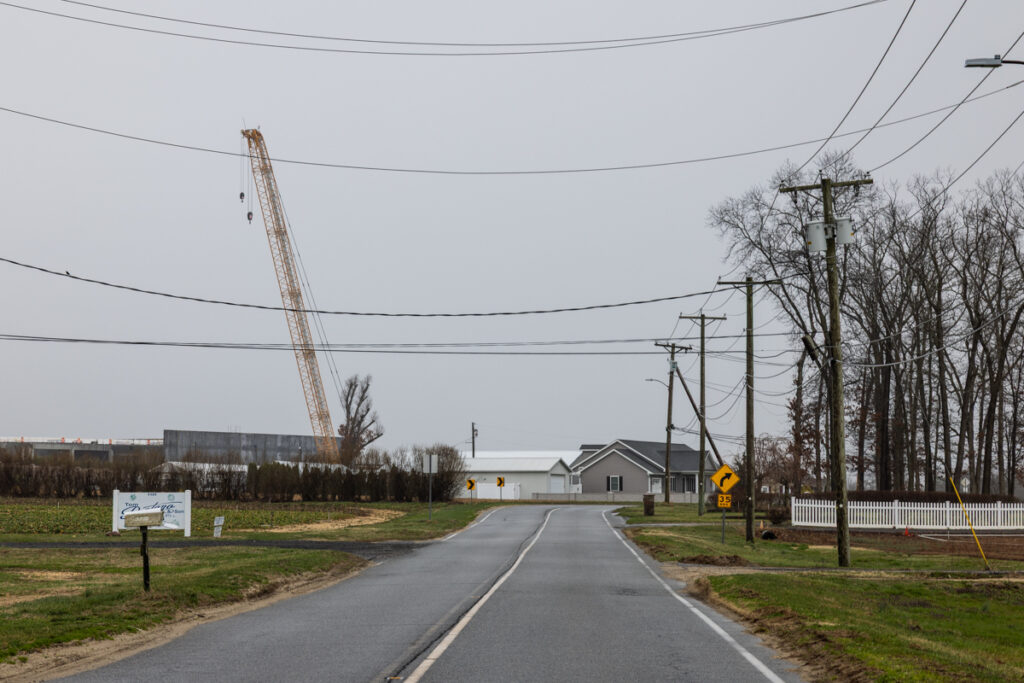
Vineland planning board approves 2nd phase of 300-megawatt data center plan
The plan would make way for the construction of a liquefied natural gas tank and fuel cell units.
2 months ago
Listen 1:13