

Valley Forge National Historical Park, born on the Fourth of July, celebrates America250
The pivotal Revolutionary War site in the Philly suburbs hosted hundreds of people for live readings of the Declaration of Independence, a cannon fire demonstration and more.
Listen 1:45
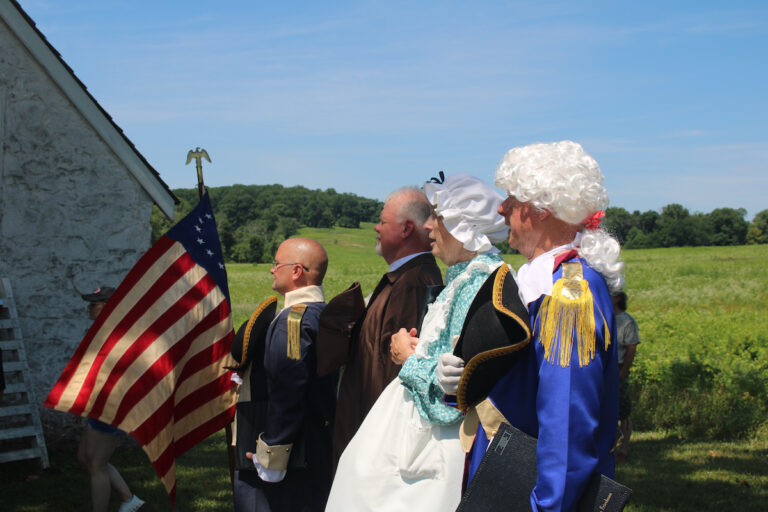
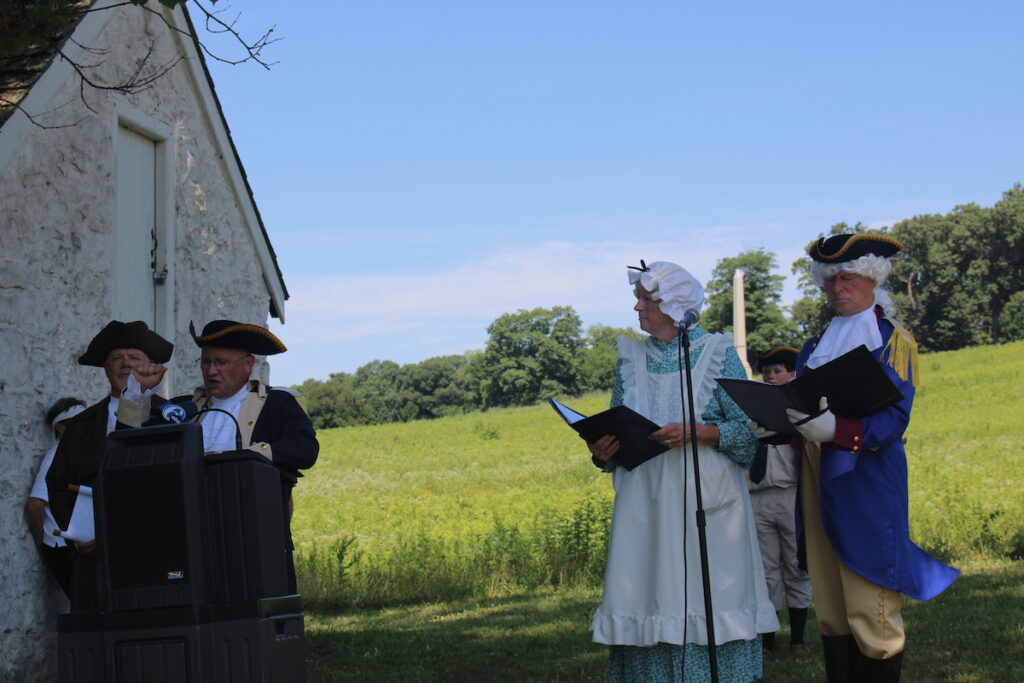
Reenactors read the Declaration of Independence at Valley Forge National Historical Park on Saturday, July 4, 2026. (Emily Neil/WHYY)
From Delco to Chesco and Montco to Bucks, what about life in Philly’s suburbs do you want WHYY News to cover? Let us know!
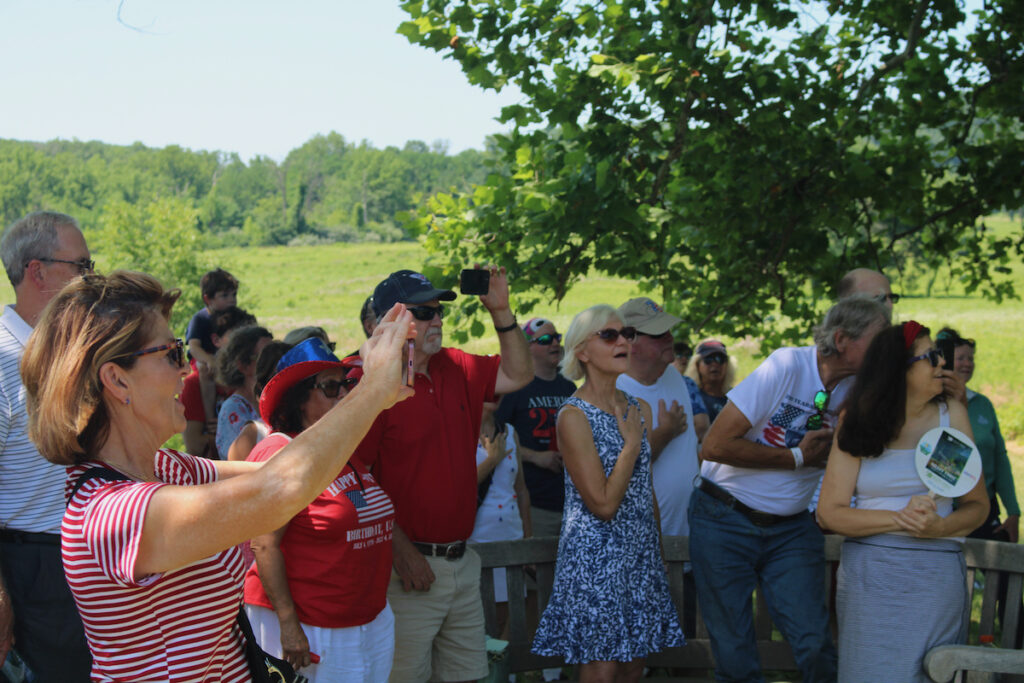
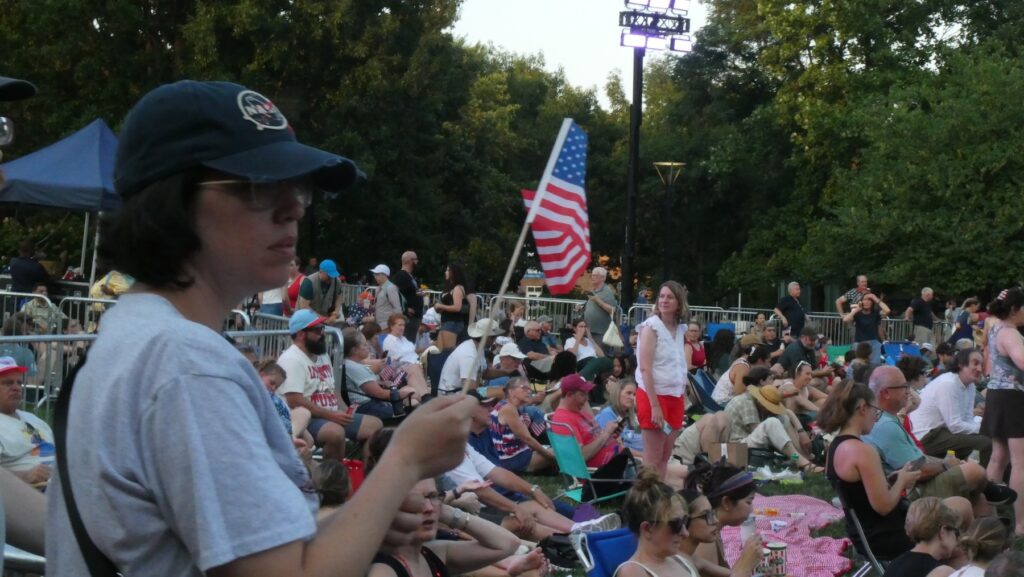
Visitors thronged Valley Forge National Historical Park on Saturday, marking the nation’s 250th anniversary and celebrating the national park’s 50th anniversary.
The 3,500-acre expanse was created in 1893 as Pennsylvania’s first state park. On July 4, 1976, President Gerald Ford visited Valley Forge to sign legislation declaring it a national park.
“Today is really about honoring that 80 some years of state park history, the 50 years of National Park Service stewardship, and, of course, the actual story of Valley Forge being the encampment of George Washington and the Continental Army in 1777-1778,” said Greg Purifoy, public information officer for the 250th anniversary event.
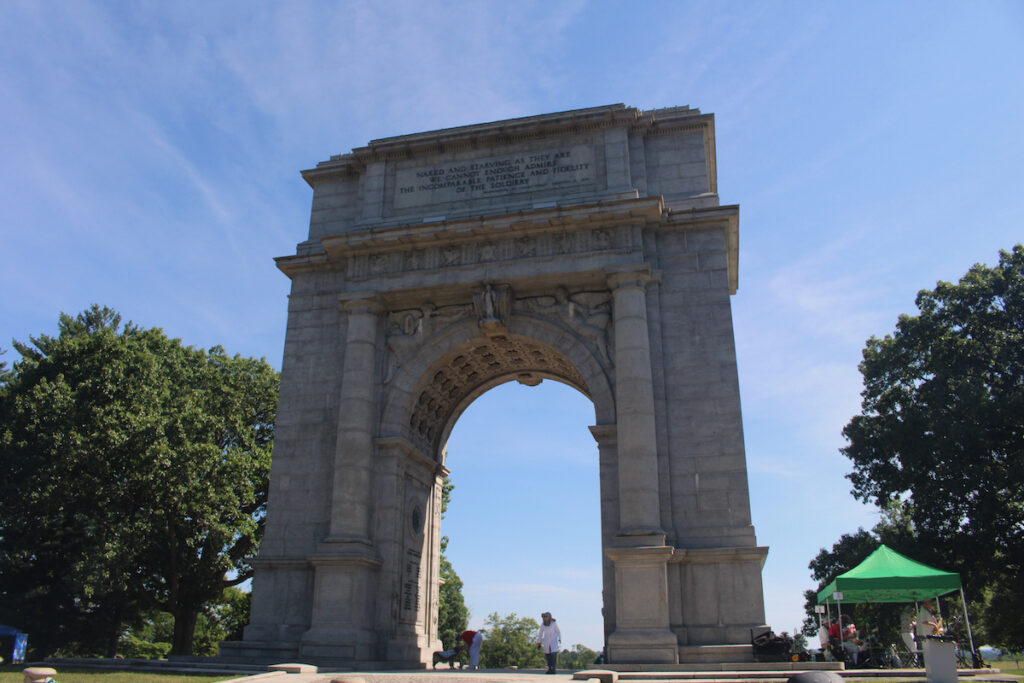
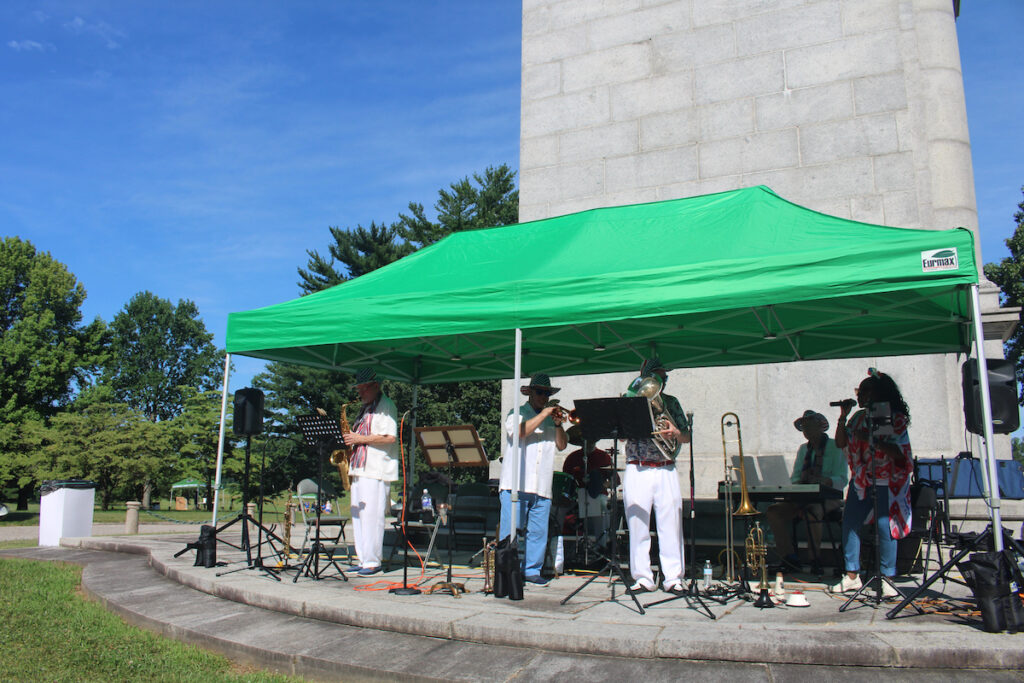
The National Memorial Arch, where many of the festivities were located Saturday, marks the place where Gen. George Washington and his troops marched into the area in December 1777. It was year three of the Revolutionary War, and the euphoria of the Declaration of Independence had faded into the harsh reality of a drawn-out military struggle. The British had occupied Philadelphia, and Washington needed his troops to regroup, train and plan during the winter months.
“If we think about the Declaration of Independence, the army marched out of here before the Fourth of July in 1778 and they weren’t really celebrating at all,” Purifoy said.
The location was selected for its defensibility and clear view of Philadelphia. More than 12,000 soldiers and 400 women came to live in the encampment. Soldiers dug entrenchments and prepared defenses while also constructing thousands of log huts. In the winter of 1777-1778, nearly 2,000 people died from disease at Valley Forge — more people than were killed in any other battle during the war.
Despite the hardship, Valley Forge functioned as the “birthplace of the American army,” said Don Naimoli, chairman emeritus for the Valley Forge Park Alliance, a nonprofit that fundraises for the site.
“The concept of the army was conceived in Philadelphia, but it was born here, because 13 separate fighting forces marched in the Valley Forge, and under [Gen. Friedrich Wilhelm] von Steuben, Von Steuben said they all know how to fight, they don’t know how to fight together, and he trained them as one army,” he said.
Thomas McGarry, who visited from New London, Connecticut, paired a colonial shirt, vest and hat with patterned Bermuda shorts more befitting the sweltering heat.
He said the story of how soldiers built the encampment at Valley Forge and regrouped amid wartime difficulties represents “the American dream.”
“They were being stopped at every front for building their dreams, and this was the result of it,” he said. “They completely threw off all shackles and said no more. There was a lot of work to do from there, and I know that it kept going, but the Revolution was the start of when we all decided that … each person gets to be free and make their own choices and build your dream, and we stand here in Valley Forge, where they kind of centered that whole ideology and got back to the fight.”
Related Content
The city’s free July Fourth concert on the Parkway is still on. Organizers say Saturday's star-studded show will happen rain or shine.
3 months ago
For some attendees, reflecting on their own journeys to becoming U.S. citizens made the day especially poignant.
“I’m proud to live in the U.S.,” said Brenda Chila, of Chesterbrook, Pennsylvania, holding back tears as she waved a fan and looked on at a band playing near the arch. “So I wanted just to celebrate the 250th anniversary. I feel like crying.”
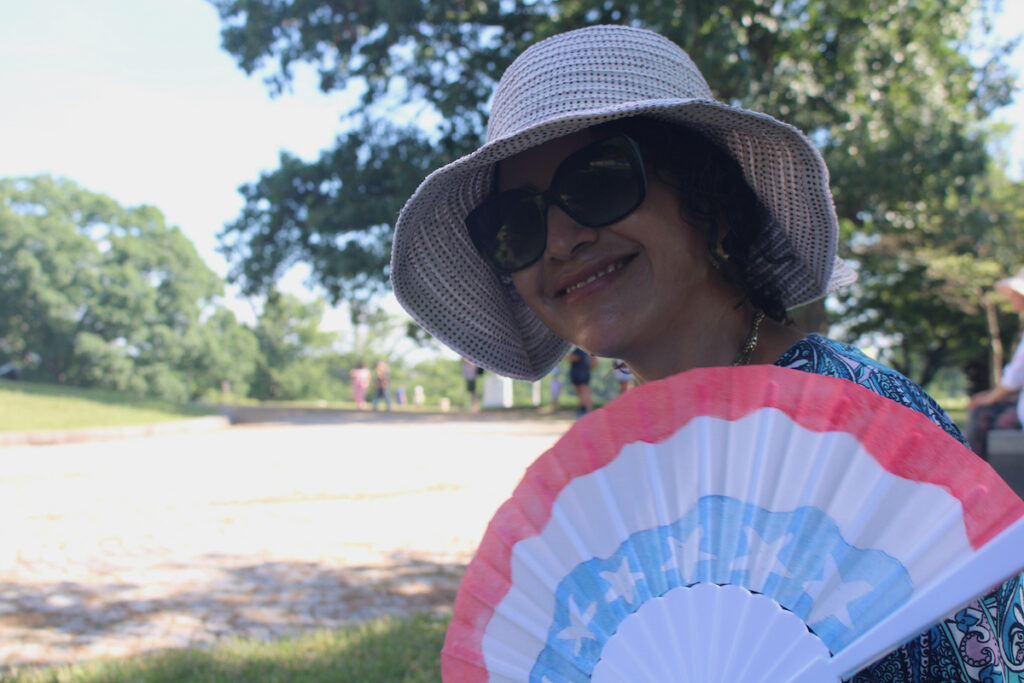
Chila was born in Mexico and is now a U.S. citizen. She said she is grateful for “all the freedom, the free speech, all the benefits” in the United States.
“I think we should be proud to live in the U.S., and maybe who doesn’t think so, they should try to live in another country for one month, and that’s it,” Chila said.
For other attendees on Saturday, emotions were more mixed.
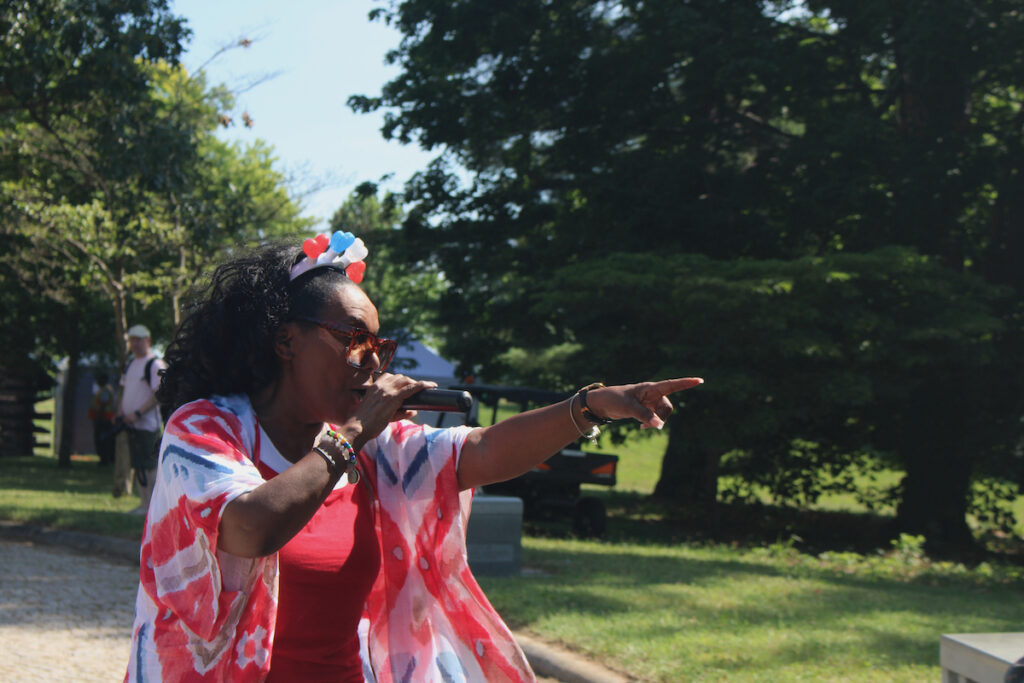
Ian Robertson and Margaret Robertson, of Devon, Pennsylvania, went for a hike in the park as they often do and stopped to listen to one of Saturday’s live readings of the Declaration of Independence.
After the reenactment, Ian Robertson said his emotions were “bifurcated.”
“Given the climate today, it really feels a little bit unreal, but at the same time very proud to be a citizen of this country,” he said.
“I think, importantly, it should give you some confidence that we’ll get through this, and to the other side, because certainly the founding of the country was not exactly peaceful or something that everybody agreed with, and they worked through that, so hopefully that’s the same for us,” he added.
Revisiting history is helpful for everyone to learn more about their country, Purifoy said.
“The Declaration of Independence is where everything started for this country, and so knowing what it says is an important part of being a citizen to the United States,” he said. “No matter what you might think, beyond that, the Declaration of Independence are words that started this all.”
The park has seen a higher visitation rate in recent weeks, Purifoy said, and festivities will continue through Sunday. Outdoor programming ended early Friday and Saturday and is scheduled to end early Sunday as well due to extreme heat.

Get daily updates from WHYY News!
WHYY is your source for fact-based, in-depth journalism and information. As a nonprofit organization, we rely on financial support from readers like you. Please give today.
Part of the series
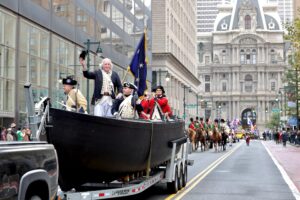
Philadelphia 250
The United States is marking its semiquincentennial — or its 250th anniversary — in and around the City of Brotherly Love.
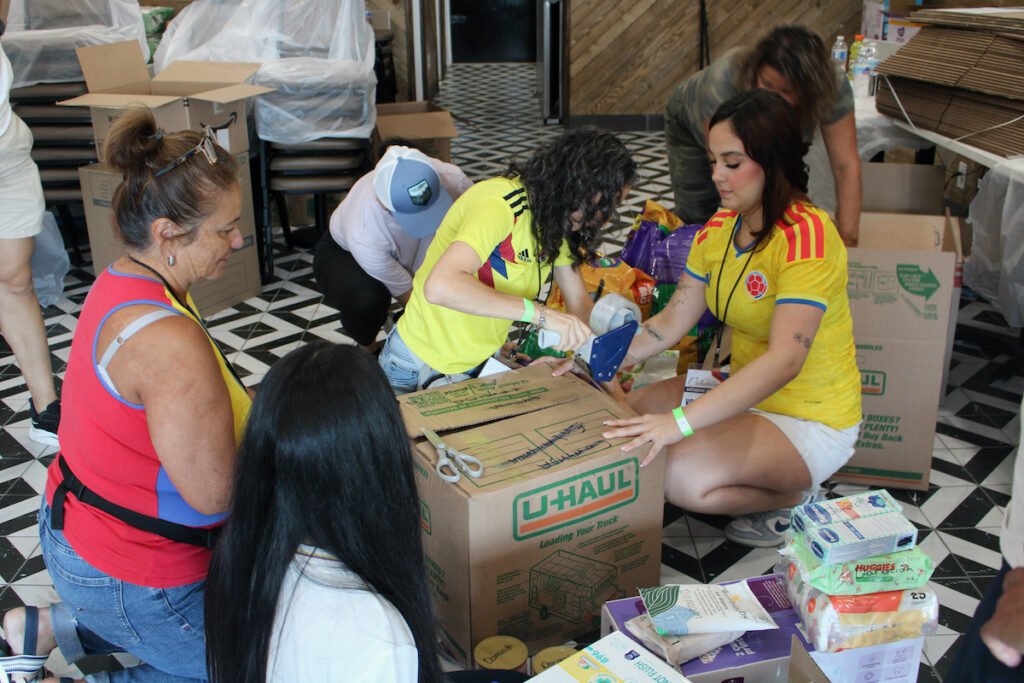
After deadly earthquake, Philadelphia’s Colombian community mobilizes recovery efforts
Local organizations and businesses are collecting boxes of food, diapers and other supplies for communities devastated by the 7.4-magnitude earthquake.
2 months ago
Listen 1:14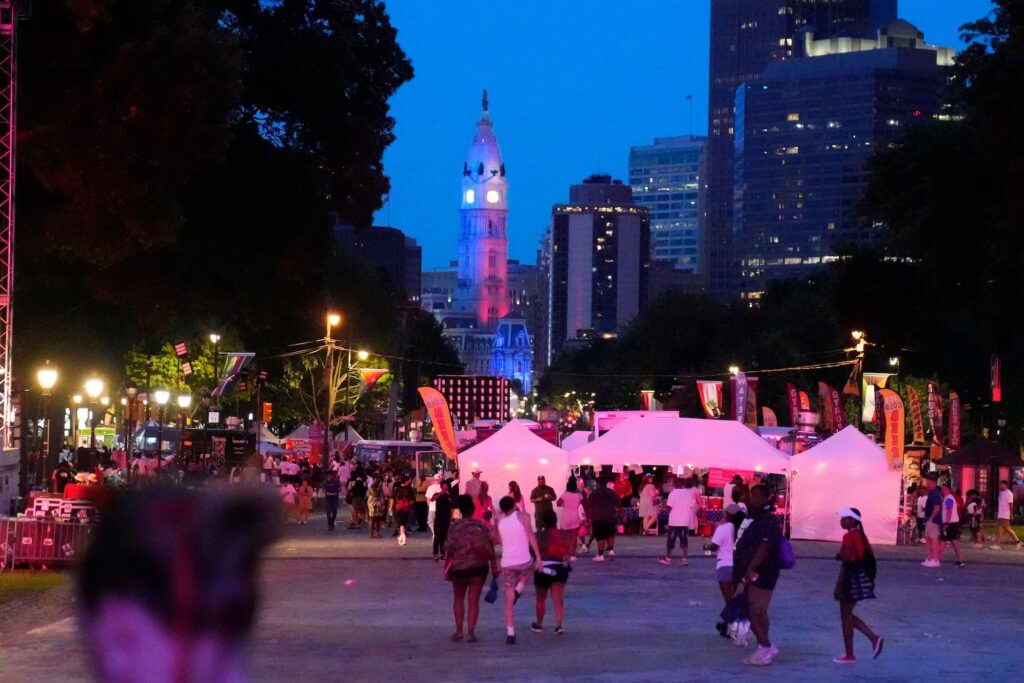
After days of oppressive heat, thunderstorms cut Philly’s July 4th concert short
After storms forced attendees to evacuate, the concert resumed around midnight with a shortened performance by The Roots, followed by fireworks.
3 months ago
Listen 0:55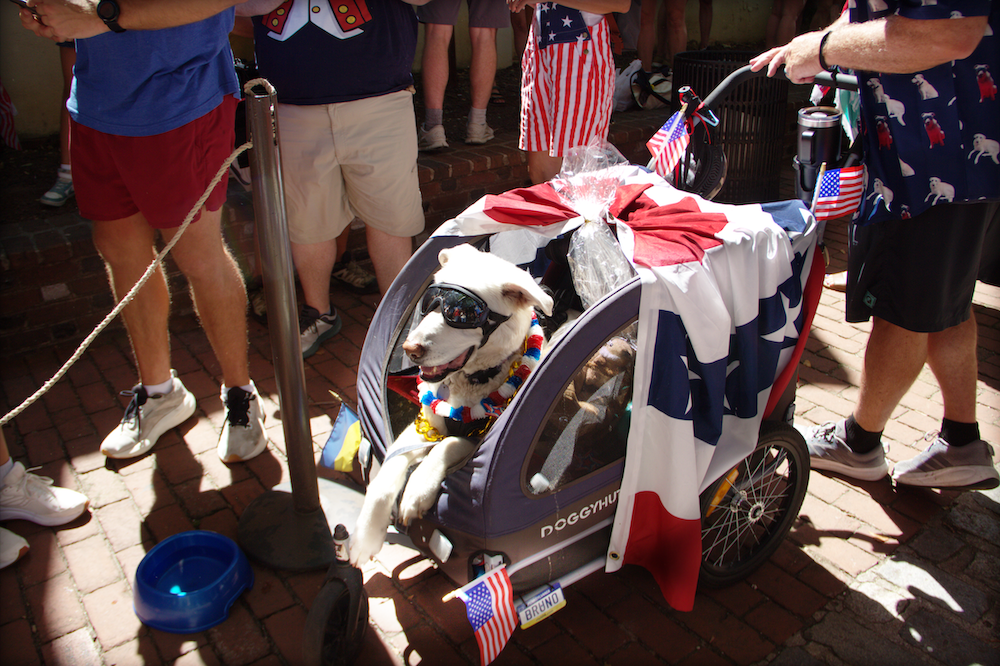
Patriotic Pet Parade at Betsy Ross House in Old City celebrates America’s 250th birthday
The competition boasted 22 pets donning a range of red, white and blue attire.
3 months ago