

Philly City Councilmember proposes ‘zero-waste’ bill to divert 60% of city trash from landfills, incinerators
Mark Squilla’s proposal lays out a long-term path away from incineration, while Jamie Gauthier wants the city to stop burning its trash now.
Listen 1:19
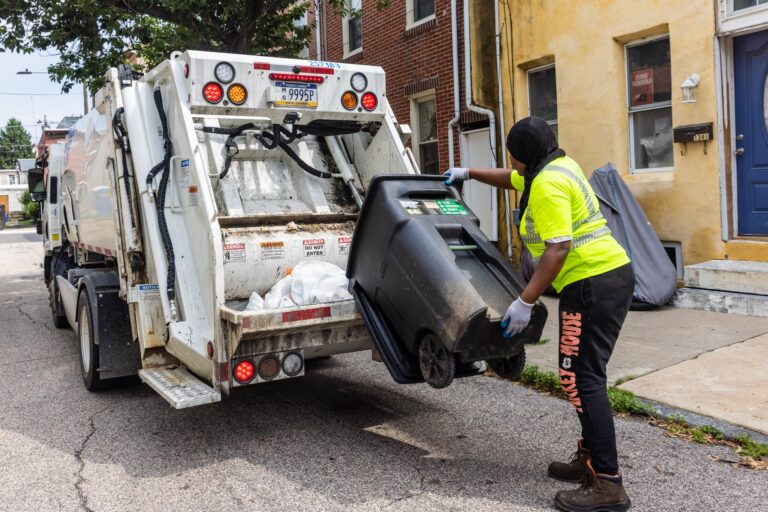
A sanitation worker empties a can on trash collection day in Philadelphia’s Fishtown neighborhood. (Kimberly Paynter/WHYY)
Have a question about Philly’s neighborhoods or the systems that shape them? PlanPhilly reporters want to hear from you! Ask us a question or send us a story idea you think we should cover.
Philadelphia City Councilmember Mark Squilla plans to introduce a bill that would require the city to make a plan to divert 60% of its trash away from landfills and incinerators.
The proposal comes as Council prepares to consider contracts with companies that will landfill and burn the city’s curbside trash for the next four to seven years.
Squilla’s bill would direct the city to create a “Zero Waste Circular Economy” plan by the end of these next contracts, then consider longer 20-year contracts for recycling and waste disposal that could include rail transport of waste, municipal composting and anaerobic digestion, which uses bacteria to process organic waste such as food and sewage and produces gas that can be burned for energy.
The bill does not set a deadline for the 60% waste diversion goal, but Squilla said Wednesday it should be achieved before the end of the first 20-year contract, which could be around 2050.
“The goal is to significantly reduce the localized greenhouse gases emissions, clear the litter from our neighborhood streets and create high-quality green jobs in our city,” he said in an interview Wednesday.
The city extended its curbside trash disposal contracts until the end of the year after they expired in late June. The city intends to issue new contracts to WM, Republic and Reworld, a company that burns trash in waste-to-energy incinerators, including in Chester. Council must approve these contracts before they can go into effect.
Mayor Cherelle Parker’s administration expressed support for Squilla’s bill during a press conference Wednesday. They also touted the pending disposal contracts as saving taxpayers money. Administration officials have described landfilling and incineration as having essentially equal environmental impacts.
“Our ultimate goal with the [future 20-year] contract is to move away from both landfills and incineration,” city Managing Director Carlton Williams said.
Related Content
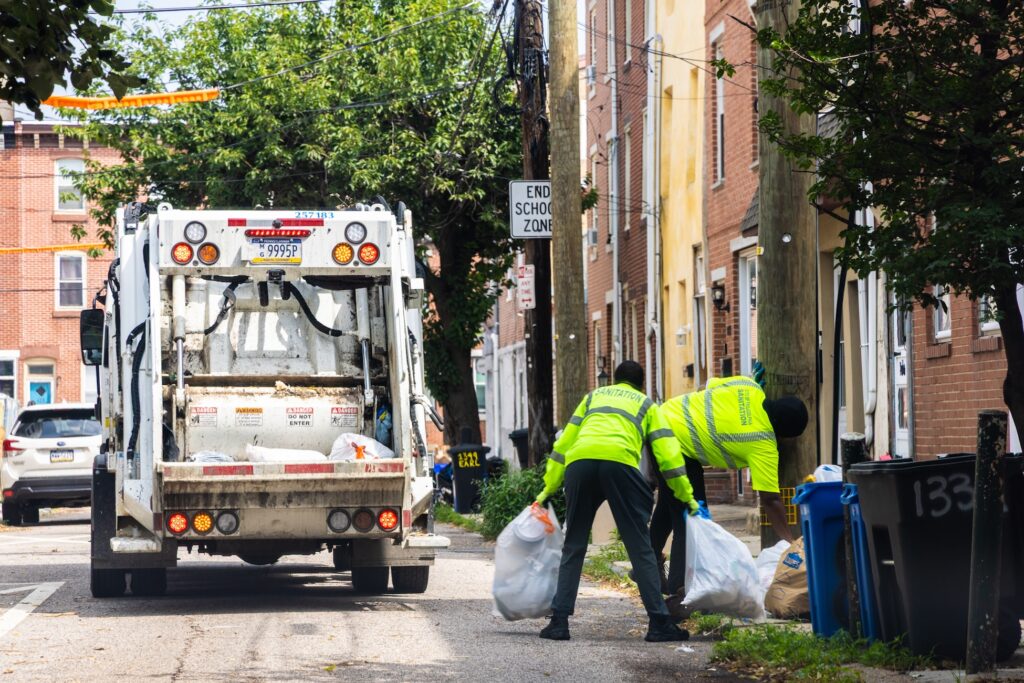
Philadelphia plans to renew controversial contract with Reworld trash incinerators
The company runs a facility in Chester that burns household trash, releasing unhealthy air pollution.
3 months ago
Listen 1:13Another zero-waste study
The plan Squilla’s bill envisions would not be the city’s first to focus on diverting waste. A 2017 plan made recommendations to get the city to zero waste by 2035, and Parker’s Clean and Green Cabinet has already been working on waste diversion solutions, said Casey Kuklick, deputy director of the city’s Office of Clean and Green Initiatives. He said Philadelphia Gas Works is investigating the feasibility of anaerobic digestion, and the Office of Clean and Green Initiatives recently received a grant to research food waste diversion.
“We already have a roadmap toward a zero-waste future,” Kuklick said during Wednesday’s press conference.
But the city needs more time to study and plan other parts of the “circular economy,” such as hubs for reusing construction materials and the infrastructure to manufacture goods from recycled material, said Samantha Wittchen, co-founder and managing director of Circular Philadelphia, during Wednesday’s press conference.
Maurice Sampson, a consultant who started the city’s recycling program in the 1980s and helped draft Squilla’s bill, said the 20-year contract’s length will allow the city to ask companies to do more, such as financing the construction of an anaerobic digester.
“So now we’re producing gas from the food waste that we’re currently throwing away. We’re creating high-quality compost for … organic farms,” he said. “These are hundreds of jobs.”
Related Content
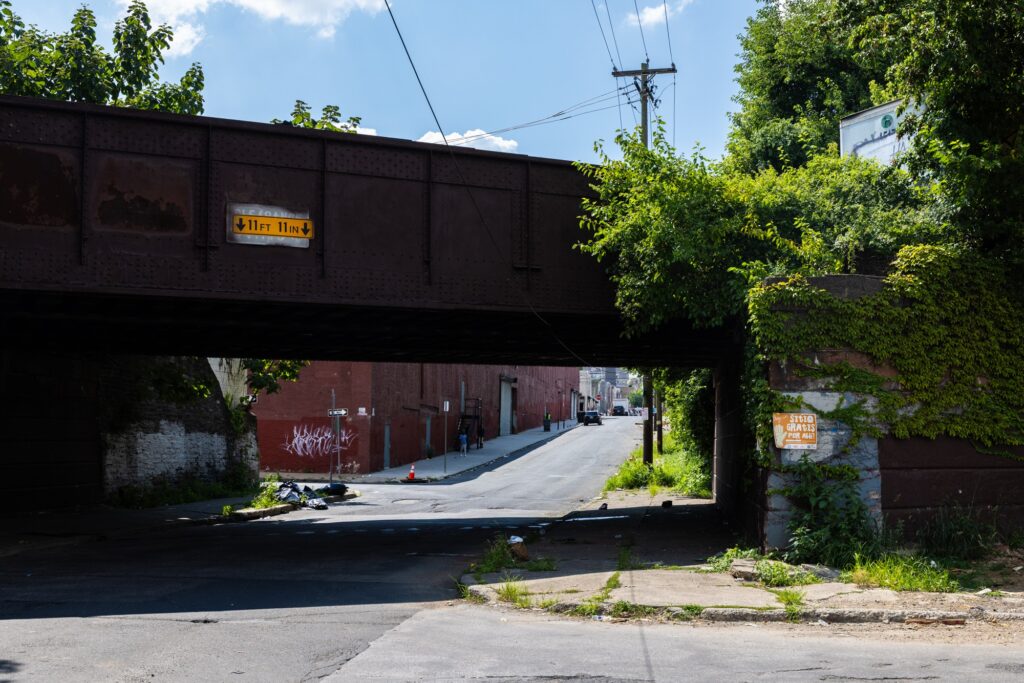
North10 is helping contractors and households pay to dispose of waste legally, diverting thousands of pounds of trash from illegal dumpsites.
3 months ago
Listen 0:59Bill would not ban incineration of waste
Environmental justice advocates have pushed the city to stop sending its trash to waste incinerators over concerns about the air pollution it releases. Councilmember Jamie Gauthier sponsored a bill that would ban the city from signing new contracts for incineration, but pulled the bill from a vote at the last minute in January amid opposition from Reworld employees and labor unions.
Reworld spent over $100,000 to lobby Parker’s administration and Council between October 2025 and March 2026. Parker administration officials opposed Gauthier’s bill, saying that constraining the city’s waste disposal options could raise costs for taxpayers.
Gauthier described Squilla’s bill as a “long-range plan to make a longer-range plan.”
She said while she supports the goal of reducing waste, she sees it as a “dirty approach” to ensure that council members feel comfortable supporting the proposed waste disposal contract with Reworld. She is calling on her fellow members of Council to reject the contract and said the plan outlined in Squilla’s zero-waste bill does not change the “moral choice” facing Council now.
“I support us developing a plan to get to zero waste, and let’s stop burning our trash right now,” she said. “Those are two things that can happen in concert.”
Sampson said anaerobic digestion could eventually replace incineration.
“This plan is about seeing waste as an asset instead of a liability,” he said.
Reworld did not immediately respond to a request for comment.

Get daily updates from WHYY News!
WHYY is your source for fact-based, in-depth journalism and information. As a nonprofit organization, we rely on financial support from readers like you. Please give today.
Brought to you by PlanPhilly
PlanPhilly
In-depth, original reporting on housing, transportation, and development.
Philly’s new crime lab takes shape as City Council approves borrowing $40 million more
The Police Department's $95 million facility in University City will replace what is widely considered an undersized, outdated lab in North Philadelphia.
6 days ago
Listen 0:47
While there’s widespread support for saving the pop art mural, its future remains uncertain due to its condition.
2 weeks ago
Listen 1:09
Philadelphia real estate developers argue a 20-year tax abatement would boost city revenues
Critics contend tax breaks deprive the city and schools of badly needed funds, while proponents say that’s a misconception.
2 weeks ago
Listen 1:23