2026 WHYY News Civic News Summit highlights trust, truth and the future of local news
The conference will focus on media integrity and distinguishing truth from misinformation, with panels on public media and community engagement.
Listen 6:37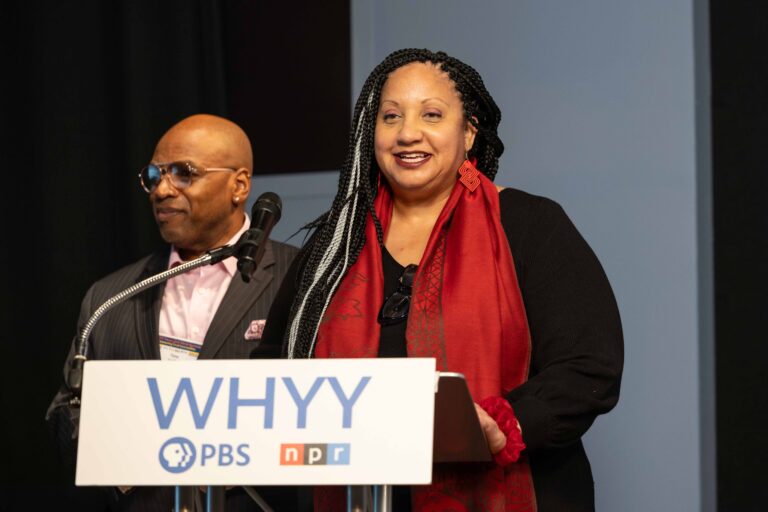
WHYY Vice President of News and Civic Dialogue, Sarah Glover, kicked off the WHYY News Civic News Summit on April 4, 2025 at WHYY in Philadelphia. (Kimberly Paynter/WHYY)
From Philly and the Pa. suburbs to South Jersey and Delaware, what would you like WHYY News to cover? Let us know!
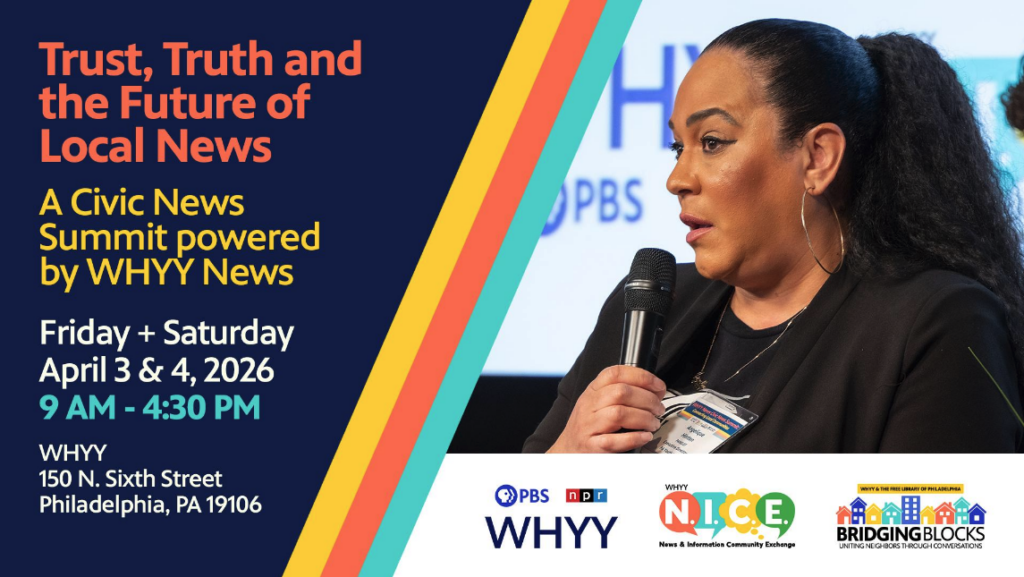
WHYY News will focus on trust and truth while exploring the future of local news at the annual Civic News Summit, scheduled for April 3 and 4 at WHYY headquarters in Philadelphia.
The event is organized by WHYY’s news team, Bridging Blocks, the Institute for Nonprofit News and NewsMatch.
WHYY’s Morning Edition host Jennifer Lynn spoke with Sarah Glover, vice president of news and civic dialogue, about the 2026 summit and what attendees can expect.
—
Jennifer Lynn: Congratulations on leading us into the third year of the summit. It’s an exciting time, and I find it to be a playground for journalists, community communicators and networkers. Attendees can learn how to create a podcast, diversity and media will be addressed, and there will be workshops on community engagement journalism. And one of the topics that we take very seriously at WHYY is the future of public media. You and I are asked on a regular basis about the future of public media. Where do you begin to tell its story from the perspective of a newsroom leader at WHYY?
Sarah Glover: The future of public media is bright, but it’s also evolving and changing, and it’s critical that, for those of us working in public media, we’re up to the task. And that includes being innovative and open to change. For the public, we can’t do this work without you. So your support as members of WHYY is critical to being able to support the dynamic programming and news and information service that we provide. We all know that in the past year, the federal government did not continue its funding of public media. And so that is a clear shift that public media stations across the country have to do things differently, turn to the community and really bolster their independent services that they provide to the public and to the community at large.
JL: Well, keeping public media whole is about listener and viewer reliance on it as a trusted, truth-telling source of information and news. What gets in the way the most of carrying that torch?
SG: You know, as a news leader, I would say if I had more staff, more reporters, more bandwidth, that I could really help our community be served even in a more dynamic way than we already are. We cover the entire state of Delaware, South Jersey, the entire Greater Philadelphia region; so that’s Center City and then the broader collar counties, and that takes bandwidth, that takes commitment. And we’re certainly committed, but we do have limitations based on the number of staff to get the job done.
So how are we unique as a news service? We’re very strategic in the stories that we tell. We’re very community-focused, so we can cue into the pulse of the community and respond to the feedback that we receive. And last but not least, we’re present. We’re there. We hosted over 100 in-person events in 2025, and we’re going to continue that public service of civic dialogue, of being present and, of course, responding to the needs of the community.
Related Content
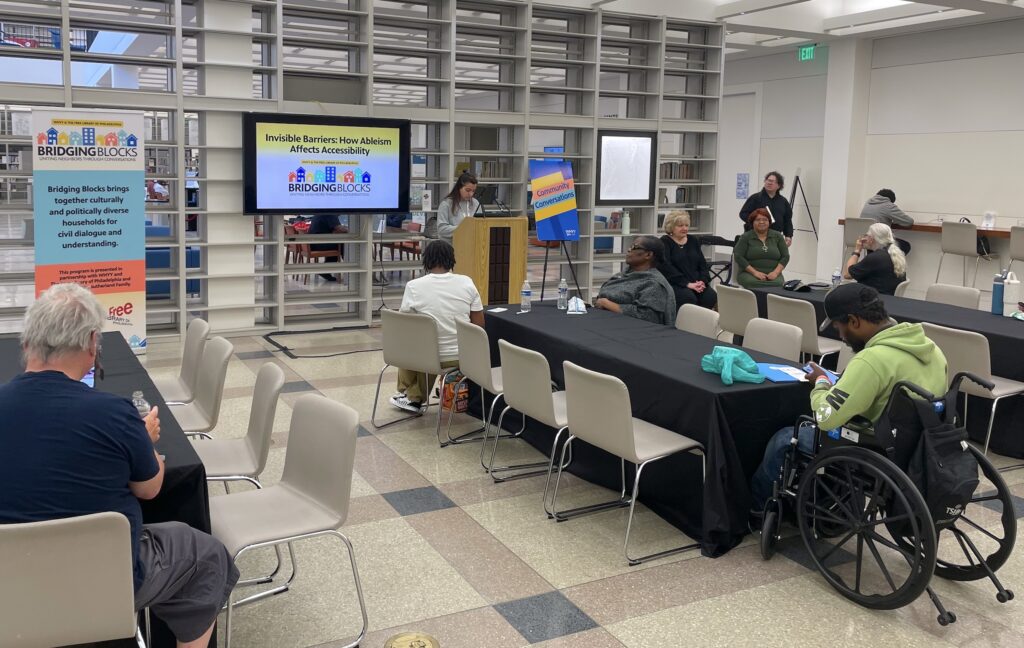
WHYY’s Bridging Blocks tackles ableism and accessibility in latest community conversation
During the community conversation, the group talked about people in power and those meant to help them didn't listen to their needs.
1 year ago
JL: Now, recent data indicate that Black journalists in U.S. newsrooms face a crisis in representation. You’re a journalist of color in the business for decades. What needs correction or healing right now?
SG: As a Black journalist myself leading a local newsroom, I have a terrific opportunity here at WHYY to lead, but also lead by example. And so where we’re butting up against challenges for journalists of color and Black journalists is the lack of representation in newsrooms, because at the end of the day, your newsroom should look like the community. It should be unique and representative of all kinds of people. And that’s what makes a news report accurate. It makes the news report well done because you have representation of the people who are actually generating that news and engaging with the community.
Is there a clear-cut answer into how we’re going to deal with diversity issues in the media moving forward? No, I think it’s a huge challenge. And the biggest hurdle is that there are fewer staff, there are fewer journalists working in newsrooms across the country. So there are fewer opportunities. I would just challenge anyone working in news leadership or in corporate media to ensure that the opportunities are fair and balanced.
No one should get a job because of the way they look, but no one should also be excluded or not provided an opportunity because of the way they look. So if we’re doing good journalism, we’re fair and we’re balanced. And that’s the key that I hope that the philosophy continues moving forward.
JL: The summit gets into community engagement, engaged journalism. Our Bridging Blocks team at WHYY has so many events. They’ve really become a mainstay of civic dialogue in the tri-state region. Is there ever pressure to refrain from some of the most difficult conversations in public spaces because those conversations become too incendiary?
SG: You know, Bridging Blocks is such a unique program for any newsroom. We partner with the Free Library of Philadelphia, other library systems and community partners, and we hold micro, small conversations in neighborhoods.
Topics are picked that could be ones that would cause tension or a difference of opinion, but through the facilitators that work on our staff and community members who actually work inside the newsroom, they facilitate those conversations so that you can disagree with your neighbor, but you are not disagreeable when you disagree. And it’s a really great educational opportunity. It also helps bring community members together.
We’re excited because in 2025, we actually convened over a thousand people for these really important and impactful conversations, and we’re looking to expand that work heading into the future.
JL: And I want to note that a few panels at the summit this week will stream live on Facebook. So just go to the WHYY Facebook page, such as the topic “The Future of Public Media,” which is a good one. Sarah, thank you.
SG: Thank you so much. And you know what? The best thing about this summit — it’s free, and we’re going to serve breakfast and lunch. You know, learn a whole lot. I hope to see you there.
—
WHYY’s Civic News Summit will focus on trust, truth and the future of local news. The event is free and open to the public. To register, visit whyy.org/events for more details.
Get daily updates from WHYY News!
WHYY is your source for fact-based, in-depth journalism and information. As a nonprofit organization, we rely on financial support from readers like you. Please give today.
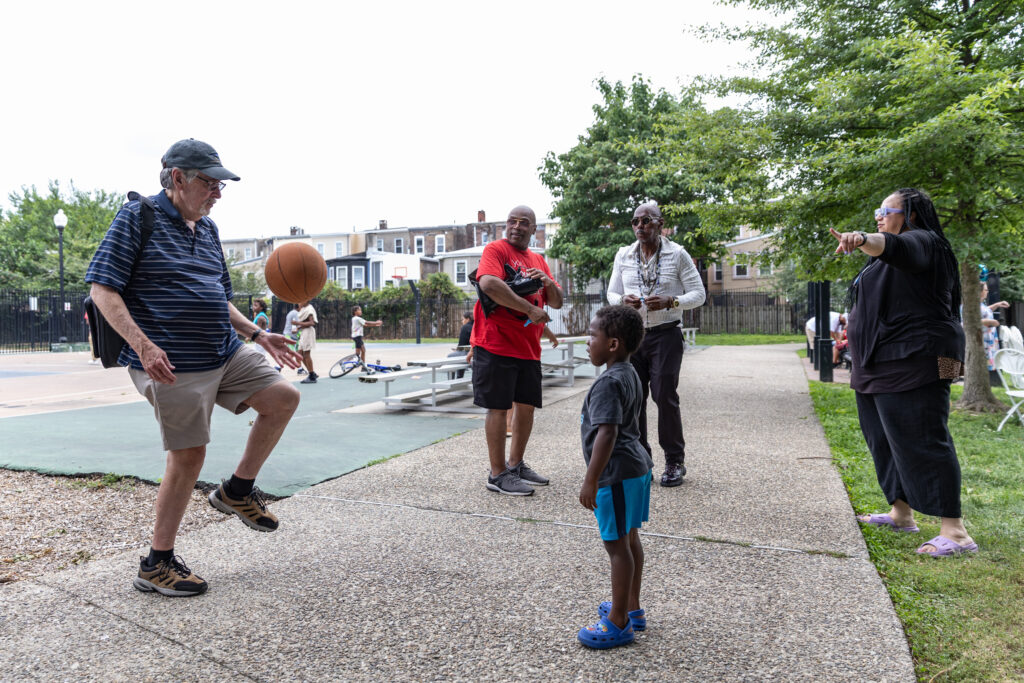
Trenton residents come together for a community barbecue powered by Dodge Foundation
“For WHYY to really take a chance and really take an approach like this is important,” said Perry Shaw III, director of the Trenton Community Street Team.
1 year ago
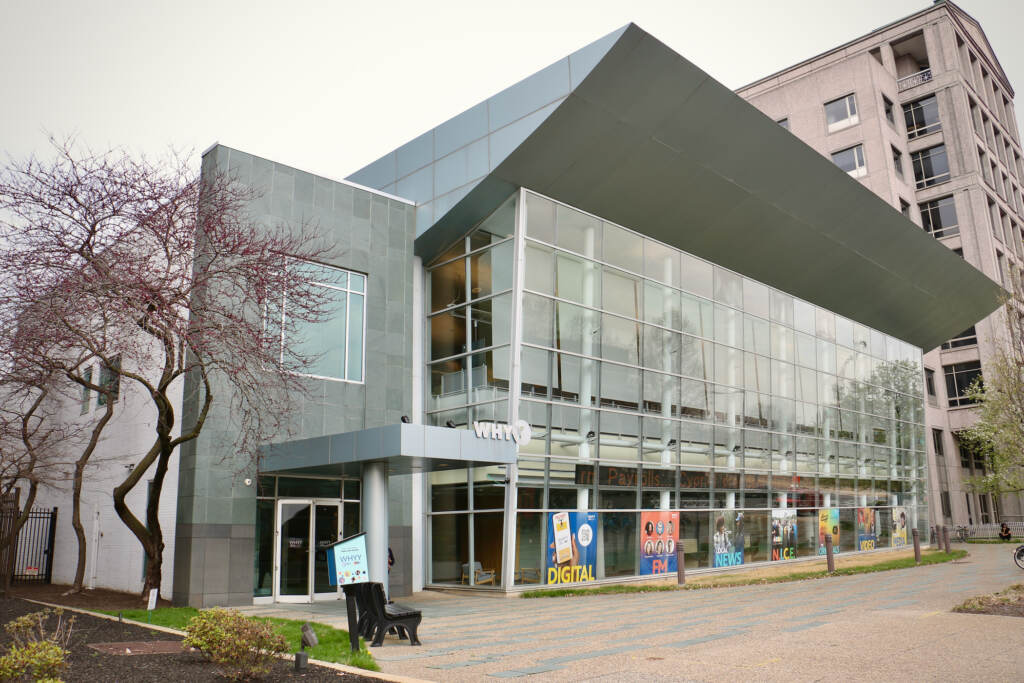
WHYY News joins Every Voice, Every Vote initiative to expand access to civic news and information
The grant funding will support community-centered projects that prioritize solutions-focused accountability reporting and civic engagement.
2 years ago
5 key takeaways on civic dialogue and journalism from WHYY News summit
The conference boasted a full roster of local journalism experts who shared their thoughts on cultivating civic dialogue with audiences.
2 years ago