

PGW upgrading infrastructure to cut a small fraction of its climate pollution
The project will reduce methane releases and cut the utility's overall greenhouse gas emissions by a fraction of a percent.
Listen 1:04
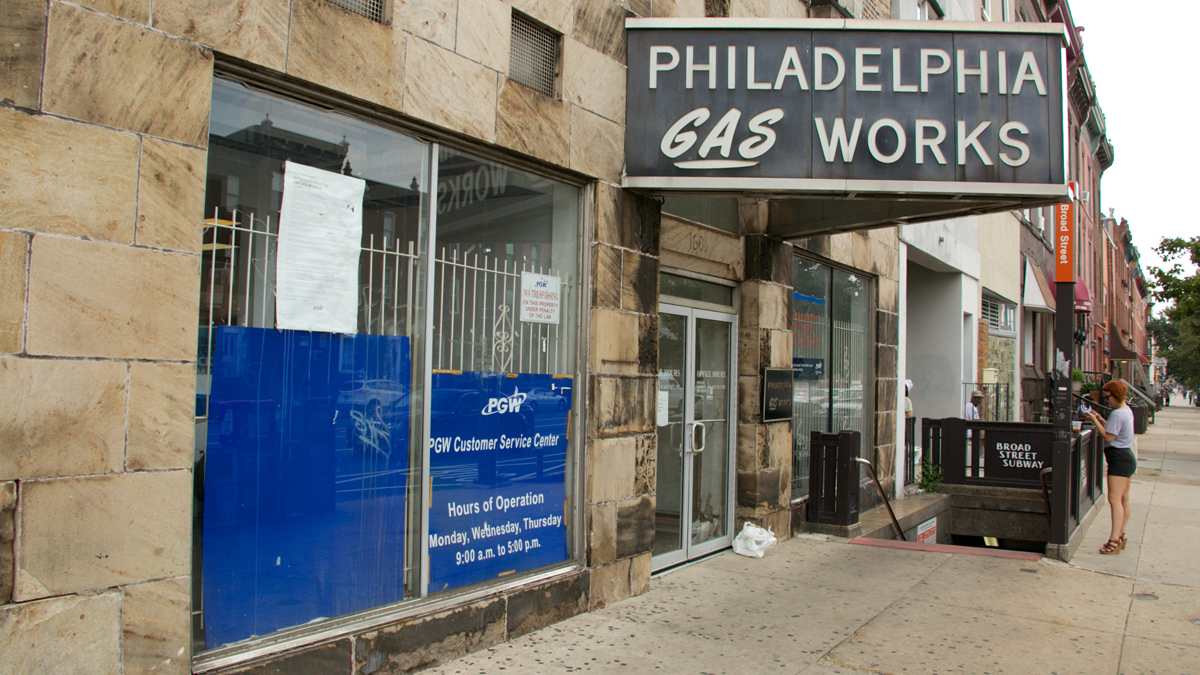
Philadelphia Gas Works at 1601 S. Broad Street. (Nathaniel Hamilton for WHYY)
This story is part of the WHYY News Climate Desk, bringing you news and solutions for our changing region.
From the Poconos to the Jersey Shore to the mouth of the Delaware Bay, what do you want to know about climate change? What would you like us to cover? Get in touch.
Philadelphia Gas Works is upgrading its distribution infrastructure to reduce its climate pollution.
PGW has started replacing 27 old valve components at nine metering and regulating stations, which control gas pressure through its pipelines, using a $1.1 million grant from Pennsylvania’s Reducing Industrial Sector Emissions in Pennsylvania program that the state announced in April. PGW expects the project will eliminate most of the climate-warming methane pollution from these stations and improve local air quality.
“PGW is actively reducing its carbon footprint, and we continue to upgrade our infrastructure to help reduce energy use and greenhouse gas emissions,” Janelle Johnson-Grummert, PGW’s director of sustainability, said in a statement.
PGW, the largest municipally owned gas utility in the country, contributes 21% of Philadelphia’s total greenhouse gas emissions. Most of this comes from the use of its gas in homes and businesses, not its infrastructure that includes these new valves.
Methane, the primary component of the natural gas PGW distributes and sells, is a powerful greenhouse gas when released to the atmosphere. Gas releases, including those from the old pressure-regulating valves, make up 3.5% of the direct carbon emissions from PGW’s facilities and infrastructure, according to the company. Larger sources of emissions include gas leaks from the company’s pipelines and from customers’ meters.
The valve replacement project will reduce emissions from PGW’s facilities and infrastructure by 1.3%, according to a spokesperson. That’s equivalent to removing around 1,000 gasoline-powered passenger cars from the road for one year.
Related Content
PGW agreed to hold public meetings on reducing its carbon footprint. At the first meeting, there were lots of questions from the public but no answers from the utility.
4 months ago
Listen 1:23Mitch Chanin, an environmental advocate and resident of Northeast Philadelphia who wants PGW to transition away from fossil fuels, said the project is worthwhile but does not address the bulk of the company’s climate pollution. When emissions from the use of the gas in homes and businesses are taken into account, the valve replacement project will reduce the utility’s greenhouse gas emissions by a small fraction of a percent.
“It doesn’t really make a dent in the larger problem that we have,” Chanin said. “The biggest part of their greenhouse gas inventory is the carbon dioxide from burning gas. So methane leaks are extremely important — any reduction in those leaks matters — but this project only addresses a very tiny portion of the methane leaks that they [PGW] count.”
PGW spokesperson Christina Clark said in a statement that the valve stations are “critical infrastructure,” and the state grant will lessen the financial burden on PGW’s ratepayers.
“No project is too small – and this is one part of a larger effort,” Clark said.
Currently, old valves at the metering and regulating stations vent natural gas to the atmosphere by design for safety reasons, according to PGW. The two new valve types PGW is installing will eliminate the need to vent gas part or all of the time, Clark said.
So far, the majority of PGW’s carbon emission reductions have come from replacing its aging gas mains to limit leaks, which also lowers the risk of explosions. The company says it cut its carbon emissions by the equivalent of removing around 2,800 cars from the road for a year between September 2024 and August 2025.
Environmental advocates have pushed PGW to go further and pursue alternative business models that do not rely on the burning of fossil fuels.
The utility held two community engagement sessions this summer on a study of lower-carbon energy sources for its future, including electrifying the system that currently uses natural gas for heating and cooking, or pursuing a “hybrid” approach by continuing to sell natural gas alongside other lower-carbon fuels.
PGW plans to release a study evaluating these potential pathways this fall.

Never miss a moment with the WHYY Listen App!


WHYY is your source for fact-based, in-depth journalism and information. As a nonprofit organization, we rely on financial support from readers like you. Please give today.
Part of the series

PGW spends millions in ads with the MLB team. The utility’s CEO is in apparent violation of state ethics law for not disclosing the value of the accepted gifts.
6 days ago
Listen 5:18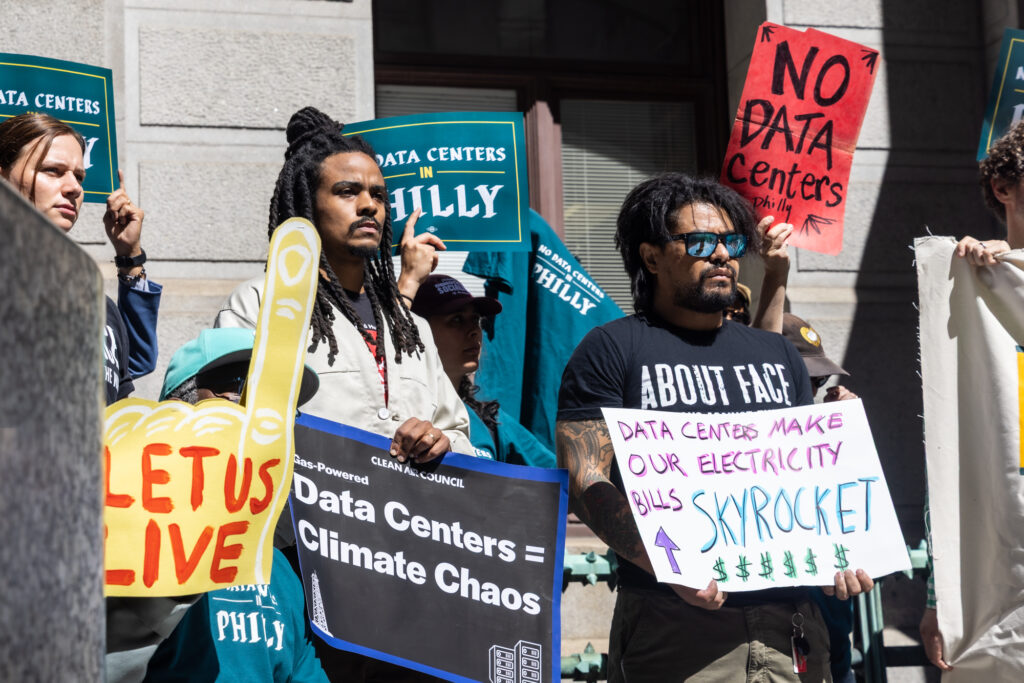
Philadelphia protesters demand city leaders prevent data center development
City officials say two sites in Philadelphia have potential for AI data centers, but there are no proposals for development.
4 weeks ago
Listen 1:24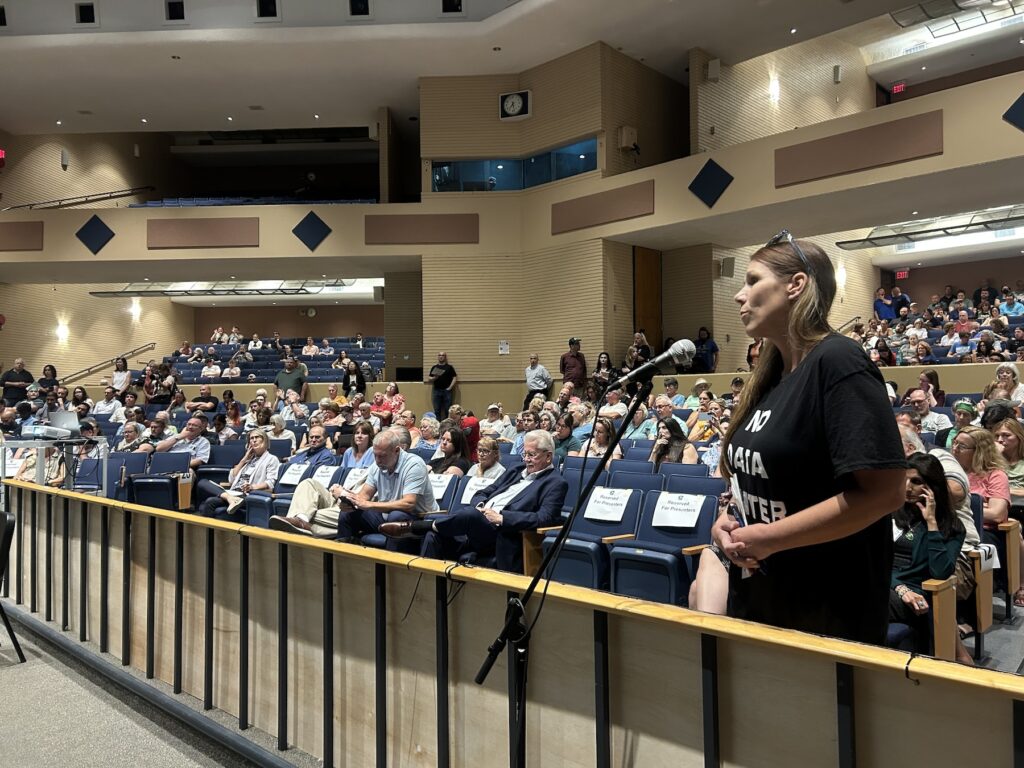
Amazon to install hundreds of gas-fired generators at Bucks County data center site
Nearby residents opposed the project during a tense public meeting Tuesday.
3 months ago
Listen 1:07