
America’s oldest chartered hospital is now a Philly museum. Its lead curator wants you to have a ‘fabulous experience’
To mark Pennsylvania Hospital’s 275th anniversary, archivist Stacey Peeples is leading its transition into a museum for the public, open May 8.
Listen 2:18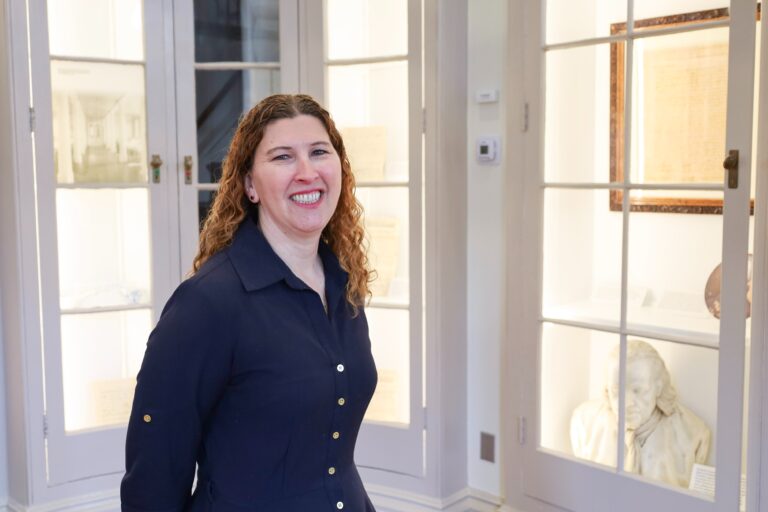
Stacey Peeples is the lead archivist and curator at the new Pennsylvania Hospital Museum, which opened May 8, 2026. She has worked in the hospital’s archives for 25 years. (Nicole Leonard/WHYY)
From Philly and the Pa. suburbs to South Jersey and Delaware, what would you like WHYY News to cover? Let us know!
As the hours ticked away, coming closer and closer to the grand opening of the Pennsylvania Hospital Museum, the entire Pine Building was caught up in a flurry of activity.
Groundskeepers and maintenance crews outside of the museum’s site directed deliveries, making sure tents in the garden were secured in the grass. Inside the old brick building, people were clearing cardboard boxes out of rooms, vacuuming the plush carpets and searching closets for placards.
Nearly all questions and check-ins were directed at one person: Stacey Peeples.
“Everybody OK?” she asked on her way up the grand staircase to the second floor of the building.
Peeples has been the lead archivist and curator at Penn Hospital for 25 years. Helping transform the site of the nation’s oldest chartered hospital into a new museum has been one of her biggest projects yet.
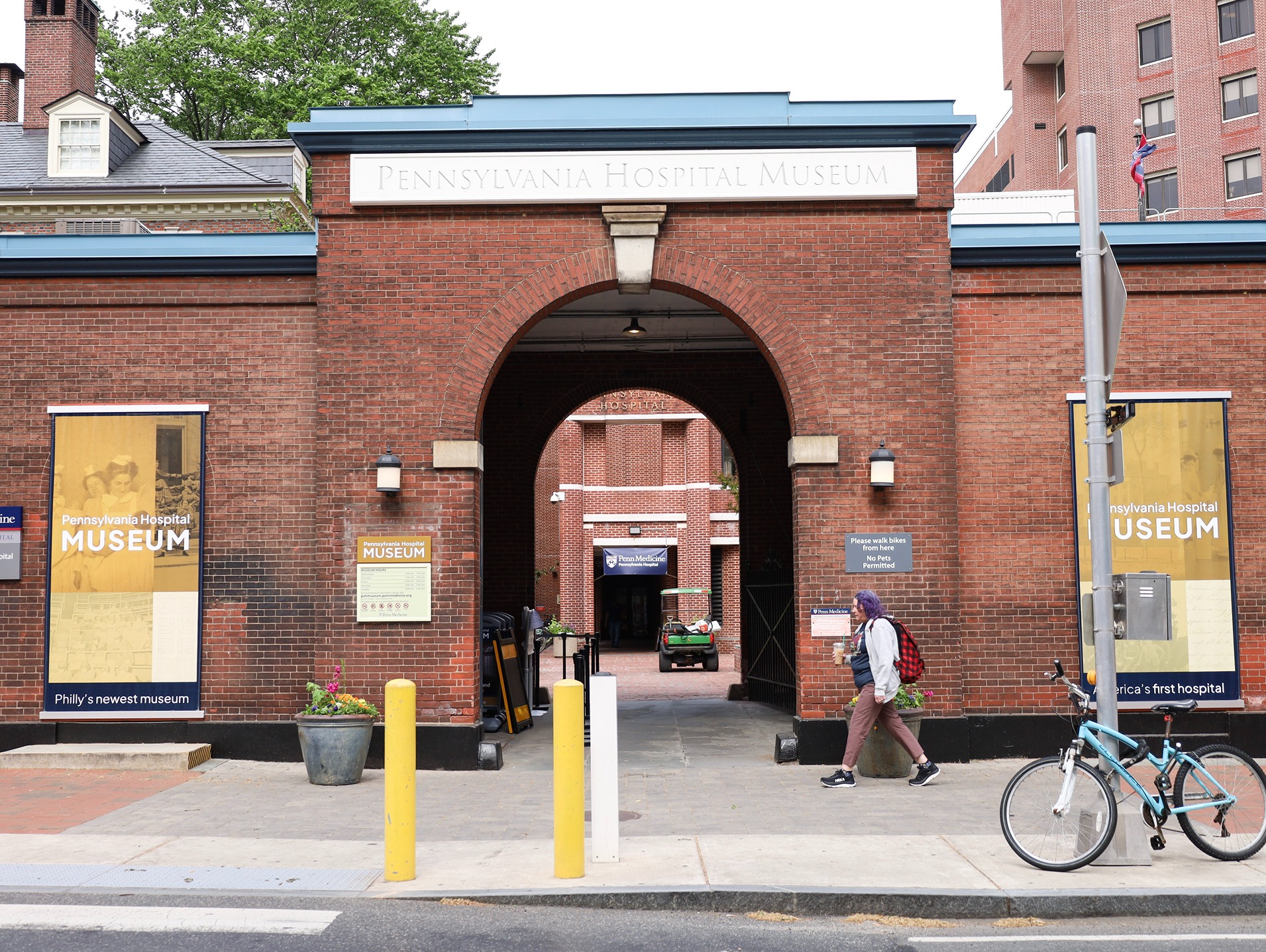
The museum’s May 8 opening marks the hospital’s 275th anniversary, and is timed to coincide with this summer’s America250 program celebrating the country’s semiquincentennial anniversary.
“I hope people come and they enjoy it. I hope that they have that same appreciation for the hospital and what it is that we have done here in this community for 275 years,” Peeples said. “You look around and most places don’t last that long, and to be doing the same exact thing that we were chartered to do all those years ago, that’s pretty special.”
Related Content
Pennsylvania Hospital, founded in 1751, treated patients in the Pine Building. The museum will feature the original surgical theater and other exhibits.
8 months ago
Listen 1:16Laying the foundations of medicine in the U.S.
The original hospital at the Pine Building is older than America itself. Dr. Thomas Bond and Benjamin Franklin founded the nonprofit, public facility in 1751 as a place for “the relief of the sick and miserable.” That’s 25 years before Franklin and other revolutionaries would sign the Declaration of Independence just a quarter-mile away.
Doctors and nurses treated patients on site for physical ailments and mental illnesses until 1971, after which all inpatient care transitioned to the larger and more modern adjoining building that is known as Pennsylvania Hospital today.
The Pine Building was then used for Penn Medicine administrative offices and to house the hospital’s archives. Peeples and her colleagues would give small group tours to nursing students and other visitors by request.
Now, any member of the public can buy a ticket and walk through the space. Different exhibits highlight the hospital’s history, the evolution of maternity and psychiatric care at the site, and medical innovations made at Penn Medicine over the last 275 years.
-
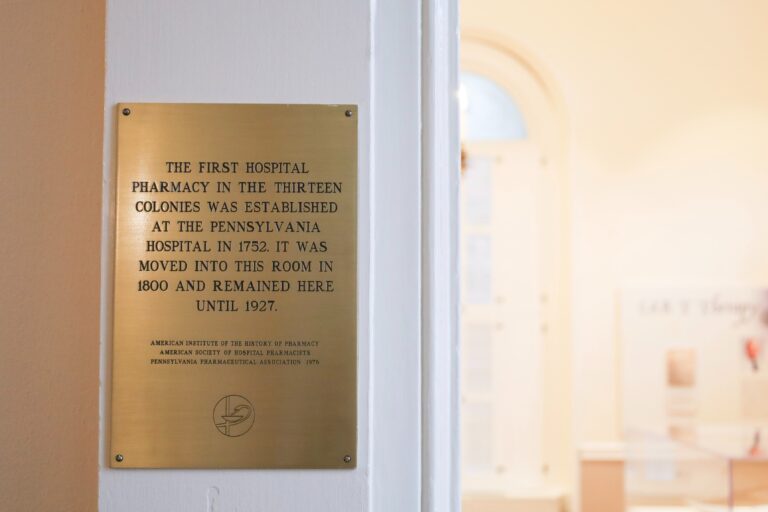
The new Pennsylvania Hospital Museum, the site of the oldest chartered hospital in America, opened May 8, 2026 in Philadelphia. Exhibits include a medical library, the restored apothecary and the original surgical amphitheater, as well as displays featuring former hospital staff and the evolution of health care and medical innovation. (Nicole Leonard/WHYY) -
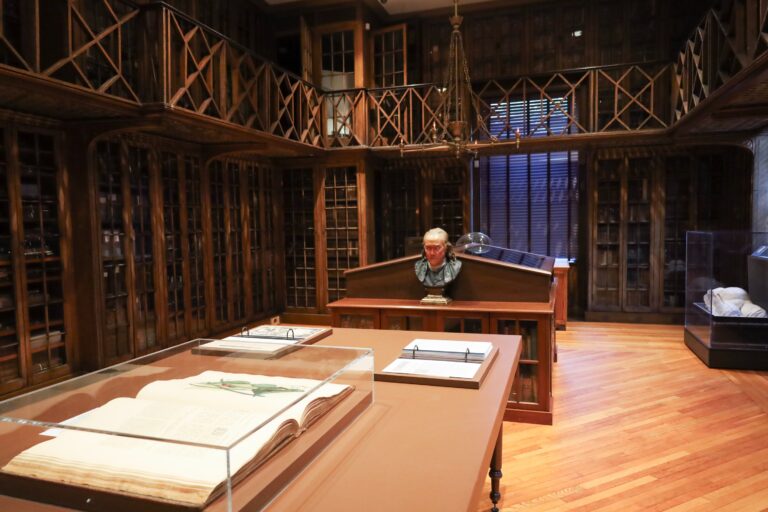
The new Pennsylvania Hospital Museum, the site of the oldest chartered hospital in America, opened May 8, 2026 in Philadelphia. Exhibits include a medical library, the restored apothecary and the original surgical amphitheater, as well as displays featuring former hospital staff and the evolution of health care and medical innovation. (Nicole Leonard/WHYY) -
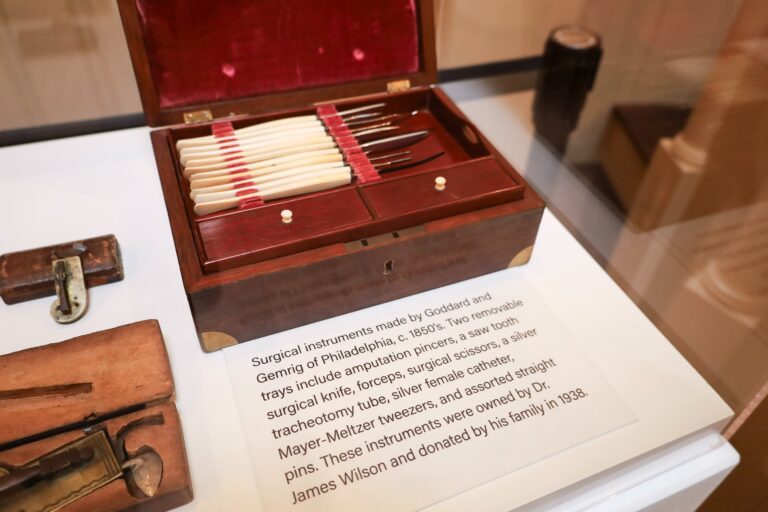
The new Pennsylvania Hospital Museum, the site of the oldest chartered hospital in America, opened May 8, 2026 in Philadelphia. Exhibits include a medical library, the restored apothecary and the original surgical amphitheater, as well as displays featuring former hospital staff and the evolution of health care and medical innovation. (Nicole Leonard/WHYY) -
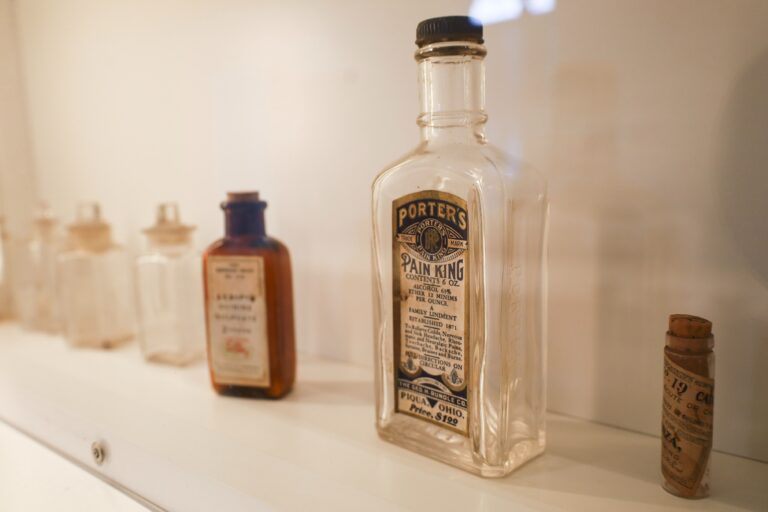
The new Pennsylvania Hospital Museum, the site of the oldest chartered hospital in America, opened May 8, 2026 in Philadelphia. Exhibits include a medical library, the restored apothecary and the original surgical amphitheater, as well as displays featuring former hospital staff and the evolution of health care and medical innovation. (Nicole Leonard/WHYY) -
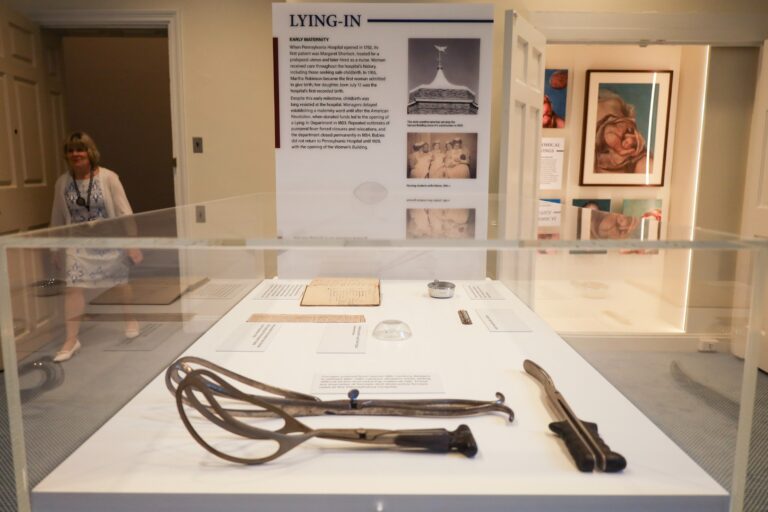
The new Pennsylvania Hospital Museum, the site of the oldest chartered hospital in America, opened May 8, 2026 in Philadelphia. Exhibits include a medical library, the restored apothecary and the original surgical amphitheater, as well as displays featuring former hospital staff and the evolution of health care and medical innovation. (Nicole Leonard/WHYY)
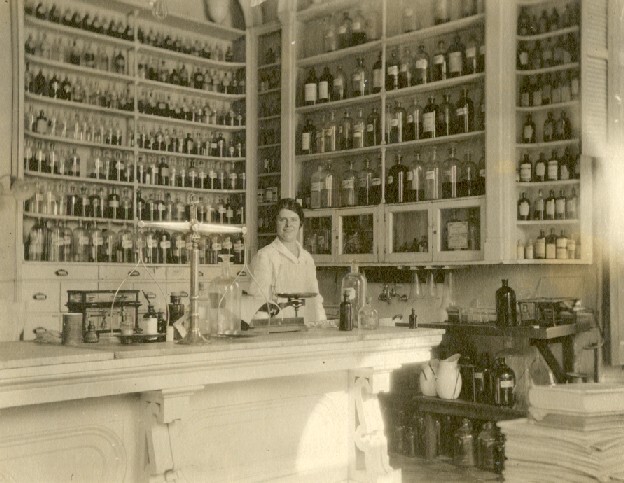
The museum also includes the restored original apothecary, which was once filled with jars of remedies for the sick. The library on the second floor houses thousands of volumes of journals and books, some over two centuries old.
On the third floor, guests can stand in America’s first surgical amphitheater, where doctors once operated on patients while they were conscious, even for amputations — something spectators paid to witness.
“You see these spaces that you knew just six months ago had a desk and a computer and it was somebody’s office,” Peeples said. “And now you see exhibits that are here, and just how that has been transformed, it really is amazing.”
Related Content
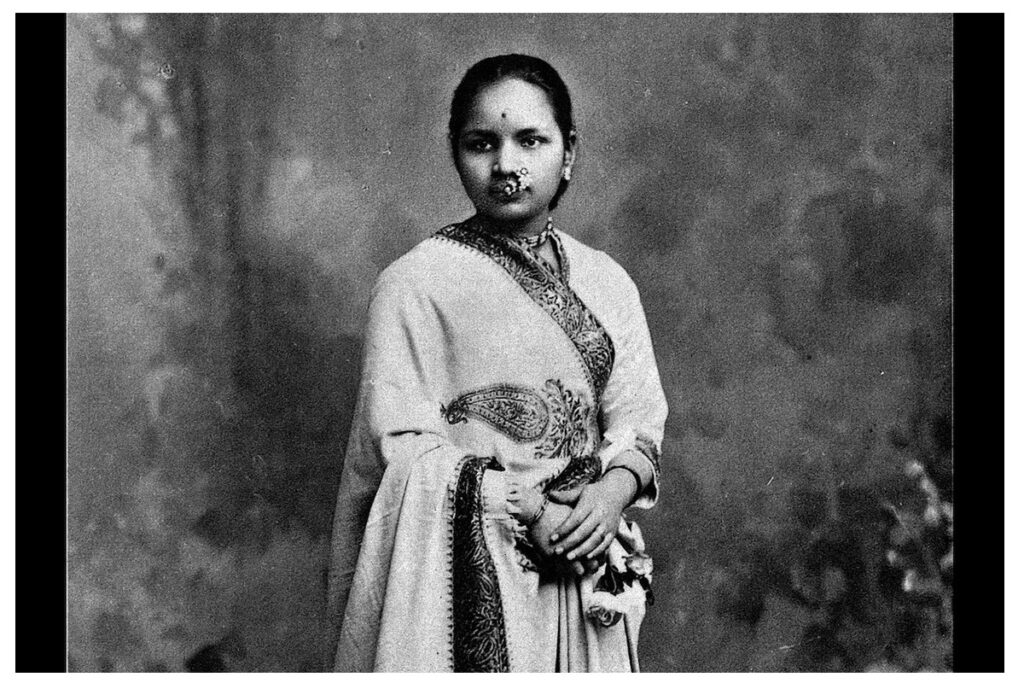
Anandibai Joshee came to Philly in 1883 to study medicine. Her tragic life is the grit of a South Asian American Digital Archive songwriting project.
7 months ago
Listen 3:39Shepherding a historic hospital building into a new era
Peeples’ passion is palpable as she talks about studying documents and artifacts, even ones she’s examined dozens of times. One of the most exciting parts of her job as an archivist is discovering new things about established pieces of history.
“Maybe before I was just looking for, ‘When did this happen?’ And I needed the date and I really wasn’t deeply paying attention to all the information around it,” she said. “Now, I go back and I look at it and I’m like, ‘Oh, hold on, I didn’t realize at the same time they were talking about doing this, this person was here.’ That, I think, is what helps us to build on the history and to keep it interesting for people.”
Peeples has always loved history. Even as a young child, she preferred the company of her grandparents and other elders who would share stories about their life experiences.
The power of storytelling has become a key part of her tours at the Pine Building and teaching people about the history of Pennsylvania Hospital.
“Just giving a couple facts or a couple dates or even just throwing out some names, it doesn’t really sit with people,” Peeples said. “I want you to walk away and to feel that kind of connection.”
Peeples was hired at the Pennsylvania Hospital archives in early 2001, which was a busy time in Philadelphia. The hospital was celebrating its 250th milestone while the city was hosting events for the nation’s 225th birthday.
There was little time for Peeples to get up to speed.
“It was trial by fire,” she said laughing. “I tell people it was like osmosis. It was being up in the archives, I was somehow just absorbing all of the information, because I had to, right? I couldn’t say to people, ‘Can you give me a little bit to look some stuff up?’ Like, no, everybody expected me to know.”
Now, she is considered Pennsylvania Hospital’s utmost historical expert and knows so much information about the site, as well as the people who once worked or were cared for there, that figuring out what to include in the museum’s exhibits became challenging.
“If you have never heard of Pennsylvania Hospital, I want you to have a fabulous experience and to get the basic story,” she said. “If you’ve been here and maybe you’ve come every year because you have a nursing group that you bring or maybe you bring your class every year, I want you to still come through and learn something you didn’t know.”
Related Content
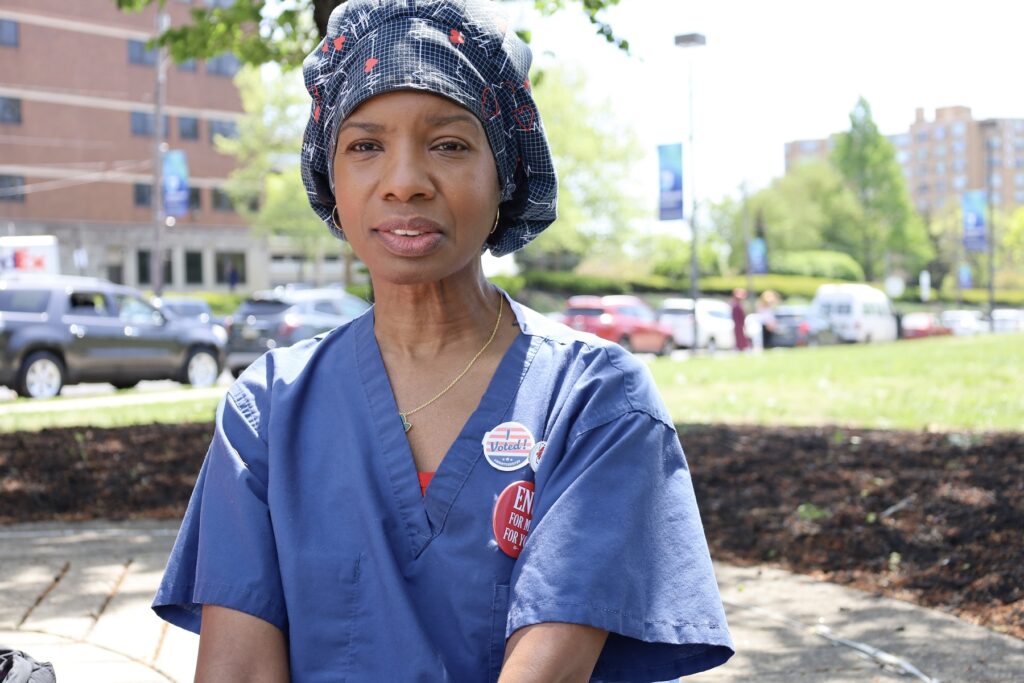
Four longstanding pediatric offices will close June 30 and three others will become part of the True North Pediatrics group, based in Pennsylvania.
6 months ago
Listen 1:30Honoring Philly’s health care champions and making an impact
Earlier in the week, Penn Medicine leaders, staff and donors, as well as city leaders and officials, got a preview of the new museum.
One of the guests, Katherine Gilmore Richardson, City Council majority leader, spoke about her personal connection to this space. Not only was she born at Pennsylvania Hospital and later worked there after college, but both her father and mother used to work in the hospital’s blood bank and laboratory, respectively.
“I’m honored to be here,” she said. “And because I’m just so used to being here and this place is like home, it’s so amazing to see it looking so wonderful and so refreshed, but still have the same aesthetic and character.”
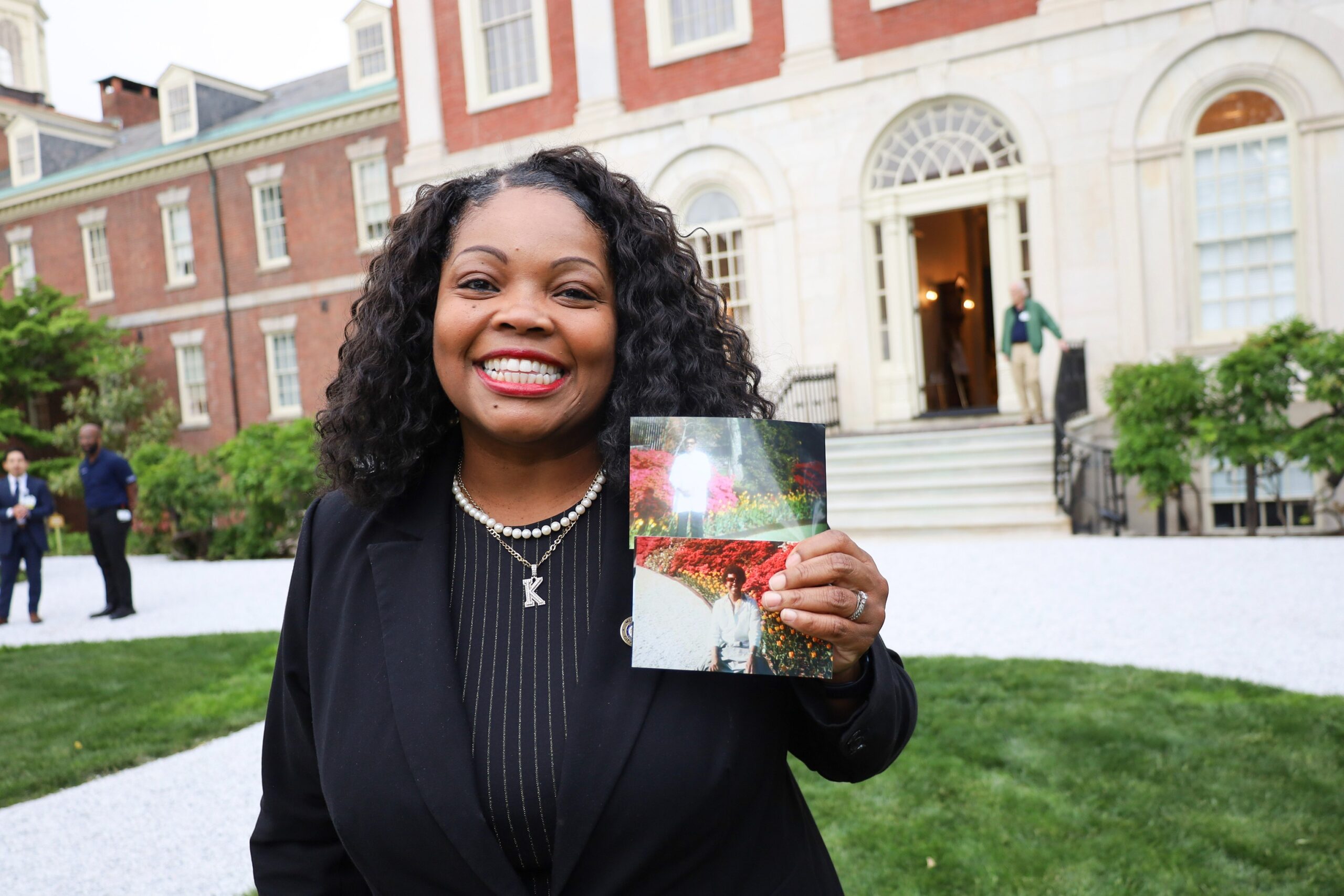
Inside the Pine Building, Rev. Carolyn Clarene Cavaness, of the Mother Bethel African Methodist Episcopal Church, stood before a display featuring former hospital staff and the roles that women, people of color and indentured servants played.
The display also highlighted the work of Black Philadelphians like Absalom Jones and Richard Allen, who in 1787 founded the Free African Society, the first Black mutual aid organization of its time.
Allen would establish Mother Bethel AME Church in 1793.
“We are recognizing the many different ways in which independence is embodied and manifested,” Cavaness said. “Also, that we celebrate the collective contribution of the many faces of independence, and so to stop and pay homage and celebrate.”
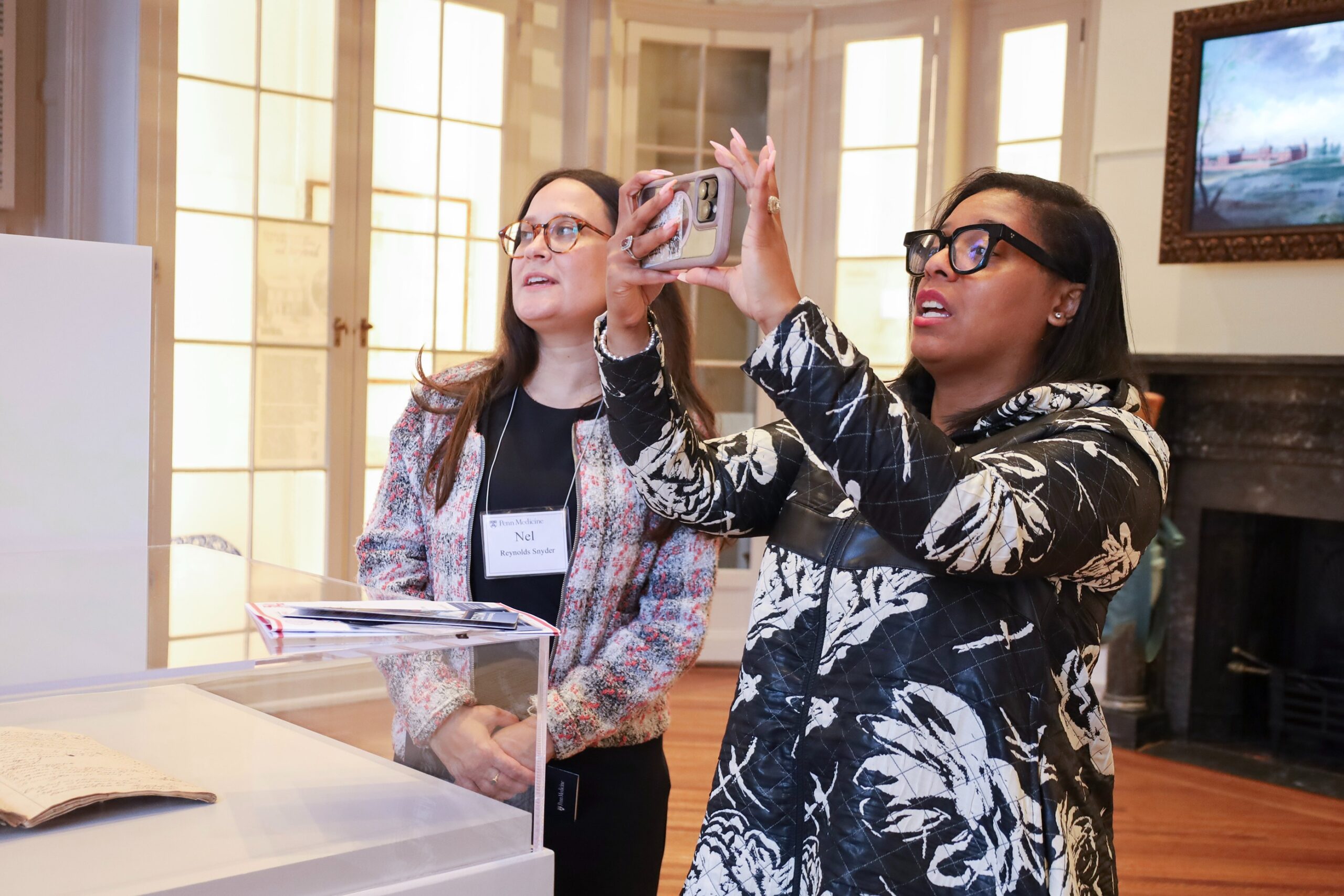
During the early days of the museum opening, Peeples said she and her team will continue to work behind the scenes to fine-tune the exhibits and make sure visitors are easily able to participate in interactive activities like performing a digitally replicated surgical procedure in the amphitheater.
Launching a new museum at one of the most historic sites in the city is certainly a memorable achievement in her career so far, but Peeples said it’s the smaller moments over the years that have made being a curator and archivist at the hospital so precious.
“I have had teachers and others, professors, who bring in groups every single year,” she said. “And now, because I’ve been here for so long, I have had people who were students in those classes come back and say to me, ‘You gave me a tour when I was here in nursing school’ or ‘my class from such-and-such school used to come here every [year].’”
“When you have people who come back who not just remember that I did the tour, they could tell me something that I told them … that’s incredible,” Peeples said. “And it makes you feel good about the fact that what you’re doing does have an impact on people. To me, if one person can walk away with a different appreciation for history, that’s great.”
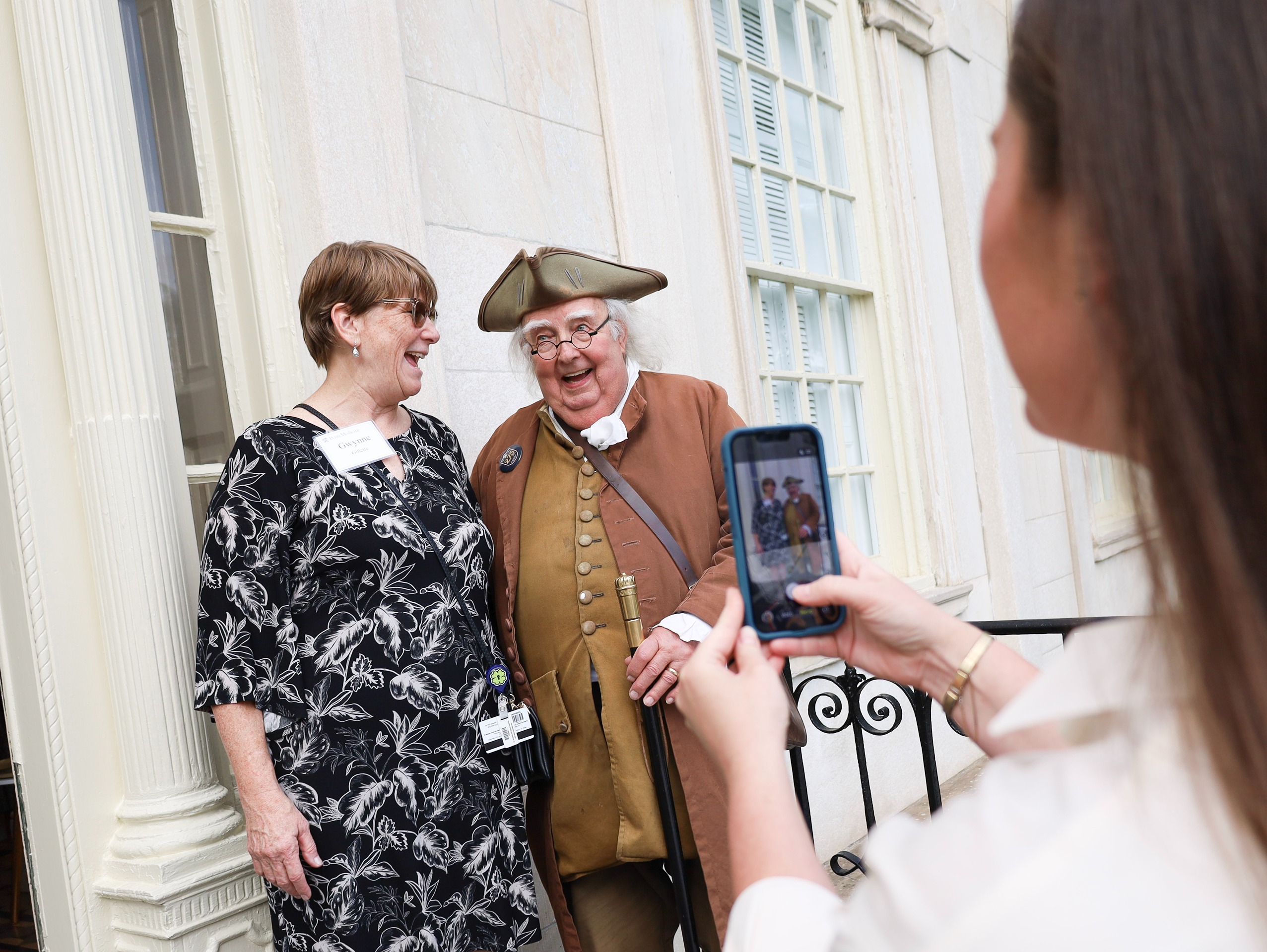
More information about the Pennsylvania Hospital Museum and tickets can be found online.

Saturdays just got more interesting.
WHYY is your source for fact-based, in-depth journalism and information. As a nonprofit organization, we rely on financial support from readers like you. Please give today.
Part of the series

Philadelphia 250
The United States is marking its semiquincentennial — or its 250th anniversary — in and around the City of Brotherly Love.
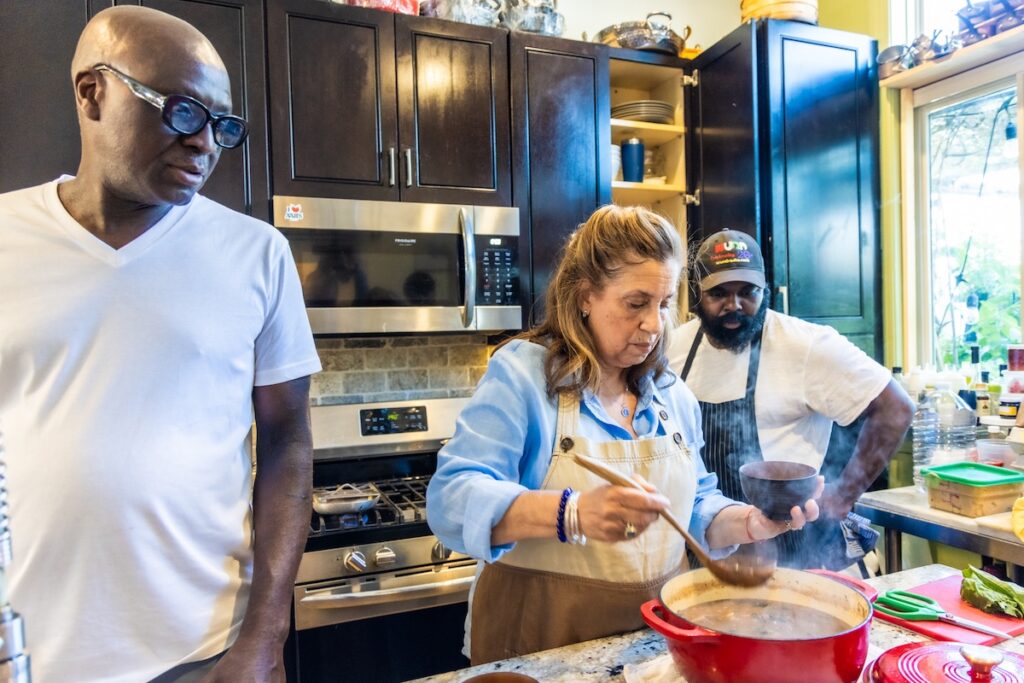
‘Pepper pot soup slam’: 3 chefs reimagine one of the first American street foods
Pepper pot soup was known as a survival meal during the American Revolutionary War, but the stew's African and Caribbean roots are often overlooked.
4 months ago
Listen 15:36
The invasive Hessian fly spurred suspicions of biological warfare, threatened the new nation’s economy and inspired the nation’s first citizen science project.
8 months ago
Listen 7:45
A ‘heist’ that never happened? Inside years of strife at the Philadelphia Insectarium
After dealing with the aftermath of a supposed “heist,” the museum's recent financial troubles and internal strife are fueling further problems, including ongoing lawsuits.
4 years ago
Listen 5:20