New Jersey American Water rates to increase by $4 per month on average
The new water rate will help the investor-owned utility pay for water and wastewater projects.
Listen 1:17
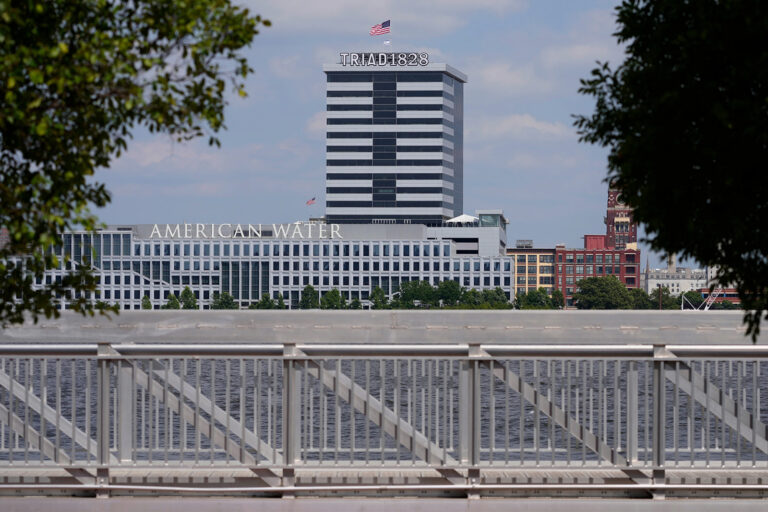
The largest regulated water and wastewater utility company in the U.S., American Water, its building in Camden, N.J., seen in the foreground on June 17, 2024. (AP Photo/Matt Slocum, File)
This story is part of the WHYY News Climate Desk, bringing you news and solutions for our changing region.
From the Poconos to the Jersey Shore to the mouth of the Delaware Bay, what do you want to know about climate change? What would you like us to cover? Get in touch.
New Jersey American Water ratepayers will soon see an almost 5% increase on their water bill.
The average household will pay an additional $4 a month, making their monthly water bill rise to almost $90.
The investor-owned utility said the increase, which takes effect Tuesday, will help recoup more than $1 billion in completed water and wastewater projects.
Ratepayers won’t see the new rates for another year, as New Jersey American Water will use settlement funds from a federal PFAS contamination lawsuit to credit customer bills.
“We feel we’ll be able to deliver on that promise of safe, clean, reliable and affordable water going forward in the future, and it really sets us up to be able to make those investments that we still need to make,” said Mark McDonough, president of New Jersey American Water.
The New Jersey Board of Public Utilities approved the rate increase Wednesday.
Customers served by sanitary wastewater systems will also see an average increase of $4 per month. Households that receive water and wastewater services will see a combined impact of about $8 per month, depending on their service area, meter size and usage.
The new rates are lower than the roughly 12% increase New Jersey American Water asked for when it filed the rate case with the BPU in January.
The company will credit ratepayers’ bills using settlement funds from a federal lawsuit against chemical manufacturers, including DuPont, over PFAS contamination in drinking water sources.
The so-called “forever chemicals,” found in hundreds of everyday products, don’t naturally break down in the environment and are linked to serious health problems, including some cancers.
Ratepayers will receive a $9.88 credit for one year, meaning the average household could save $6 a month over 12 months.
New Jersey American Water said the rate increase is essential to improve aging infrastructure, replace dangerous lead service lines and address PFAS chemicals.
Related Content
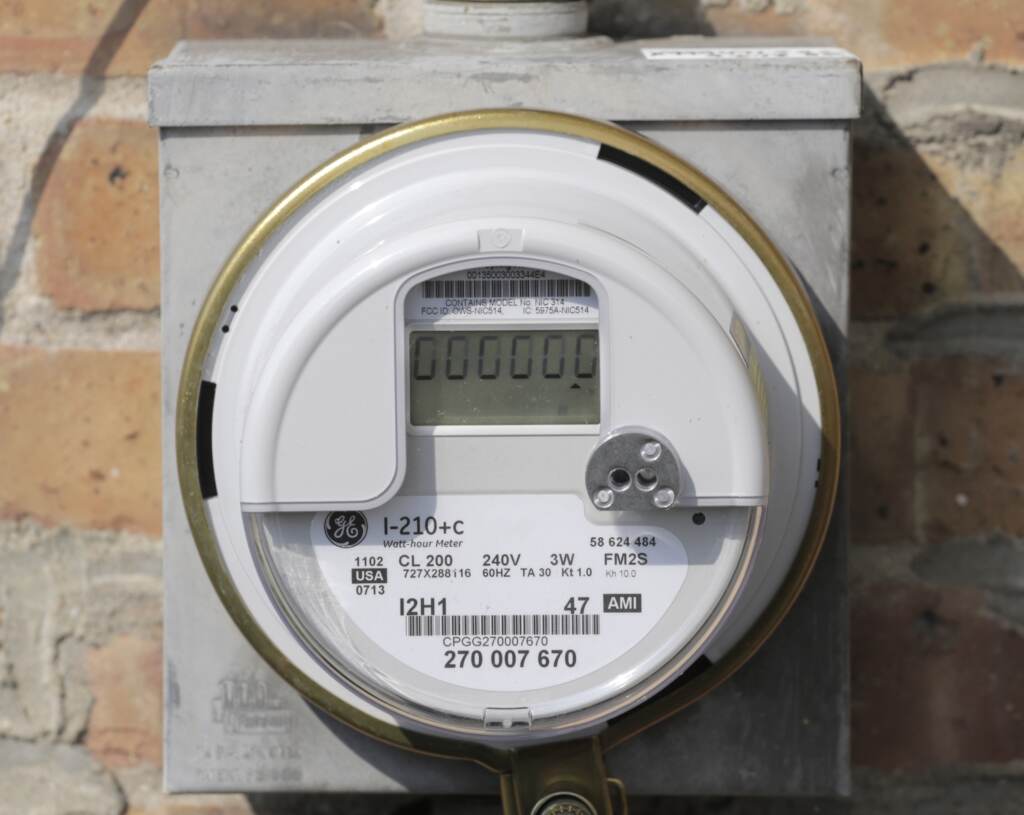
Delmarva Power’s rate hike request slammed as ‘largest in Delaware history’
Delaware Gov. Matt Meyer says the average annual Delmarva Power bill went up nearly $400 over the past five years.
1 month ago
The U.S. Environmental Protection Agency under President Joe Biden’s administration implemented regulations in 2024 requiring water providers to test and treat “forever chemicals” to levels of almost zero by 2029.
The agency under President Donald Trump’s administration has given water providers an additional two years to meet regulations for two types of PFAS — PFOS and PFOA. The Trump administration has also rolled back restrictions for three other types of “forever chemicals.”
McDonough said the rate increase will allow the company to meet the new federal standards. The water company currently meets the state’s PFAS regulations, which limit certain “forever chemicals” to 13 and 14 parts per trillion.
“We feel confident that with the settlement that we reached, we will be able to meet the needs to address climate change, to address lead service line issues and to address the myriad of recapitalization challenges that all water systems face — miles of main to be replaced, valves to be updated, and that big need for treatment for PFAS that’s coming,” McDonough said.
The increase comes about two years after the company raised rates by more than $5 per month.
Water infrastructure across the U.S. is aging, and according to the EPA, the nation needs at least $630 billion over the next 20 years for stormwater and wastewater projects alone. When combined with drinking water upgrades, water providers need a total of more than $1 trillion.
Water providers across the U.S. have been raising rates to meet requirements to remove PFAS from drinking water, reduce wastewater discharges and replace lead pipes.
These rising utility rates are impacting some ratepayers’ ability to pay their bills and keep the taps running.
The EPA in 2024 said that between 12.1 million and 19.2 million households across the nation struggled to pay their water bills. In New Jersey, one-fifth of households have challenges paying their water bill, putting them at risk of losing their water supply, according to a report by Rutgers University and New Jersey Future.
A Natural Resources Defense Council report found that between 2019 and 2024, 57,000 New Jersey households that are served by private water companies were shut off from their water.
Advocates say the loss of funding for the Low Income Household Water Assistance Program, or LIHWAP, significantly impacted residents in New Jersey. The withdrawn federal program previously helped low-income households pay overdue water and wastewater bills.
New Jersey Gov. Mikie Sherrill issued an executive order early this year that aims to pause further rate increases for energy. However, no similar action has been taken for water bills, and there’s currently no state-run program to help residents pay their water bills.
New Jersey American Water has proposed to automatically enroll people into monthly bill discounts through its H2O Help to Others program. Only about 4% of eligible ratepayers are estimated to be enrolled in the company’s low-income discount program, according to the Natural Resources Defense Council.
New Jersey American Water has proposed to automatically enroll ratepayers who partake in energy-assistance programs like the Low Income Home Energy Assistance Program, or LIHEAP, in its discount program for water bills. The company’s agreement with the Board of Public Utilities allows it to work with the state to receive LIHEAP data in order to enroll people. McDonough said he doesn’t know how long that process will take.
Larry Levine, a senior attorney for the Natural Resources Defense Council’s environmental health program, noted that language barriers and inflexible working hours create significant hurdles for individuals trying to enroll in social-assistance programs. Connecting social-assistance programs allows people to enroll seamlessly without navigating multiple applications, Levine said.
He said in order to keep water bills more affordable, federal and state agencies must increase funding for infrastructure projects.
“You’ve got tons of federal and state money that pays for roads that run through every community,” Levine said. “When it comes to water and sewer systems right now, it’s overwhelmingly paid for at the local level through water rates. The states and the federal government need to step up with more of an investment to help update decades, and even centuries, old infrastructure that isn’t up to the task of delivering safe and affordable water.”
He recommends people struggling to pay their utility bills to contact New Jersey SHARES for help enrolling in assistance programs.
Get daily updates from WHYY News!
WHYY is your source for fact-based, in-depth journalism and information. As a nonprofit organization, we rely on financial support from readers like you. Please give today.
Part of the series
Watershed
Preserving Our Water: How we use our Delaware Watershed.
The project is funded by The William Penn Foundation.
Part of the series
PGW spends millions in ads with the MLB team. The utility’s CEO is in apparent violation of state ethics law for not disclosing the value of the accepted gifts.
1 week ago
Listen 5:18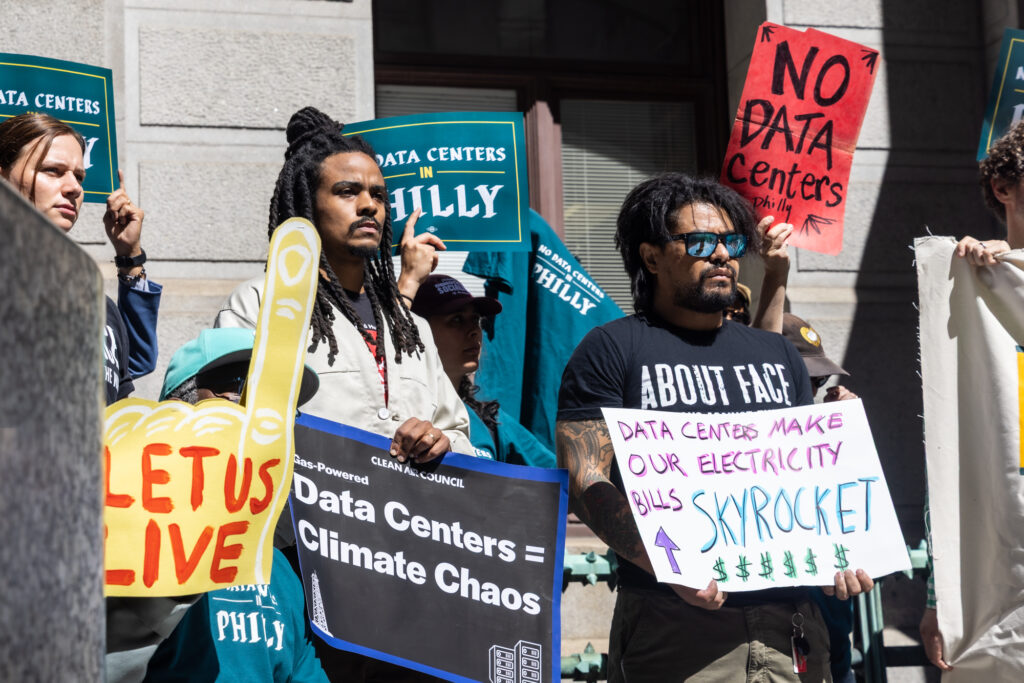
Philadelphia protesters demand city leaders prevent data center development
City officials say two sites in Philadelphia have potential for AI data centers, but there are no proposals for development.
1 month ago
Listen 1:24
Remembering the ‘visionary’ author of Pennsylvania’s environmental rights amendment
Franklin Kury, who passed away last week, helped make Pennsylvania one of the first governments in the world to guarantee a healthy environment as a basic right.
2 months ago