
Medical instruments in Bucks County’s Mercer Museum become part of YouTube guessing game
Anna Dhody, a former Mütter Museum curator, created popular videos about the museum. Now she's highlighting artifacts in Doylestown.

From Philly and the Pa. suburbs to South Jersey and Delaware, what would you like WHYY News to cover? Let us know!
During her nearly two decades as curator of Philadelphia’s Mütter Museum, Anna Dhody was in charge of selecting and cataloguing items for the famous medical history collection. Frequently, some curious things would land on her desk. Occasionally, she would call her husband and ask him to guess what she was looking at.
“It was inevitably something disturbing,” she said, adding that after a while, he no longer wanted to play. “He goes, ‘No, I’m not, I don’t want to know what’s on your desk.’ And then I thought, ‘Well, maybe other people would like to know what’s on my desk.'”
And thus she started a popular YouTube series for the Mütter Museum called “Guess What’s on the Curator’s Desk,” featuring artifacts like: bedbugs collected from a patient’s ear, bot fly larvae and the remains of a horse’s stomach, and a chisel used to remove a spine during an autopsy.
The series became popular. Some videos got tens of thousands of views. She heard from teachers who said they were showing the videos in their classrooms.
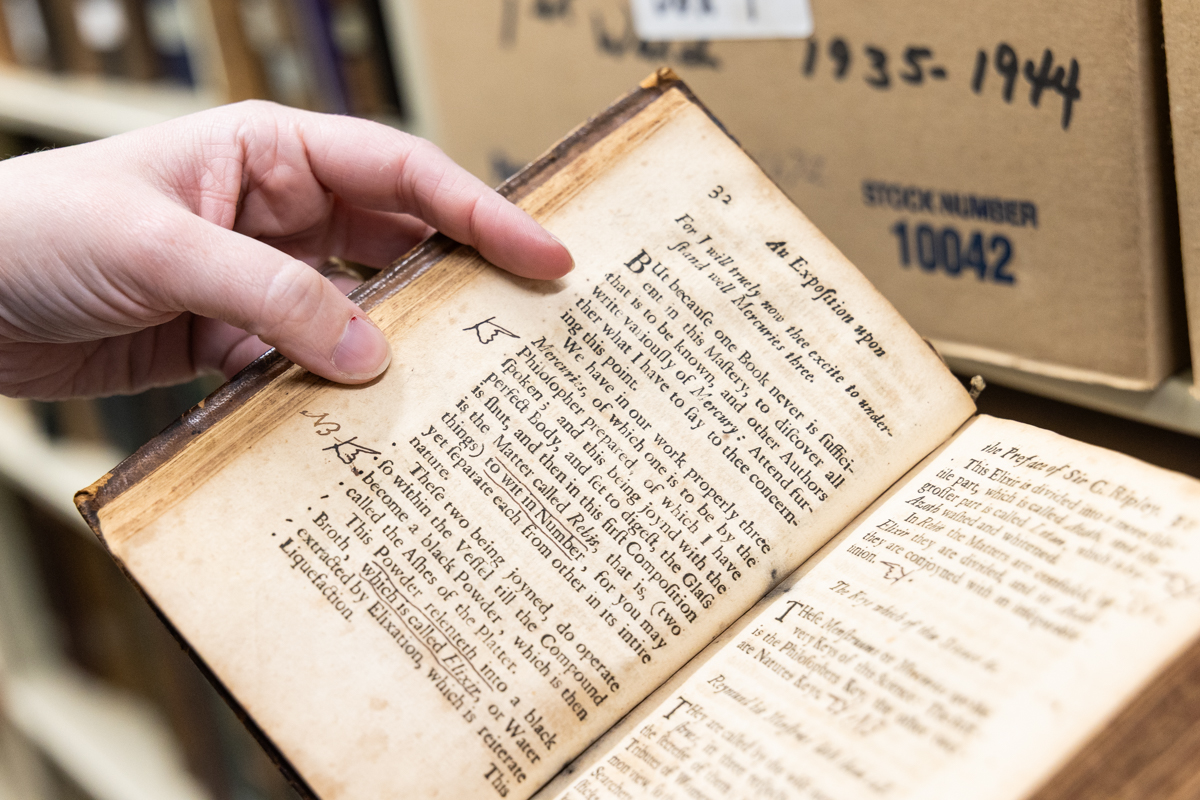
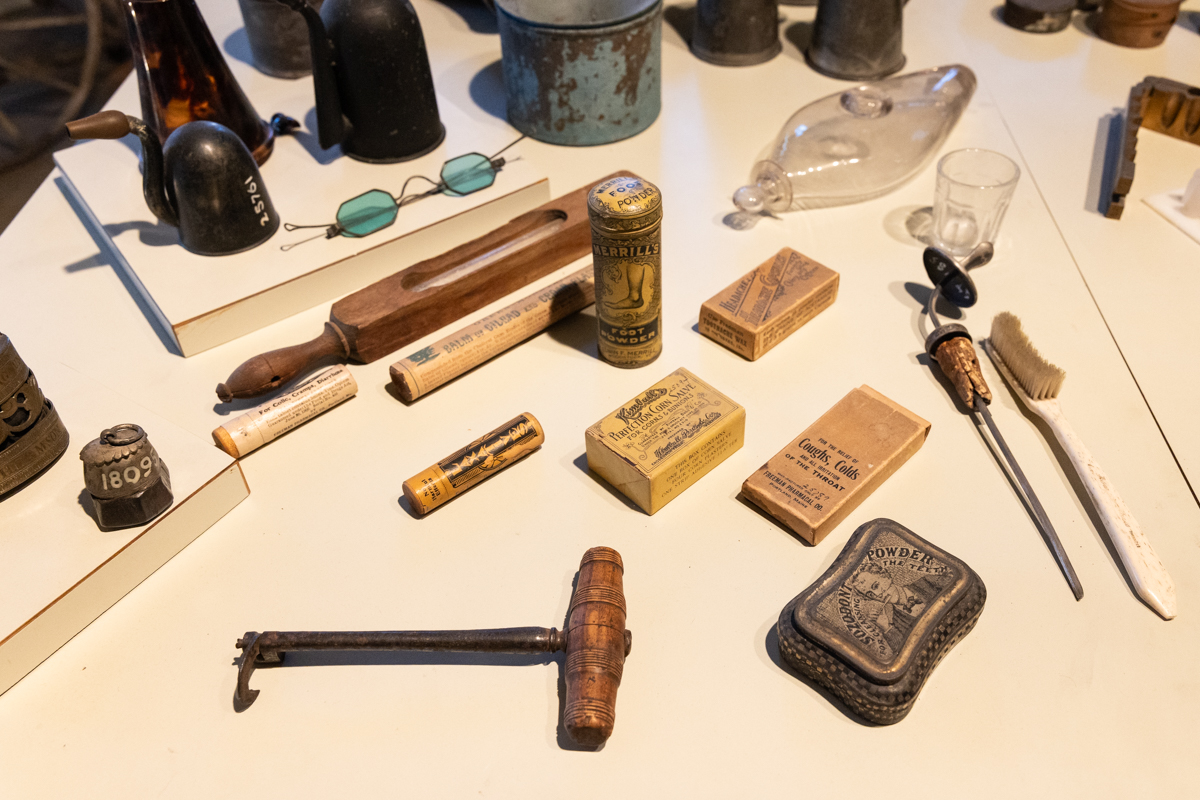
Dhody has since left the Mütter Museum and now runs her own research institute. She has continued the series, now called “What’s That For?” The latest video features medical history artifacts from the Mercer Museum in Bucks County, which opened in 1916.
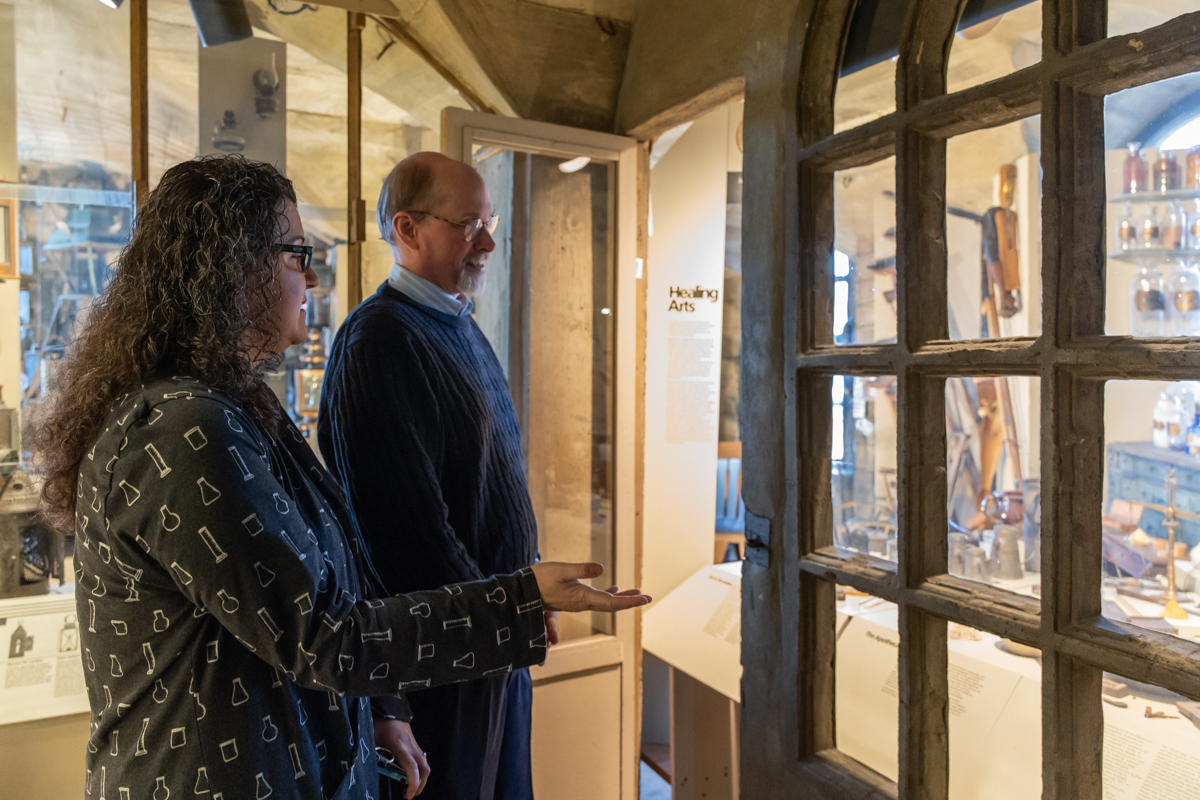
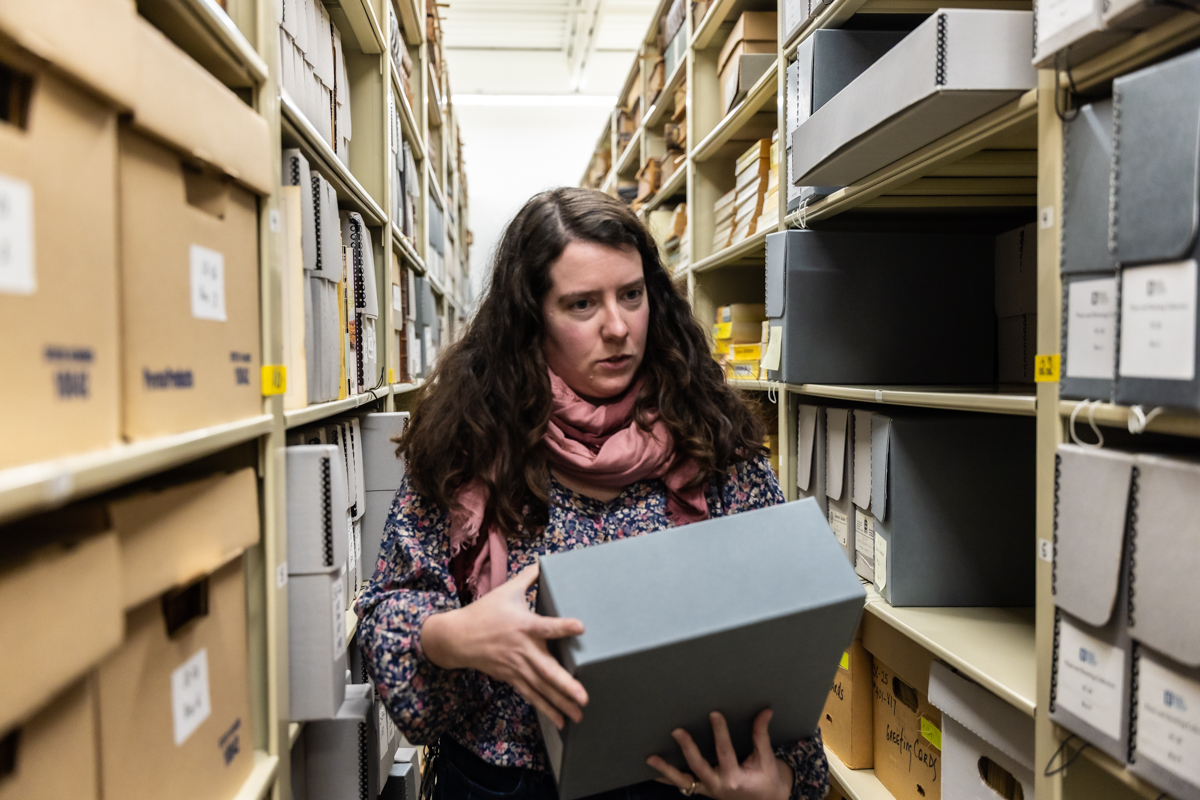
The museum’s founder, historian Henry Chapman Mercer, started a unique collection of 19th-century everyday objects like chairs, baskets, boats and tools, said Cory Amsler, senior director of exhibits, collections and historic properties at the Bucks County Historical Society, which runs the museum.
“This was the trash of the 19th century as far as most people were concerned,” Amsler said. He added that’s why Mercer decided to make people look at objects from unusual angles, like suspending boats and chairs above visitors’ heads.
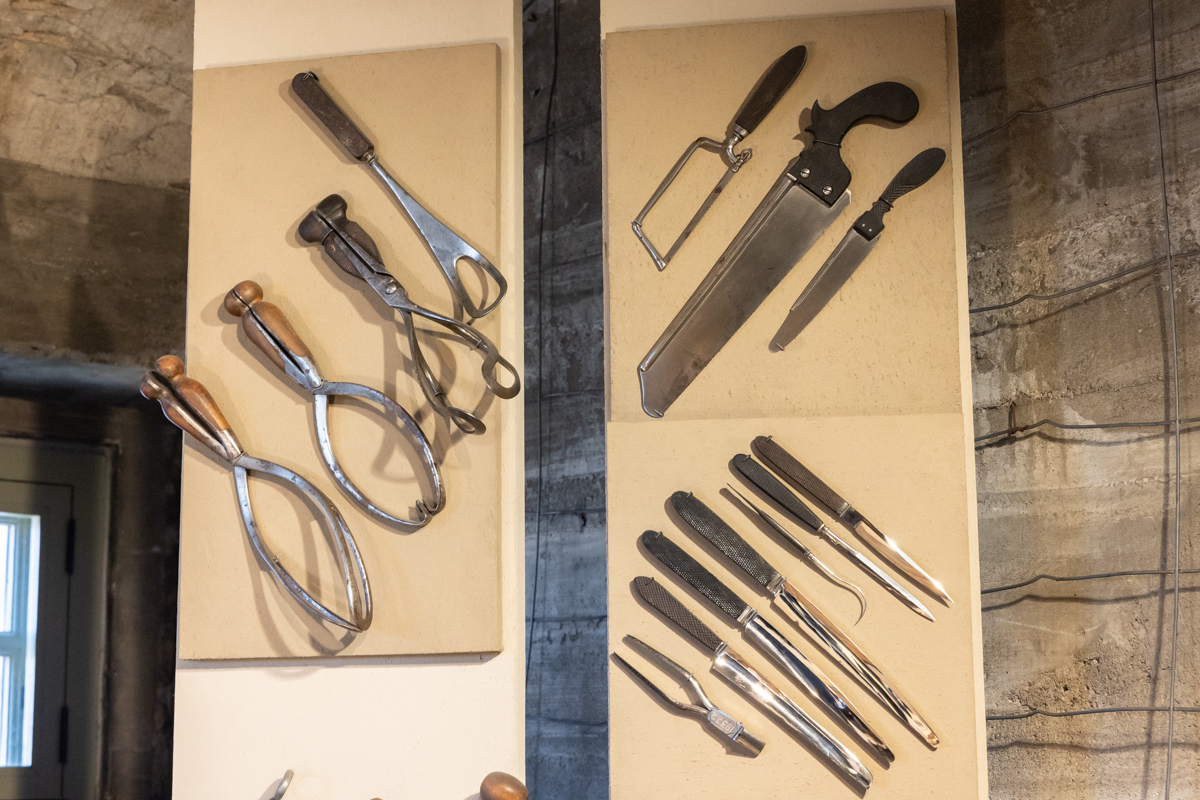
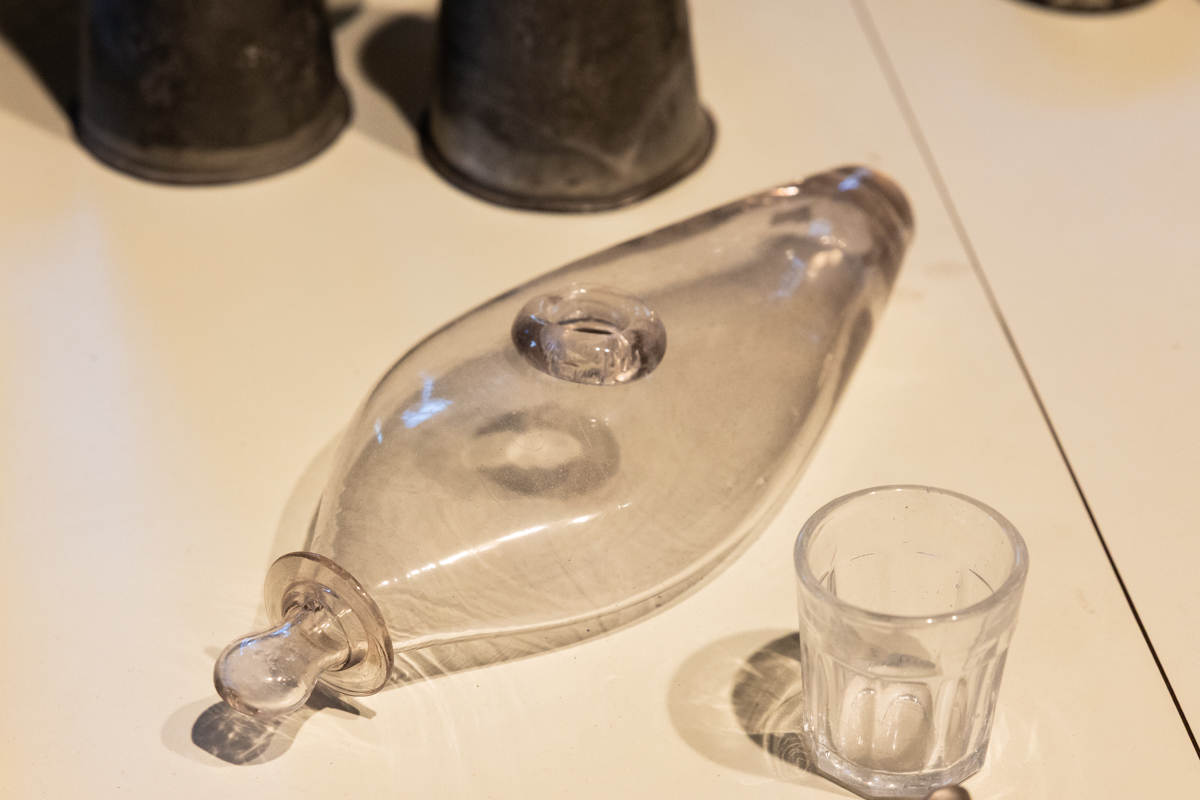
The collection includes medical devices, drugs and instruments, which caught Dhody’s attention. She said the collection takes visitors on a journey of how medicine changed from the 18th century to 19th century.
“You’re looking at hundreds of years of evolution and advancement in medicine in these objects,” she said.
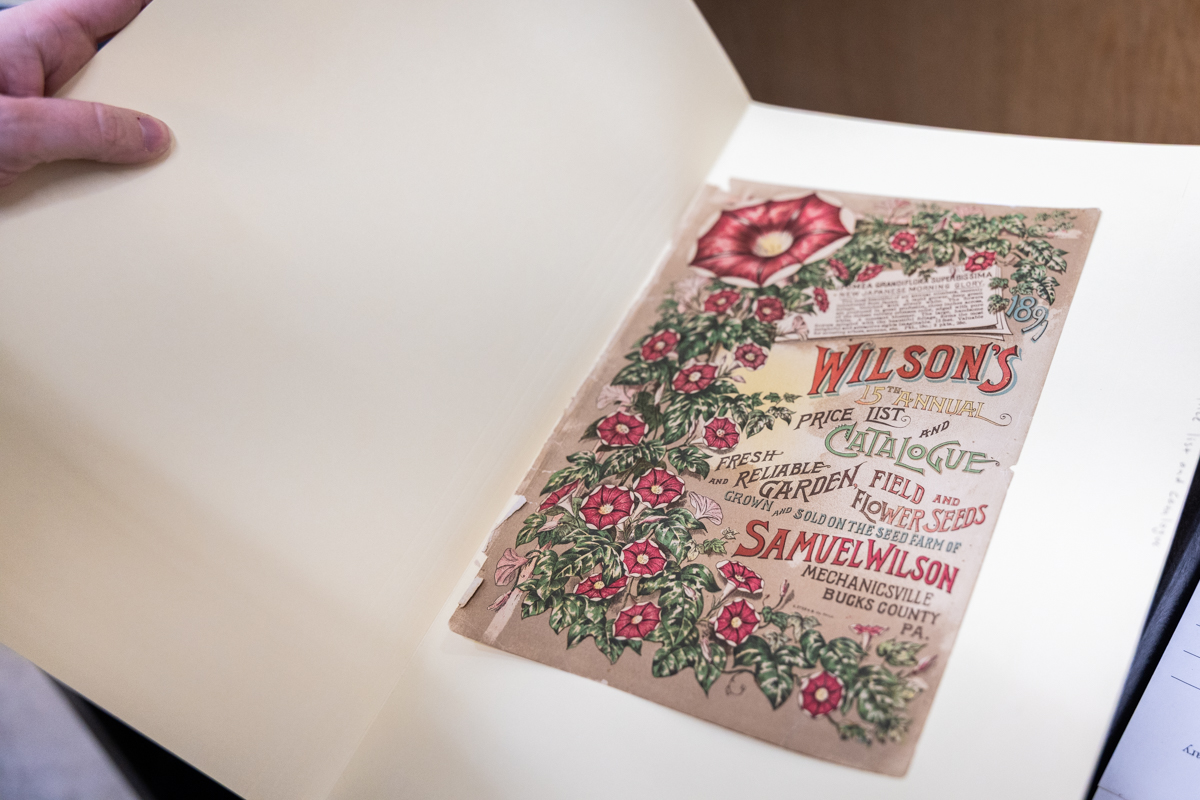
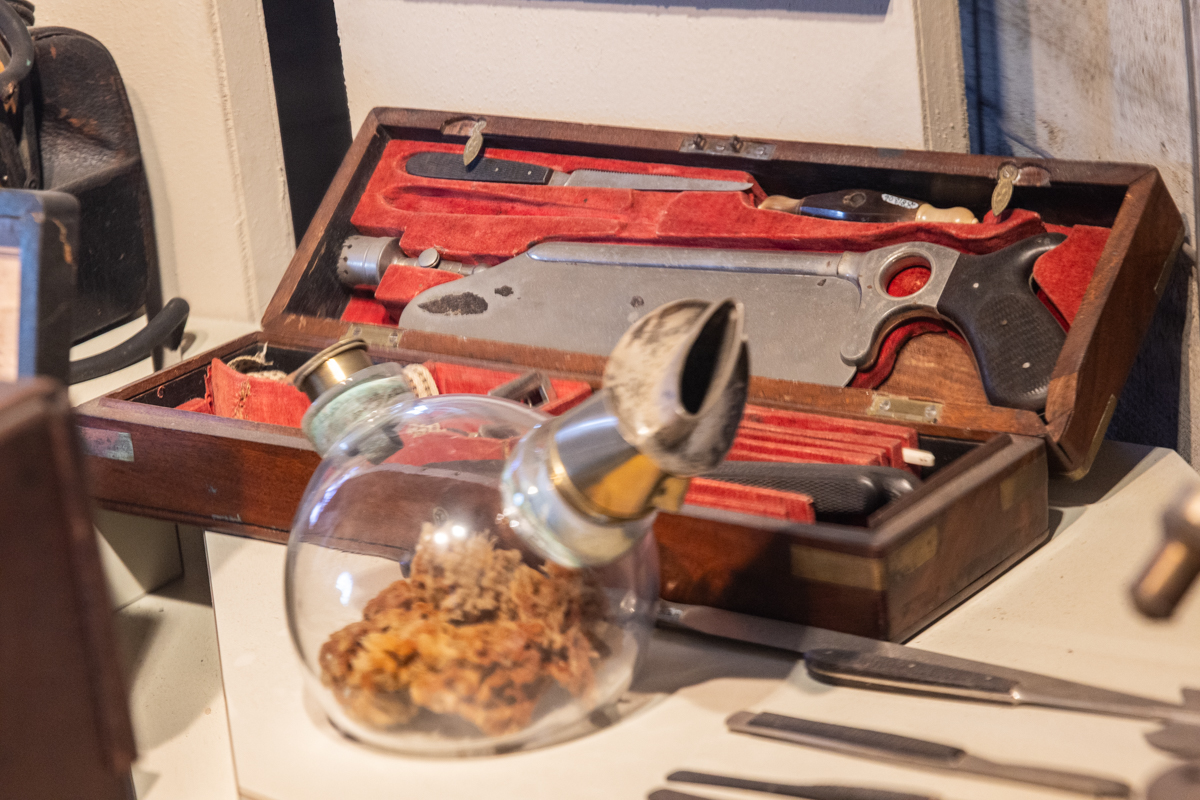
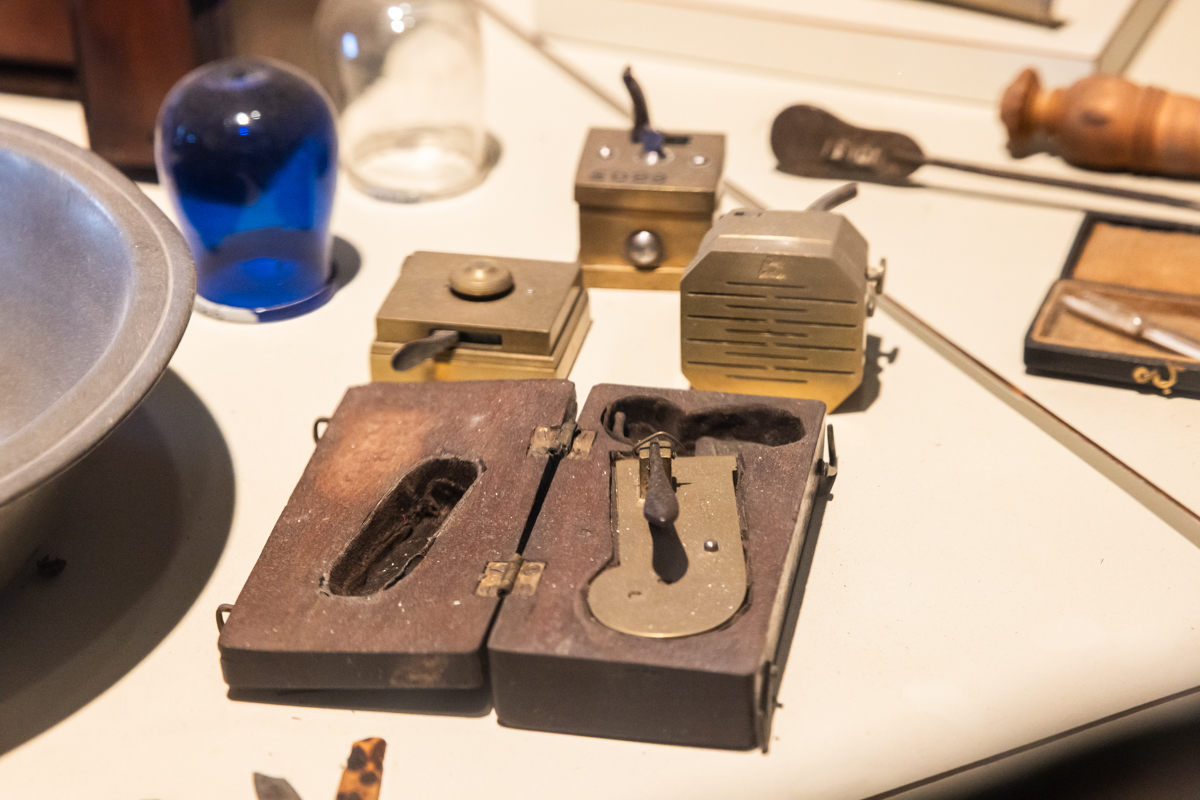
She said the objects are still relevant today. For instance, the museum has a collection of bloodletting tools, because in the past, doctors thought taking away some blood could restore balance to a patient’s body and treat illnesses. Although it is no longer a treatment for most things, she pointed out that there is still a condition where a patient has too much iron in their blood, and the treatment involves bloodletting.
The new videos in the YouTube series will have the same format as the videos from the Mütter: Dhody introduces a mystery object, gives viewers a chance to guess what it is, and reveals the answer with some context and background information.
Amsler, from the museum and the Bucks County Historical Society, said he hopes the videos can introduce people to the museum, and maybe entice them to visit in person.
“Seeing things … up close, seeing the actual artifact, as Henry Mercer said, provides a sort of indescribable experience,” he said.
Related Content
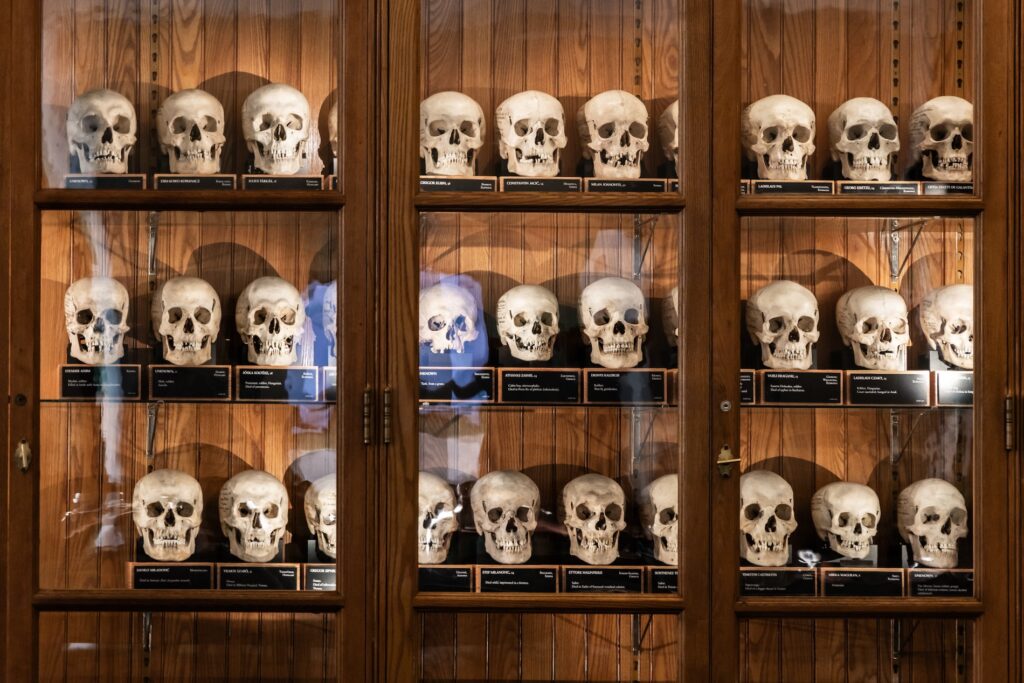
After 2 years of controversy, Mütter Museum announces new human remains policy
The new policy comes after two years of controversy involving public backlash, staff departures and high-level leadership changes.
1 year ago
From curators to content creators
More museums, including smaller museums that are not already national landmarks, are making videos for YouTube. Xiomara Blanco, media producer for the Historic New Orleans Collection, said she found the first Mercer Museum video “accessible and engaging” and can easily see them working for classrooms.
Blanco said she recently enjoyed a series of videos from the Frick Collection in New York, which documents how the museum renovated its 1914 building. She said the Historic New Orleans Collection is also working on videos about how they are renovating two historic, 19th-century buildings.
“Museums are special places in the fabric of our society, and the internet can never fully replace them. However, websites like YouTube can help a museum extend itself to an audience who might otherwise be constrained by geographic or physical limitations,” she said.
Nik Wyness, director of marketing at The Tank Museum in the U.K., said he also enjoyed the new video about the Mercer Museum, and that he is happy to see more museums expanding their reach to viewers on YouTube. He said The Tank Museum started investing more resources into YouTube videos in 2016, seeing themselves as content creators. The museum now has more than a million subscribers and its videos get hundreds of thousands of views.
“It’s been transformational in allowing us to unlock this potential of a global niche enthusiast audience and their willingness to support The Tank Museum in slightly different ways,” Wyness said. He said that the museum gets advertising revenue from YouTube, memberships on Patreon and online merchandise sales.
“I’m just really enthusiastic to see more museums taking this approach and getting their stories, getting their collections out there by any means necessary, because anyone can stumble across your content online, and that could mean that you are finding a new way to establish a relationship with someone who may not have come across you otherwise,” he said.

Get daily updates from WHYY News!
WHYY is your source for fact-based, in-depth journalism and information. As a nonprofit organization, we rely on financial support from readers like you. Please give today.

The remnants of Hurricane Ida caused millions of dollars in damage to homes and led to the deaths of four people in Bucks and Montgomery counties.
9 months ago
Listen 1:17
Upper Makefield residents call for answers on Energy Transfer pipeline leak
Some residents in Bucks County reported smells of gasoline in their water as far back as September 2023.
2 years ago
Listen 1:17
Cyberattacks are on the rise. Can critical infrastructure weather a ‘perfect storm’?
Vulnerable critical infrastructure faces a higher risk of a cyberattack during the holiday season. Here’s what local governments and schools can do to protect themselves.
2 years ago