
Up to 90,000 Philadelphians could lose Medicaid next year; experts concerned about effect on mental health services
Health leaders say between 73,000 and 90,000 people could lose Medicaid next year due to new federal work requirements and eligibility paperwork.
Listen 1:11
Mental and behavioral health treatments play a vital role for many people. (smolaw11/iStock)
From Philly and the Pa. suburbs to South Jersey and Delaware, what would you like WHYY News to cover? Let us know!
As many as 90,000 Philadelphians could be at risk of losing health insurance coverage through Medicaid after federal work requirements and other eligibility changes take effect next January, city leaders said.
And without insurance, their access to mental health care would also be disrupted.
The new Medicaid rules “pose a serious and immediate threat to Philadelphians’ access to behavioral health care,” said Kehinde Solanke, commissioner of the Department of Behavioral Health and Intellectual disAbilities Services, “disproportionately impacting those with the fewest alternatives.”
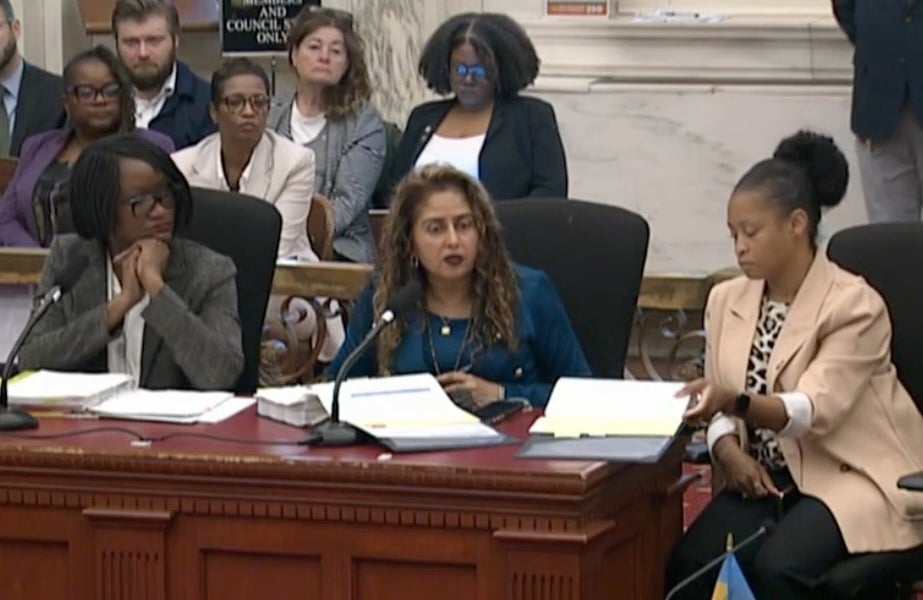
The city is trying to lessen the fallout of these changes by proactively identifying at-risk residents, launching public awareness campaigns and strengthening community support services for those affected, health officials said Monday during a City Council budget hearing.
Some of that work is already underway, with more community outreach and awareness events planned in neighborhoods across the city beginning in June. The primary goal is to help as many people as possible keep coverage, and quickly catch those who lose it, Solanke said.
“Our [fiscal year] strategy is focused on three things: mitigation, continuity of care and equity,” she said. “Because residents who lose behavioral health coverage, they do not disappear from the challenges that we’re all working to address together.”
What changes are coming to Medicaid?
Medicaid is a safety-net health insurance program for people with low incomes that is partially paid for by both the federal government and states.
Beginning Jan. 1, adults with Medicaid, also known as Pennsylvania Medical Assistance, will need to prove that they work or volunteer at least 80 hours per month to keep coverage.
This will apply to roughly 750,000 people in Pennsylvania, including more than 183,000 Philadelphians, who are in the state’s Medicaid expansion population. Medicaid expansion made the program more widely accessible to low-income adults without kids or specific disabilities.
The requirement does not apply to people with Medicaid under traditional eligibility, which typically includes children, pregnant women, seniors and people with certain disabilities.
States will also be required to reassess people for eligibility more frequently — every six months, compared to the current requirement of once a year. That means Medicaid participants will need to submit more income documentation and other paperwork and could be kicked off the insurance program if they’re missing information.
Related Content

Racial health gaps persist in Pa., N.J. and Del. as Medicaid cuts loom, report finds
The Commonwealth Fund’s 2026 State Health Disparities Report showed health care gaps were the greatest among Hispanic residents.
5 months ago
Listen 1:13Estimated impact on Philadelphia residents and health providers
City health leaders estimate that on the lower end, about 73,000 people are at risk of losing Medicaid coverage. That will include people who are already working or volunteering 80 hours a month due to missing eligibility paperwork and documentation issues, experts say.
However, the actual number could be as high as 90,000 people, according to Donna Bailey, chief executive officer of Community Behavioral Health. CBH is a not-for-profit organization that manages the city’s behavioral health services network for the Medicaid population.
The organization is using existing client data to identify people who are most at risk of losing Medicaid next year and working with mental health providers in the city who can proactively reach out to these people, Bailey said.
There’s also a lot of work to do in helping people understand how Medicaid changes apply to them. That starts with educating people about what kind of health insurance they have, she said.
“A lot of people don’t even know they have Medicaid,” Bailey told City Council members Monday. “They think they have Health Partners or Keystone or Geisinger or UPMC for You or United — that’s Medicaid.”
Public service announcements and awareness campaigns will target people with these plans, Bailey said. CBH also plans to hold in-person outreach events across the city beginning June 13 in partnership with local community service providers like Concilio Philadelphia, based in North Philadelphia.
“We really want to go to those neighborhoods where we know we have a high percentage of both eligible and utilizing members, prioritizing those first,” she said.
Fallout will affect provider organizations
City organizations and agencies say they’re also worried about how the Medicaid changes and anticipated enrollment losses will affect community health and mental health providers, whose revenue directly depends on the number of people they serve.
More than 810 community behavioral health jobs in Philly could be lost due to a drop in Medicaid enrollment and reimbursement revenue, according to city officials.
“Sadly, I think additional agencies are going to close,” Bailey said. “Our rates are going to be capped, our rates are going to diminish, and we’re going to have to make hard decisions, I think, about what the network looks like and who and how much we’re able to contract for.”
Philadelphia has contracted an independent consultant to work with city agencies on future Medicaid enrollment, community engagement, financial assessment and technology solutions in preparation of the federal policy changes, Solanke said.
Her department is also working with state leaders to figure out who may be exempted from Medicaid work requirements due to certain medical conditions and other factors. Federal guidelines are expected by June.
City agencies are looking to partner with schools, faith-based houses of worship, community centers and other locations throughout the city that can serve as places where people could seek help and support with Medicaid services and requirements.
“If we expand the places and the space people can go to for re-enrollment, I think it’s going to make a significant difference in terms of reducing the churn,” Solanke said.

Never miss a moment with the WHYY Listen App!


WHYY is your source for fact-based, in-depth journalism and information. As a nonprofit organization, we rely on financial support from readers like you. Please give today.
In Philadelphia, city officials have plans to increase awareness and support services for residents who will be affected by the Medicaid changes.
2 weeks ago

Pa. Medicaid now covers abortion, but for how long? AG, pro-life groups wage an appeals fight
Medicaid coverage for abortion services begins as Pennsylvania’s attorney general seeks to reinstate the state's ban on using public funds for abortion.
2 months ago
Listen 1:03
Changes to Medicaid under H.R. 1 include new work requirements and restrictions on who is eligible for the safety net insurance program.
2 months ago
Listen 1:14