
Light pollution, wildfire smoke threaten view of the stars in the Philly suburbs
Light pollution and consecutive summers of Canadian wildfires have made it harder to stargaze in even the most remote places in Philadelphia’s suburbs.

From Delco to Chesco and Montco to Bucks, what about life in Philly’s suburbs do you want WHYY News to cover? Let us know!
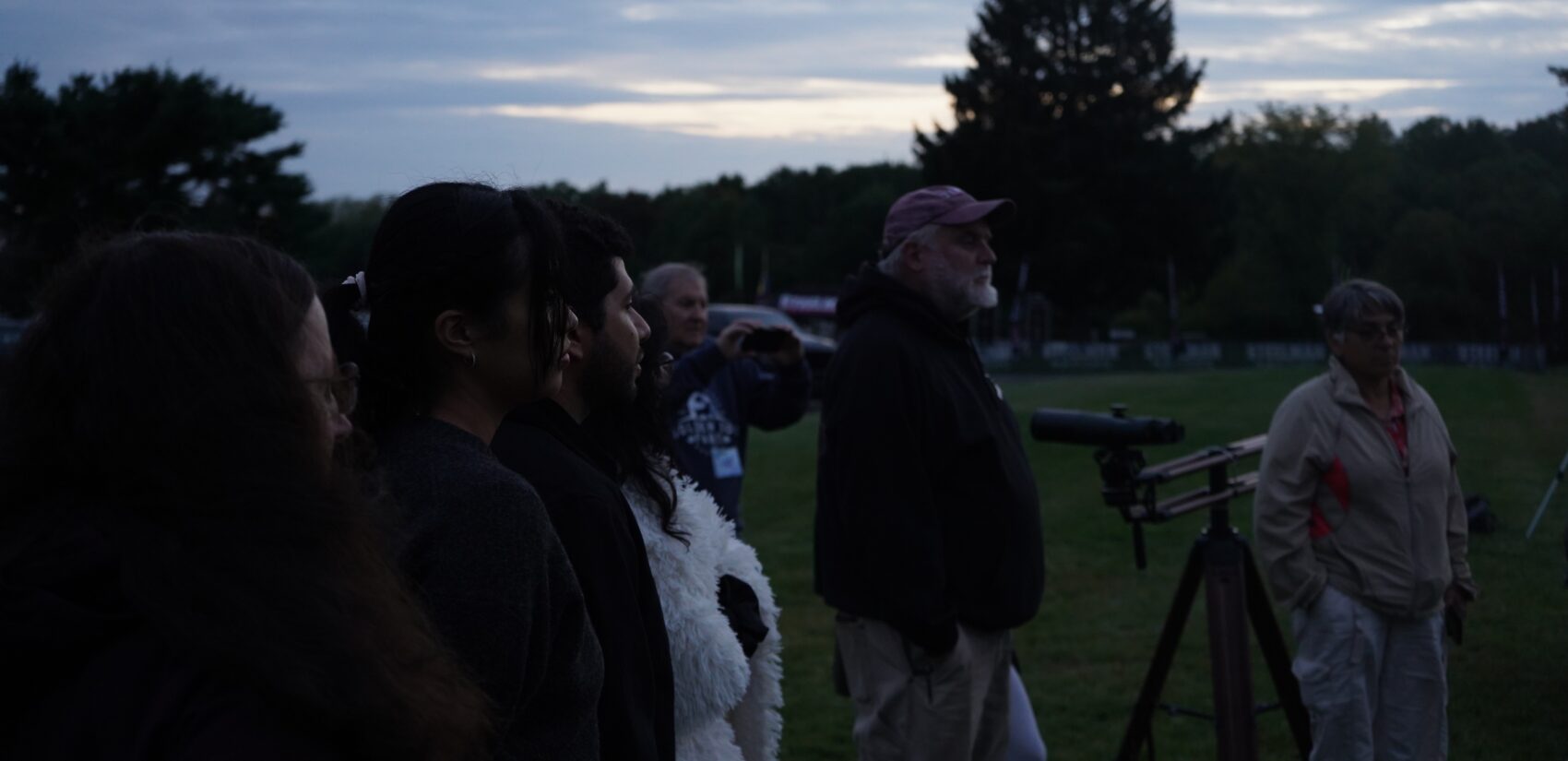
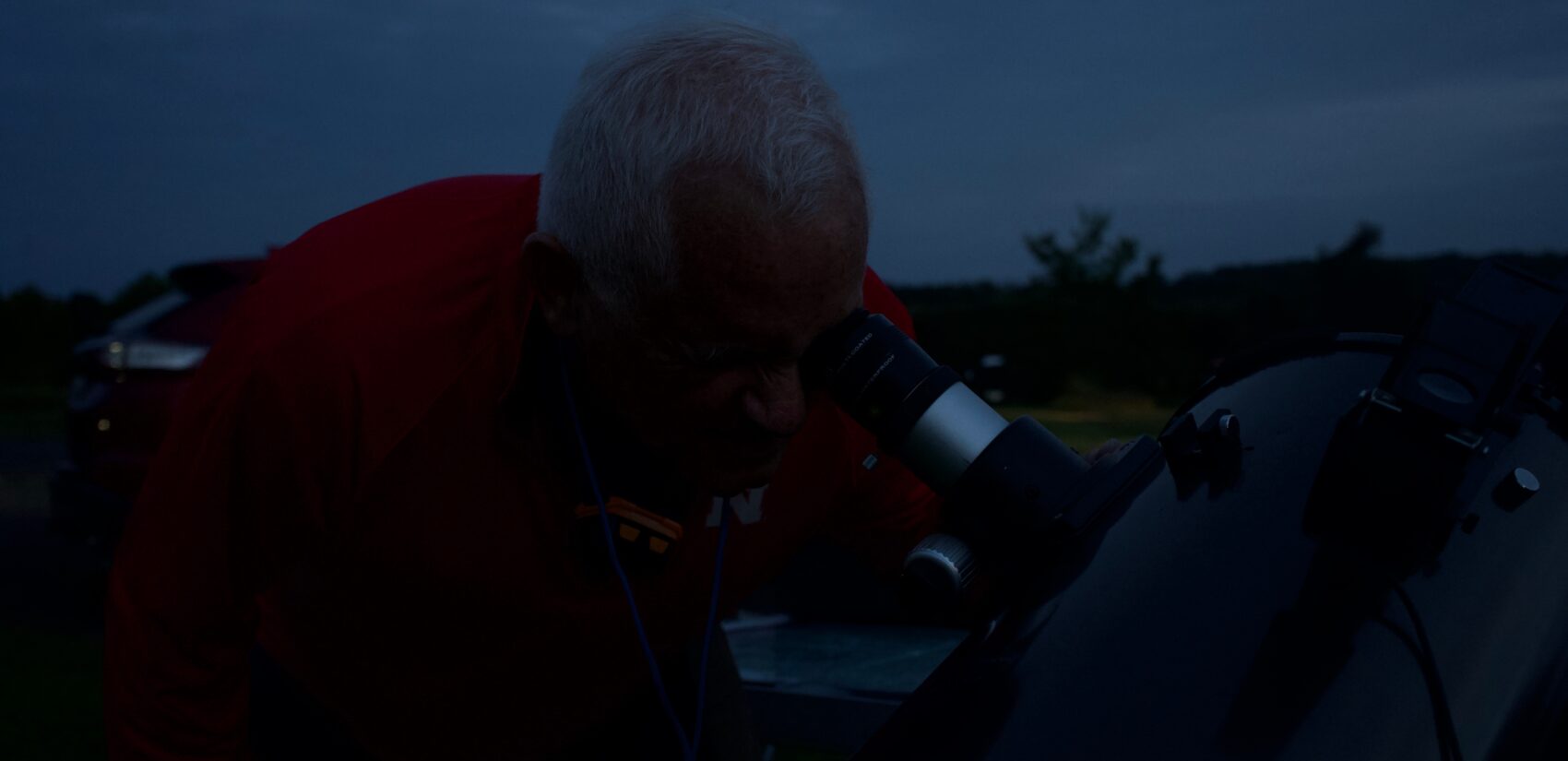
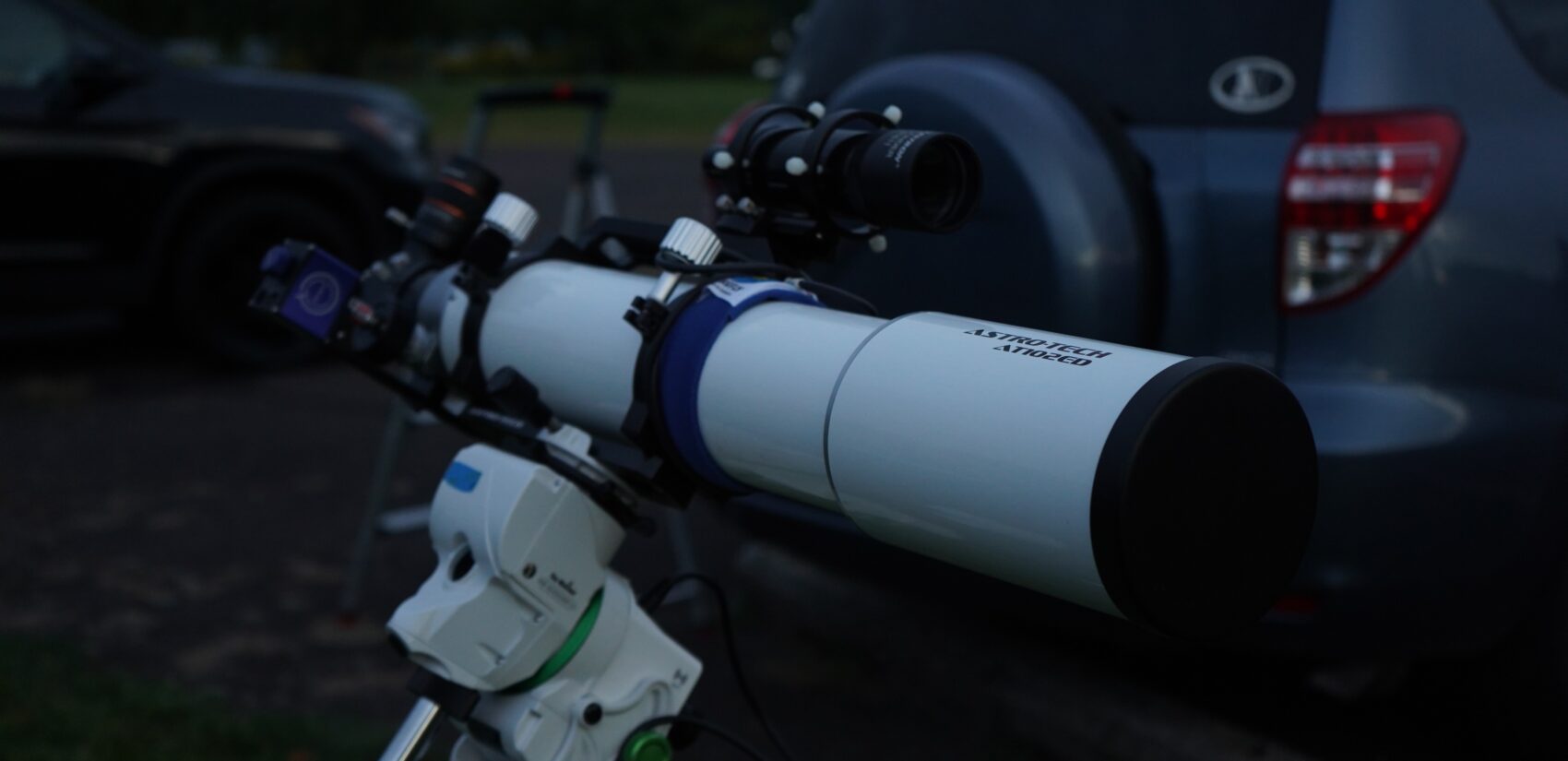
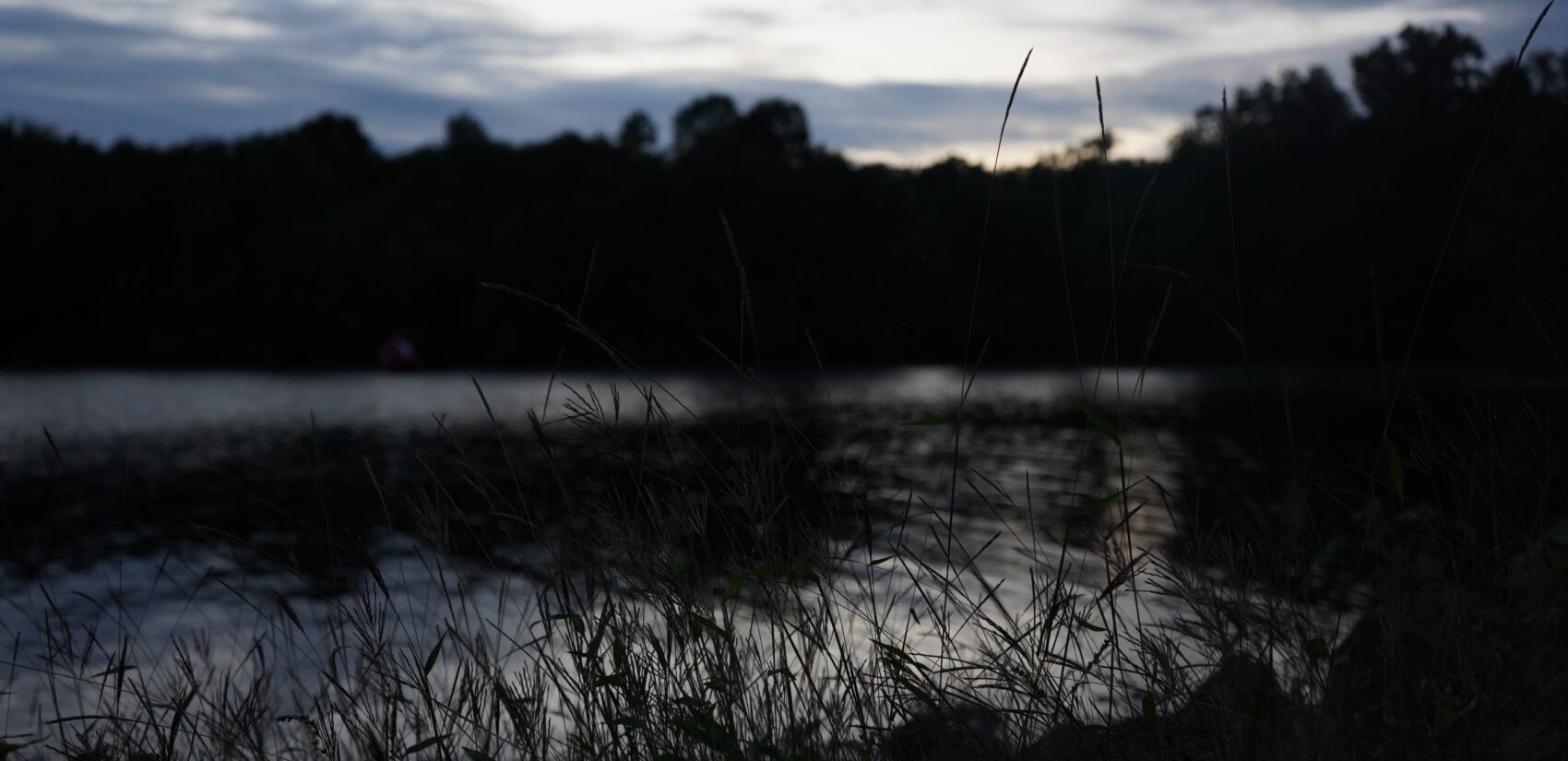
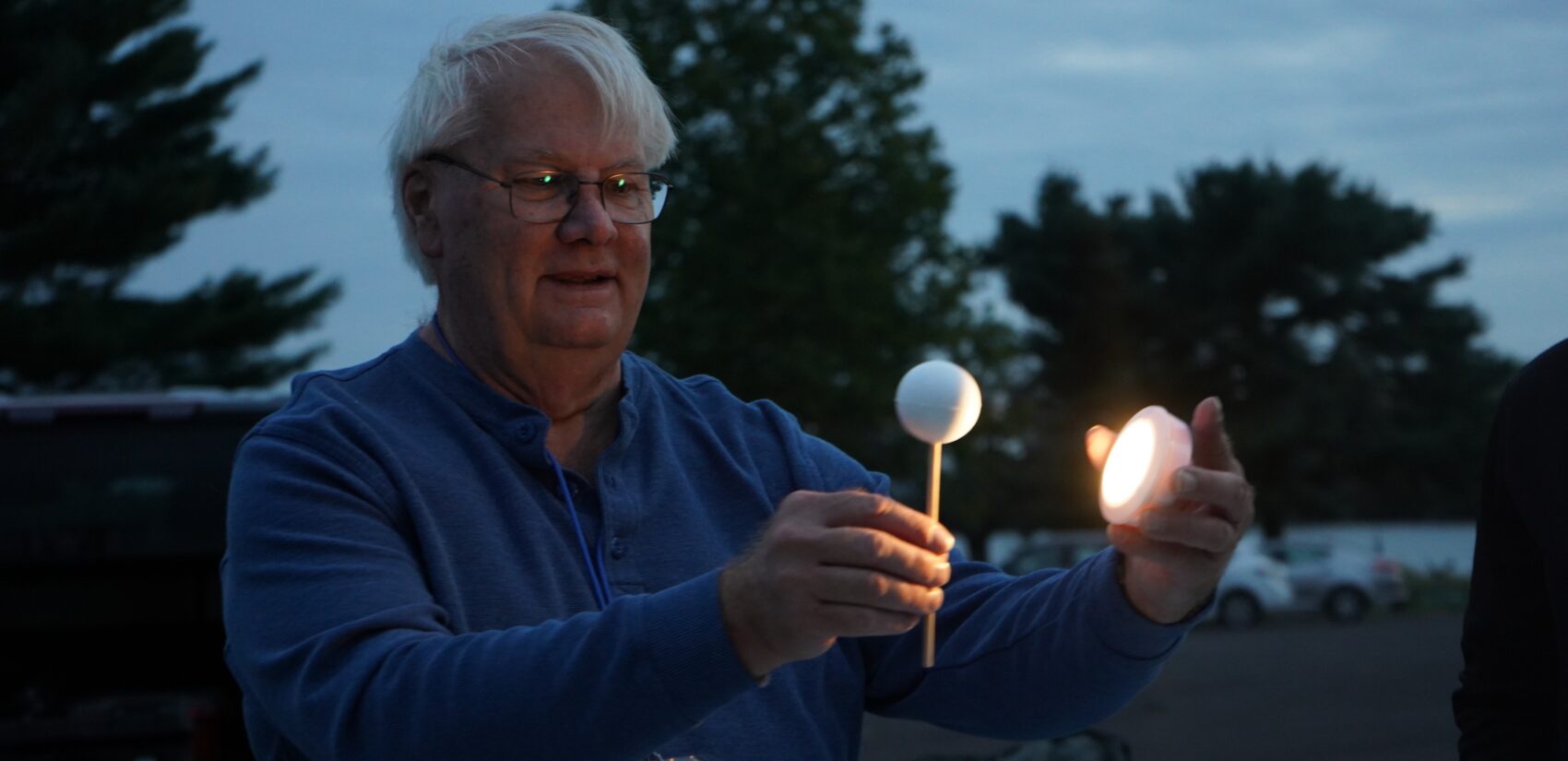
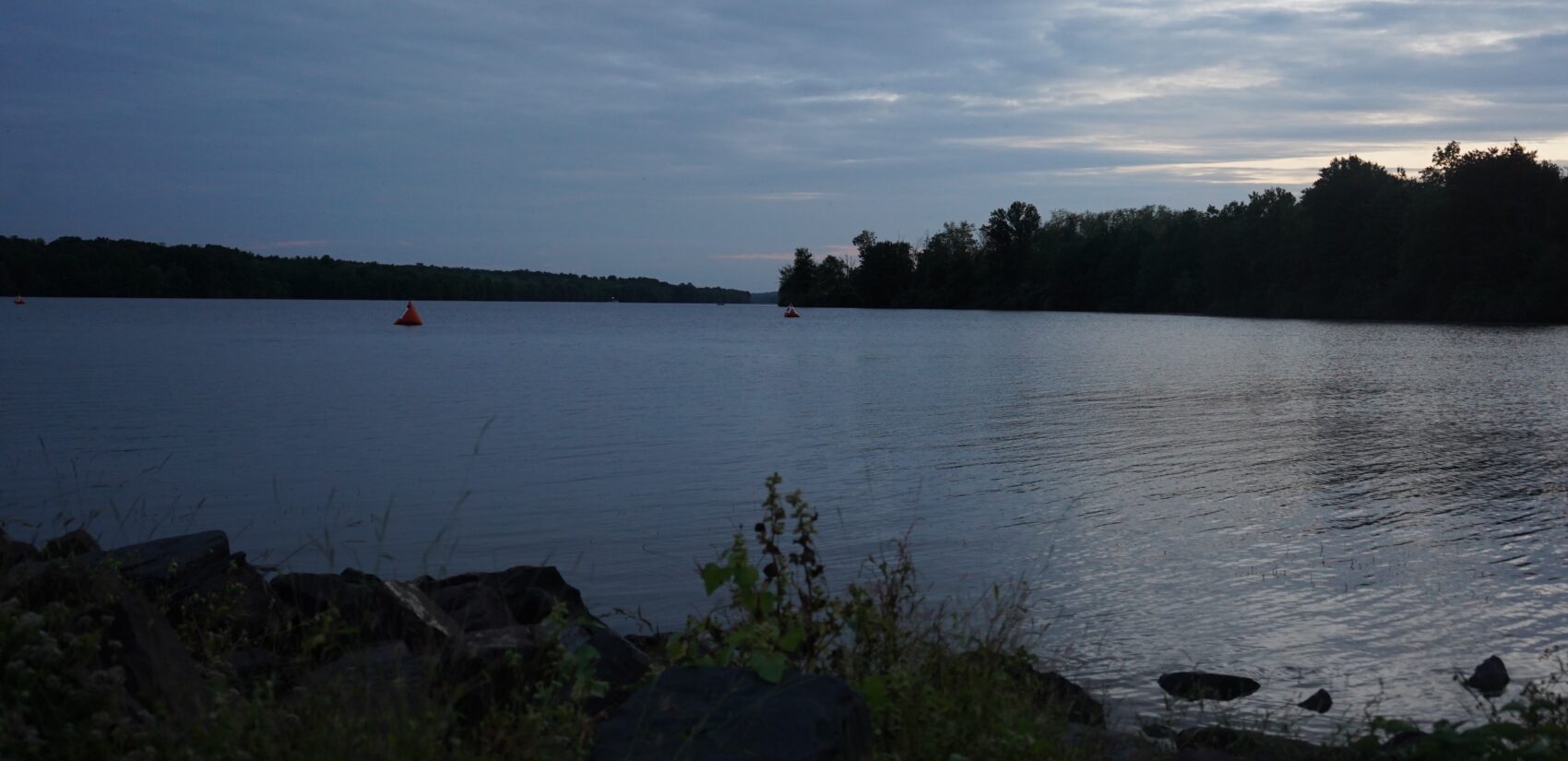
A cluster of enthusiasts squeezed onto a patch of grass sandwiched between a parking lot and the shore of Lake Nockamixon one recent moonlit night and peered into the cosmos.
Or at least tried.
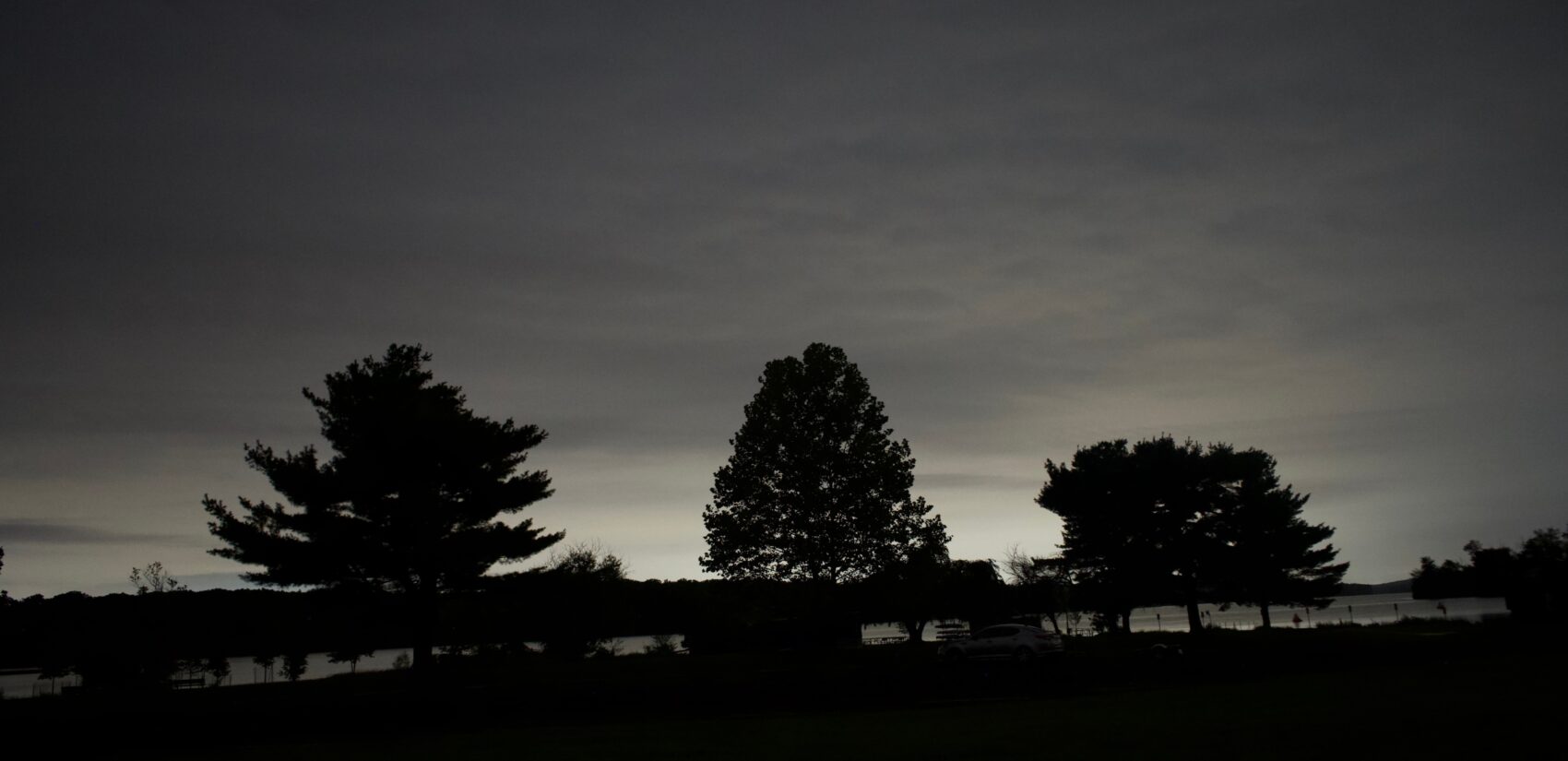
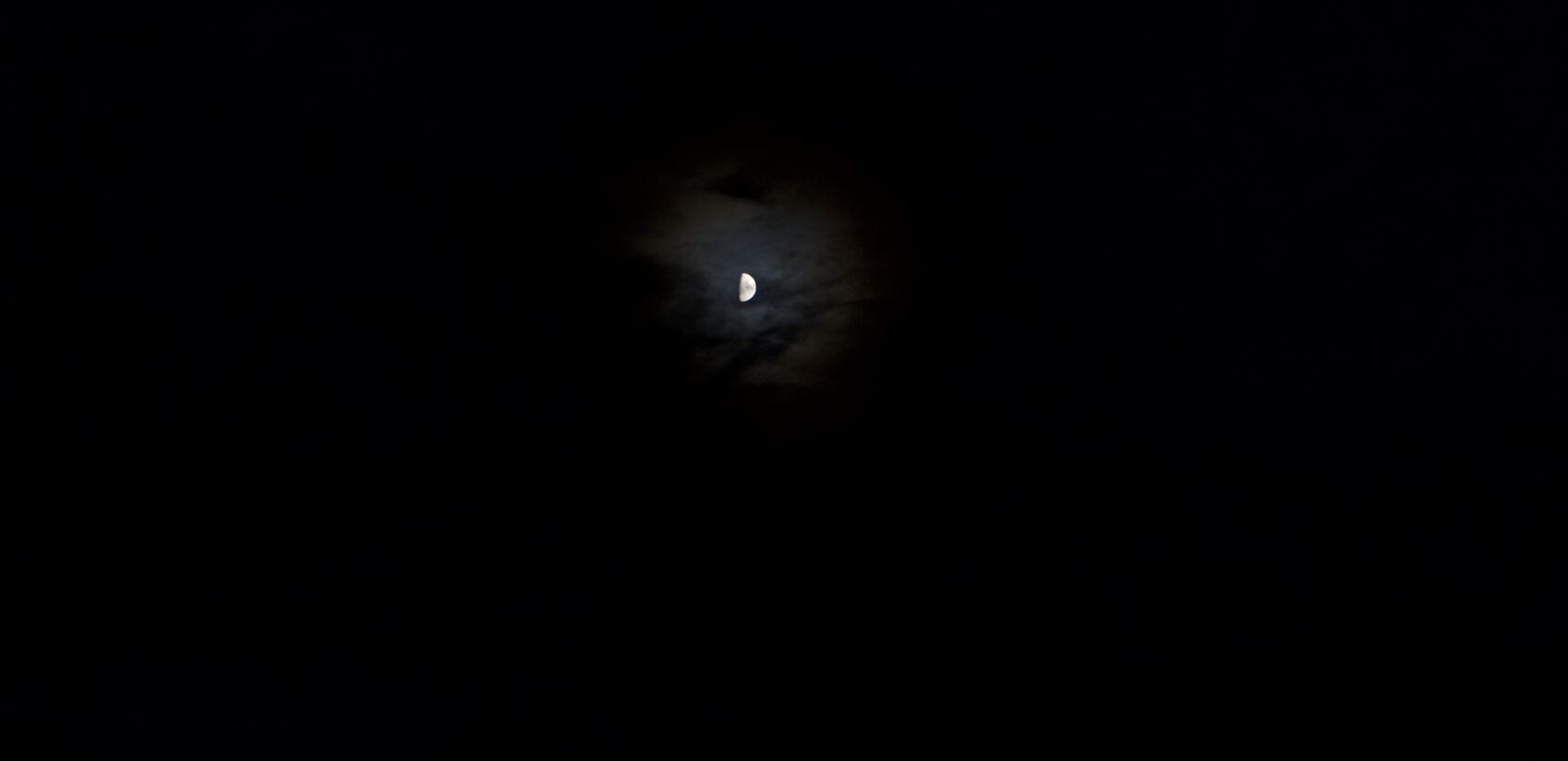
The light from Earth’s only natural satellite cut through the scattered clouds with relative ease. But instead of shimmering on the backdrop of an ink-black sky, the stars were covered by a milky haze and hidden further in a glow of light emanating from the city of Philadelphia and South Jersey. Not even a telescope helped.
“I miss the dark night sky,” said Bob Jorgenson, president of the Bucks-Mont Astronomical Association, whose members were out Sept. 19 for their monthly night of stargazing.
If it were clearer, Jorgenson said the stars would have been more prominent. Luckily, it was International Observe the Moon Night, so the stars were not the main event.
Jorgenson, an architect, has no problem reconstructing childhood memories of brilliant night skies of the past, of lying in the grass in his hometown of Omaha, Nebraska, and staring up at the Milky Way, getting lost in the seemingly infinite stars in the swirling galaxy.
Even a decade ago, he recalled being able to still see at least a few hundred stars on a clear night above his Warminster home. Now, Jorgenson, 63, is lucky to catch a glimpse of a few dozen on a clear night.
Cities, like Philadelphia, have long been a prime source of light pollution, but stargazing in forested areas of neighboring counties, such as Lake Nockamixon and Valley Forge National Historic Park, is still possible.
According to Globe at Night, an international citizen science campaign, the average night sky grew nearly 10% brighter each year from 2011 to 2022. Accelerating light pollution and two consecutive summers of Canadian wildfires have made it more challenging to stargaze — in even the most remote places in the suburbs of Philadelphia.
The result is not just a loss of natural beauty — it’s cultural disconnection, said Bill McGeeney, host of the Light Pollution News podcast.
“The constellations we see up there all have some kind of historical impact on our societies and they, at one time or another, were very important to earlier societies,” he said. “So you have the shared idea of humanity that’s right above you — and you can’t see it anymore.”
Related Content
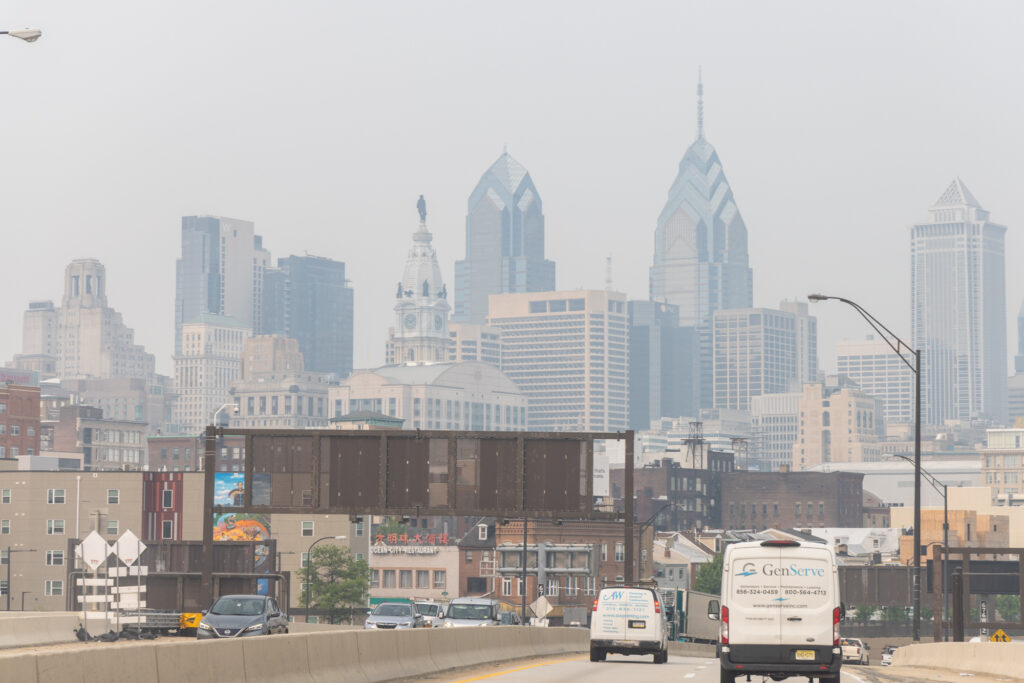
Tiny particulate matter from wildfire smoke can cause respiratory problems.
3 months ago
Listen 1:23What is light pollution — and how has it impacted stargazing in the suburbs?
Light pollution results from the poor or excessive use of artificial outdoor light. According to the National Parks Service, light pollution can manifest itself in one of three ways: glare, light trespass and sky glow.
The reduced contrast from a brighter night sky makes it harder to see the stars.
“The thing that has accelerated the dimming of the sky was an unintended consequence of these new LED lights,” said Tim Lawlor, a physics professor at Penn State Brandywine.
Since around 2010, LED, or light-emitting diode, bulbs have gradually replaced older sodium-vapor lamps that produced a distinct golden glow. The energy-efficient LED bulbs were seen as a technological marvel.
In 2014, the Royal Swedish Academy of Sciences awarded the Nobel Prize in Physics to three scientists “for the invention of efficient blue light-emitting diodes which has enabled bright and energy-saving white light sources.”
However, there was a downside. Some research shows the rapid embrace of LED bulbs have contributed to increased light pollution.
“There’s so much less energy waste,” Lawlor said. “But the types that they started using were these bright white LED lights. And these bright white LED lights have a full spectrum of light in them, but they have a really bright blue spike in it. And our sky scatters blue light. That’s why we have a blue sky. And so this blue light has created much more sky glow over the last 20 years.”
He said the brighter artificial light is being used everywhere and being pointed improperly. In some cases, Lawlor said the lights are being aimed straight up at the sky, magnifying the already detrimental effects.
Related Content
New network of 76 air monitors throughout Philadelphia provides detailed look at air quality
The network will offer hourly air quality index updates posted to a new website, Breathe Philly.
8 months ago
Listen 0:59Wildfire smoke from Canada blocks the sky
Like fellow club member Jorgenson, Dwight Dulsky, 71, can clearly recall what drew him to the stars: the Space Race between the United States and the Soviet Union.
“As a kid, we were fascinated,” said Dulsky, of Perkasie. “The astronauts were like our heroes and we followed those space launches.”
The former teacher said he’s been fortunate to witness solar eclipses, and even the Northern Lights, all from Bucks County.
In the past, light pollution and cloudy weather were the chief concerns when planning a night of stargazing. Now, a new obstacle has emerged that has, in some instances, proven to be the most formidable.
“I don’t remember years ago having to be concerned when we’re scheduling a night out stargazing, having to look at if there’s wildfire smoke in the sky,” Dulsky said.
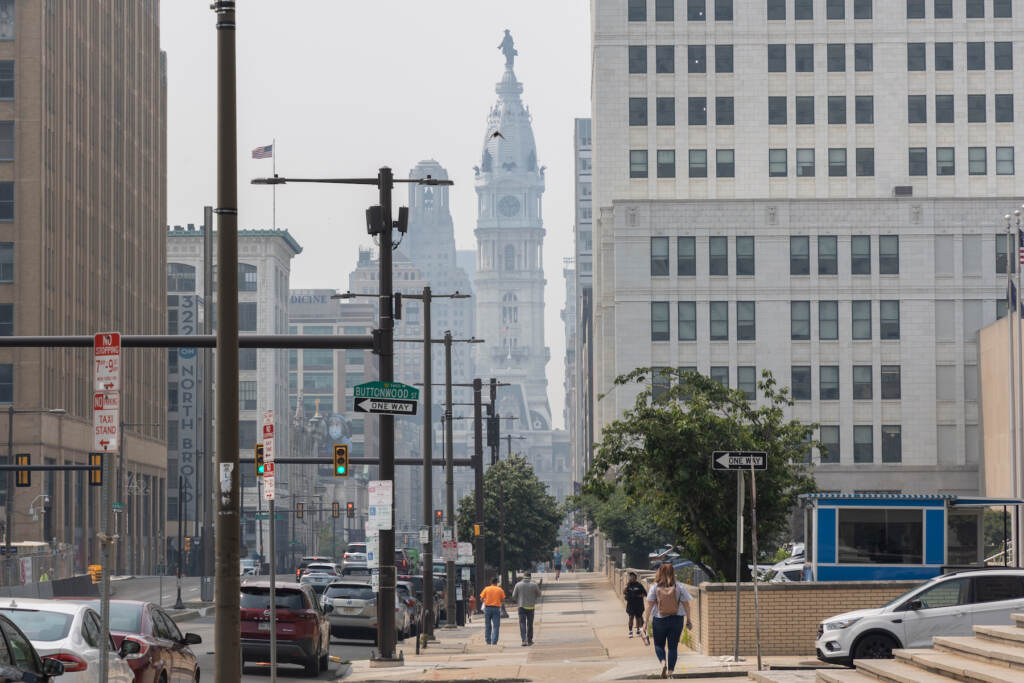
In 2025 and 2026, wildfire smoke from Canada drifted southeast across the mid-Atlantic region, blanketing the sky with fine particles and triggering Code Red air-quality alerts.
In addition to posing a threat to people with heart and lung problems, the wildfires, which have grown more intense due to climate change, can also block a clear view of the sky.
“Sometimes you’ll look at the weather report and it’ll say, ‘Oh, it’s going to be clear tonight,’” Dulsky said. “But then you go outside and … the sky is just all hazy.”
Related Content
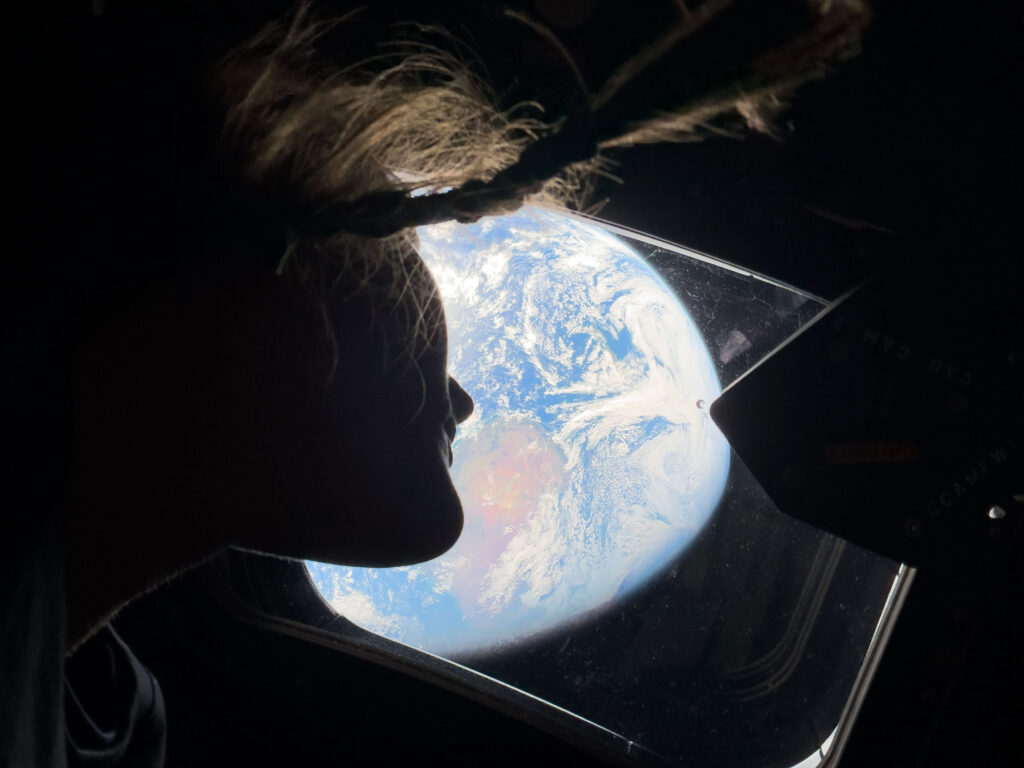
Artemis II and the new space race
NASA’s Artemis II mission will surpass the record for the farthest distance traveled from Earth by humans. Next up, NASA wants to build a moon base...but so does China.
Air Date: April 6, 2026 12:00 pm
Listen 51:39The solution for disappearing dark skies
DarkSky International, founded in 1988, is the nation’s largest advocacy organization seeking to restore the globe’s dark skies. The nonprofit recommends five principles for maintaining outdoor lighting: use only if necessary, direct only where needed, keep no brighter than needed, use only when needed and use warmer color lights where possible.
The organization has certified 179 locations in the United States as Dark Skies Places. Only one is in Pennsylvania: Cherry Springs State Park in Potter County.
In 2021, DarkSkies International, through the assistance of a local chapter, helped Pittsburgh draft an ordinance to slash light pollution through the use of dimmer, environmentally friendly lighting fixtures.
Lawlor, of Penn State Brandywine, plays a key role on the West Chester Green Team’s Dark Skies Committee. He said it is up to local organizations to press municipalities to combat light pollution. Lawlor pointed to the successes of the Lights Out Philly initiative, which seeks to prevent migratory birds from crashing into buildings by asking property owners to turn off lights at night.
The local Dark Skies Committee caught the attention of state Rep. Chris Pielli, D-Chester County, and helped him put together House Bill 969, which seeks to cut light pollution on all state and state-funded properties.
Lawlor, 58, said the committee has hopes of convincing Chester County to take steps to get a Dark Skies Place certification. Ultimately, their work has given him hope that reversing the impacts of light pollution is achievable.
“I feel like the solutions aren’t really — they’re not big,” he said. “We’re not asking an industry to stop using fossil fuel. We’re just saying turn your lights down, if you can use warmer lights and shut them off if you can. That’s it.”
McGeeney, of Light Pollution News, grew up in Limerick in the 1980s and ‘90s. He can remember stars lighting up the night sky. He was hooked on telescopes, which he used for what he would call a “scavenger hunt in the sky.”
McGeeney, 45, now lives in the Roxborough neighborhood of Philadelphia. He was saddened by the prospect of losing the dark sky and shared sense of humanity a night of stars can bring.
If people can no longer see the stars, then what incentive do they have to look up?
“You worry,” he said, “that maybe at some point we’re not going to be as dynamic and creative and unique and curious as we’ve been.”

Never miss a moment with the WHYY Listen App!


WHYY is your source for fact-based, in-depth journalism and information. As a nonprofit organization, we rely on financial support from readers like you. Please give today.
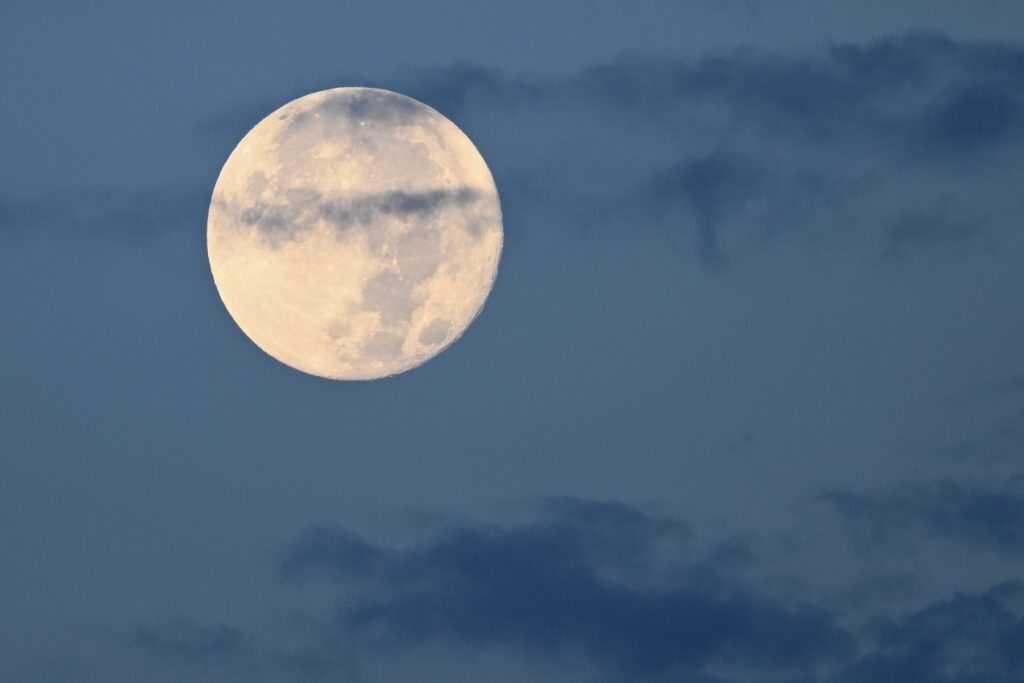
What to know about Monday’s blue supermoon
The next blue supermoon will not happen until 2032, but supermoons occur more frequently.
2 years ago
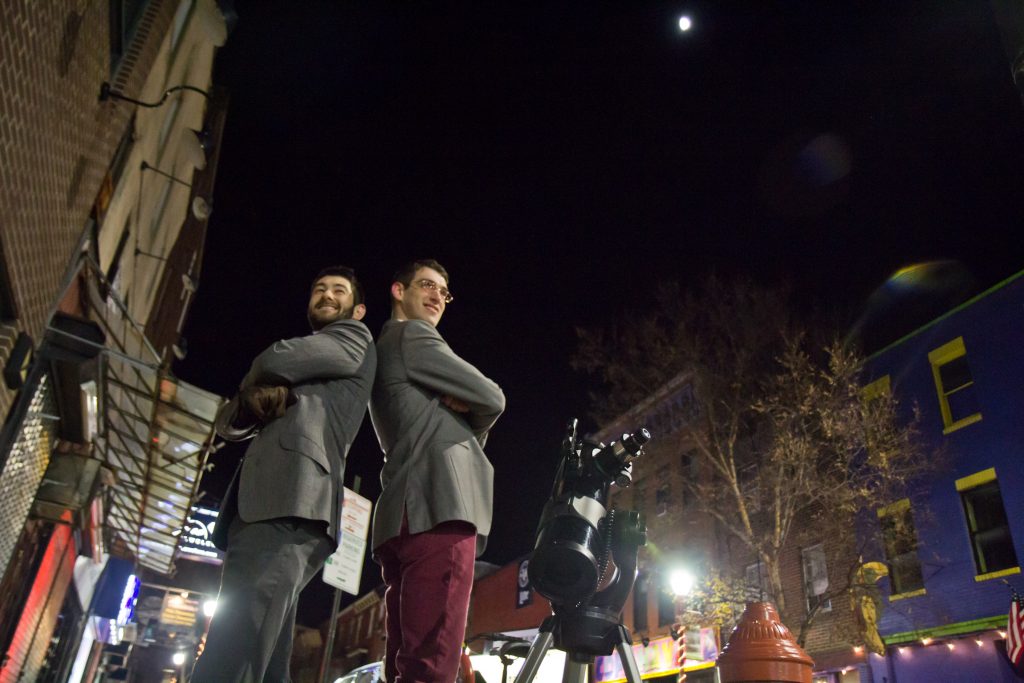
Philly’s Moon Men bring their telescopes to South Street
Brothers Bill and Brandon Green invite the public on Philadelphia's South Street to see the moon up-close.
8 years ago
Listen 3:32
Guests: Michio Kaku Physicist and futurist MICHIO KAKU theorizes ...
Air Date: February 26, 2018
Listen 49:26