

Why jazz novices will want to pay attention to John Coltrane’s 100th birthday in Philadelphia
The centenary celebrations of Coltrane’s birth will show Philadelphia’s role in the development of a jazz genius.
Listen 3:39
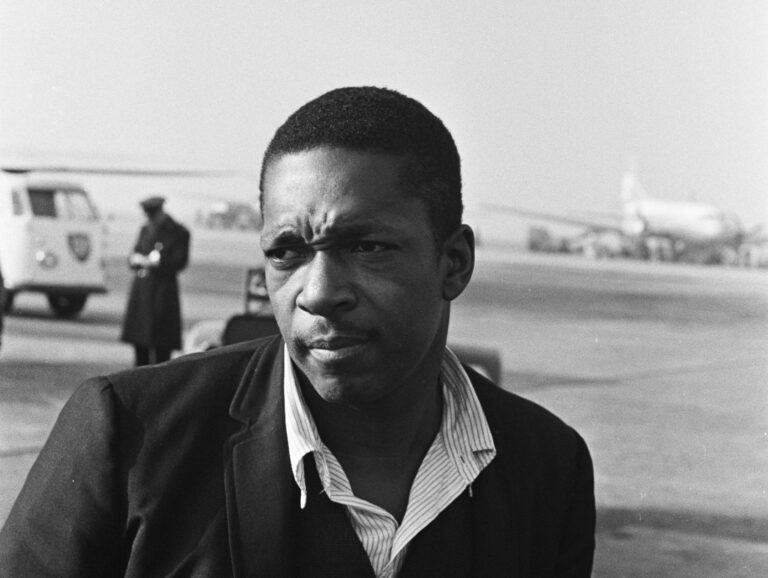
John Coltrane. (Hugo van Geldere/Dutch National Archives)
From Philly and the Pa. suburbs to South Jersey and Delaware, what would you like WHYY News to cover? Let us know!
Philadelphia is commemorating what would be John Coltrane’s 100th birthday with a week of concerts, talks, film screenings and poetry readings, many of which highlight the jazz musician’s deep ties to the city.
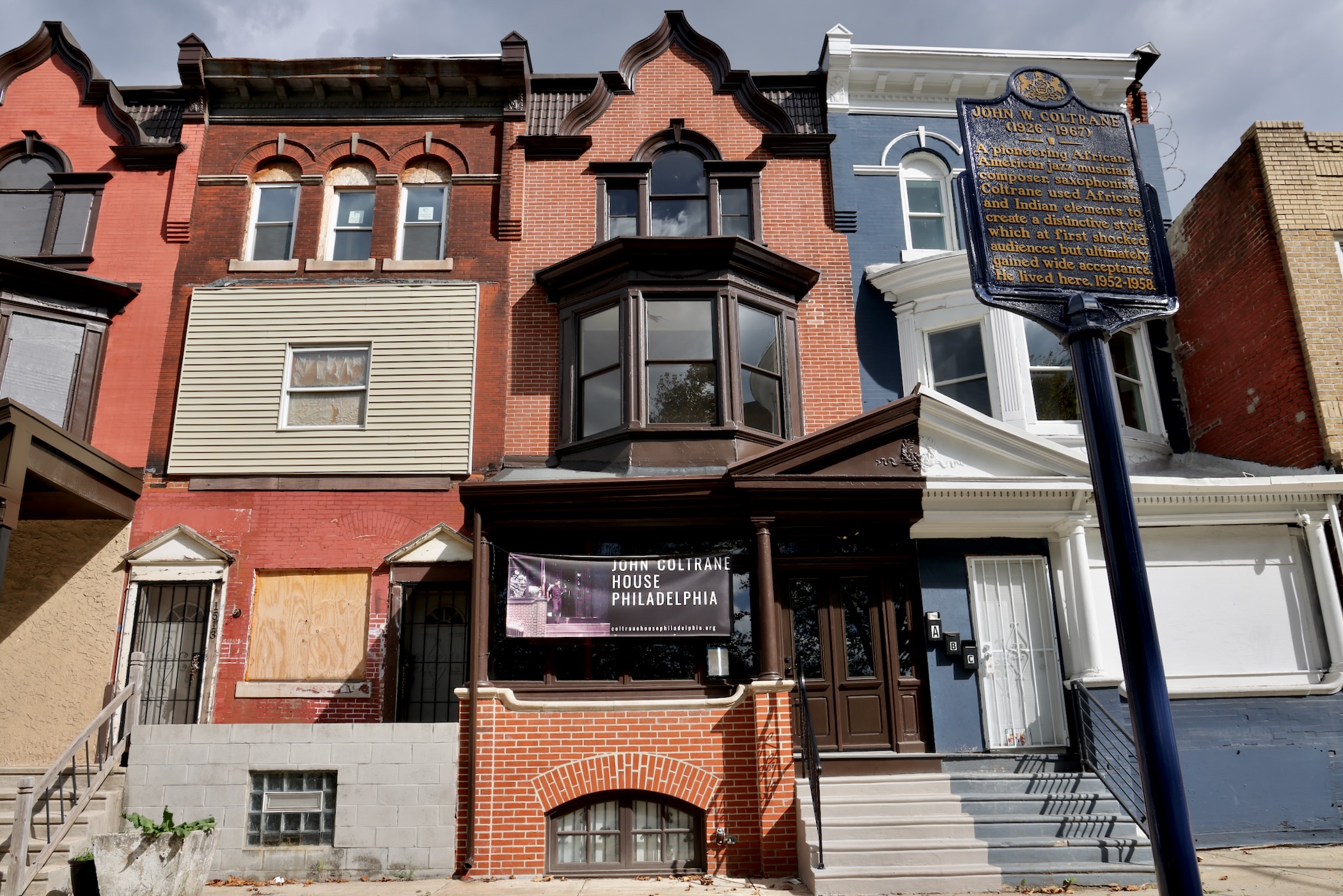
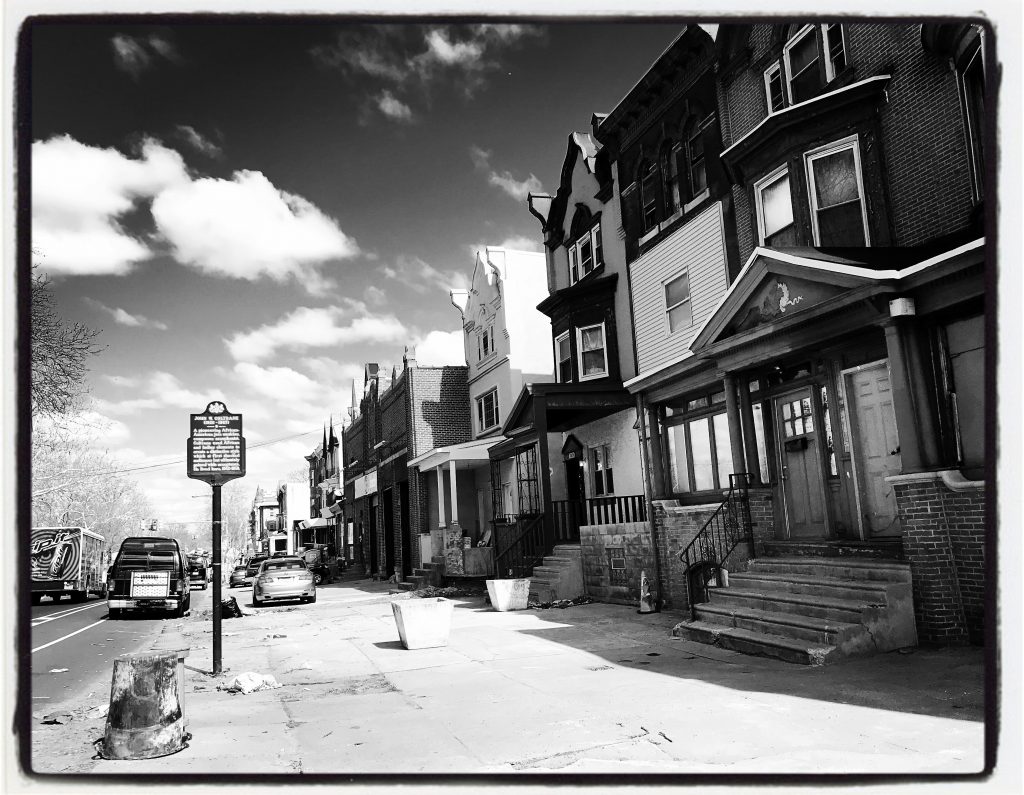
Coltrane was born Sept. 23, 1926 in Hamlet, North Carolina, and grew up in High Point, living in the southern city through high school. But for most of the 1950s, he lived in Philadelphia’s Strawberry Mansion neighborhood. The house where he lived fell into disrepair over the years. It is now being restored as a museum and community cultural center.
Coltrane spent his 20s in Philadelphia, learning and exploring his musical art. He moved to New York City in 1958 but continued playing here often, hiring Philadelphia players for tours and recordings. He died of liver cancer on Long Island in 1967 at age 40.
For fans of jazz, Coltrane’s transcendental approach to music has made him a revered figure.
“It ruined me, in a good way,” said Anyabwile Love, professor of Black studies at Philadelphia Community College, who first heard Coltrane’s music at 17.
“There’s one poet that I interviewed years ago, and he said the first time he heard Coltrane he had to leave the venue,” he said. “It was a live performance and he said he sat there and watched Coltrane reconstruct the universe. He had to go outside to get some air.”
Love will be leading a discussion as part of Ars Nova Workshop’s “Coltrane 100,” a series of concerts and speaking engagements held this week in Coltrane’s name. Among the performers are the Immanuel Wilkins Quartet, the Sun Ra Arkestra, Odeon Pope, Terri Lynne Carrington and Tyshawn Sorey with Marilyn Crispell. Ars Nova Workshop will continue to program Coltrane-related events for the next 12 months.
The Philadelphia Museum of Art, the Mann Center and LOVE Park, among others, are also celebrating Coltrane with activities.
What of those listeners not drawn to jazz, for whom a 20-minute saxophone solo can feel impenetrable or worse? What can Coltrane mean to them?
“If there’s something you don’t understand, you have to go humbly to it,” Coltrane told interviewer Frank Kofsky in 1966. “You open your mind. You absorb. You’ve got to be quiet. You’ve got to be still to do this.”
Related Content
Philly celebrates John Coltrane’s 100th birthday with $27,000 in grant funding for artists
Artists with a “soul-tie” to Coltrane’s music have the opportunity to showcase new ideas with Coltrane 100 Philly.
2 months ago
Coltrane’s Philly roots
Coltrane spent much of his early childhood in North Carolina before moving to Philadelphia in 1943 with his mother and cousin Mary, whom he later celebrated in an eponymous song.
That same year his mother bought him his first saxophone. He took lessons and played his first professional gig before joining the U.S. Navy in 1945.
Returning from service in 1946, the young Coltrane threw himself into North Philadelphia’s bustling jazz scene, which included pianist McCoy Tyner, bassist Jimmy Garrison, pianist Hassan Ibn Ali, sax player Odeon Pope, sax player Sam Reed and the brothers Jimmy and Albert Heath.
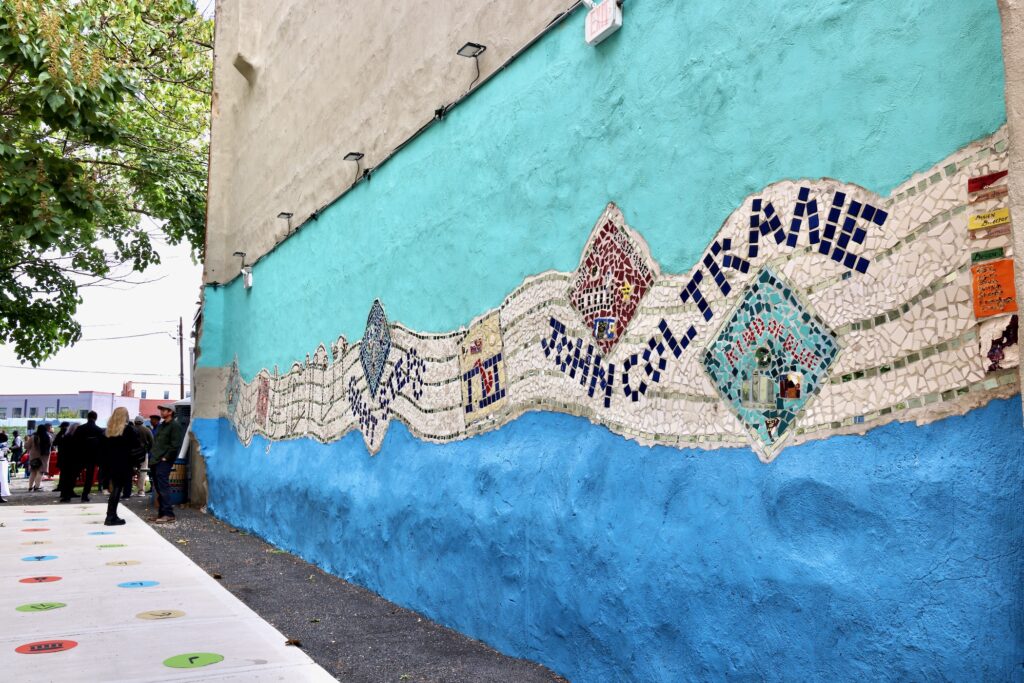
Film footage of some of those musicians will be screened by filmmaker Steven Berry as part of the second annual North Philadelphia History Festival this week. Produced by Scribe Video, the festival will focus on Coltrane’s connections to North Philly.
The festival will feature a video installation featuring Lovett Hines of the Clef Club and musician Cullen Knight highlighting the “Golden Strip,” a corridor of North Philly jazz clubs from the 1950s and ‘60s on what was then Columbia Avenue, now Cecil B. Moore Avenue. The installation is created by Christina Jackson and Paul Geiss.
“Looking at Coltrane in context was a key part of what we were trying to do, the context of what else was happening culturally and musically in Philadelphia,” said Louis Massiah, founder and director of Scribe Video. “Also, Coltrane and spirituality is a very, very important focus of this North Philadelphia History Festival.”
Related Content
Work and funding underway to repair and program John Coltrane’s Strawberry Mansion house
A new nonprofit created by descendants of the jazz legend will take over stewardship of the future Philadelphia cultural space.
1 year ago
Listen 1:21Preserving Coltrane’s legacy in the house of his spiritual rebirth
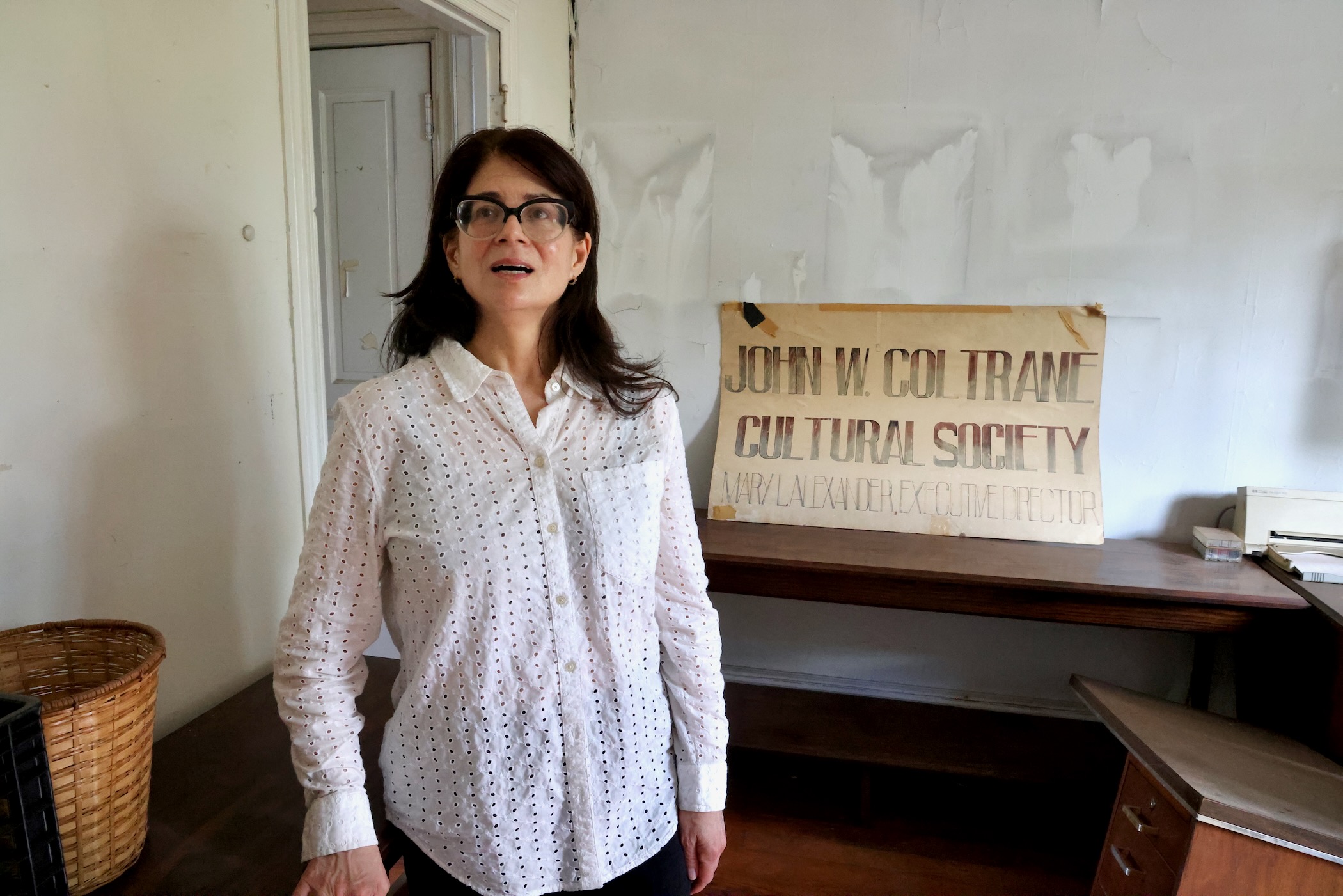
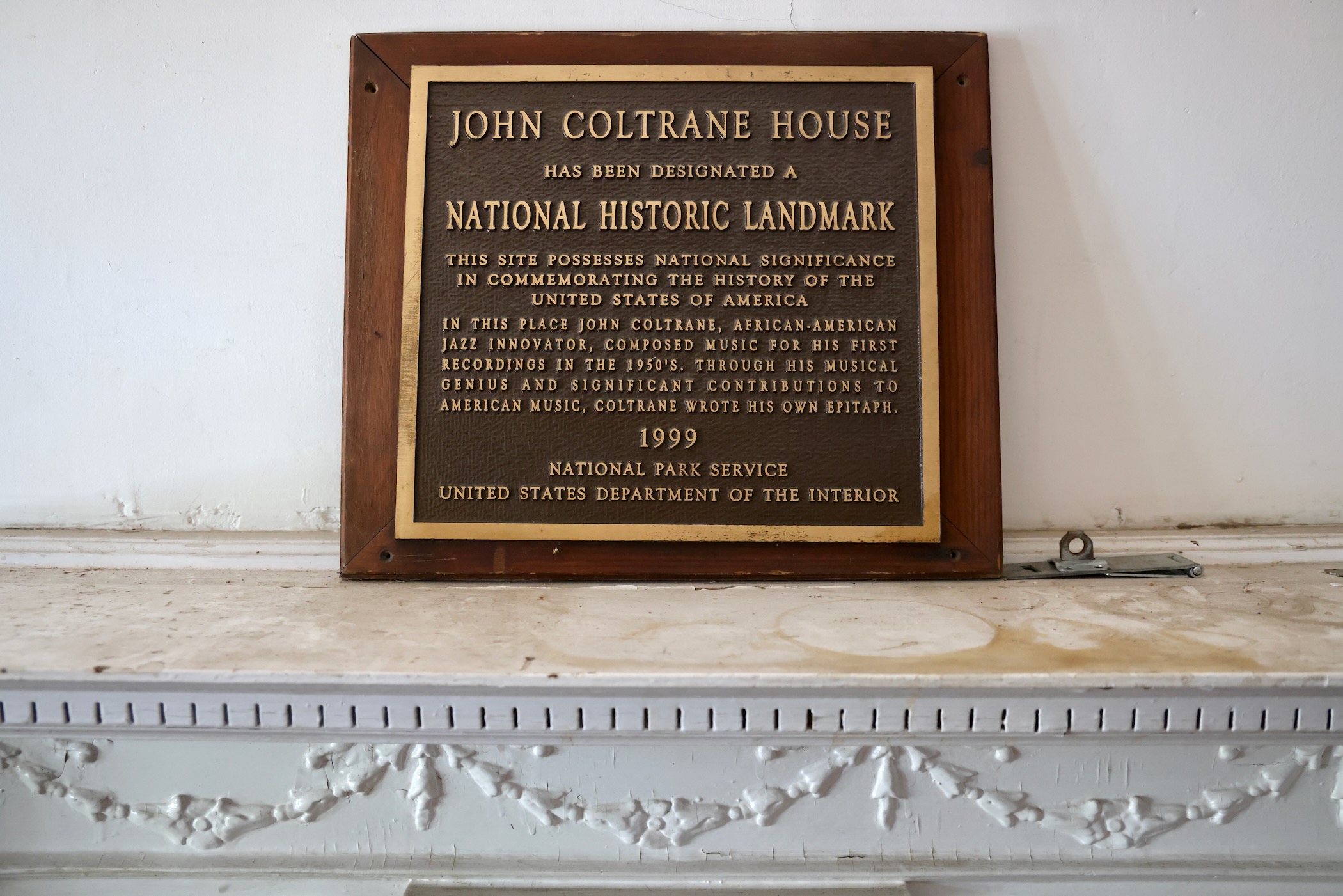
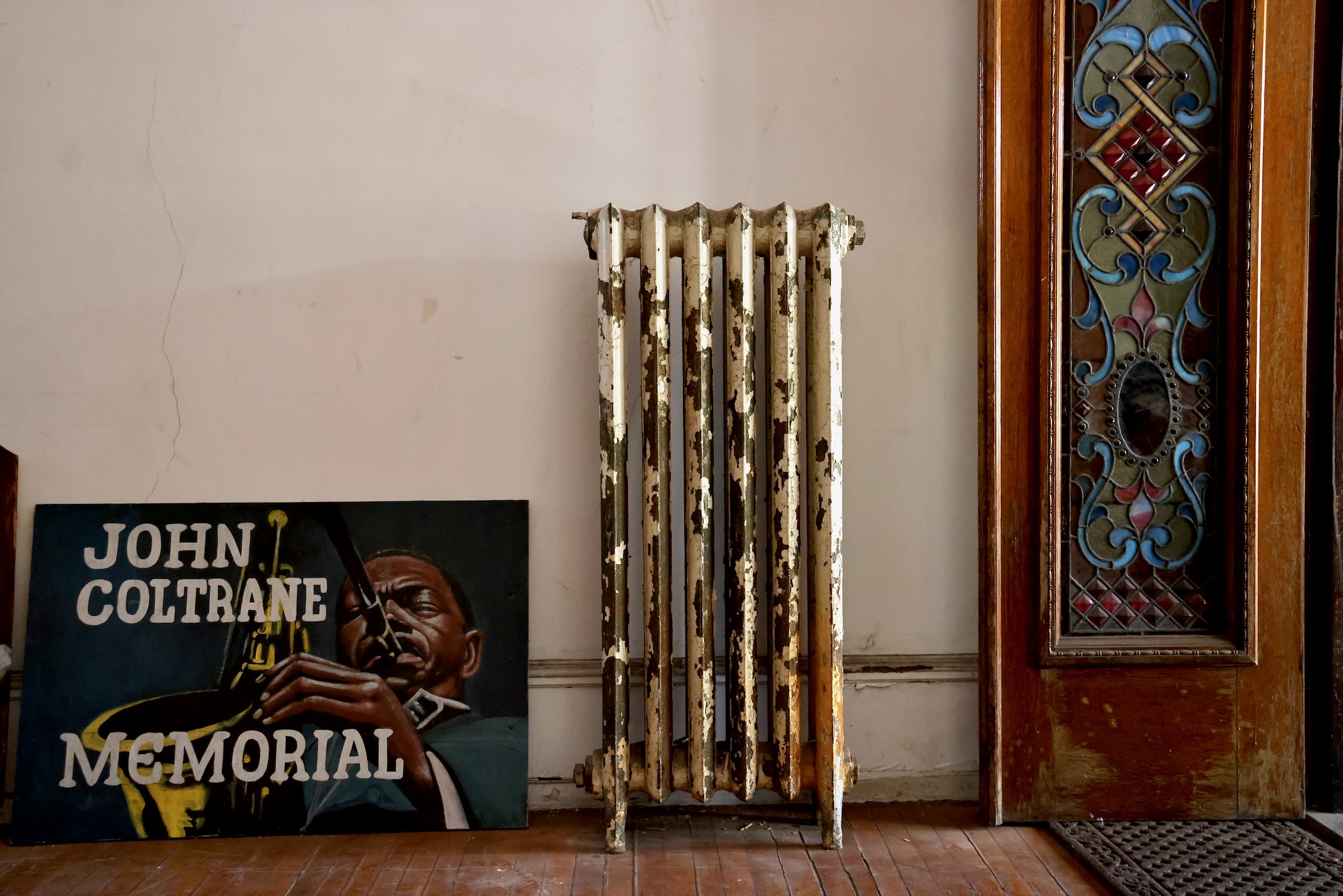
In 1952, with money from the GI Bill, Coltrane bought a house on North 33rd Street. After years of tangled title and court proceedings, the dilapidated house is now owned by an organization founded by Coltrane’s son, Ravi, which has begun stabilizing the structure for renovations as a community cultural asset.
“It sounds kind of boring but it’s actually really exciting,” said Kathleen Hennessy, Ravi Coltrane’s wife. It’s very serious structural work that’s necessary.”
Together, Hennessy and her husband have nearly completed the restoration of the Long Island house where Coltrane lived at the end of his life. Coltrane’s childhood home in North Carolina is also being restored by the High Point Preservation Society.
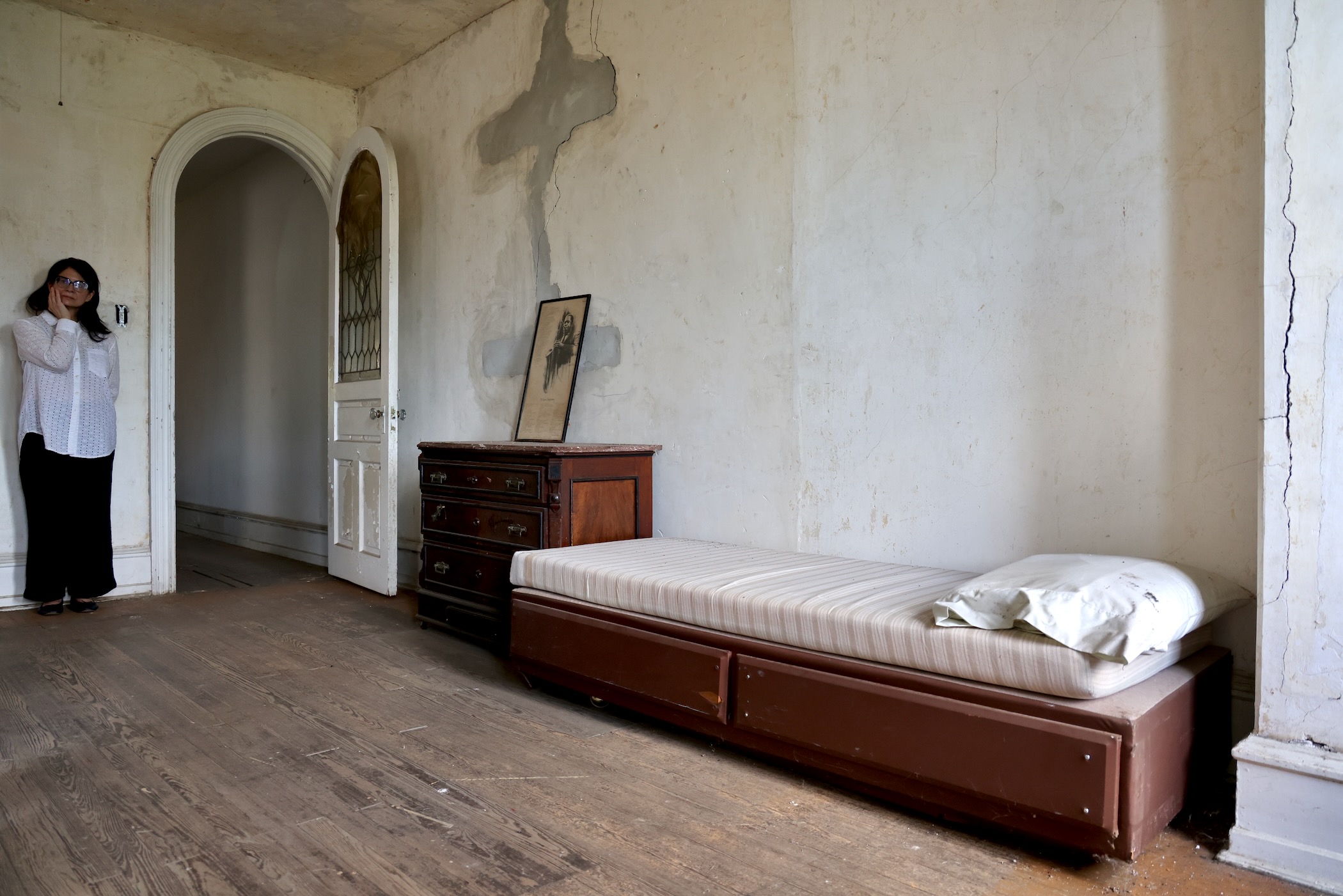
Here in Philadelphia, the front façade of the 33rd Street house has been reconstructed and the structure’s back wall is being rebuilt.
“It’s going to really help stabilize the house. Whether we’re doing the Long Island home or here, that’s the first thing that we want to do: stabilize the building,” Hennessy said.
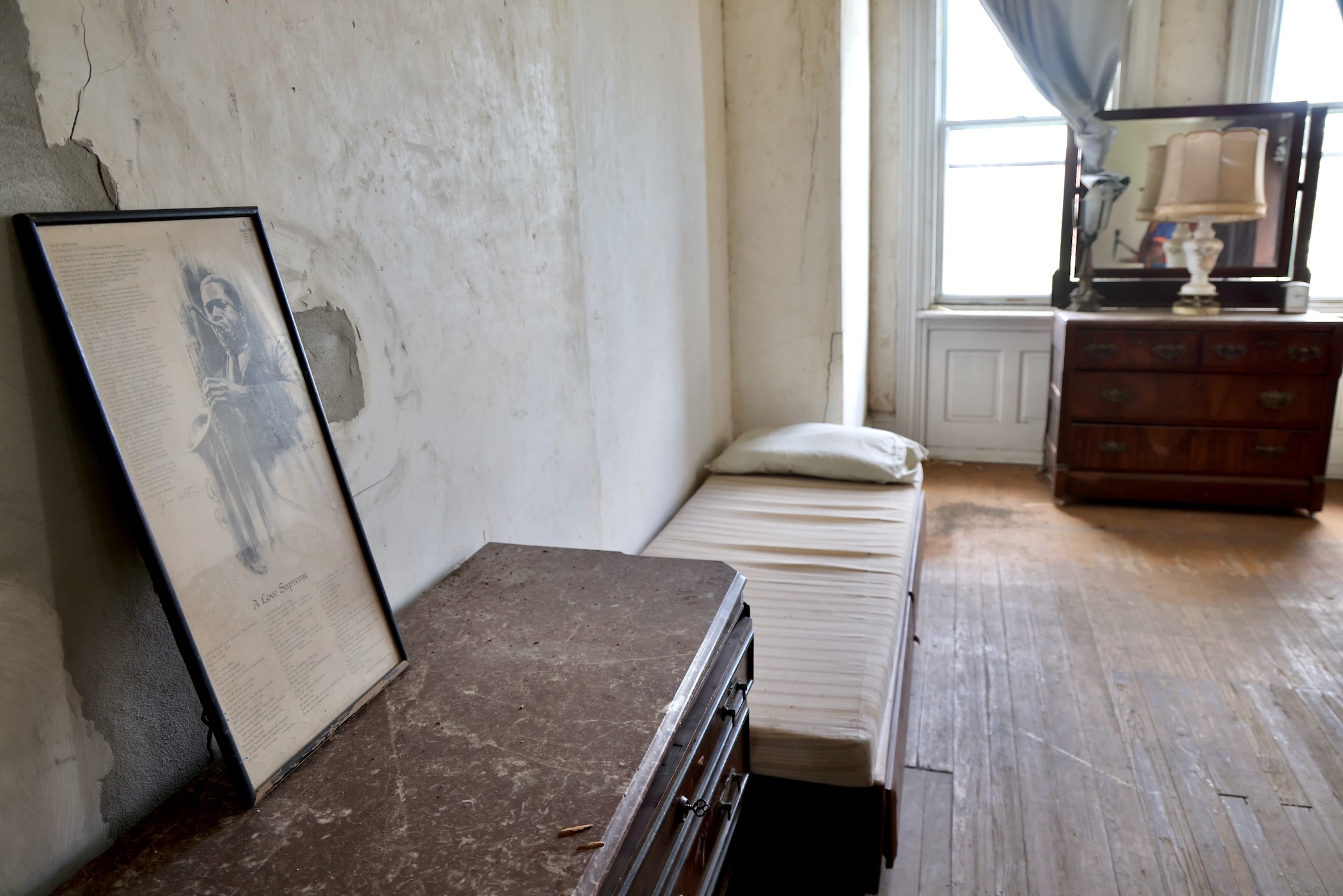
On the rear of the Philadelphia rowhome’s second floor is a small bedroom with cracked plaster walls and peeling paint. The humble space carries an outsized importance in jazz history.
“This is the room where he came to free himself of drug addiction,” said Anthony Tidd, chief creative catalyst with Ars Nova Workshop. “He locked himself in this room and basically quit his habit.”
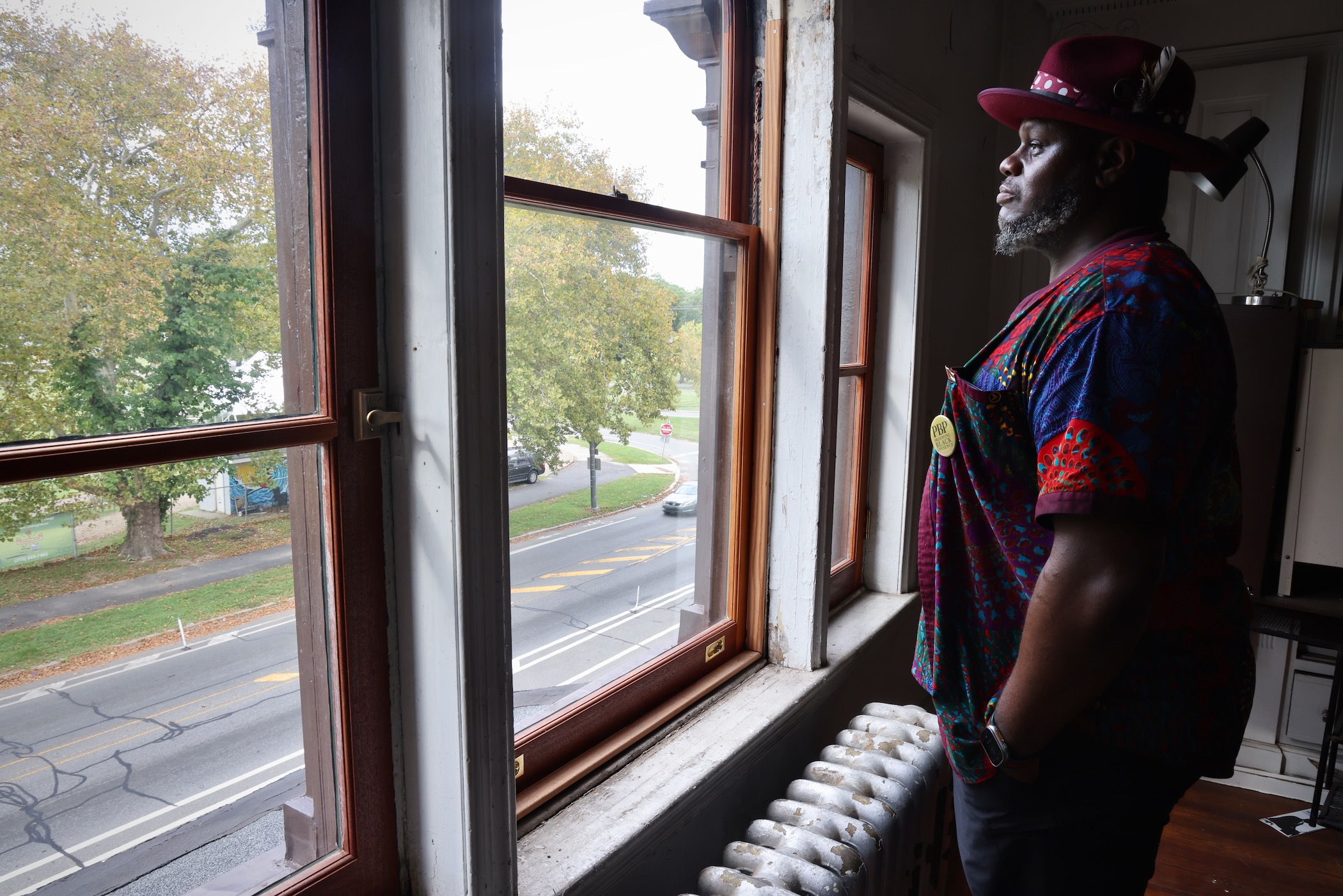
Coltrane had been struggling with heroin and alcohol, which had gotten him fired from the Miles Davis band. He later said that the sobriety he achieved here in 1957 led him to a spiritual awakening and a period of intense creativity.
Shortly after, in 1960, he released the album “Giant Steps.” It is considered one of the most influential jazz albums of all time. In 1964, he composed “Love Supreme,” which his wife Alice described as “like Moses coming down from the mountain.”
“It doesn’t matter if you like jazz or not like jazz, most people are very inspired by the idea of transcendence, of searching, of stretching towards good,” Hennessy said. “He says very specifically: ‘I want to be a force for good.’”
Mark Christman, the founder of Ars Nova Workshop, said the best way to understand Coltrane is to listen to his music with patience.
“It’s an artistic language that’s formed and forged within segregation, within constraint, within migration and labor and aspiration. Coltrane’s life exemplifies this,” he said. “Understanding this one particular artist’s growth can help us understand each other a little bit more intimately and honestly. Spending time with this music can be part of a kind of healing that this country needs.”

Saturdays just got more interesting.
WHYY is your source for fact-based, in-depth journalism and information. As a nonprofit organization, we rely on financial support from readers like you. Please give today.
Work and funding underway to repair and program John Coltrane’s Strawberry Mansion house
A new nonprofit created by descendants of the jazz legend will take over stewardship of the future Philadelphia cultural space.
1 year ago
Listen 1:21
Nicole Sweeney brings her national jazz journey back to Philly’s WRTI, where it all began
Nicole Sweeney brings her signature storytelling and soulful presence to Evening Jazz at WRTI, connecting Philly listeners to jazz’s rich legacy.
1 year ago
‘A yin and yang’: Alice and John Coltrane honored with a festival at Penn Live
A week-long festival at Penn Live honors the legacy of the husband and wife team who developed spiritual jazz.
4 years ago