

Jersey Shore ‘resilient’ as summer season attracts beachgoers
Going into the summer, meteorologists are predicting lower than typical tropical activity, setting the stage for a successful summer season at the shore.
Listen 1:01
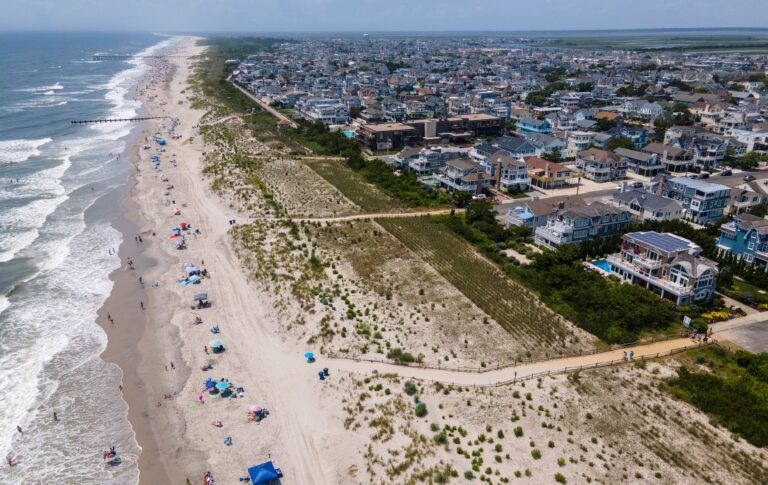
The beach, ocean and skyline are in Avalon, New Jersey, on Monday, July 18, 2022. (AP Photo/Ted Shaffrey)
This story is part of the WHYY News Climate Desk, bringing you news and solutions for our changing region.
From the Poconos to the Jersey Shore to the mouth of the Delaware Bay, what do you want to know about climate change? What would you like us to cover? Get in touch.
As summer approaches, beachgoers will flock to a healthy Jersey Shore, according to an annual report that evaluates the state’s coastline.
The 24th State of the Shore report indicates New Jersey’s beaches are in good shape as environmental regulators aim to make them more resilient to the effects of climate change.
The Jersey Shore survived winter with only a handful of serious flood events and narrowly escaped the blizzard of 2026 as the storm changed course. However, flooding events are increasing significantly overall, particularly during high tides and elevated sea levels compounded by climate change.
Going into the summer, meteorologists are predicting lower than typical tropical activity, setting the stage for a successful summer season at The Shore.
New Jersey is home to 130 miles of Atlantic coastline, 1,800 miles of tidal shoreline and more than 82,000 acres of lakes. The state’s beaches are a significant contributor to the state’s tourism economy, which last year totaled about $52 billion from its more than 124 million visitors, according to the New Jersey Division of Travel & Tourism.
“Thanks to this fortuitous turn of events, and what was otherwise an extraordinarily calm winter storm season, most New Jersey beaches remain in good shape heading into the summer season,” said Jon Miller, who authors the annual State of the Shore Report for the New Jersey Sea Grant Consortium.
However, the state has faced a number of challenges over the years as the coast has been hit with serious storms. As the remnants of Hurricane Erin hit New Jersey in August 2025, waves rolled across beaches and into dunes and boardwalks. Streets became flooded, and emergency responders were called to rescue drivers. Beach erosion in some towns left municipalities scrambling to fix access before the busy Labor Day weekend last year.
Related Content
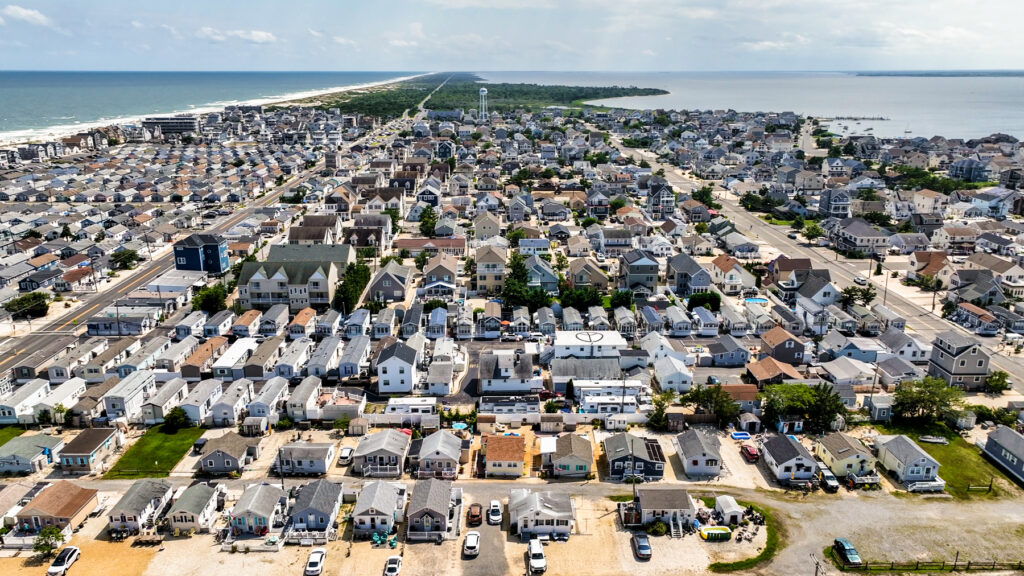
N.J. lawmakers look to toss out higher coastal elevation rules
Lawmakers held a hearing Wednesday on a resolution that pits the state Legislature against Gov. Mikie Sherrill over climate-driven flood rules.
6 months ago
Listen 1:07Beach nourishment and dune protection projects will help strengthen vulnerable areas, according to the report. The state faced setbacks last year when the federal budget cut funding for the first time to beach nourishment programs that pump sand from the ocean floor onto the beach to replace what was washed away by storms.
Recently, the U.S. Army Corps of Engineers secured $99 million in federal funding that is being combined with state and local community funds to restore storm-impacted beach and dune systems in Cape May County. An additional $42 million in federal funding will support beach nourishment projects in Port Monmouth, Sea Bright and Monmouth Beach in Monmouth County.
The state is also facing some of the worst impacts of climate change as sea level rise is occurring at twice the global average, and the state is experiencing more intense bouts of rainfall than anyone has ever planned for along with prolonged periods of severe drought.
The state is taking several steps to help prepare for the effects of climate change, such as offering home buyouts in flood-prone areas and creating living shorelines.
Related Content
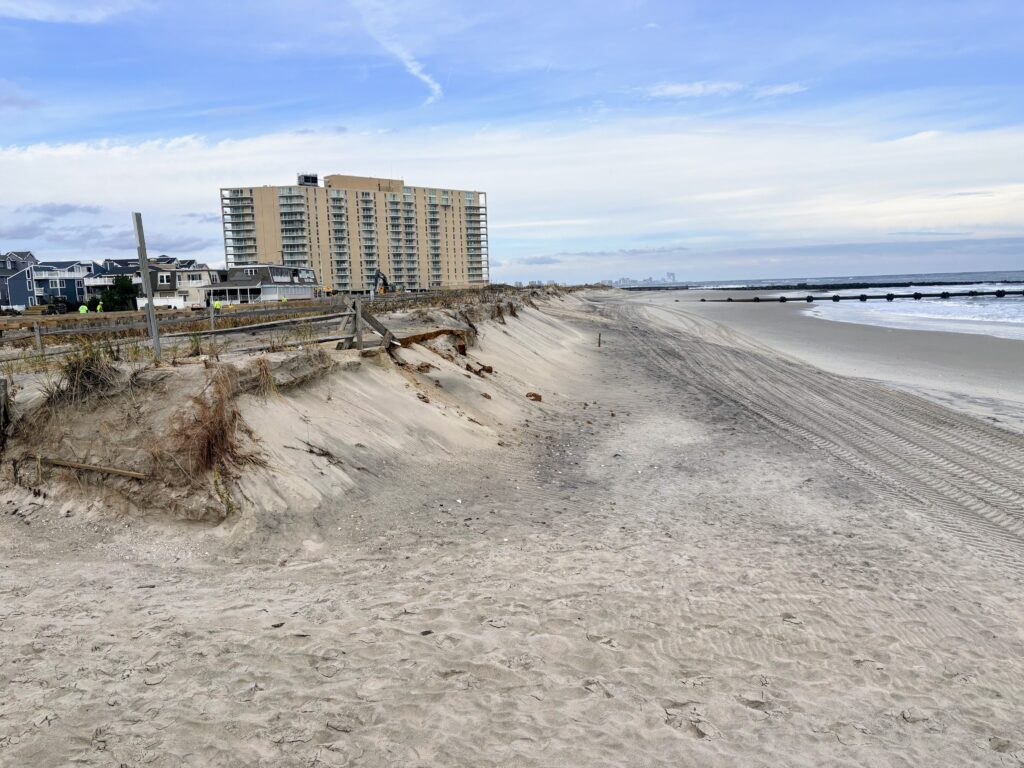
Jersey Shore beaches face uncertainty as federal funding delays threaten tourism, storm protections
Severe erosion is threatening the Jersey Shore's 2026 tourism season. Local leaders are looking to federal aid to restore coastlines before Memorial Day.
8 months ago
“The reality is that climate change is here, but we have the power to determine how prepared we will be moving forward,” said New Jersey Chief Resilience Officer Nick Angarone. “We have turned tragedy into transformation before, but we don’t need to wait for the next disaster to take action.”
The report also highlighted the cleanliness of New Jersey’s beaches, which haven’t closed to the public for contamination since 2022, after an unusually high 3 inches of rain. However, last year there were 11 advisories because of bacteria levels in the water caused by stormwater runoff that made it unswimmable. The U.S. Environmental Protection Agency has awarded the state $258,000 to monitor bacteria levels.
“In New Jersey, we love our beaches,” said Peter Rowe, executive director of the New Jersey Sea Grant Consortium. “They’re important to us, and that’s why it’s important to keep tabs on our beaches and our coast so that we can let everyone know that the beaches are open and that we should feel good coming down to the beaches.”

Get daily updates from WHYY News!
WHYY is your source for fact-based, in-depth journalism and information. As a nonprofit organization, we rely on financial support from readers like you. Please give today.
Part of the series

PGW spends millions in ads with the MLB team. The utility’s CEO is in apparent violation of state ethics law for not disclosing the value of the accepted gifts.
2 weeks ago
Listen 5:18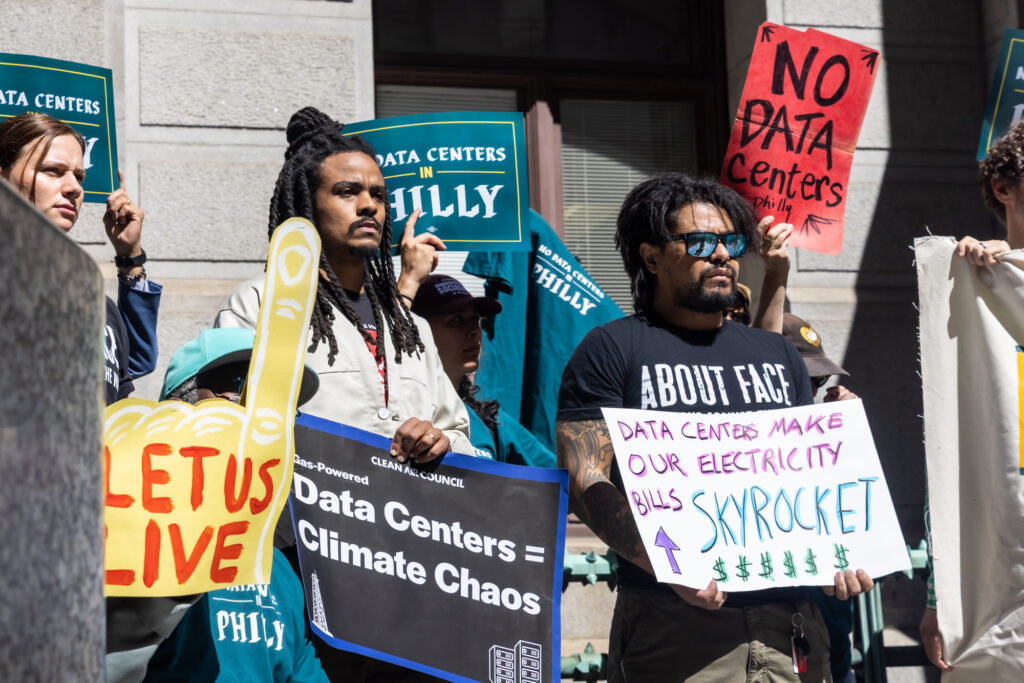
Philadelphia protesters demand city leaders prevent data center development
City officials say two sites in Philadelphia have potential for AI data centers, but there are no proposals for development.
1 month ago
Listen 1:24
New Jersey American Water rates to increase by $4 per month on average
The new water rate will help the investor-owned utility pay for water and wastewater projects.
1 month ago
Listen 1:17