

Delaware election 2026: Progressives positioned to gain seats in November after ousting incumbent lawmakers
Delaware Working Family Party candidates defeated five incumbent state lawmakers, four in the House and one in the Senate.
Listen 0:50
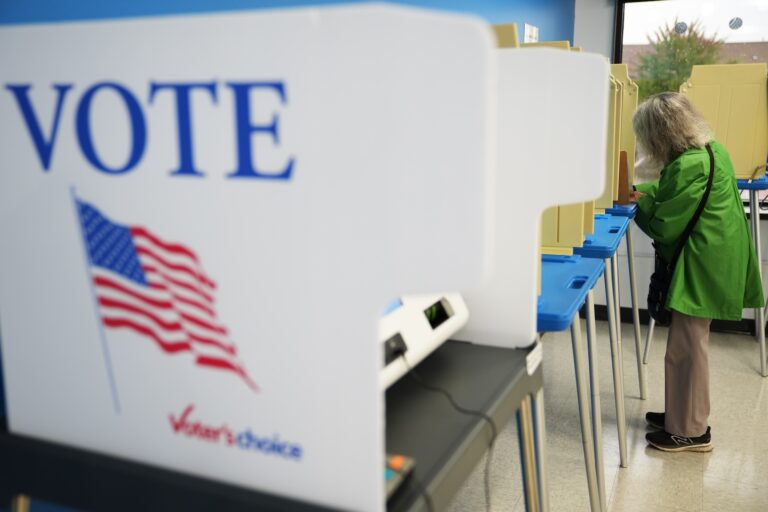
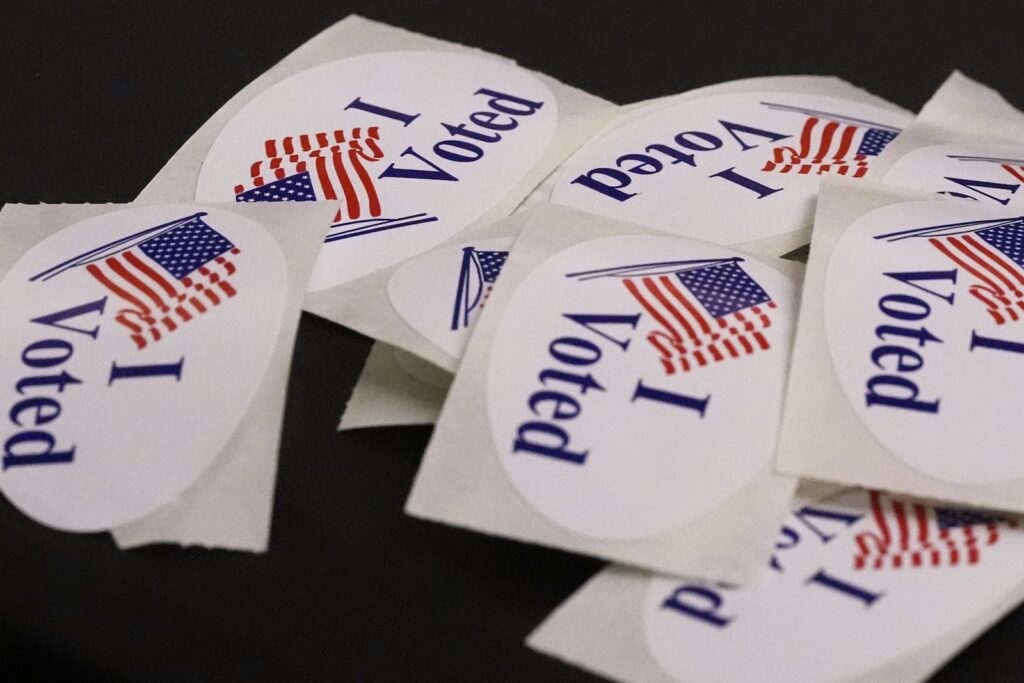
File: A voter casts a ballot at their polling place on Election Day. (AP Photo/Ellen Schmidt)
What questions do you have about the 2026 elections? What major issues do you want candidates to address? Let us know.
Progressive candidates are poised to win big in Delaware’s 2026 midterm elections after making huge gains in September’s primary elections, unseating several incumbent Democrats.
The Delaware Working Family Party ousted four Democratic lawmakers in the state House and one in the Senate, its strongest election cycle to date. But to take those seats, these challengers must also best Republican and independents opponents in November.
The party, which has been successfully challenging and unseating Democratic incumbents for the past few election cycles, won eight of the 13 state or county races in which it endorsed candidates.
Working Families Party Political Director Karl Stomberg said their candidates are winning because they are connected to their communities and the issues they care about.
“We should have government work for working people, specifically things like free school meals, rent stabilization,” he said. “I think people are looking for something different, and I think the fact that many of our folks have been doing better the last few cycles is indicative of that.”
The September victories include five new House members, one incumbent state representative, a new state senator and a fresh face on New Castle County Council.
If they win on Nov. 3, it would continue the trend of more diversity in the General Assembly dating back to at least 2019. During the 2018 election cycle, an influx of Black members and women won seats as four Democrats entered the state Senate and eight took their place in the state House.
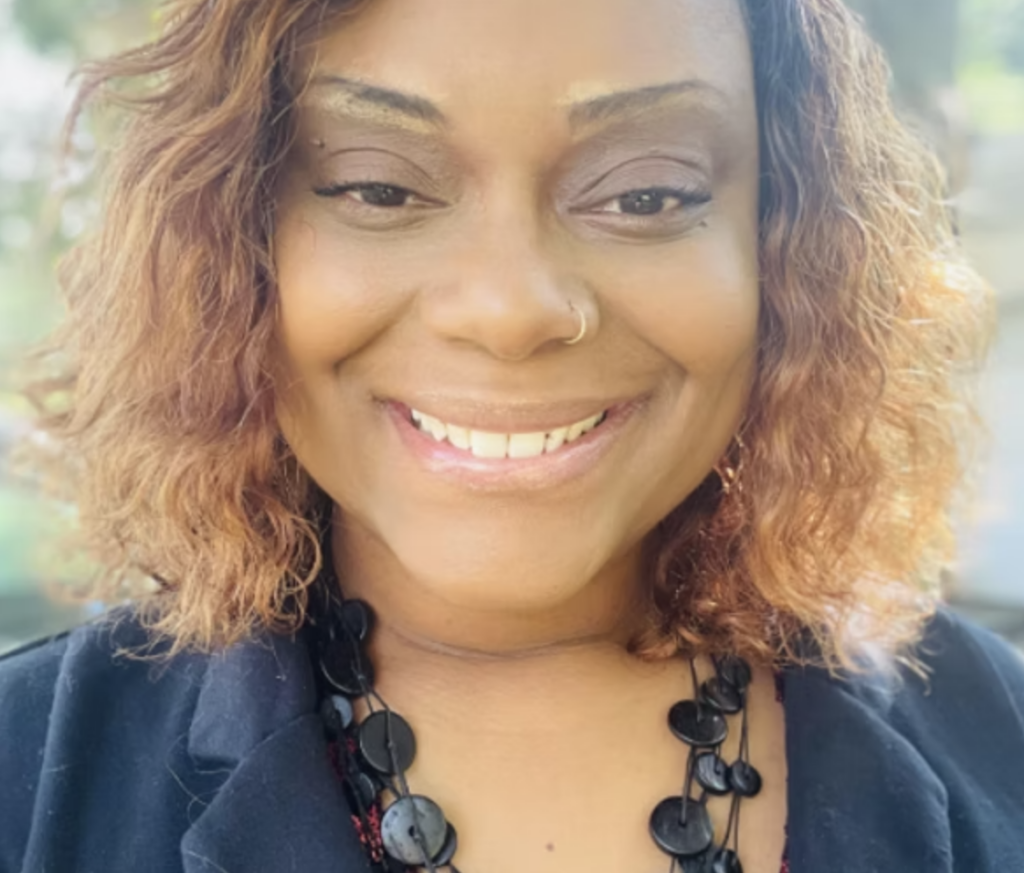
In one of last month’s closest races, Working Families Party candidate Michelle Booker defeated Democratic state Rep. Stephanie Bolden by just 67 votes. Bolden has represented her Wilmington district for about 16 years.
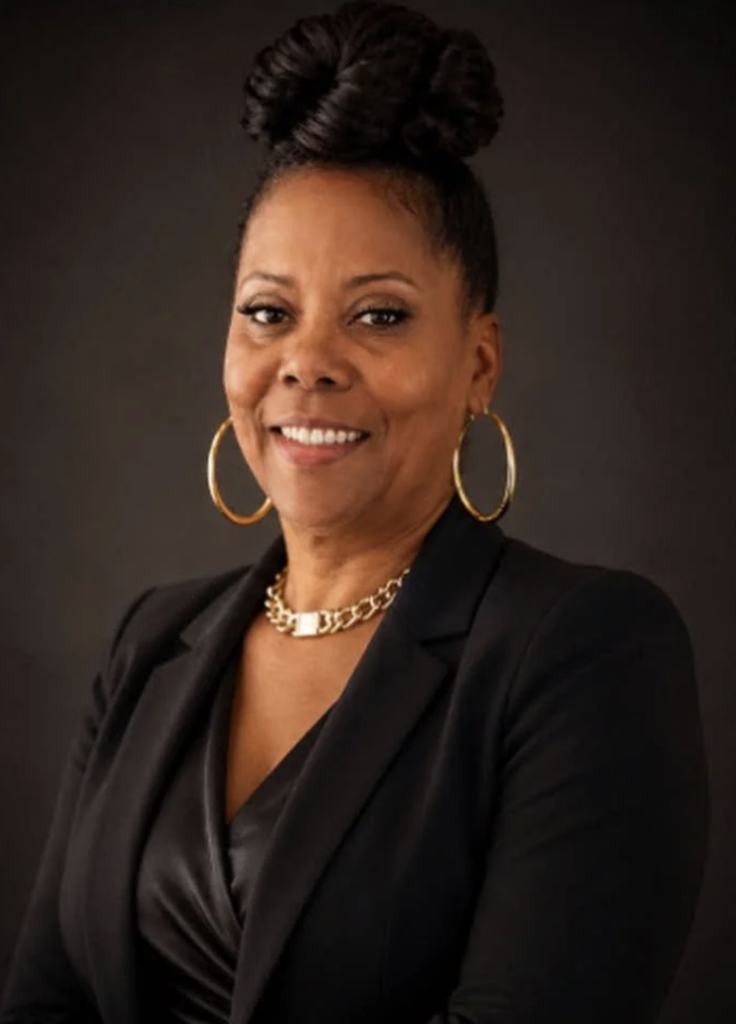
In another upset, civil rights activist Tyeisha Grier ousted nearly 20-year incumbent Rep. Bill “Lumpy” Carson, D-Smyrna, from his seat with about 57% of the vote, compared to Carson’s nearly 43%.
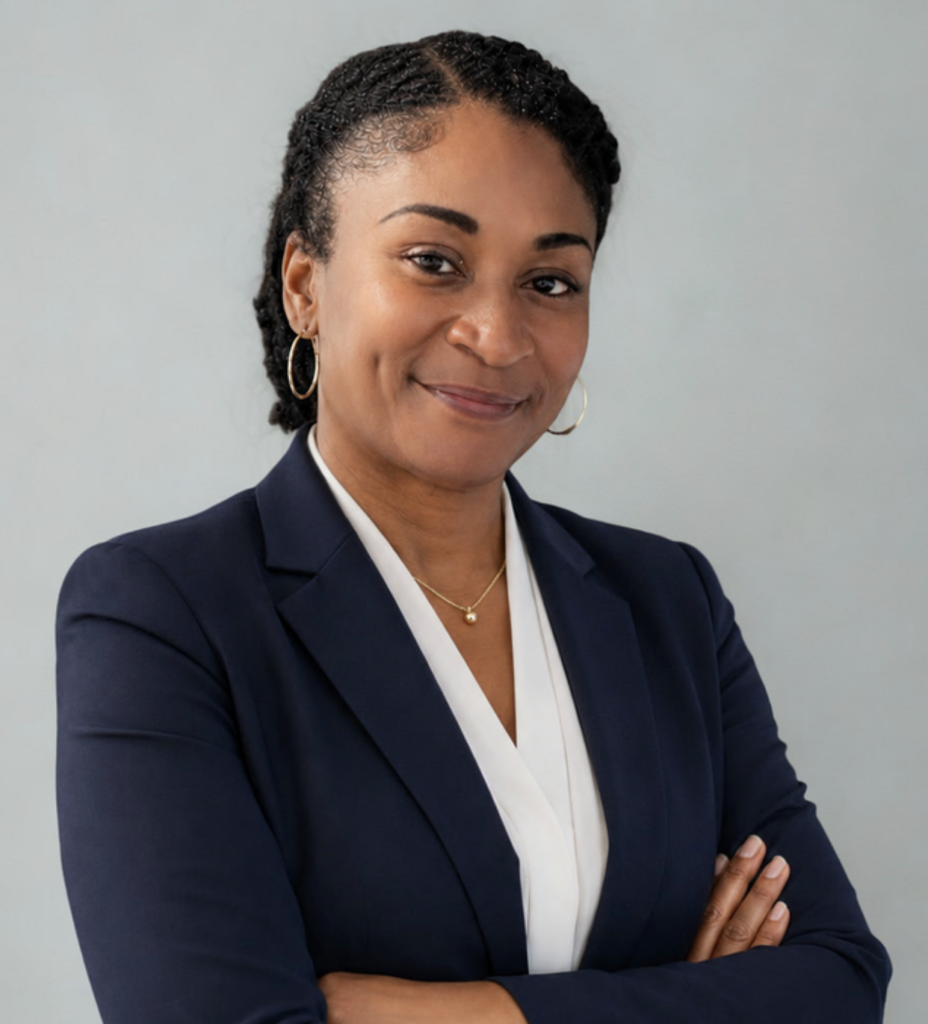
In the state Senate, Working Family Party candidate Shay Frisby bested Claymont Sen. Ray Seigfried, garnering 58% of the vote compared with the senator’s 41%.
Related Content
Delaware primary election 2026: Here’s who won and who lost
Delaware’s primaries are setting the stage for the November midterms, with Democrats hoping to retake control of Congress.
1 month ago
Massive amounts of PAC money flows into some races
Spotlight Delaware reported in July that corporate law firms, building developers and others were pouring in more than $1 million to elect or support their preferred candidates.
According to the outlet’s campaign finance database, the primary election saw 70 candidates and 28 contested races — with nearly $3.2 million in direct candidate donations and about $2.8 million in additional outside spending tied to candidates.
Paul Brewer, a University of Delaware professor of communications, said Delaware’s typical “sleepy” campaign spending environment seems to be changing.
“Some of the dollar amounts I’ve seen seem pretty unusual for this level of races for Delaware,” he said. “Turnout in races like these primaries, especially, is historically pretty low, so it’s an area where money can make a real difference.”
Related Content

Sussex County-based citizen’s PAC aims to elect candidates who ‘manage’ expanding growth
Save Our Sussex PAC formed in 2025 with the guiding principle of preserving the county’s quality of life amid rapid growth.
1 month ago
Listen 1:00Gov. Meyer’s challenges to incumbents sees mixed results
Gov. Matt Meyer made several endorsements before the September primaries, including endorsing candidates against fellow Democrats and sitting senators Seigfried and Sen. Dan Cruce, who both won their seats in a February 2025 special election.
In what was likely the Working Families Party’s biggest disappointment, Cruce retained his seat against community college professor Adriana Bohm by about 1 percentage point.
Cruce thanked Bohm the next day for a “hard fought” election.
“We need to come together and recognize that more unites us than divides us,” he wrote on Facebook. “Together, we can fight to protect our neighbors, make life more affordable and deliver real results for our community.”
Meyer highlighted his endorsement record shortly after the primaries on “Ask Governor Meyer,” WHYY’s and Delaware Public Media’s live monthly call-in show, and said he would be supporting Cruce in November.
“I backed 10 candidates, some incumbent, some not, in the primary election on Tuesday, all Democrats. Eight of them won … eight out of 10 ain’t bad,” he said.
In races not including a Working Families Party candidate, Newark Democrat Dave Redlawsk, a University of Delaware political science professor, is running unopposed. He will fill the House seat left open by state Rep. Mara Gorman’s campaign to succeed retiring Senate President Pro Tem David Sokola.
Related Content

Delaware election 2026: Midterm voter guides, key races and more
Election Day is Tuesday, Nov. 3. Here’s what Delawareans should know beforehand, from what’s at stake to who’s on the ballot and beyond.
1 month ago
Democrats eye two seats as pick up opportunities
Marydel Republican state Sen. Dave Lawson and Rep. Kevin Hensley, R-Townsend, are not running for reelection. Democrats said that they want to flip those seats, with Hensley’s appearing to be the easier target. House Democrats could gain a two-thirds supermajority if they picked up that seat.
“That’s a seat that has typically gone blue at the state level, and then there’s a few other seats that Kamala Harris won that could flip this year,” Stomberg said. “It’s likely going to be a good year for Democrats.”
Community leader Nisha Lodhavia is the Democrat taking on Republican farmer Emily Thompson to replace Lawson.
Ayanna Khan-Flowers, president of the Delaware Black Chamber of Commerce, is the Democrat vying for Hensley’s seat next month. She is facing Republican educator Jamar Money, guaranteeing the next person to fill the seat will be Black.
Delaware Republican Party Chairman Gene Truono said they are confident that Republicans will hang on to both seats.
“We’ve looked at Emily and we’ve looked at Jamar, and both of them are working really really hard,” he said. “They’re out knocking on doors. They’re getting communications out. They’re raising money, so you know we feel pretty confident that we’re going to do well.”
Democrats have a significant voter registration lead over Republicans, with nearly 333,000 Delawareans identifying as Democrats and about 200,000 calling themselves Republicans. About 13,000 residents are independents.
Truono said despite the gap in voter registration, he remains confident about November’s general election.
“I firmly believe that we’re going to flip some seats, and you know it’s going to show that the Republican Party has got some level of momentum in going to 2028,” he said. “We’re going to focus beginning in January of 2027 on creating the momentum off of the election cycle to do just that for the ‘28 races.”

Get daily updates from WHYY News!
WHYY is your source for fact-based, in-depth journalism and information. As a nonprofit organization, we rely on financial support from readers like you. Please give today.
Part of the series
Part of the series

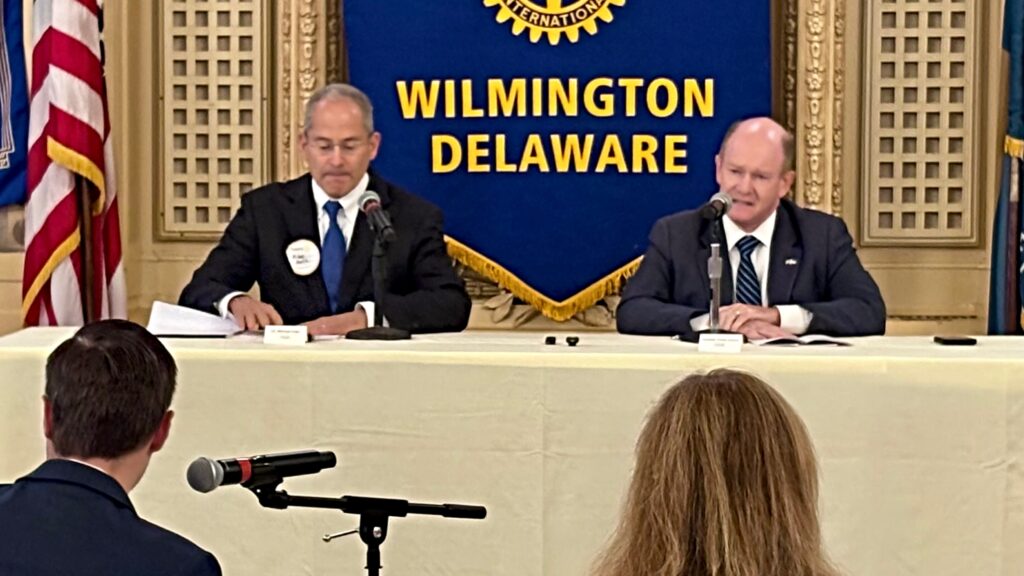
Dr. Michael Katz said Delawareans needed to take back the Democratically held U.S. Senate seat from an entrenched political establishment.
6 days ago
Listen 0:49
GOP U.S. House candidate Joseph Arminio was removed from a candidate forum Thursday after repeatedly misgendering Democrat U.S. Rep. Sarah McBride.
1 month ago
Listen 0:59
Mike Kozikowski, the six-term recorder of deeds, was defeated after WHYY News exposed his offer of a job that Councilman Dave Tackett couldn’t take.
1 month ago
Listen 1:37