

Stroke rates rising among younger adults, hitting Philadelphia’s Black communities hardest
Doctors say strokes remain a leading cause of death and disability, as younger adults and underserved Philadelphia communities face rising risks due to health disparities.
Listen 2:07
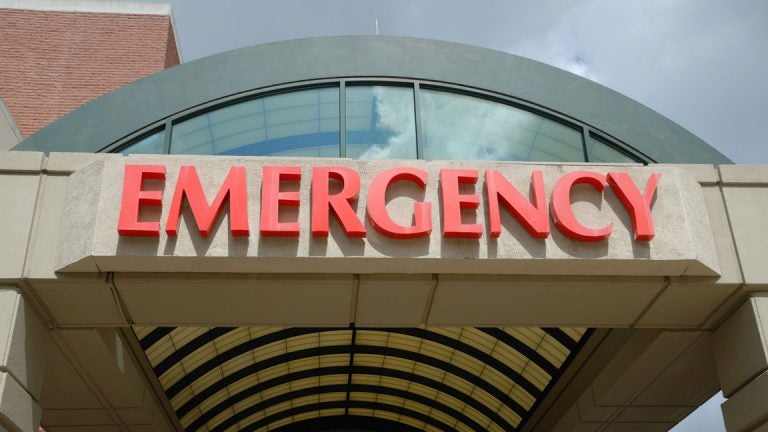
A close-up of the entrance to an emergency room. (Paul Brennan/Pixabay)
From Philly and the Pa. suburbs to South Jersey and Delaware, what would you like WHYY News to cover? Let us know!
Strokes remain one of the leading causes of death and long-term disability in the United States. Doctors say that younger adults are increasingly experiencing strokes, and in Philadelphia, stroke rates and outcomes vary sharply by race and income.
Dr. Steven Messe, a stroke neurologist and division chief for stroke at the Hospital of the University of Pennsylvania, notes that this trend reflects a shift in who is at risk and why.
What to know about stroke risk
A stroke occurs when blood flow to the brain is interrupted, either by a blockage or a ruptured blood vessel.
“There’s bleeding in the brain or around the brain,” Messe explained.
Although strokes are often linked to older adults, Messe noted that this view is outdated. About 25% of all strokes occur in people under 60, and rates among younger adults have been rising for decades. Some studies suggest that risk among people under 55 has increased by as much as 50% overall, with certain data comparisons showing increases as high as 90%, depending on the timeframe analyzed.
Experts say the trend is largely driven by rising rates of high blood pressure, cholesterol and diabetes — conditions that significantly increase stroke risk.
Stroke disparities in Philadelphia
In Philadelphia, stroke risk and recovery vary widely, with Black residents disproportionately affected.
Messe explained that the rise in strokes among younger adults has disproportionately affected minority populations, particularly non-Hispanic Black people.
“I think Philadelphia certainly falls into that nationally…[and] has been more affected by that than many locations,” he said, pointing to the city’s large population of people of color and the role of socioeconomic factors.
He also noted that stroke risk is higher in communities facing poverty, where preventive treatment and early diagnosis may be harder to access. Geographically, higher stroke rates often appear in parts of the South and Midwest, but cities like Philadelphia face similar challenges due to overlapping social and economic factors.
Related Content

Health leaders say between 73,000 and 90,000 people could lose Medicaid next year due to new federal work requirements and eligibility paperwork.
1 week ago
Listen 1:11Why strokes are missed in younger patients
Another concern is that strokes in younger patients are often missed because the condition is still associated with older adults, and their symptoms may not be recognized right away.
“Strokes get missed, and it’s a higher likelihood of that happening in younger people,” Messe said. He added that patients themselves may not consider stroke as a possibility, which can delay care and worsen outcomes.
In some cases, strokes are linked to underlying or rare conditions that can go undiagnosed for years. These include disorders such as moyamoya, which affects blood vessels in the brain and can increase stroke risk in children and young adults. Doctors say increasing awareness among patients and providers is key to reducing missed diagnoses and improving early intervention.
Advances in treatment and why timing matters
Despite rising rates, Messe said advances in stroke treatment have significantly improved outcomes. New therapies allow doctors to dissolve clots with medication or remove them through minimally invasive procedures, in some cases even hours after symptoms begin.
Local hospitals, like the Hospital of the University of Pennsylvania and the Children’s Hospital of Philadelphia, provide advanced stroke care and specialized treatment for children with rare conditions. Still, timing remains the most critical factor.
“[If] you think you’re having a stroke, you really need to get to an [emergency room] as quickly as possible,” Messe advised. “[Time] is brain…the sooner you can get treated, the better you will do with the stroke.”
Messe mentioned that recognizing symptoms like difficulty speaking, vision issues, dizziness or weakness and calling 911 immediately can significantly improve recovery chances. It can also decrease the risks of long-term disability and death.

Never miss a moment with the WHYY Listen App!


WHYY is your source for fact-based, in-depth journalism and information. As a nonprofit organization, we rely on financial support from readers like you. Please give today.

Penn graduate workers reach historic tentative agreement with university, averting strike
Union organizers say the contract will transform their quality of life. Efforts to unionize graduate students started more than 20 years ago.
3 months ago
Listen 1:36
Penn senior and family host 10th annual fundraiser for Duchenne muscular dystrophy
Between classes at Penn and DJ gigs, Yuva Gambhir manages the rare degenerative disease with grit and determination.
7 months ago

Early career researchers at Penn want to form a union, which the university is challenging
Organizers say they want better job security, protections against being fired unfairly and salaries that keep up with the cost of living.
1 year ago
Listen 1:38