


How mega-mergers are reshaping media
Who are the billionaires redrawing the maps of our media ecosystem? What will change if some of the biggest names in entertainment and news fall under the same umbrella?
Listen 51:12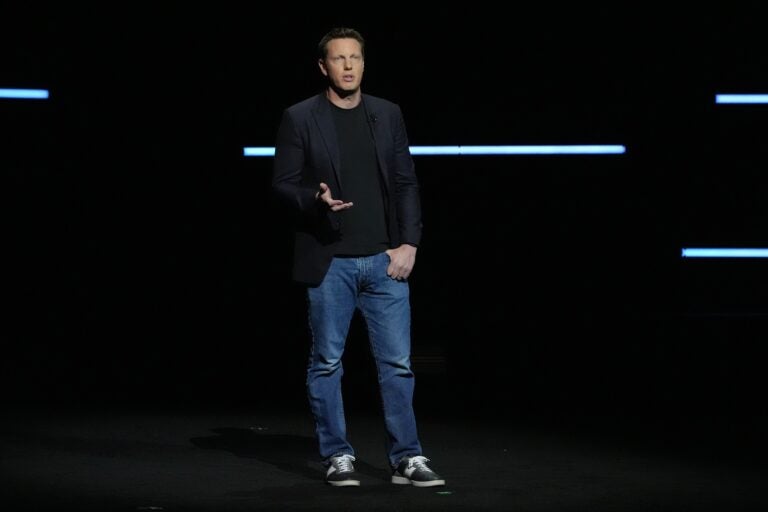
David Ellison, CEO of Paramount Skydance, speaks during the Paramount Pictures presentation at CinemaCon on Thursday, April 16, 2026, at Caesars Palace in Las Vegas. (AP Photo/Chris Pizzello)
CNN founder Ted Turner died last week, just as the future of the network hangs in the balance. After a competitive bidding war, Warner Bros Discovery, the parent company to CNN, is poised to be absorbed by Skydance Media – the same company that took over Paramount and its subsidiary, CBS, less than a year ago.
If the $111 billion dollar merger moves forward as planned, it will be the biggest media deal of the decade and bring major film studios, streaming powerhouses, and two legacy news giants under the same roof. Though Skydance has pledged to release at least 30 movies in theaters annually and invest in both studios, the proposal has drawn fierce pushback from Hollywood stars. Many argue that consolidation will shrink job opportunities and leave movie buffs and TV lovers with fewer choices.
Critics have also raised concerns about Skydance founder David Ellison. His father is the tech mogul Larry Ellison – one of the richest men in the world and an ally of President Donald Trump. And while David Ellison claims that politics have not played a role in the Paramount/CBS takeover, the last nine months have been marred by controversies over regulatory approval and questions about editorial independence in the newsroom.
David Ellison isn’t the only dynastic heir looking to grow their media portfolio. Large parts of Vox Media might soon be acquired by James Murdoch, the youngest son of Fox News founder Rupert Murdoch.
So, who are the billionaires redrawing the maps of our current media ecosystem? What does the future of media look like if some of the biggest names in entertainment and news fall under the same corporate umbrella?
Guests:
- Michael Grynbaum, media correspondent for the New York Times who writes about the intersection of media, politics, and culture.
- Jennifer Holt, chair of the film and media studies department at UC Santa Barbara and the author of “Empires of Entertainment: media industries and the politics of deregulation: 1980 to 1996″
WHYY is your source for fact-based, in-depth journalism and information. As a nonprofit organization, we rely on financial support from readers like you. Please give today.
Brought to you by Studio 2
Philadelphia City Hall art gallery remembers a federal act that put artists to work in the 1970s
The federal CETA program employed tens of thousands of artists with a 1973 jobs-training law. Its impact has been largely overlooked.
4 days ago
Listen 2:10
A Penn professor’s ‘Odyssey’ became a cultural flashpoint. Now, she’s retranslating the whole thing
Emily Wilson's 2017 translation of “The Odyssey” is a million-seller. It's also not the end of the story.
1 week ago

Philadelphia photographer shows girls’ experiences at Jewish summer camp in new book
Rachel Wisniewski‘s “L’dor Vador” highlights campers’ experiences over three summers at a 102-year-old Jewish summer camp in the Poconos.
2 weeks ago
Listen 1:50