



Reimagining society for seniors
By 2030, seniors will make up a fifth of the entire US population. How can policy makers not just adapt to, but capitalize on the changing demographics?
Listen 51:12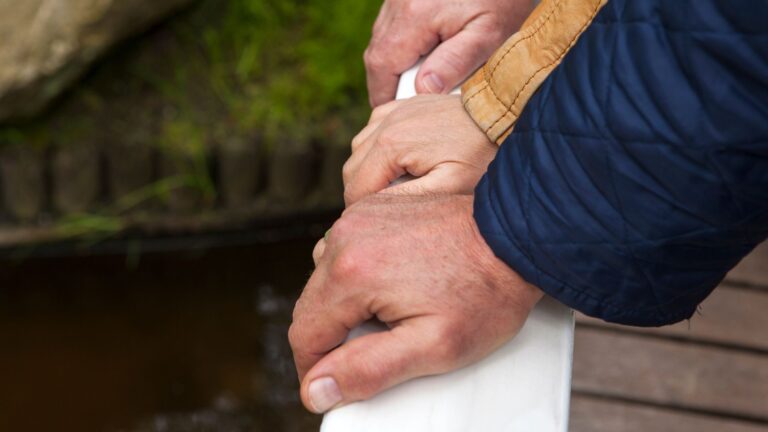
Society is structured according to defined stages of life: as a child you go to school. As an adult, you work. As a senior, you retire, you relax a bit and then … your time is up! Case closed.
But as human life expectancy gets longer, this arrangement is showing signs of crumbling. Some of us retire at 65, but now most of us live until well into our 70s. Some of us — much longer. Seniors make up nearly a fifth of the population. By 2034, they’re expected to outnumber children for the first time in U.S. history.
So what role should our seniors play in the years after retirement? What can policy-makers do to adjust to the changing demographics? And how can we as a society ensure this populace thrives without adverse effects on younger generations?
Today we look at old infrastructure. Not potholes or collapsing bridges, but infrastructure for the older generation, including rethinking work opportunities, education and housing.
Guests:
- Liz Seegert, independent health journalist
- Jason Kavulich, Pa. Secretary of Aging
- Alice Park, senior health correspondent at TIME
For more great stories about our aging population, check out our newsroom’s series “Growing Golden: Aging with Purpose.”
WHYY is your source for fact-based, in-depth journalism and information. As a nonprofit organization, we rely on financial support from readers like you. Please give today.
Brought to you by Studio 2

Pennsylvania lawmakers push to find out causes of death for older adults in abuse or neglect cases
Shapiro's Department of Aging has balked at the idea raised by Republican lawmakers.
3 years ago
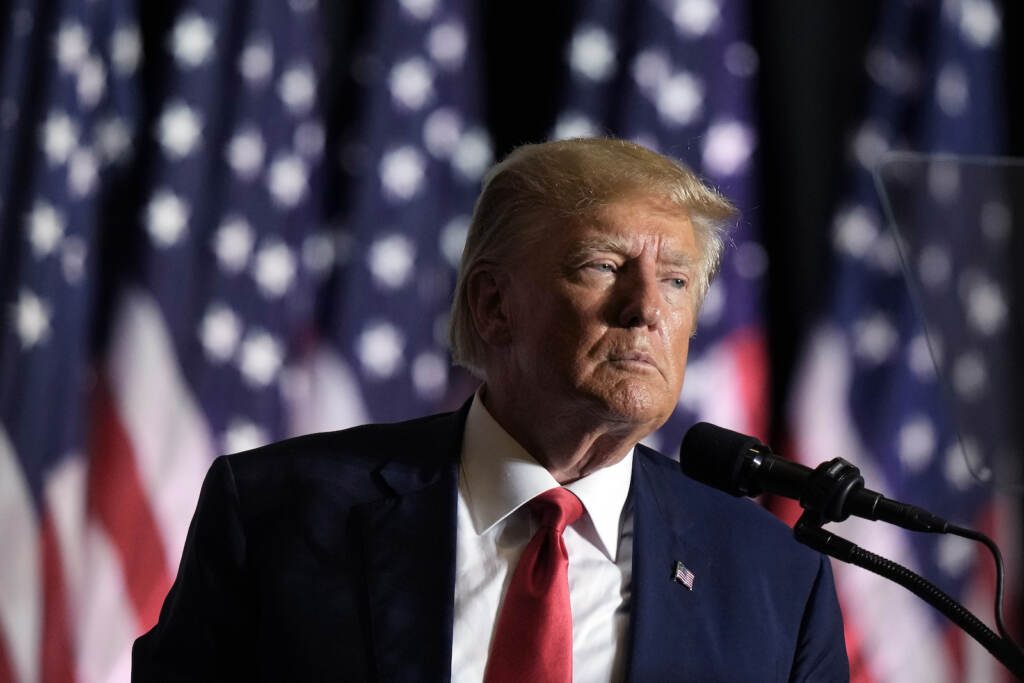
Pa. Dems, seniors angered by Trump’s comments about cutting entitlements
Pennsylvania is the fifth-oldest state in the nation and a critical swing state that Joe Biden won by only 1% in 2020.
3 years ago
Listen 1:04
No one likes paying taxes, but local property taxes in Pennsylvania are especially loathed.
4 years ago