


Joseph Conyers Hits All the Right Notes — Onstage and in Service
The Philadelphia Orchestra’s principal bassist is transforming young lives through Project 440, a free arts-based leadership program helping students discover purpose.
Listen 5:30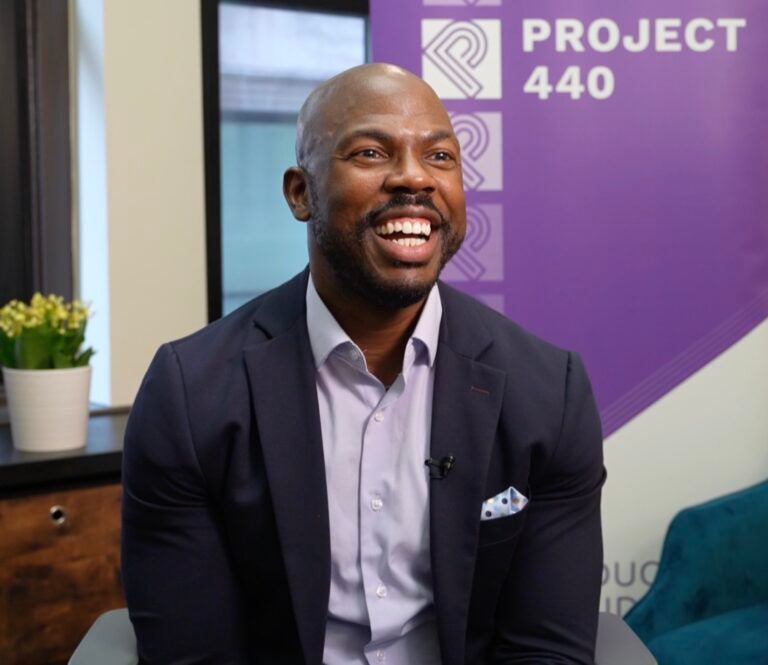
Joseph Conyers with two Project 440 alumni who performed alongside the Philadelphia Orchestra in 2024. Photo provided by Project 440 Facebook Page.
When Joseph Conyers takes his place in the back row of the Philadelphia Orchestra, bass in hand, audiences hear mastery — deep, resonant, polished. But to the young people of Philadelphia, Conyers’ most profound instrument isn’t made of wood and strings. It’s the community he’s spent years tuning, teaching, and lifting through Project 440, the nonprofit he founded to show students that their creativity can shape the world around them.
“Project 440 works with high school youth, using music as a tool to teach the life skills needed to thrive,” Conyers says.
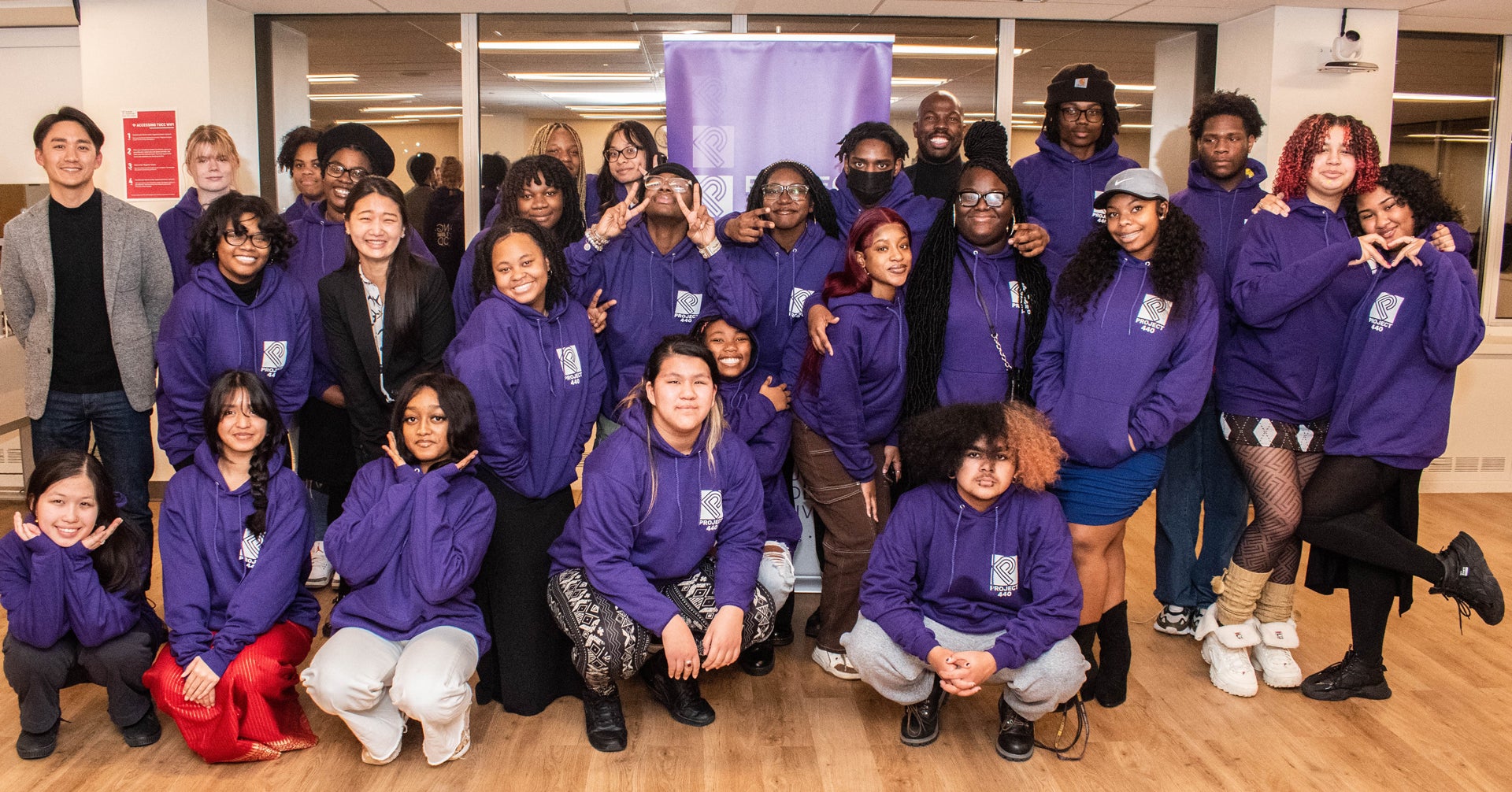
Those skills — collaboration, compromise, leadership, project management — are woven into every lesson, rehearsal, and service project the students undertake. For Conyers, artistic excellence is never the final destination. It’s a doorway.
“Whether they’re the next Beyoncé or working on Wall Street… these skills are transferable,” he said.
A mission rooted in family, faith, and Savannah soil
Conyers’ calling didn’t begin in a conservatory. It began at his childhood church in Savannah, Georgia.
“I grew up in a traditional Black Baptist church,” he says — a place where gospel harmonies shaped his ear, and the steady hum of community shaped his heart. His mother’s love for classical music, discovered on the radio as a child, expanded his musical universe.
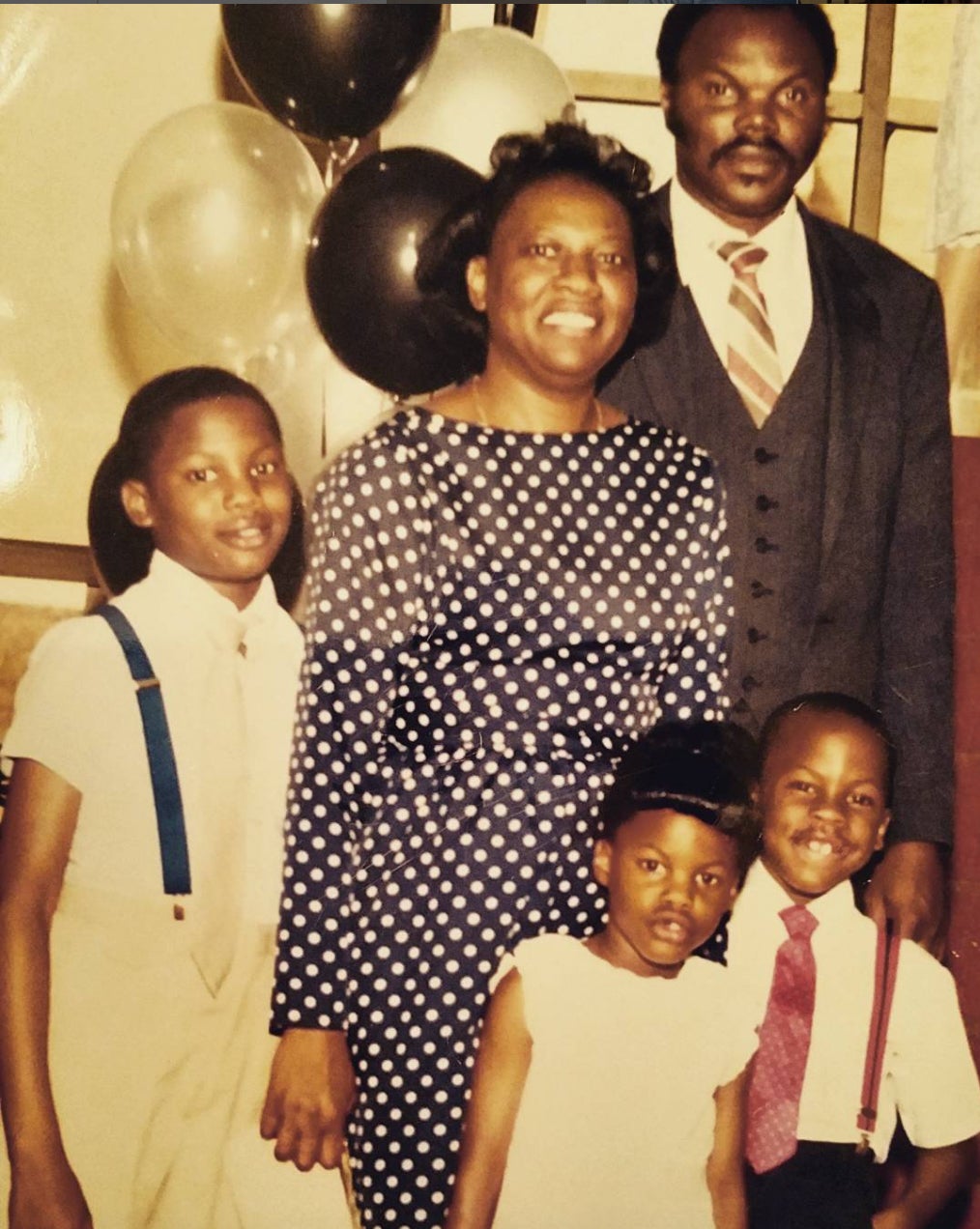
“My mother had this love of classical music [and] she wanted to instill that classical music training in her children,” Conyers says.
He and his siblings performed constantly: “We were kind of like the Bon Conyers family… playing at different churches on Sundays as guests.”
Just as formative was the example of service all around him.
“My parents sacrificed so much, family members supported me in ways I still don’t know,” he says, noting that the message was constant:
“In my church it was always, ‘Who can we help today?’ That’s why I’ve become the way I am.”
So when the Savannah Symphony shut down, Conyers felt compelled to act. “We wanted to fill the void left in music education,” he says — and Project 440 was born.
A program tuned to meet students where they are
When Conyers moved to Philadelphia in 2010, he brought Project 440 with him — and the program expanded dramatically. What started as a music-focused initiative grew into a multidisciplinary creative leadership pipeline for Philadelphia youth.
“Students in other art disciplines wanted to be part of this opportunity to make something good,” Conyers recalls.
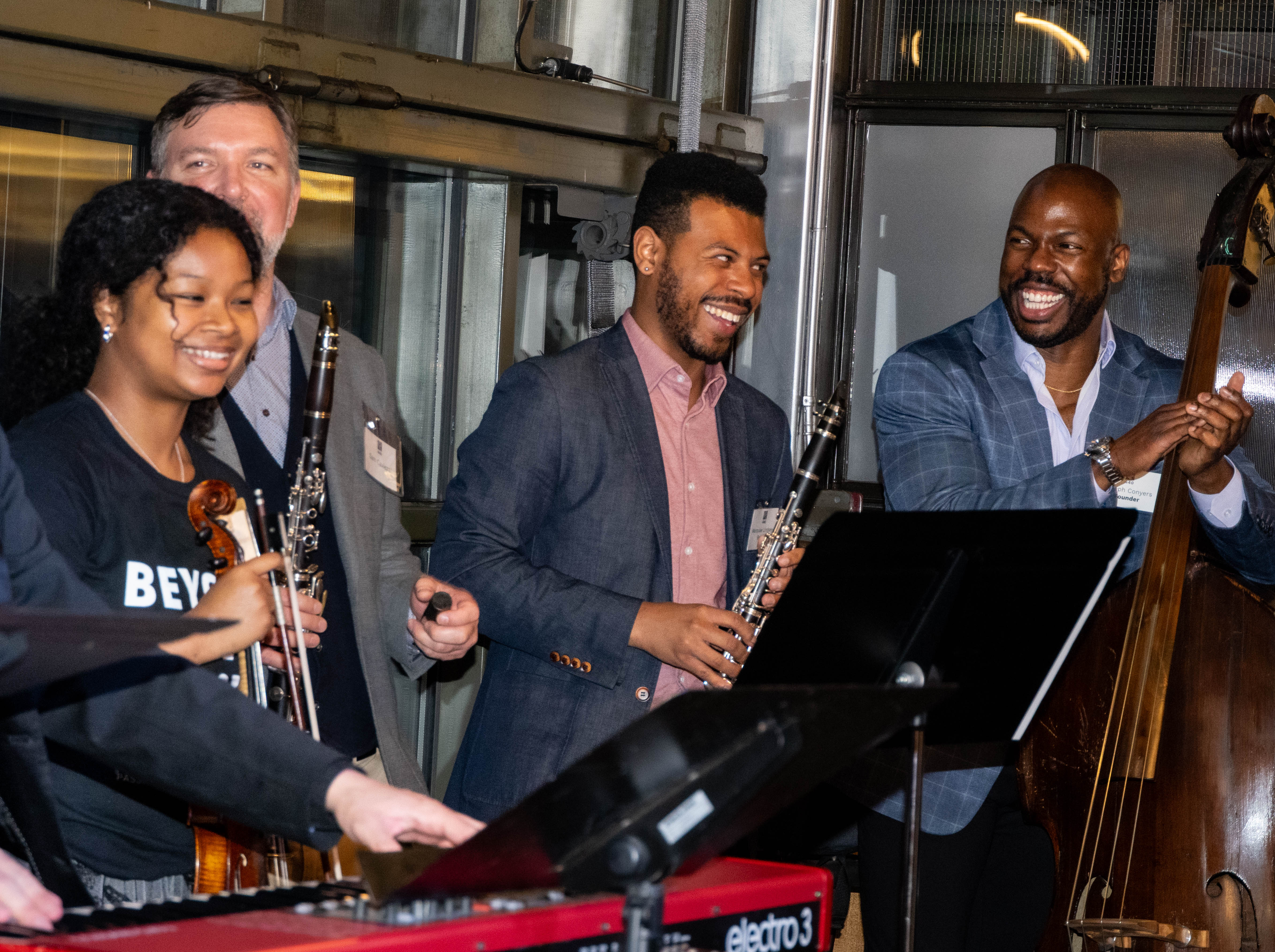
Today, students come from public, charter, and Catholic schools across 31 ZIP codes. They are dancers, vocalists, instrumentalists, writers, and visual artists. All programs are free. Students receive stipends and SEPTA passes. Meals are provided. The only requirement is curiosity — and a desire to make a difference.
Their service projects reflect that spirit. Some spark joy. Others take aim at real social issues.
“One group made instruments out of recycled materials to talk about the importance of recycling,” Conyers says.
At its core, Project 440 is a community: a place where teenagers learn how to lead, how to plan, how to speak up, how to collaborate — and how to imagine themselves in a world where their gifts matter.
And the name 440? A nod to the note that tunes an orchestra.
“It’s the first note at every concert. We want our young people to be leaders in their communities through music,” he says.
A student’s journey: ‘I felt directionless…’
For Mora-Lee Moore, now a junior at Syracuse University, Project 440 arrived just when she needed it most.
She first joined the Doing Good program in 2020 — online, at the height of the pandemic.
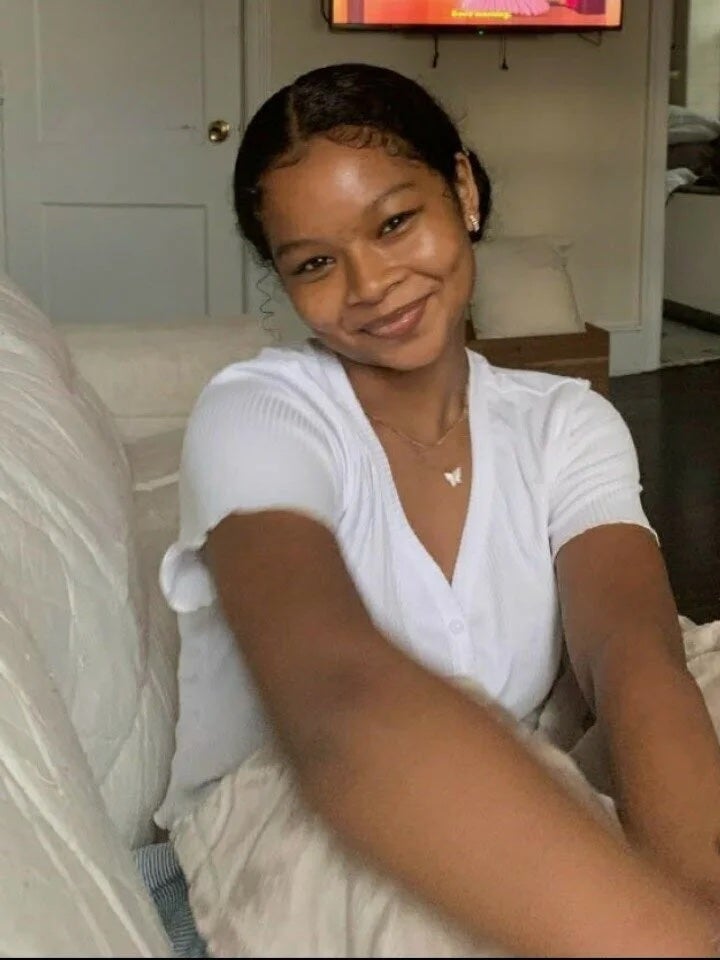
“I felt directionless and as if all the effort and hard work I put into my craft as a violinist were pointless,” she remembers.
She also felt powerless watching inequity unfold in her community.
“I would witness racism, injustice, and inequality occur within my community and felt incapable of making a change.”
Doing Good changed that: “Doing Good guided me in creating a project I was passionate about, and it is what convinced me to pursue a career in music education,” she says.
Through the program, she discovered skills she didn’t know she had:
“I learned how to collaborate with groups, improve my public speaking, budget money and time, plan events, and gained various other lifelong skills at the age of sixteen.”
Those skills have carried her all the way to college leadership roles — planning events, creating inclusive lesson plans, organizing workshops, and building community.
“I can confidently say that the skills I have learned through my participation in Project 440 programs have been essential to my college and career achievements to date,” she says.
The nominator: ‘He uses everything that he has for the service of others’
For Martin Akram, nominating Conyers as a Good Soul required no deliberation. It was instinct.
“There are too many reasons to list why Joseph is a good soul,” he says.
Akram has watched Conyers create a fully supported, dignifying space for young people — one grounded in access and opportunity.
“Joseph built his foundation to serve kids who have so little — fully funded programs, transportation, mentors,” he says.
He’s also witnessed Conyers’ dedication to teaching — at Temple University, at Juilliard, and in the All City Orchestra, where Conyers conducts Philadelphia’s most talented young musicians.
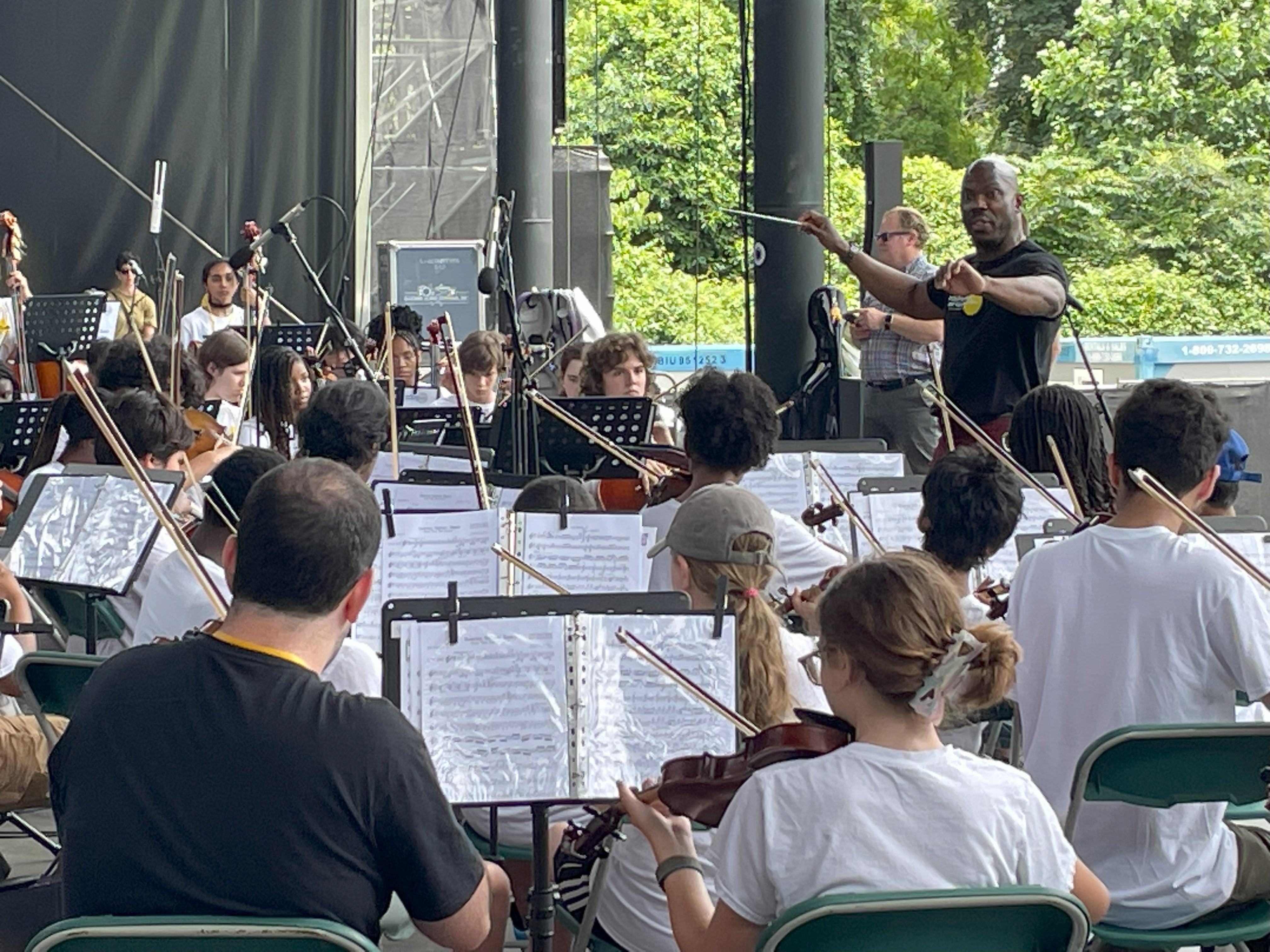
“He also volunteers for Philadelphia’s All City Orchestra, which takes the most talented kids across the entire county and brings them together in a phenomenal orchestra. And he’s the conductor,” Akram explains.
What stands out most to him is Conyers’ humility — and his relentless commitment to excellence without ego.
“He expects high quality, but he’s so patient with his kids,” Akram says.
And his motivation? Service, pure and simple.
“Joseph is a good soul because he uses everything that he has for the service of others.”
Leading with empathy — and possibility
Ask Conyers what “good soul” means to him, and his answer is simple, expansive: “Good soul to me is just empathy… it can manifest in so many layers.”
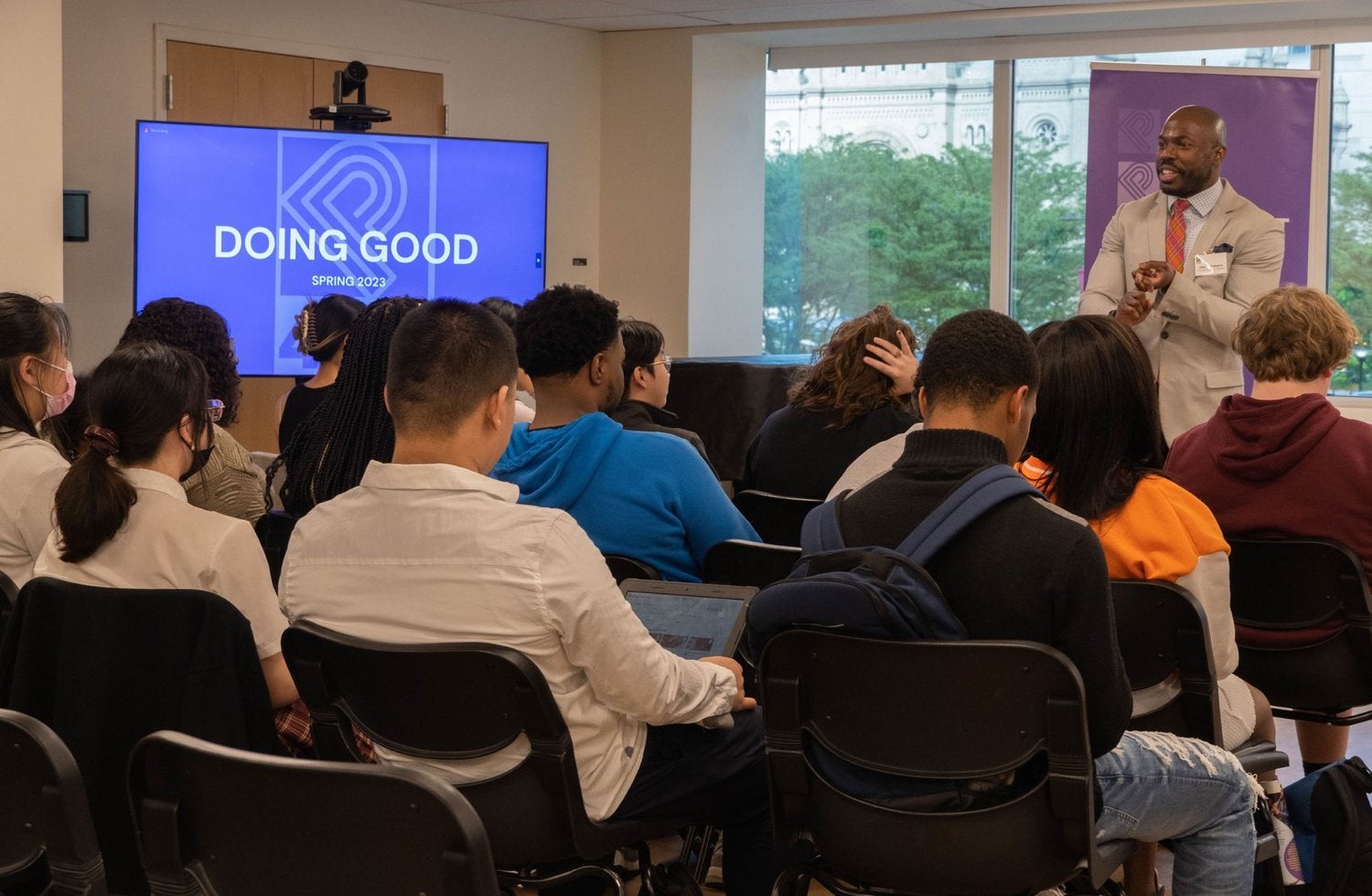
He sees possibility everywhere — especially in young people.
“Young people equal possibility… the possibility for change and positivity.”
Through Project 440, he is doing what his family, his church, and his community once did for him: making space, offering guidance, and opening doors.
He is lifting others — one student at a time, one skill at a time, one act of service at a time.
And like the tuning note that inspired Project 440’s name, Conyers is helping young people find the pitch of their own potential — loud enough, strong enough, and confident enough to resonate far beyond the room where they first discovered it.
WHYY is your source for fact-based, in-depth journalism and information. As a nonprofit organization, we rely on financial support from readers like you. Please give today.