




How Reliable Is Forensic Science? The Truth About Criminal Profiling and Investigations
How science is used in criminal investigations — and what happens when it’s not as reliable as we might think.
Listen 49:34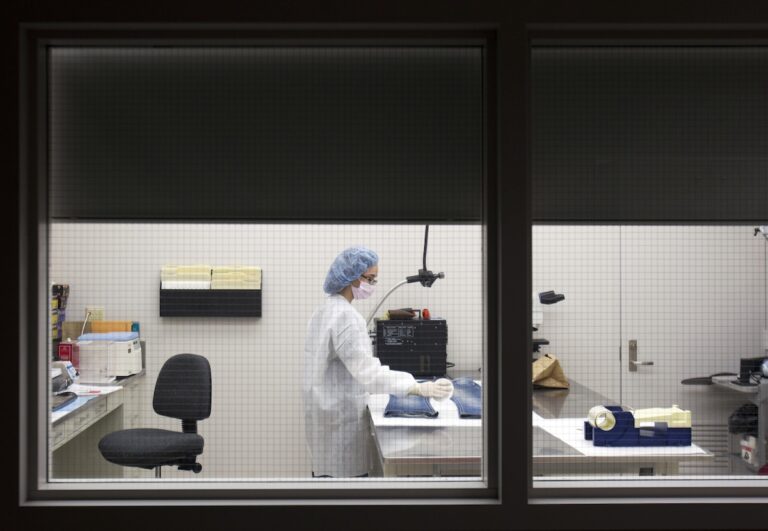
In this Friday, March 2, 2012 photo, Allyson Goble, a forensic scientist at the New York State Police Forensic Investigation Center in Albany, N.Y., screens a pair of blue jeans for biological evidence. (AP Photo/Mike Groll)
Crime is one of the most popular genres across books, podcasts, and television. Procedural crime shows like “Mindhunter” or “Law & Order: SVU” or “True Detective” invite us into the world of forensic science. We see detectives dusting for fingerprints, testing DNA, doing psychological deep dives on suspects, or analyzing ballistics and tire tracks — leveraging all the science and technology at their disposal to lead them to their perpetrator — and almost always getting it right.
These depictions are, of course, based on real methods rooted in scientific research — but in the real world, there’s much debate over how accurate a lot of these techniques are.
On this episode, we evaluate the role of science in criminal investigations. We hear about the evolution of criminal profiling, from its FBI origins to its Hollywood mythology, and why some critics say this approach is unscientific. We also learn about efforts to standardize evidence-gathering techniques, and meet a crime researcher who had a volatile run-in with a neighbor that created new insights for him.
SHOW NOTES:
- For years in Hollywood, a kind of mythology has been growing around a specific kind of investigator: FBI behavioral analysts, better known as criminal profilers — agents specially trained in psychology to help decode the minds of serial offenders. In TV shows and movies, they’re shown making brilliant, almost miraculous, connections that ultimately help catch the bad guy. But how accurate are these depictions? Pulse reporter Liz Tung explores the history of criminal profiling, how it works, and what’s behind longstanding criticisms of its methods.
- In 2004, the FBI was called in to assist on an investigation into a series of terrorist train bombings in Madrid. The agency connected the fingerprints gathered to a lawyer in Oregon, ultimately arresting him. There was just one problem: They’d nabbed the wrong guy. The attorney was ultimately released and received a settlement, but the fallout wasn’t over. Pulse reporter Alan Yu explores how the blunder led to efforts to create standards for evidence collection.
- Jens Ludwig, director of the University of Chicago’s Crime Lab, was taking his dog for a walk, when an unleashed dog came charging towards them. Ludwig started screaming at the dog’s owner, his neighbor. The conflict was broken up by a campus security guard, but the incident left Ludwig shaken. How did he spiral into such sudden, almost uncontrollable, rage? And what did it say about the deadliest manifestation of such rage — American gun violence? We talk with Ludwig about what his exploration turned up, from how our brains switch from rational to enraged, to what causes eruptions of gun violence — and what strategies could help stop it. Ludwig’s new book is “Unforgiving Places: The Unexpected Origins of American Gun Violence.”
WHYY is your source for fact-based, in-depth journalism and information. As a nonprofit organization, we rely on financial support from readers like you. Please give today.
Brought to you by The Pulse

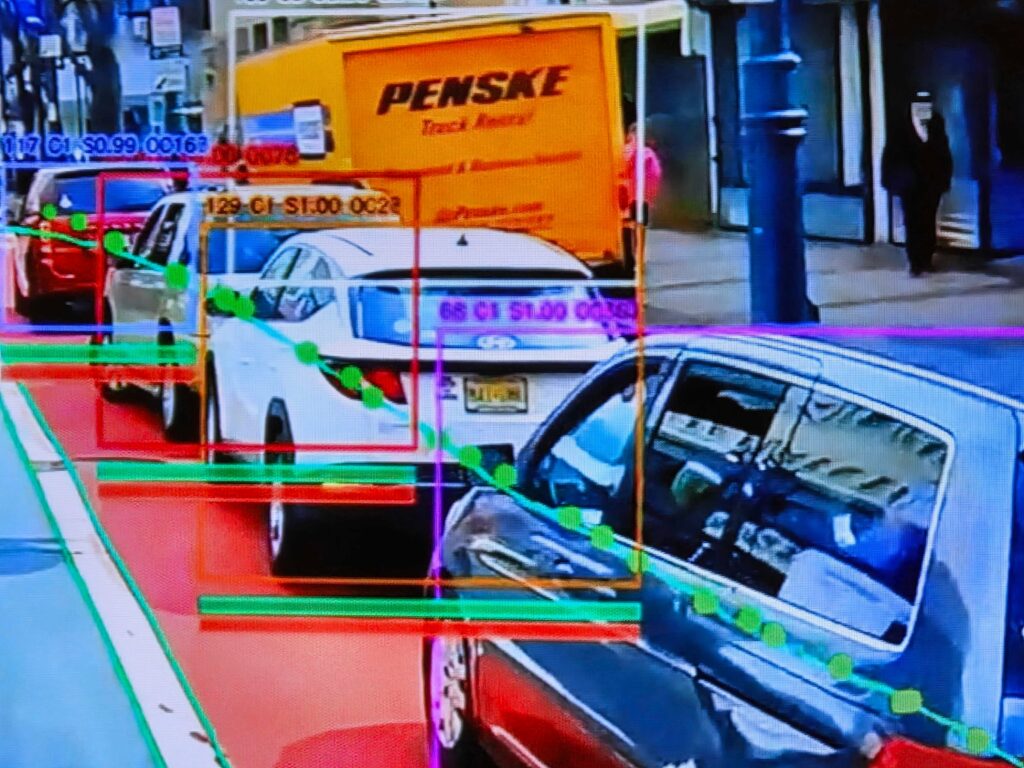
Artificial intelligence to be used by SEPTA, PPA to catch drivers illegally parked in bus lanes
High-tech cameras will be mounted onto more than 150 buses and trolleys so the Philadelphia Parking Authority can identify and ticket vehicles illegally parked in bus lanes.
1 year ago
Listen 1:11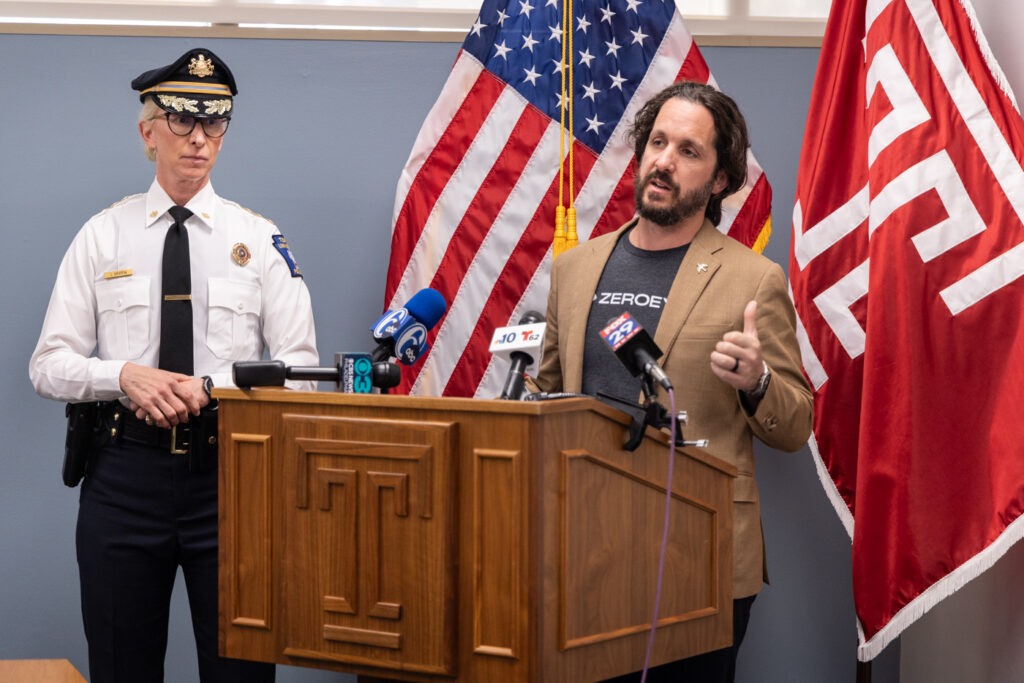
Temple deploys AI gun detection system
Temple becomes the first university to deploy ZeroEyes in Pennsylvania, New Jersey or Delaware.
2 years ago
Listen 1:14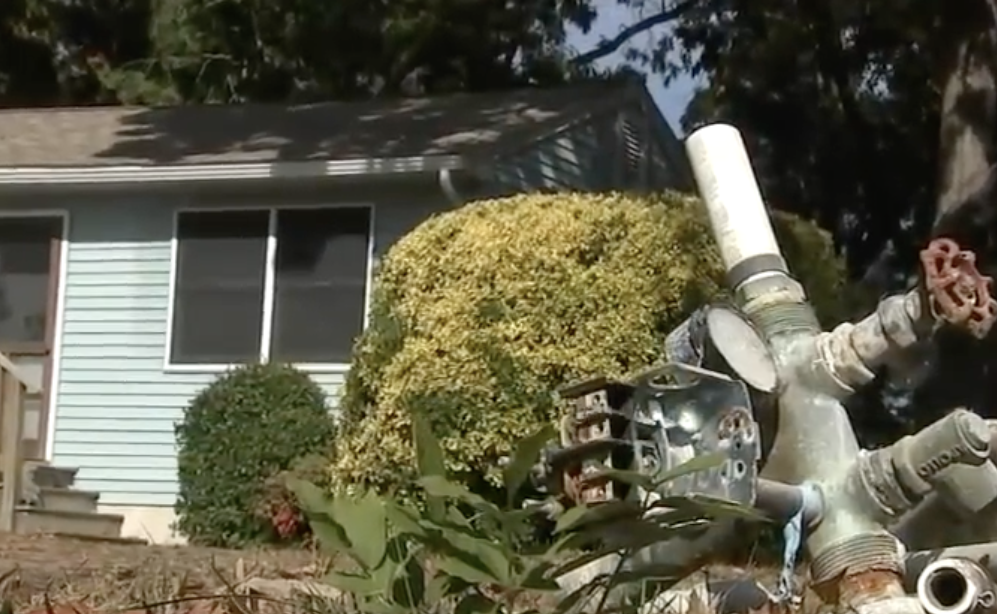
The state's Department of Environmental Protection is investigating a potential case of tampering with water testing samples that showed high mercury levels in Upper Township.
2 years ago