

‘You fix it, you get paid’: Wilmington starts rent escrow program to prod landlords into providing water, heat, electricity
Tenants whose repairs are not completed within 48 hours can put two-thirds of their rent into an account managed by a social service agency.

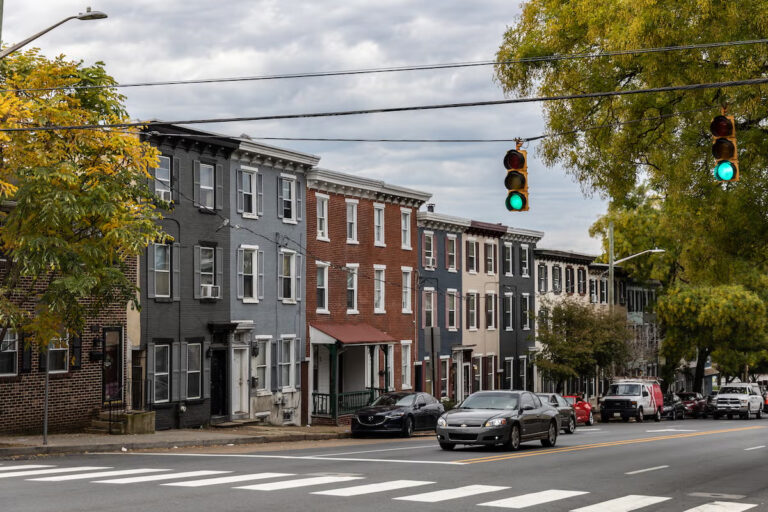
Rowhouses in Wilmington, Del. The city has a new program that allows renters to put two-thirds of their monthly payments into an escrow account while they wait for their landlords to fix "egregious housing violations." (Kimberly Paynter/WHYY)
What are journalists missing from the state of Delaware? What would you most like WHYY News to cover? Let us know.
Renters in Wilmington whose landlords are slow to fix “egregious housing violations” can now put two-thirds of their monthly payment into a secure, city-sponsored escrow account until repairs are made.
Part carrot and part stick, the program that launched last month aims to prod landlords to make repairs so tenants can have critical home necessities such as water, hot water, heat and electricity.
Mayor John Carney’s administration acted in response to City Councilwoman Yolanda McCoy’s bill that passed in December. McCoy said the new program gives renters, who comprise about half of the city’s 72,000 residents, a safe alternative to withholding rent when essential services aren’t provided, and ensures that responsive landlords get their rent payments.
Instead of withholding rent and taking the risk that they will spend the money, renters who put the money into escrow will know their payment is safe — to either pay the landlord once everything is working properly, or to get back if they terminate their lease, McCoy said.
“This program benefits everyone involved,” McCoy said. “Residents gain peace of mind knowing there is a lawful process available when essential repairs are not being made, and responsible landlords have a clear opportunity to resolve violations and receive payment once the issues have been corrected. Our goal is not conflict. It is safe housing and stronger neighborhoods.”
The nonprofit First State Community Action Agency has partnered with the city and its Department of Licenses and Inspections to operate the program.
Daniel Walker, Carney’s deputy chief of staff, said the program can be a valuable tool for tenants whose landlords don’t make repairs promptly.
“There are tenants out there who are doing the right thing and as with any situation, you have some bad actors in terms of landlords,” Walker said. “This is a mechanism to allow a tenant to avail themselves if a landlord is not being responsive to those quality of life issues that fall underneath this program.”
Related Content
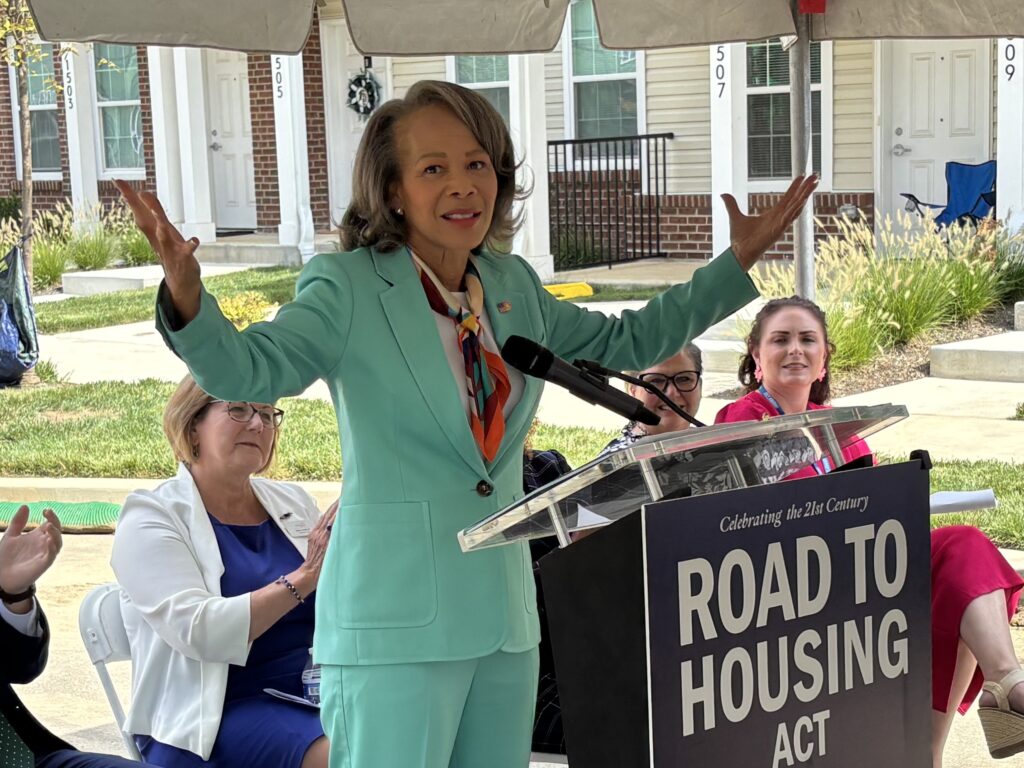
Congress passed the bipartisan package of bills in June. It became law last month without the president’s signature.
1 month ago
Listen 0:58‘A way to continue to pay your rent without losing that money’
Here’s how it works:
- Renters who think they have a qualifying housing violation must call 311, the city’s customer service number, to report their problem. They must also notify the landlord in writing about the issue.
- An L&I inspector will inspect the property. If a life-safety violation is confirmed, the city will give the landlord 48 hours to correct the issue.
- If the landlord doesn’t fix the problem within 48 hours, the resident can enroll in the escrow program with First State, which can be contacted by phone at 302-856-7761.
- The nonprofit will administer the renter’s individual escrow account until violations have been corrected.
First State can only release the funds under a court order directing how the money should be distributed, a joint affidavit signed by both the landlord and tenant, or upon written proof that the tenant has legally terminated the lease.
Bernice Edwards, First State’s executive director, said no renters have entered the program yet but stressed that it’s ready to go and the need is there, not only in Wilmington, but throughout Delaware.
“It’s a problem everywhere, where families are being charged an enormous amount of rent, but the conditions are not safe or healthy,” Edwards said.
Edwards said her agency will “help residents understand the process, stay organized, improve their financial readiness and move forward with confidence” as the problem, such a lack of heat, gets addressed.
“If the landlord does what he’s supposed to do, [and] the tenant does what he or she’s supposed to do, that’s a win-win,” Edwards said. “You fix it, you get paid. You don’t fix it, I still have some revenue that I can go and find housing.”
City Councilwoman Coby Owens, who is part of a coalition that wants to implement caps on rent increases and prevent water shutoffs for households with senior citizens, people with disabilities and children under 5, nonetheless applauded the rent escrow program.
“It gives you a way to continue to pay your rent without losing out on that money,” Owens said. “If the landlord just has to take more time to get it done, well, that money will still be there in the escrow account and then they will receive it upon the completion of the work. And if they choose not to do it, this gives the ability for the renter to be able to get that money back and use it as a security deposit and first month rent somewhere else.”
Owens echoed Walker in saying it’s crucial for the city to send a strong message to landlords who don’t provide units with working utilities or repair problems that surface.
“Absolutely, we have some slumlords here,” Owens said. “So again, it’s just about making sure we’re helping the most vulnerable subset of our city residents that are really struggling right now with inflation and cost of living just continuing to rise, and seeing how we can help make things more affordable and safer for everyone to lay their head at night.”

Never miss a moment with the WHYY Listen App!


WHYY is your source for fact-based, in-depth journalism and information. As a nonprofit organization, we rely on financial support from readers like you. Please give today.

Wilmington mayor vetoes bill that would have helped those struggling to pay water bills
The legislation aimed to exempt households with seniors, young children and people with disabilities from water shutoffs.
2 months ago
Listen 1:03
Council member James Spadola served as the group’s sole Republican since 2020 before switching parties last year.
5 months ago
Listen 1:01
Their plan to address the city's housing and poverty issues includes tackling high rents, water bill shutoffs and property reassessment errors.
8 months ago
Listen 0:52