
Wilmington mayor vetoes bill that would have helped those struggling to pay water bills
The legislation aimed to exempt households with seniors, young children and people with disabilities from water shutoffs.
Listen 1:03

Overhead view of Wilmington, Del. (halbergman/iStock)
What are journalists missing from the state of Delaware? What would you most like WHYY News to cover? Let us know.
Wilmington Mayor John Carney has vetoed city legislation that aimed to prevent water shutoffs for ratepayers struggling to pay their bills.
The ordinance, sponsored by Councilwoman Shané Darby, would have prevented the city’s Wilmington Water Utility from disconnecting water service to households that include senior citizens, people with disabilities and children under 5.
The legislation, six years in the making, was revised multiple times before City Council passed the measure 7-4 on July 10.
“We cannot endorse a policy that creates an environment that incentivizes individuals not to pay for our public utilities through a system of user fees,” Carney said in his veto statement. “I fully support the need and desire to reassess how our water utility operates and to assist our customers.”
Darby did not respond to requests for comment.
Related Content
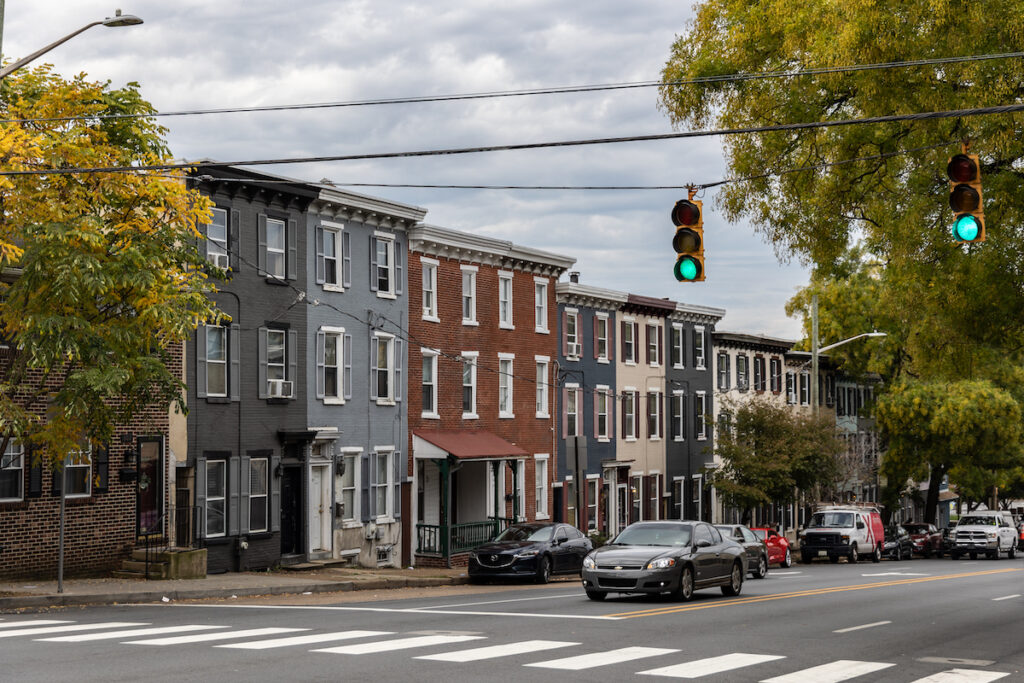
Their plan to address the city's housing and poverty issues includes tackling high rents, water bill shutoffs and property reassessment errors.
9 months ago
Listen 0:52Only households with incomes less than 350% of the federal poverty level would have qualified for the shutoff exemption — that’s a salary of about $56,000 for a single household, or as much as $115,000 for a four-person family.
Carney pointed to several programs that prevent water shutoffs in the city and state. Disconnections are prohibited during extreme weather, on weekends and during periods of economic crisis. Ratepayers also receive six months’ notice before they are disconnected from their drinking water.
These notices, Carney argues, help the city resolve overdue accounts. Wilmington has more than 4,000 delinquent accounts for unpaid water bills.
“Our collections strategy is fair, consistent, and generally focused on the highest-balance accounts – commercial and residential alike,” he said. “We do not target vulnerable residents, and we do not deploy disconnections arbitrarily. But we cannot responsibly manage our water utility if we are prohibited from using the very tool that compels engagement and prevents further deterioration of the system.”
The mayor’s spokesperson Caroline Klinger said as of Friday total water bill delinquencies amounted to more than $8 million, with more than $6.6 million owed from residential properties.
Shutoffs are generally the city’s last resort, she said in an email. There were 51 water disconnections between January and June of 2025. More than 75% of those shutoffs were residential, which the city attributes to the fact that there are more households than commercial ratepayers.
“While we understand that this ordinance is well-intentioned and while we will continue to be cognizant of the financial hardships of city residents, we must strike a balance that is both understanding and responsible,” Klinger said in an email. “Ultimately, we cannot achieve that balance by incentivizing folks to opt out of paying bills.”

Get daily updates from WHYY News!
WHYY is your source for fact-based, in-depth journalism and information. As a nonprofit organization, we rely on financial support from readers like you. Please give today.
Tenants whose repairs are not completed within 48 hours can put two-thirds of their rent into an account managed by a social service agency.
2 months ago
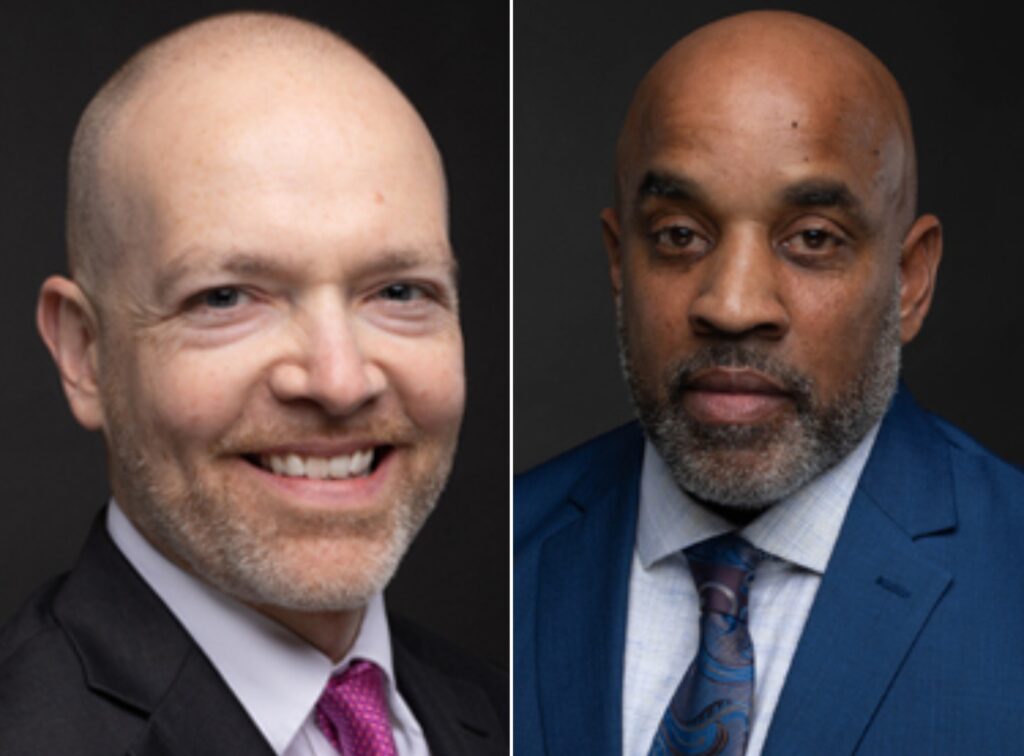
Council member James Spadola served as the group’s sole Republican since 2020 before switching parties last year.
6 months ago
Listen 1:01
Their plan to address the city's housing and poverty issues includes tackling high rents, water bill shutoffs and property reassessment errors.
9 months ago
Listen 0:52