
Can Philadelphia restaurants reduce overeating by offering small portions?
As more people take drugs to reduce their appetite and lose weight, including GLP-1s, some restaurants are beginning to offer smaller portions.

From Philly and the Pa. suburbs to South Jersey and Delaware, what would you like WHYY News to cover? Let us know!
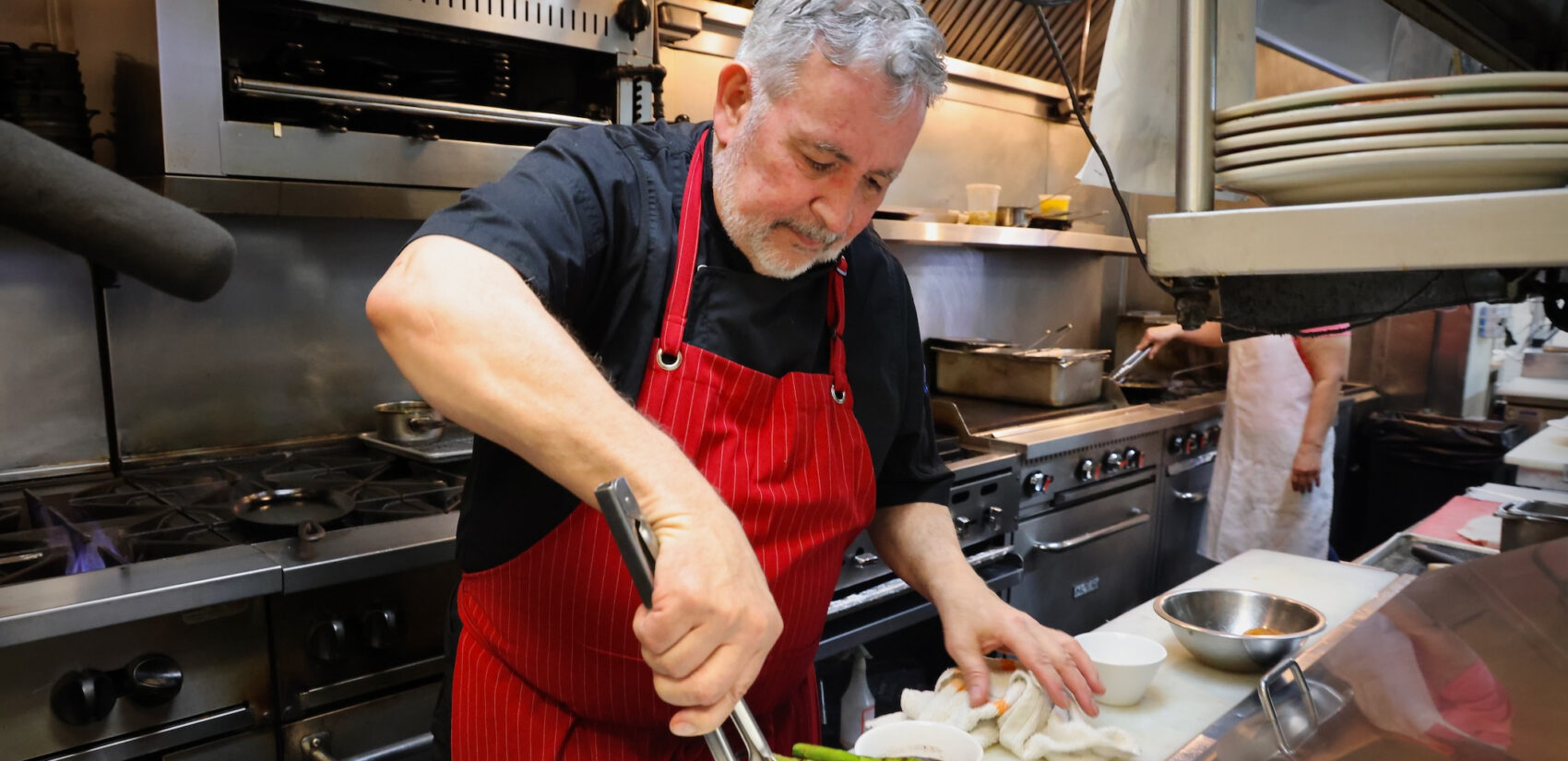
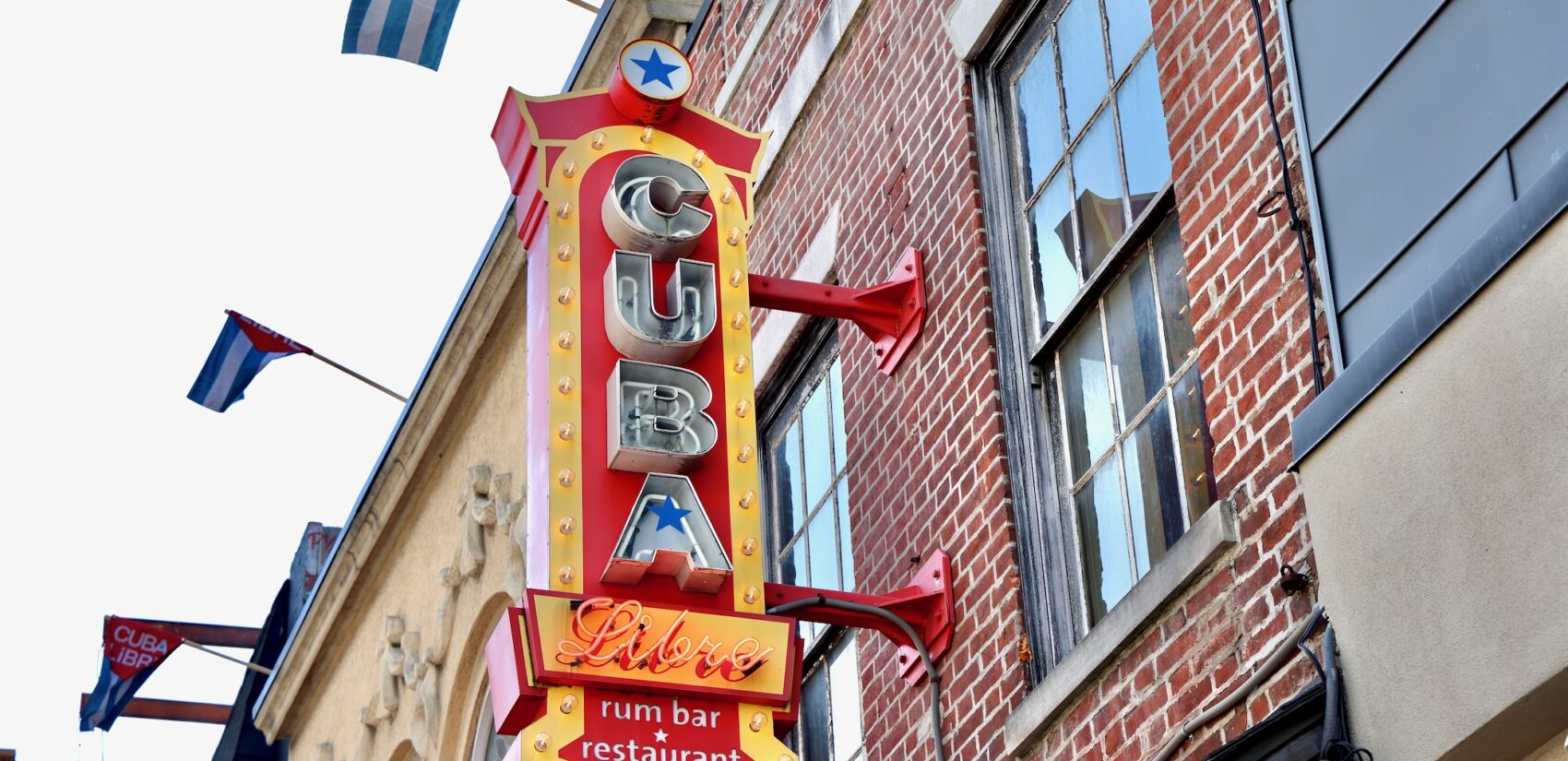
Barry Gutin, the owner of Cuba Libre, a Cuban restaurant in Philadelphia’s Old City neighborhood, heard from his customers last fall that they were looking for healthier options on the menu.
They were taking weight-loss drugs, such as GLP-1s, which reduce their appetite and mean that they need to make sure they get enough protein and fiber in their diets. One diner asked for soup with sliced chunks of steak, and another asked for smaller portions of existing dishes.
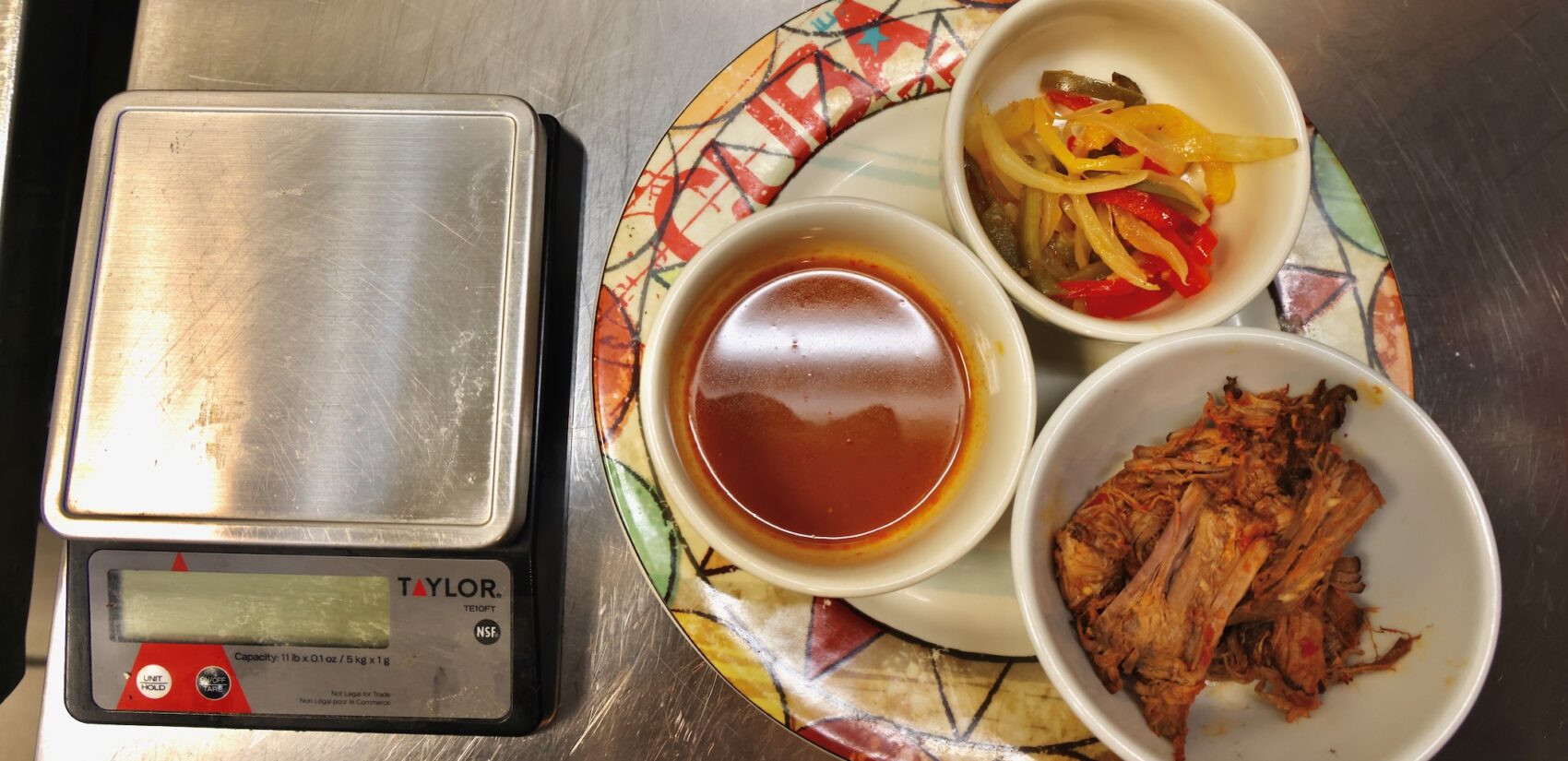
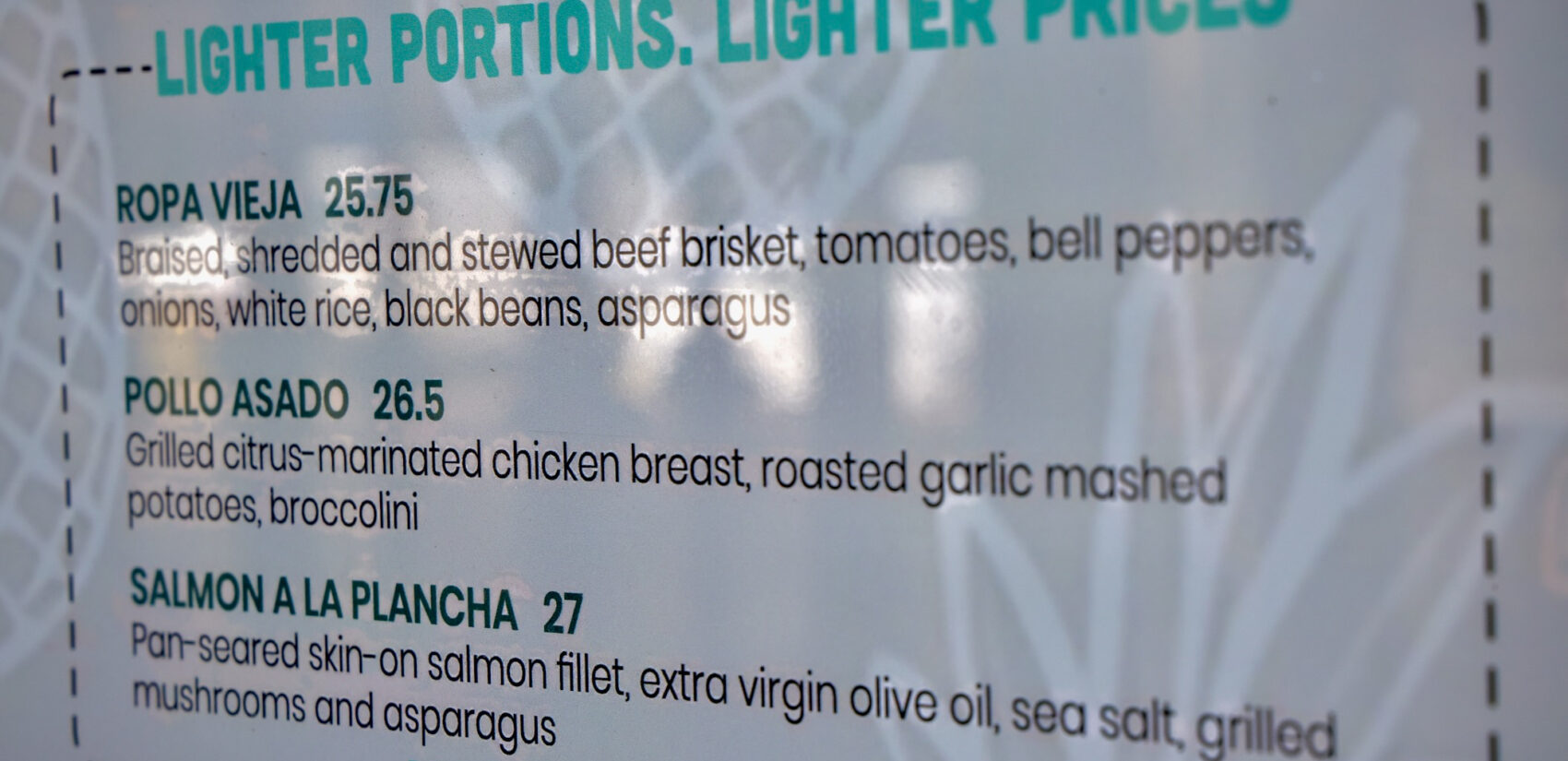
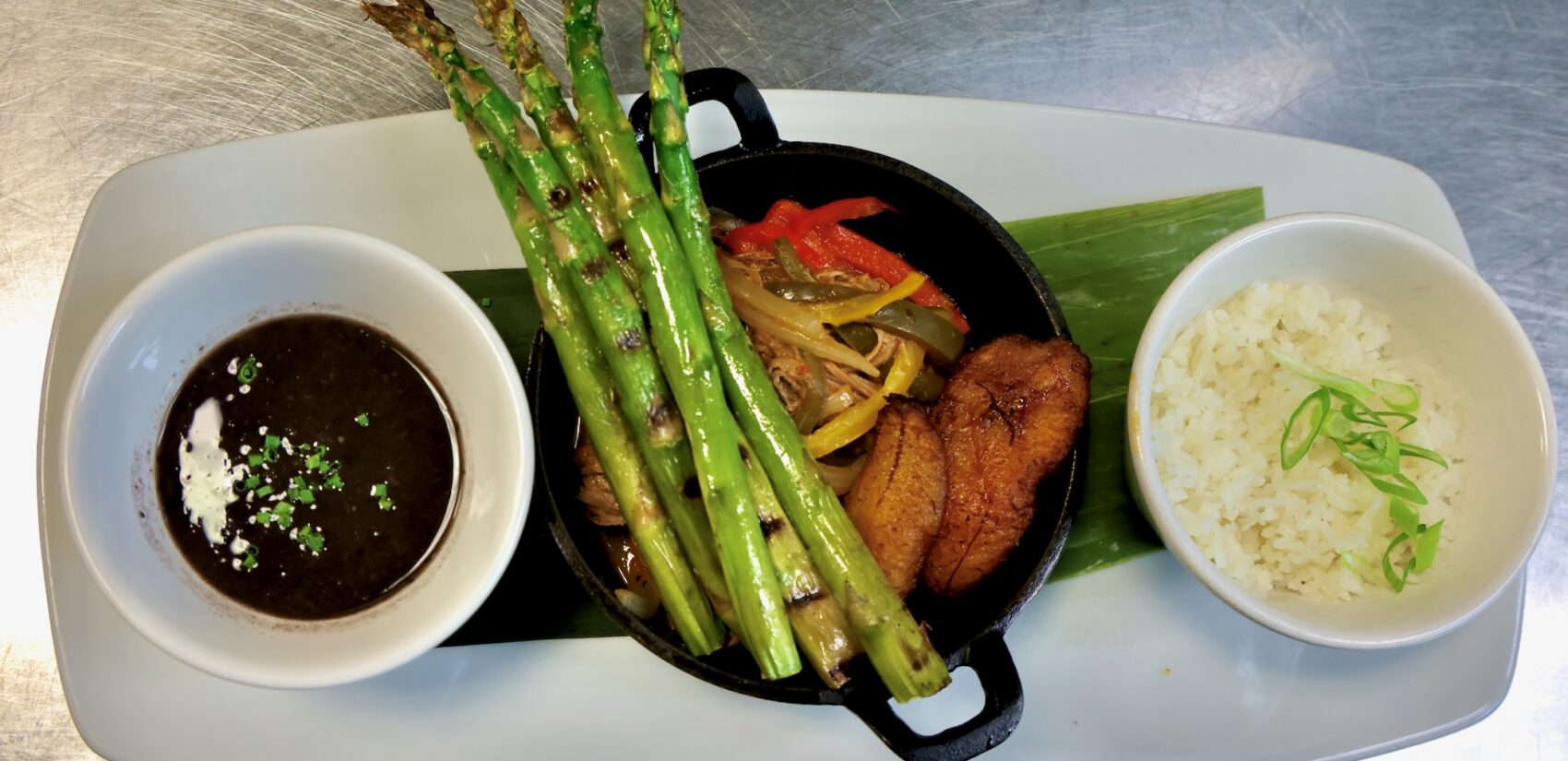
In response, Gutin and his team worked with a doctor to create a special menu for people on drugs like Ozempic and Wegovy, which the restaurant had not done before. The menu has modified versions of existing dishes, like the classic Cuban dish of ropa vieja, but with half the amount of black beans and rice to go with the braised brisket, and added asparagus.
A growing trend as GLP-1s, other weight-loss drugs gain popularity
The restaurant offers the menu upon request, but also added a section to their regular menu with those smaller portions of existing dishes. Gutin said that though the restaurant is not known for very big portions, this new section of the menu caters to people who want to eat less, even if they are not taking weight-loss drugs, like older adults or people who just want smaller meals.
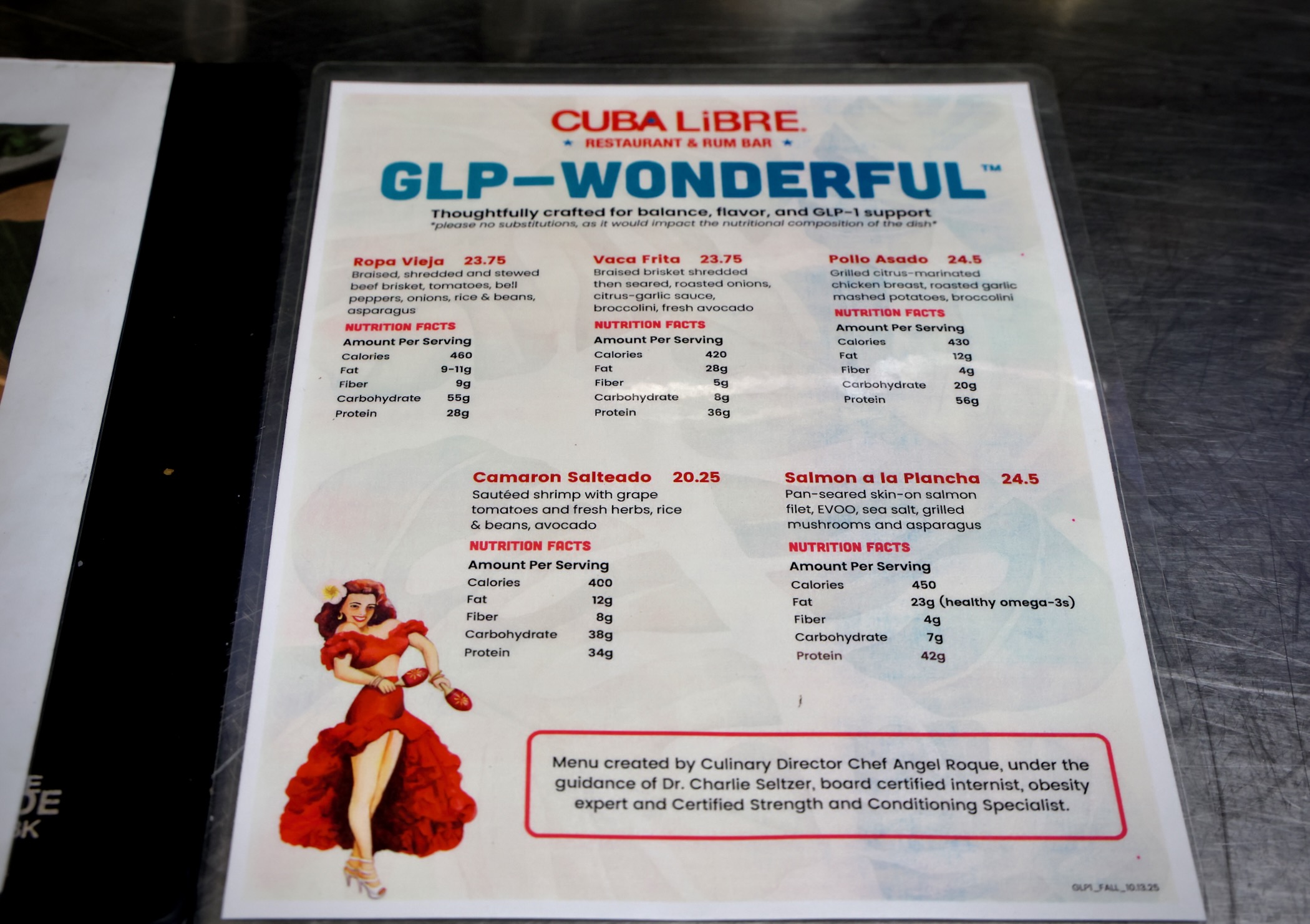
“It has benefits for the guests who are eating lighter in a number of ways: It’s at a lower price. They don’t feel bad that they’re leaving leftovers from a larger portion … so that it’s food waste,” Gutin said.
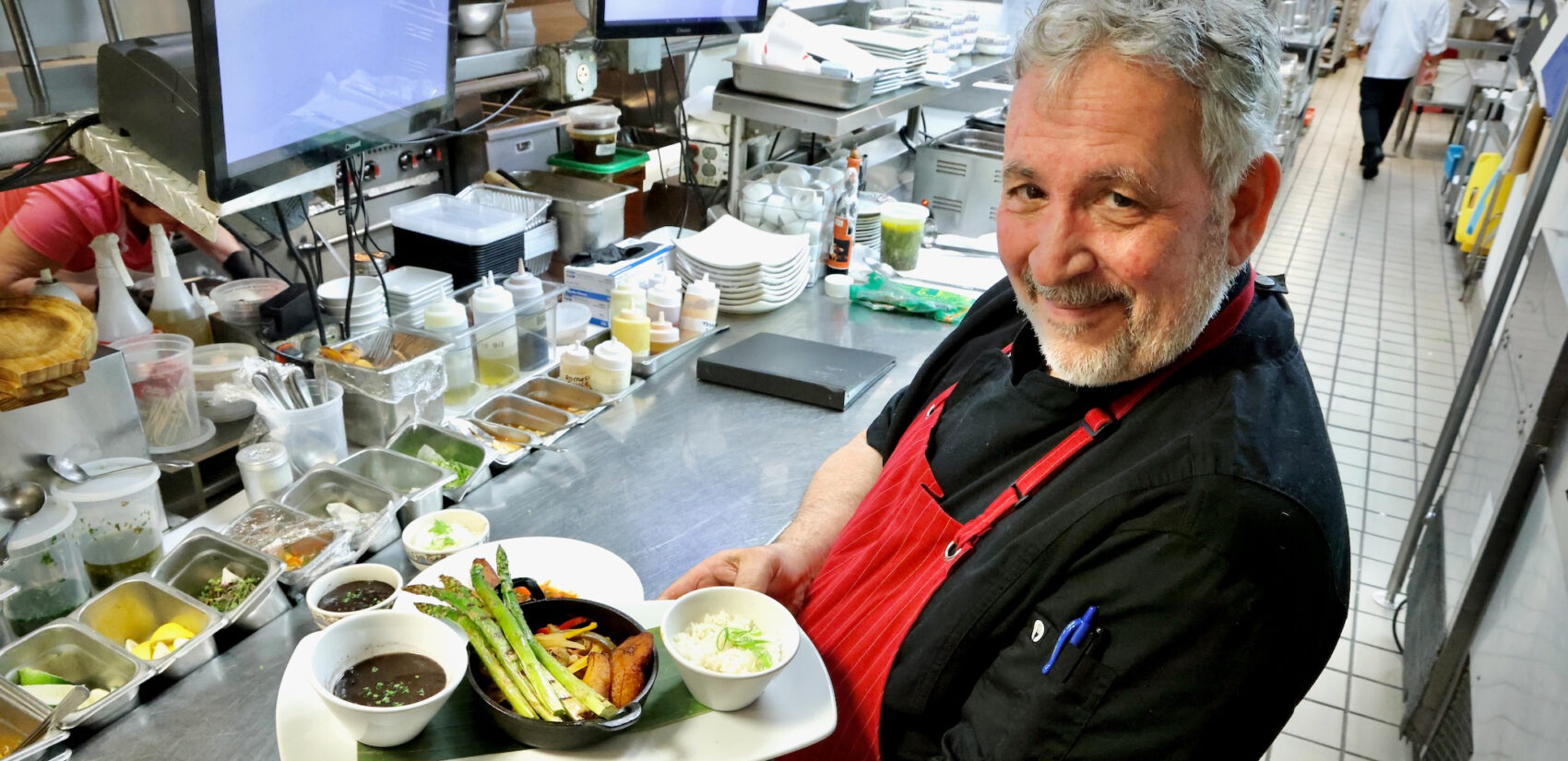
Angel Roque, Cuba Libre’s regional culinary director, said offering smaller portions is “the most followed trend” right now in the restaurant industry. Olive Garden and the Cheesecake Factory are doing the same.
Sophia Hua, a health policy researcher at the University of Pennsylvania, has argued that U.S. restaurants serve oversized portions, and is watching these changes in the industry to see if it reduces overeating.
“It’s such a powerful way to get people to not overeat, because the great thing about smaller portions is that you’re still able to eat what you want to eat. You’re not telling people that they can’t eat a certain thing or something is banned from a specific diet,” she said. “You can eat it, just eat it in smaller amounts.”
Related Content
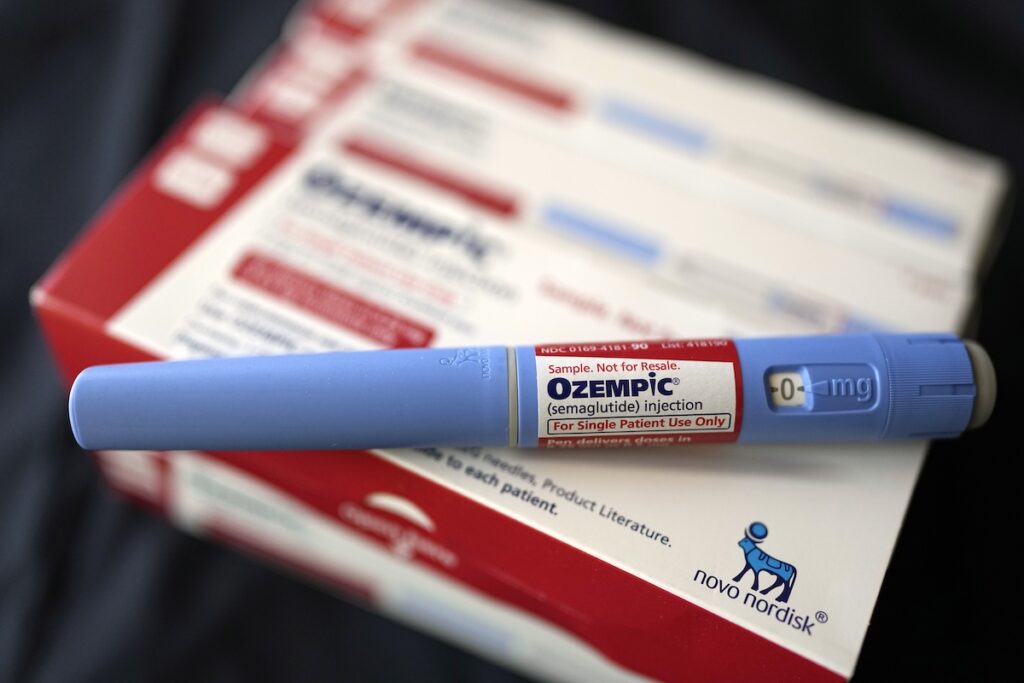
Out-of-pocket costs, insurance coverage, side effects and a lack of long-term safety data can be barriers to medication for childhood obesity.
6 months ago
Listen 1:18‘Small’ vs. ‘standard’ meal portions
She said it’s promising to see restaurants offering smaller portions, and she’ll watch to see if it actually leads to people not overeating as much.
“Now that they’re calling it lighter portions, are people going to think, ‘Well, I’m not going to be full if I order from a lighter portion?’ Even if the calories are sufficient to fill someone up,” Hua said.
She recently did a field experiment where two cafés introduced smaller versions of existing dishes, as well as the regular size. She said that she found people did buy the smaller and less expensive version when offered, and “just by simply offering a smaller portion, people who purchased that smaller portion had fewer calories in their transaction by basically half.”
Hua also found that the cafés did not lose money by doing this experiment. In fact, sales went up compared to the same time in a previous year when the cafés were not doing this study, though Hua is hesitant to conclude that introducing smaller versions of dishes caused the increase in sales.
She tested another idea in these experiments: Would people be more likely to order the smaller version if the café called it the “standard” version?
But that did not turn out to be the case, despite an earlier online experiment concluding that people would be more likely to order a smaller portion if a menu called it “standard.” So Hua found no benefit to calling the smaller portion “standard” instead of “small.”
She said she would be interested to see how the menus with different portion sizes play out in the real world, since she found that branding “will play a big part as to who will actually order from these types of menus.”
“If people don’t feel like they’re eating less, then that’s an even better win,” she added.
Related Content

How weight-loss drugs are changing our culture and relationships
GLP-1 drug use has doubled to 12.4%, reshaping food, fashion, fitness and travel. Their growing impact reaches grocery trends, restaurants, identity and relationships.
Air Date: December 2, 2025 12:00 pm
Listen 51:12
Get daily updates from WHYY News!
WHYY is your source for fact-based, in-depth journalism and information. As a nonprofit organization, we rely on financial support from readers like you. Please give today.

Philadelphia is a rest stop for thousands of migrating birds. Can it stay that way?
Bird watching has become increasingly popular since the pandemic. Advocates hope this enthusiasm translates to action.
5 days ago
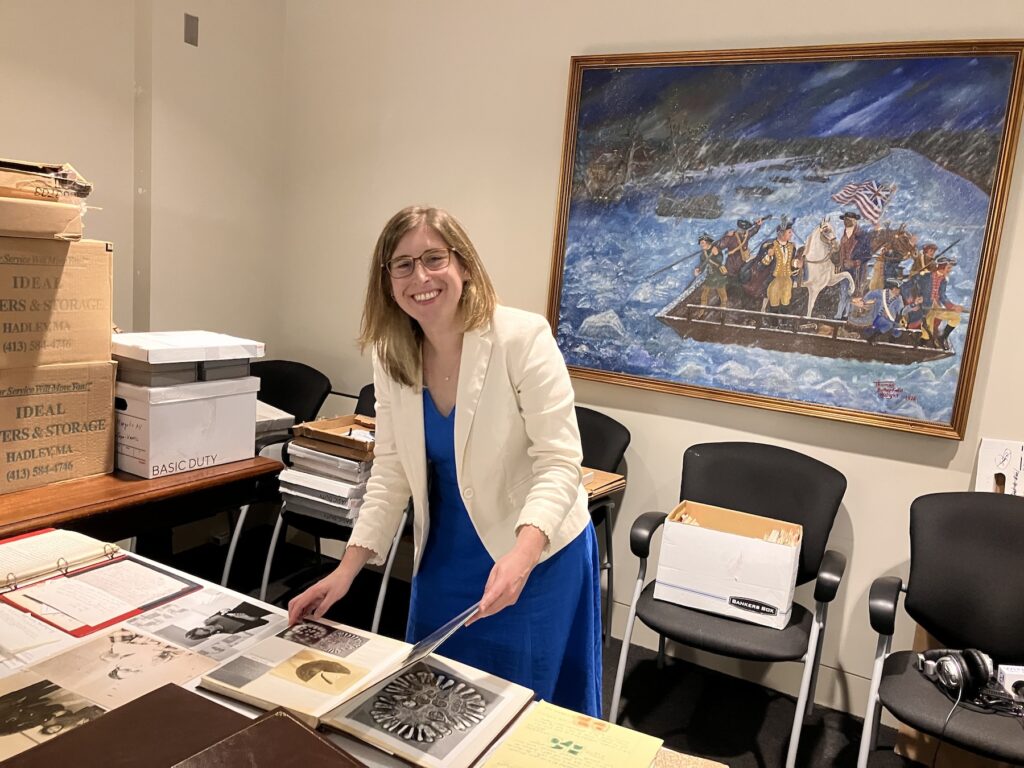
Influential evolutionary biologist’s papers arrive at Philadelphia’s American Philosophical Society
Famed biologist Lynn Margulis’ papers arrive at the American Philosophical Society in Philadelphia after the historic collection was nearly destroyed in a fire.
6 days ago
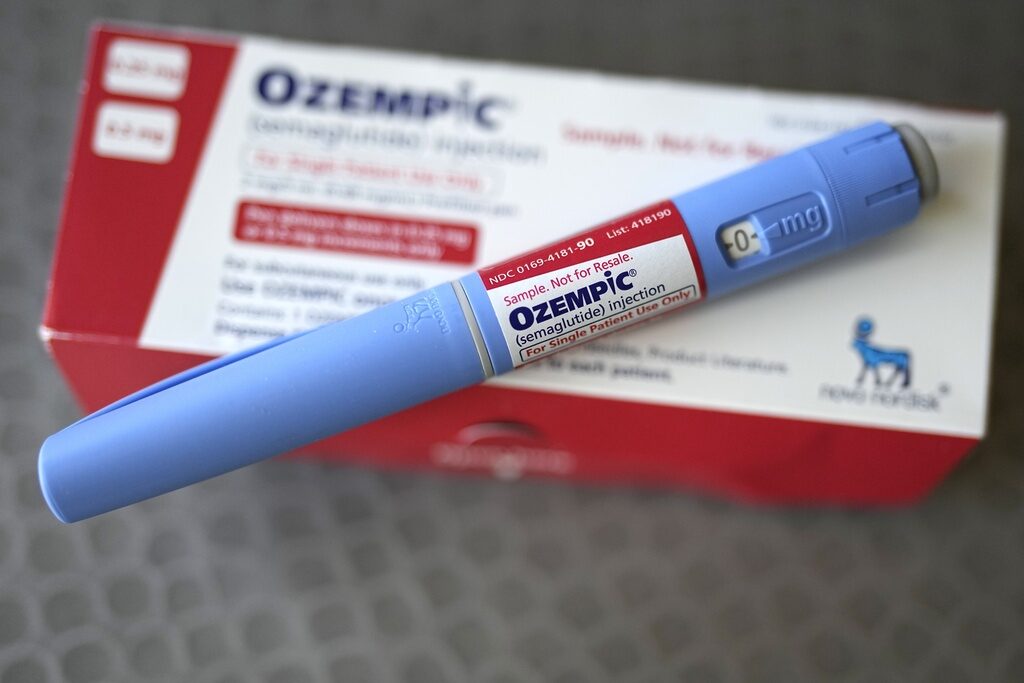
A Philly lab reveals how obesity drugs like Ozempic cause nausea
The study focused on semaglutide, the active ingredient in drugs such as Wegovy and Ozempic. It is known to reduce feelings of hunger while increasing feelings of nausea.
2 years ago
Listen 1:11