

Philadelphia Mayor Cherelle Parker signs $7.1B budget into law following City Council approval
After weeks of debate, City Council approved the budget without Mayor Parker's proposed taxes on ride-share and short-term rentals.
Listen 1:12
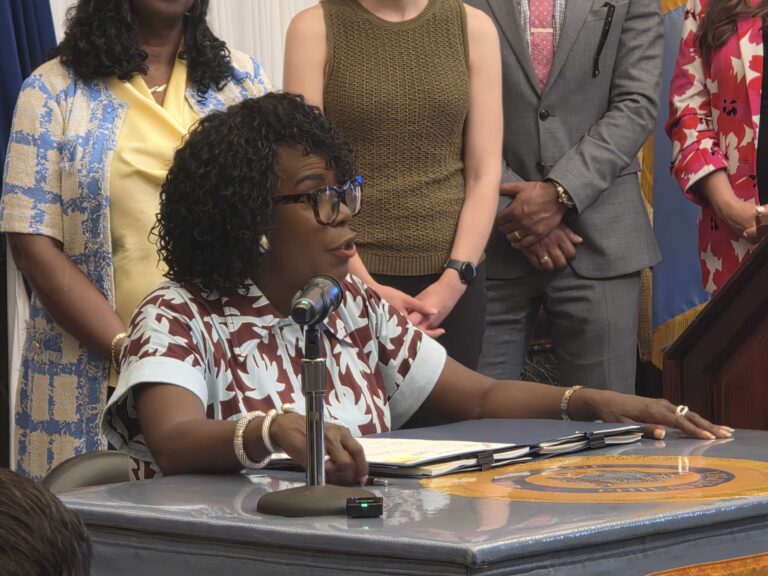
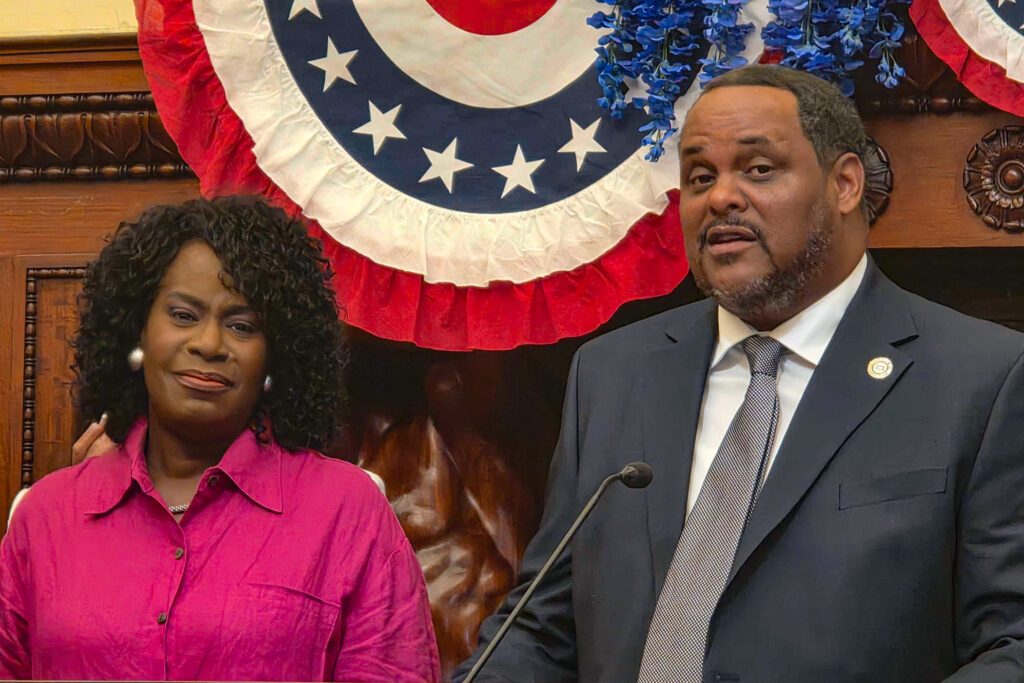
Mayor Cherelle Parker at budget signing ceremony Thursday. (Tom MacDonald/WHYY)
From Philly and the Pa. suburbs to South Jersey and Delaware, what would you like WHYY News to cover? Let us know!
Philadelphia City Council approved the city’s $7.1 billion operating budget for fiscal year 2027, one week after rejecting many of Mayor Cherelle Parker’s controversial tax proposals.
Parker signed the spending plan about an hour after the final gavel rang down before Council’s summer recess.
Missing from the plan are the Parker administration’s proposed $1-per-trip ride-share tax, hotel and short-term rental tax, and retail delivery tax, all of which were dropped after failing to secure the nine Council votes needed for passage.
Parker said the final deal juggles some numbers to provide additional recurring revenue for the School District of Philadelphia.
Property tax increases off the table, Parker says
Parker said she would not consider a property tax increase at any time. Because of the uniformity clause in the state constitution, the city cannot charge more for commercial buildings than for residential structures.
“We don’t have the power,” Parker said, adding that it would have to be granted by state officials. She cautioned people to disregard arguments from pundits and social media that the city can change its tax rules without state approval.
To help address the school district’s budget challenges, the mayor and Council agreed to provide an additional $48 million in fiscal year 2027, matching the revenue that would have been generated by the proposed $1-per-ride ride-share tax.
Here’s a detailed breakdown of the approved plan, provided by Council.
Related Content
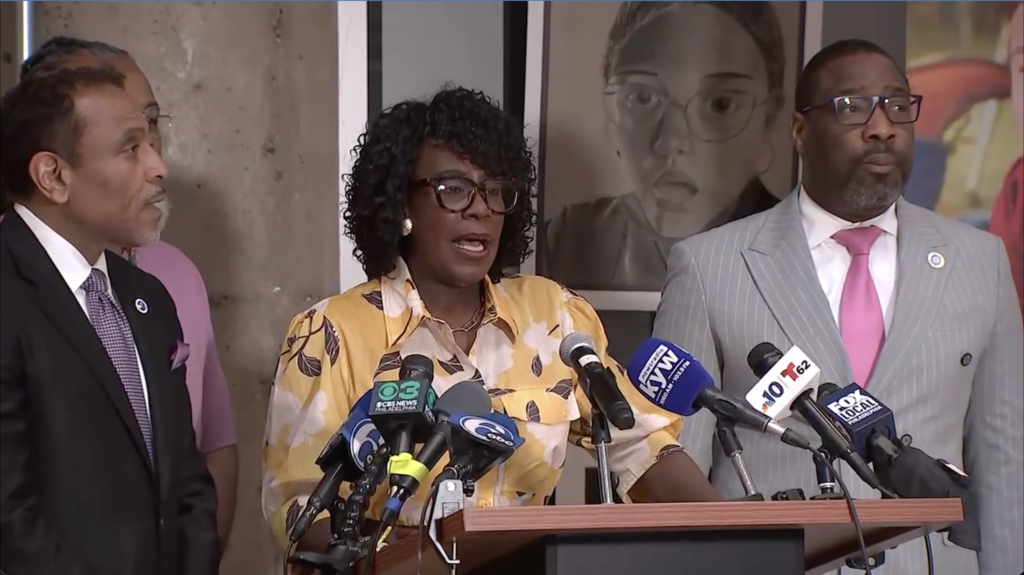
Philly schools will not cut 340 classroom jobs amid budget cuts, Mayor Parker says
Parker did not immediately say where the money would come from, but she said her team worked to find a “predictable and recurring revenue source.”
4 months ago
Listen 1:15Hundreds of classroom jobs saved from cuts
Council President Kenyatta Johnson said the spending plan doesn’t look exactly as it was presented to Council, but it does give the schools the additional funding they need to restore 340 classroom-based jobs that were previously set to be cut next fall.
“They will not have to second guess if next year they’re going to come back to work. All of our young people still can have a chance to get a quality education without the reduction of teachers,” Johnson said.
Parker added that leaders are hoping for more state assistance to supplement recurring revenue for schools so they don’t have to take that money from elsewhere in the budget.
But in the meantime, she said the approved budget is one that citizens can afford.
‘’Affordability is an issue that we’ve been fighting for many years, and it is front and foremost in this budget. In addition to that, the issue of economic mobility and public safety and housing and education and many other critical areas for our residents,’’ she said.
This year’s budget negotiations were further complicated by the fact that next year is an election year, when Council is typically reluctant to approve new taxes or fees.
The spending plan must also be approved by the Pennsylvania Intergovernmental Cooperation Authority, which was created in 1991 to oversee the city’s finances after Pennsylvania stepped in to help Philadelphia meet its payroll obligations.
Editor’s note: This article has been updated since initial publication to correct the headline figure from $7.1 million to $7.1 billion.

Get daily updates from WHYY News!
WHYY is your source for fact-based, in-depth journalism and information. As a nonprofit organization, we rely on financial support from readers like you. Please give today.
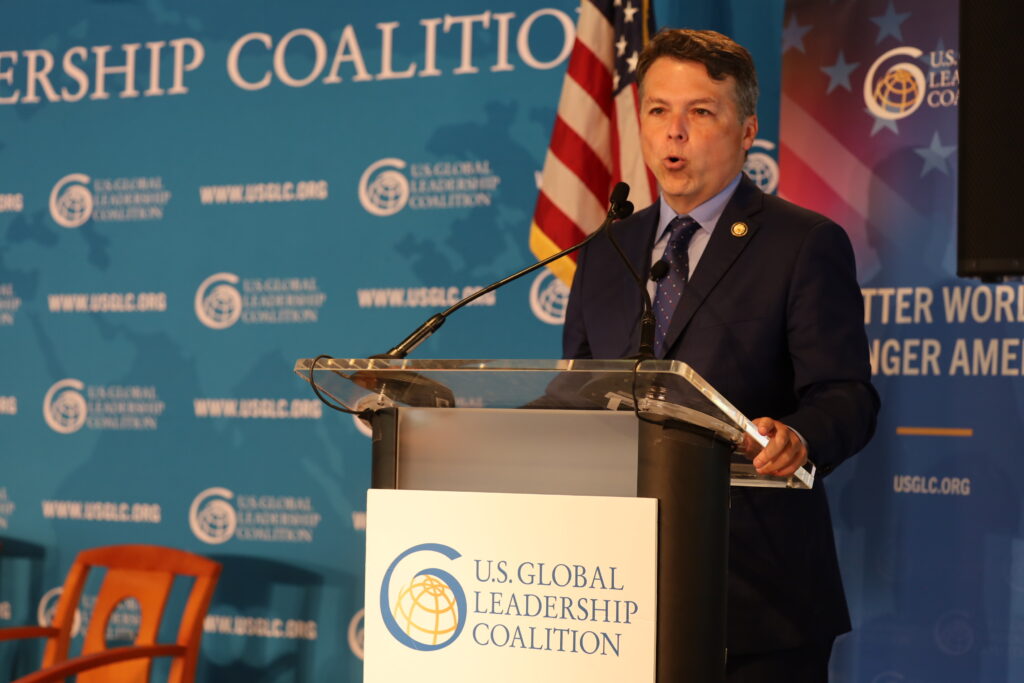
The Pennsylvania Democrat says preparations for the 2037 commemoration should build on Philadelphia’s role in this year’s celebration of America’s 250th birthday.
3 weeks ago
Listen 0:58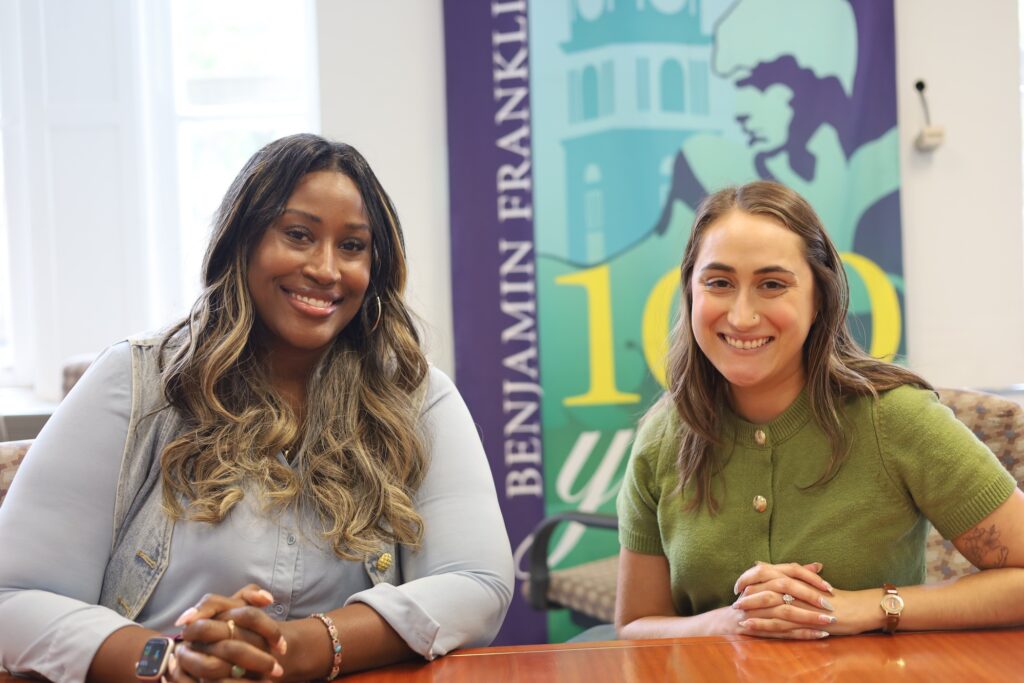
The city office advocates for people in juvenile justice, child welfare and behavioral health care, teaching them their rights and helping turn their complaints into change.
3 weeks ago
Thiel is heading back to the private sector, and there is a new city solicitor and deputy mayor in Parker’s cabinet.
2 months ago
Listen 1:00