

40th annual Philadelphia Caribbean Festival celebrates cultural pride and heritage with performances, activities and scholarships
The 40-year-old festival celebrates identity and gives back to the Caribbean community both at home and overseas.
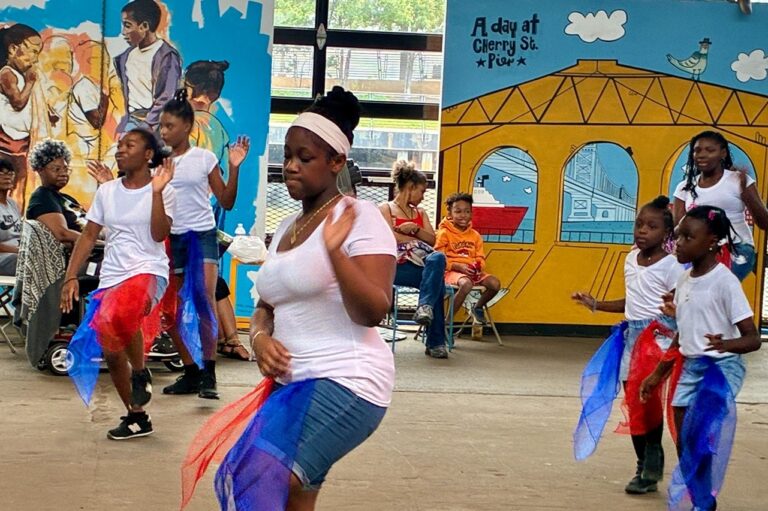
Members of the HYCP Angels, a Haitian children’s dance group, perform traditional Haitian dances at the 40th annual Philadelphia Caribbean Festival. (Hannah Pajtis/WHYY)
From Philly and the Pa. suburbs to South Jersey and Delaware, what would you like WHYY News to cover? Let us know!
Philadelphians gathered at Cherry Street Pier on Sunday to enjoy traditional dancing, food and live music at the 40th annual Philadelphia Caribbean Festival, which celebrates Caribbean culture, heritage and unity.
The Caribbean Festival Committee organizes the festival, part of the PECO Multicultural Series of summer and fall cultural festivals along the Delaware River.
Barbara Wilson, a longtime festival organizer originally from Jamaica, said good vibes and cultural pride are what the event is all about.
“Come out, enjoy yourself, be positive, and that’s all we ask for,” Wilson said. “It’s a free festival. We look at it as an outreach for Philadelphia to know about the Caribbean, and all ethnic groups, regardless of who they are, they are invited.”
Related Content
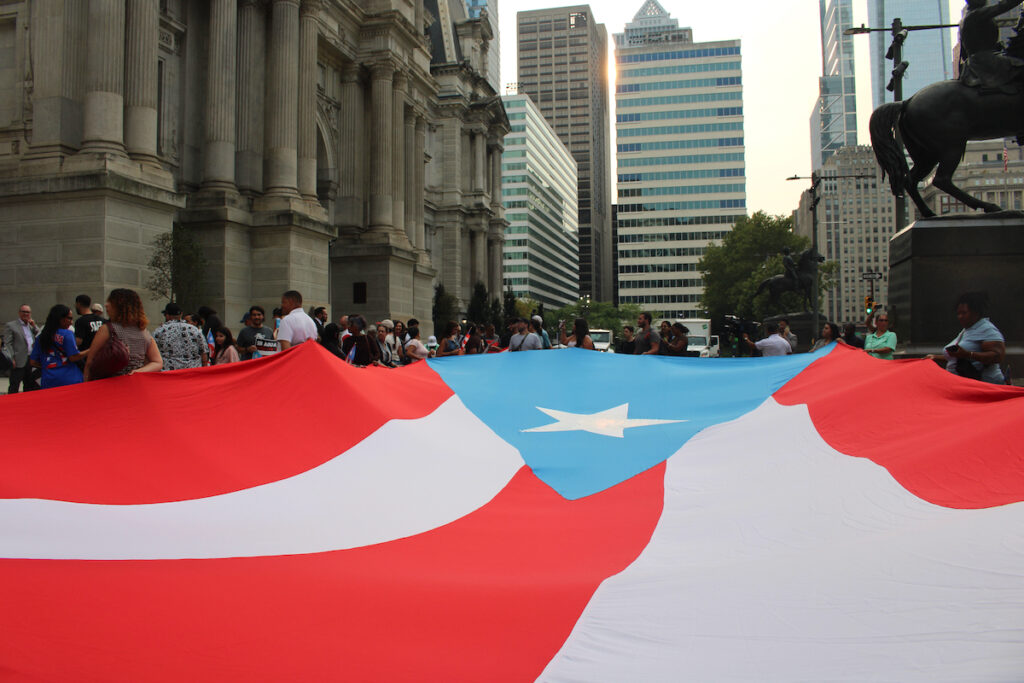
Philly Puerto Rican community pressures federal officials to act amid ‘humanitarian crisis’
More than half a million Puerto Ricans are enduring days-long water shutoffs due to drought and infrastructure issues.
1 month ago
Listen 1:12Dance, crafts and unity
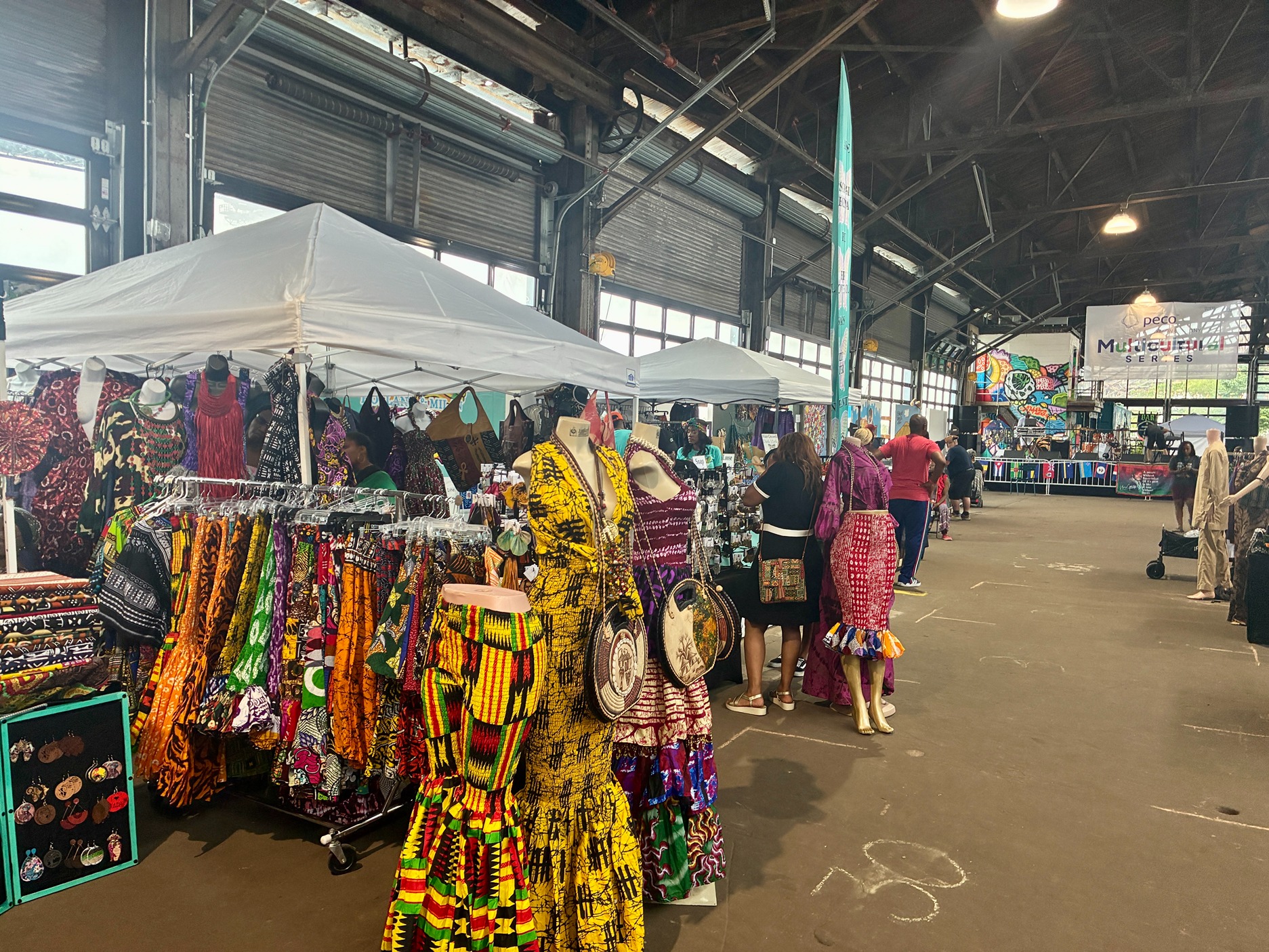
Throughout the day, festival attendees shopped from local vendors, enjoyed traditional food like Jamaican fry fish and wore clothes representing their countries of origin. Evans Davids, who is originally from Antigua and Barbuda, wore a shirt and hat with his country’s flag.
“I come because I’m a Caribbean man, so I come to enjoy with my brothers and my sisters,” Davids said.
Attendees came from a variety of neighborhoods and countries of origin, as well as age groups. Designed to be a family-friendly event, the festival had a kids section with crafts and activities.
Samantha Watkis, who has volunteered at the festival for over a decade, oversaw the kids section. Watkis said the goal of the table is to familiarize the children with popular Caribbean activities, like bead-making and painting.
“Some of our beads are made of wood, and that’s what you see in the Caribbean,” Watkis said. “You often see crafts made out of indigenous woods, and a lot of the artists in the Caribbean use painting as a means to support themselves.”
Another integral part of the festival was cultural dance. The HYCP Angels, a Haitian children’s dance group, performed three Haitian dances for a cheering crowd.
Stéphanie Milcent, who choreographed the dances, said it was the group’s third year at the festival. Fifteen performers from ages 3 to 14 practiced the dances for weeks.
“They’re traditional dances,” Milcent said. “I just listened to the music and put the traditional dance into it, and then made them learn it. Some of the dances are hard for them, but if you see it, they look like they’re pro.”
Related Content
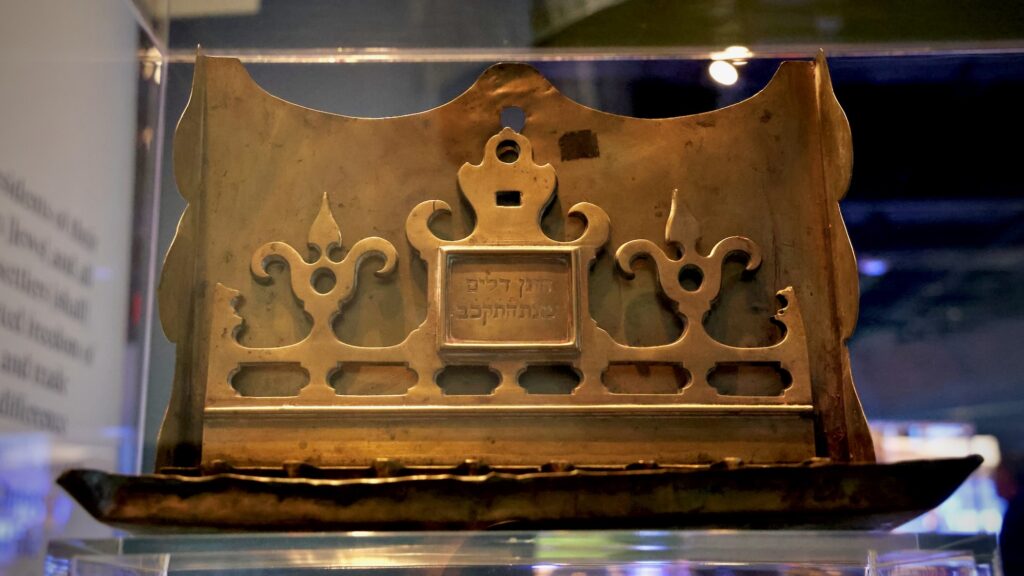
“The First Salute” pulls artifacts from Sint Eustatius to tell the “hidden” story of the colonies’ crucial island allies.
5 months ago
Listen 1:38‘I like to see the smiles’
Wilson said she loves the fun festival elements like food and music, but her favorite part is its scholarship program. Each year, the committee gives scholarships to Caribbean and Caribbean American university students. The scholarships are funded by festival proceeds and outside organizations.
“I like to see the smiles on the faces of those who receive the scholarship,” Wilson said. “This year, we have 30 people applying for scholarships. We were able, through other organizations, to donate scholarships. We are giving 15 of them out of the 30.”
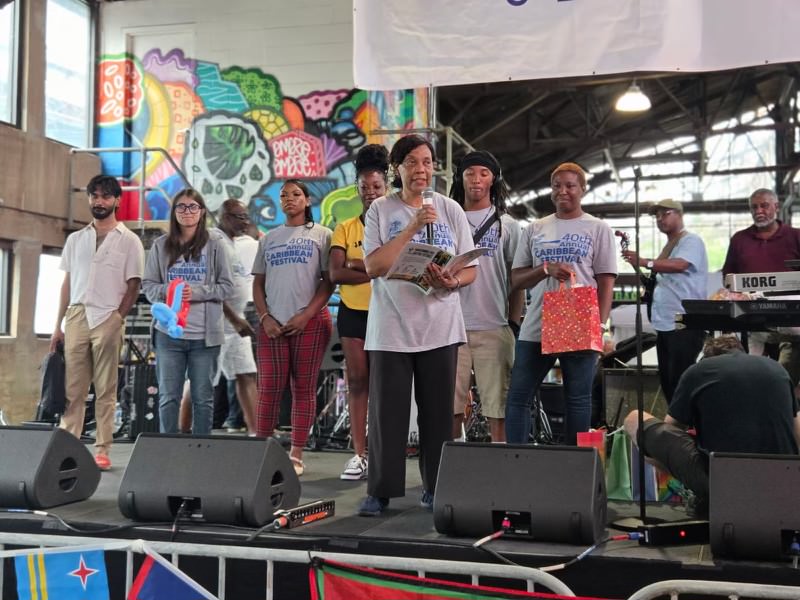
The scholarships, Wilson said, are not limited to certain costs, and each student has the freedom to decide whether to use it for education or living costs.
“It’s at least just to help them with either their apartment or if they have books to buy and things like that,” Wilson said. “We make it undetected scholarships. We don’t send it to say, ‘Well, you have to put it against their tuition.’”
At the festival, Caribbean nonprofits were located between vendors and spoke to attendees about their causes. One of these nonprofits was Ignite Jamaica Fund, a Philadelphia-based organization that promotes academic growth in Jamaica and for youth across the Jamaican diaspora.
Kimisha Simpson, founder and CEO of the fund, said she was at the festival to raise funds for their students.
“We do work in Jamaica [and] overseas for primary and secondary students, also tertiary students, basically enhancing educational needs,” Simpson said. “Sometimes that looks like school supplies. Sometimes that looks like technology resources, paying tuition fees, the cost of lunch, or other times that may look like virtual programming for workforce development.”
Festival proceeds are also donated to nonprofits and charities for causes like hurricane aid and bereavement support. The hard work that goes into the festival, Wilson said, is one reason why it’s thrived for so many years.
“It’s not just getting up one day and saying, ‘Okay, two months from now we’re having a festival,’ and we just rush to do things. We really organize it, and I think that’s what makes it last this long and very successful,” Wilson said.

Saturdays just got more interesting.
WHYY is your source for fact-based, in-depth journalism and information. As a nonprofit organization, we rely on financial support from readers like you. Please give today.
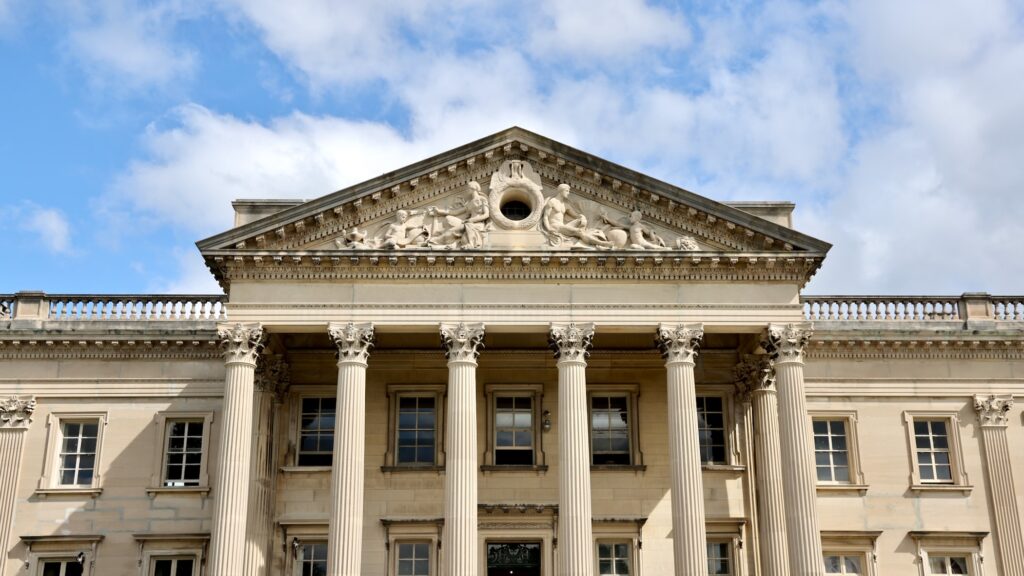
“The Gilded Age,” a floral exhibition based on the HBO drama, will bring Lynnewood Hall back to life for 10 days.
3 days ago
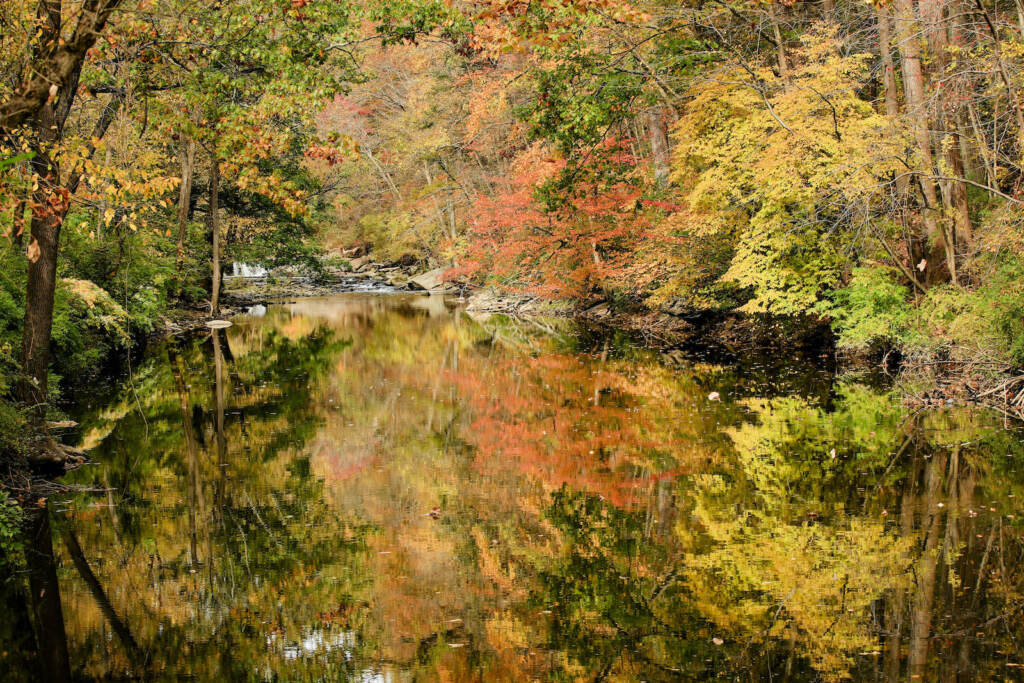
Sept. 24–27: Horror Fest Film Festival in Delaware, Puerto Rican Day Parade in Philly and Gorillaz in South Jersey are among weekend event highlights.
4 days ago
Listen 5:12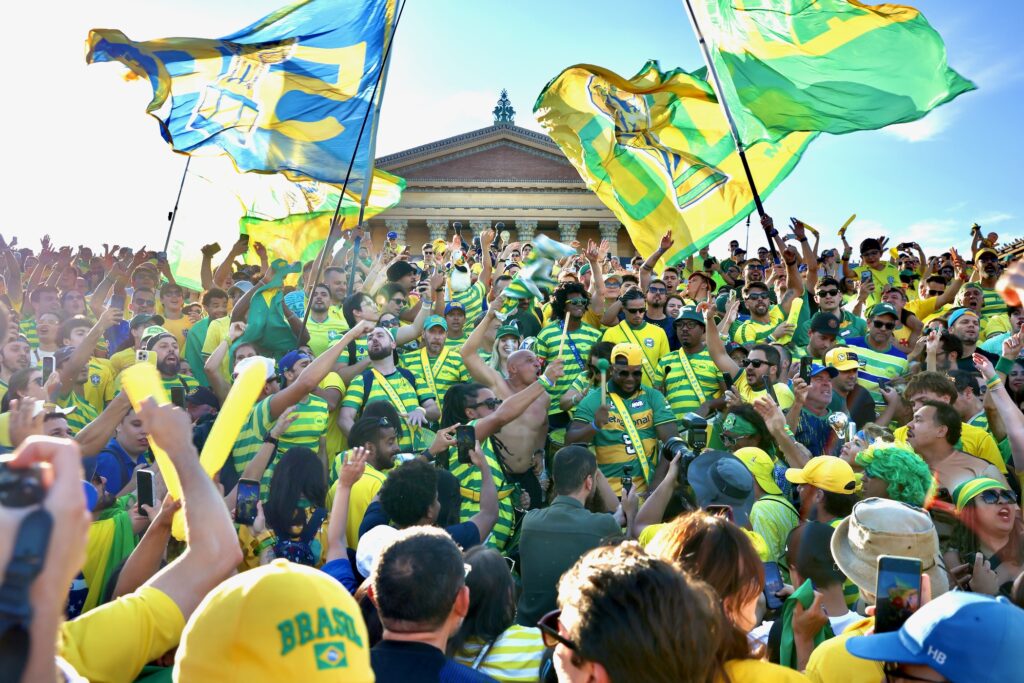
Brazil takes over Philly, dominates Haiti in city’s second World Cup match
Hundreds of yellow jersey-wearing Brazil fans took over the Art Museum steps this week before descending on South Philly to watch the Canarinho win.
3 months ago