

Faded, tattered and torn: The Gilded Age glory of Elkins Park’s Lynnewood Hall is back on display after 84 years
“The Gilded Age,” a floral exhibition based on the HBO drama, will bring Lynnewood Hall back to life for 10 days.

From Philly and the Pa. suburbs to South Jersey and Delaware, what would you like WHYY News to cover? Let us know!
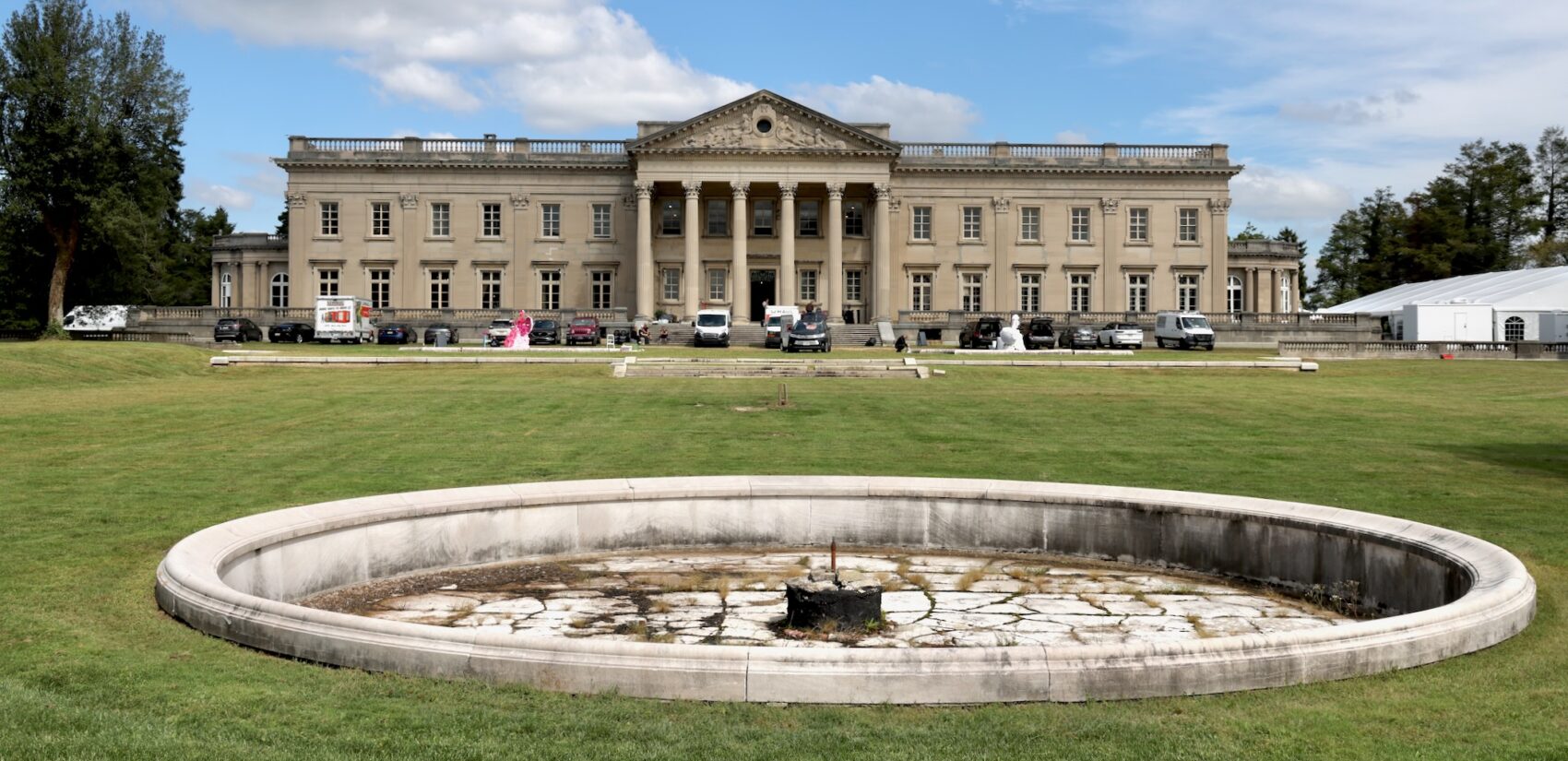
Lynnewood Hall is a Gilded Age estate in Elkins Park whose gilding is severely tarnished.
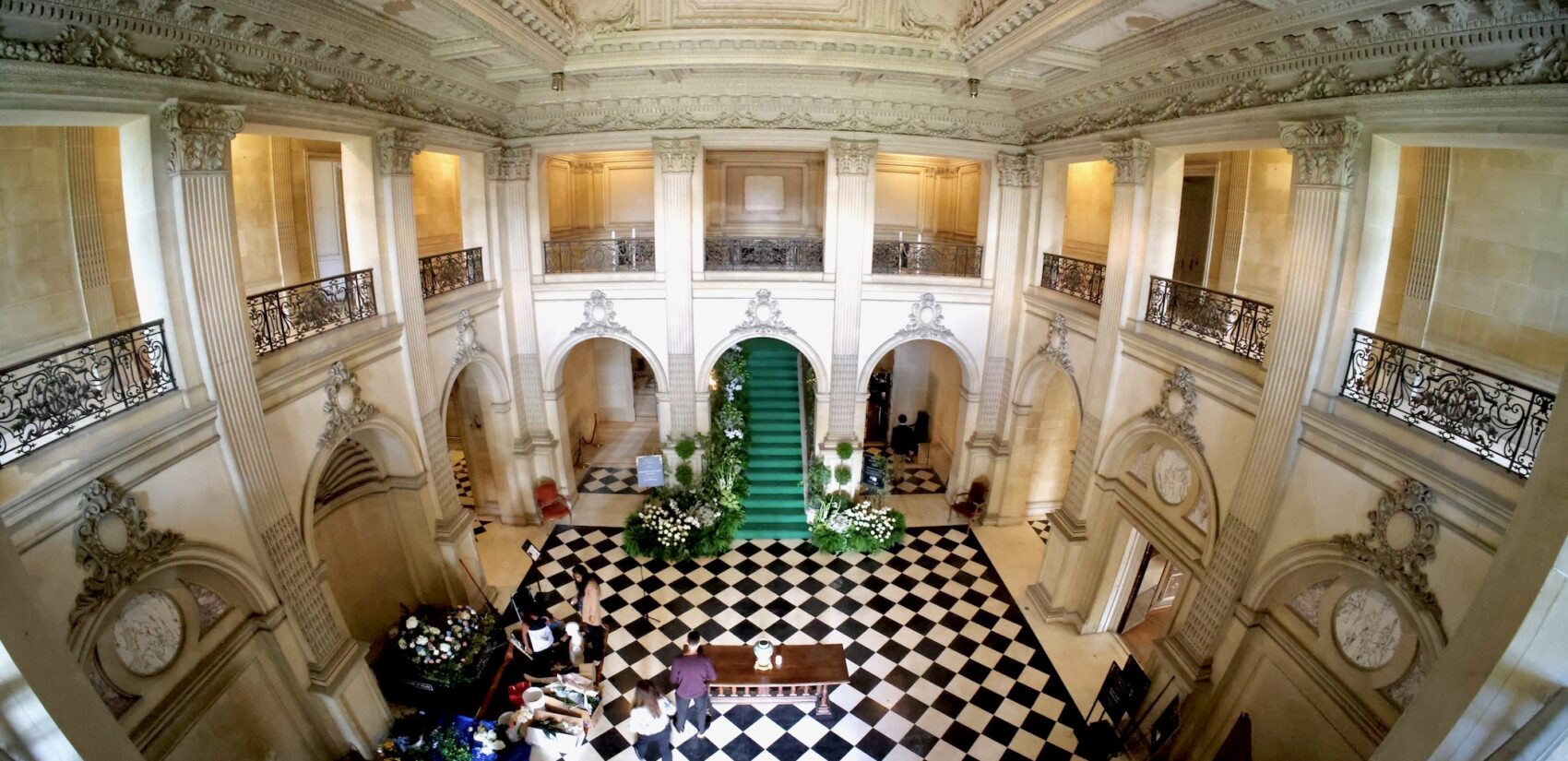
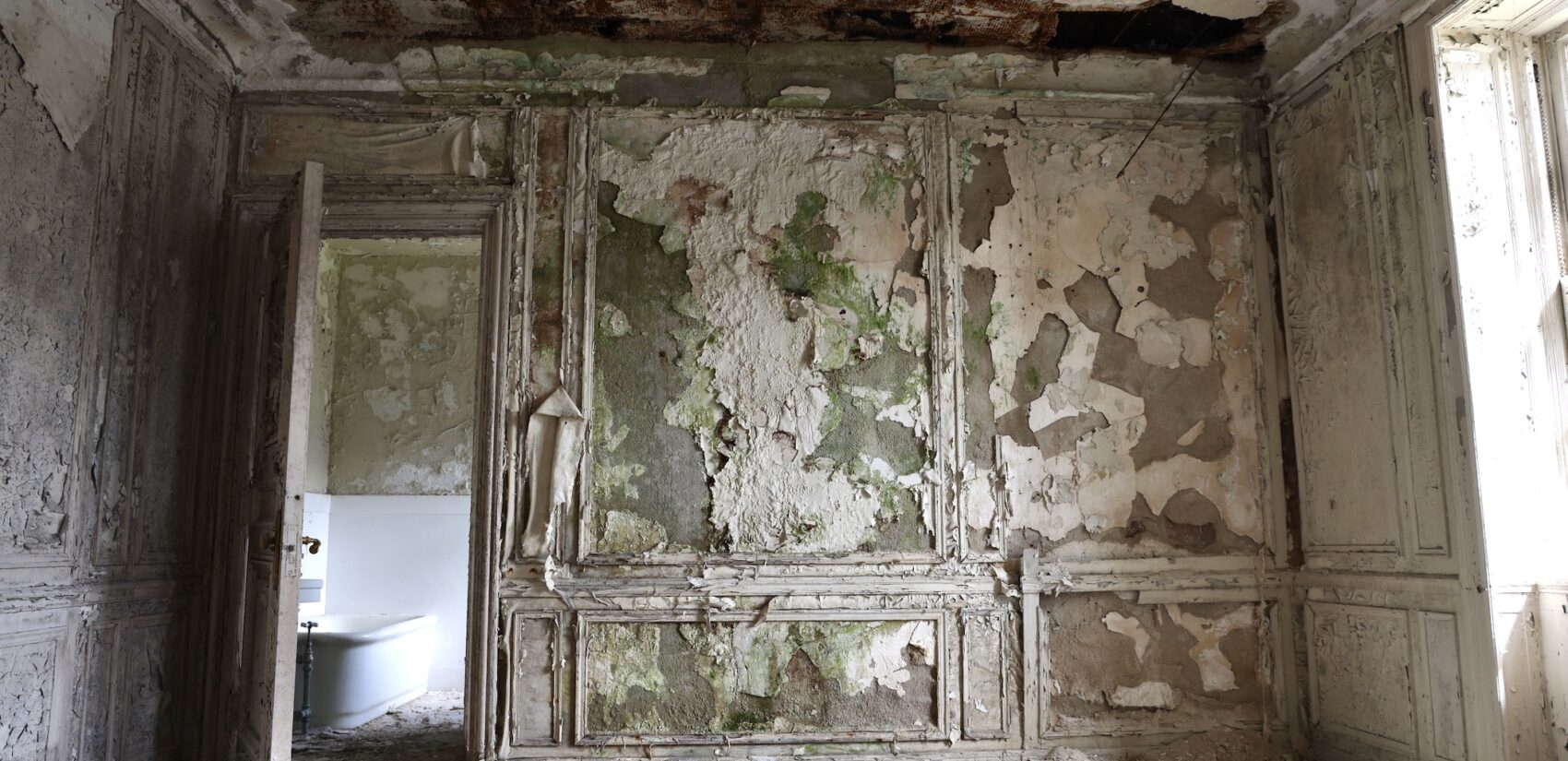
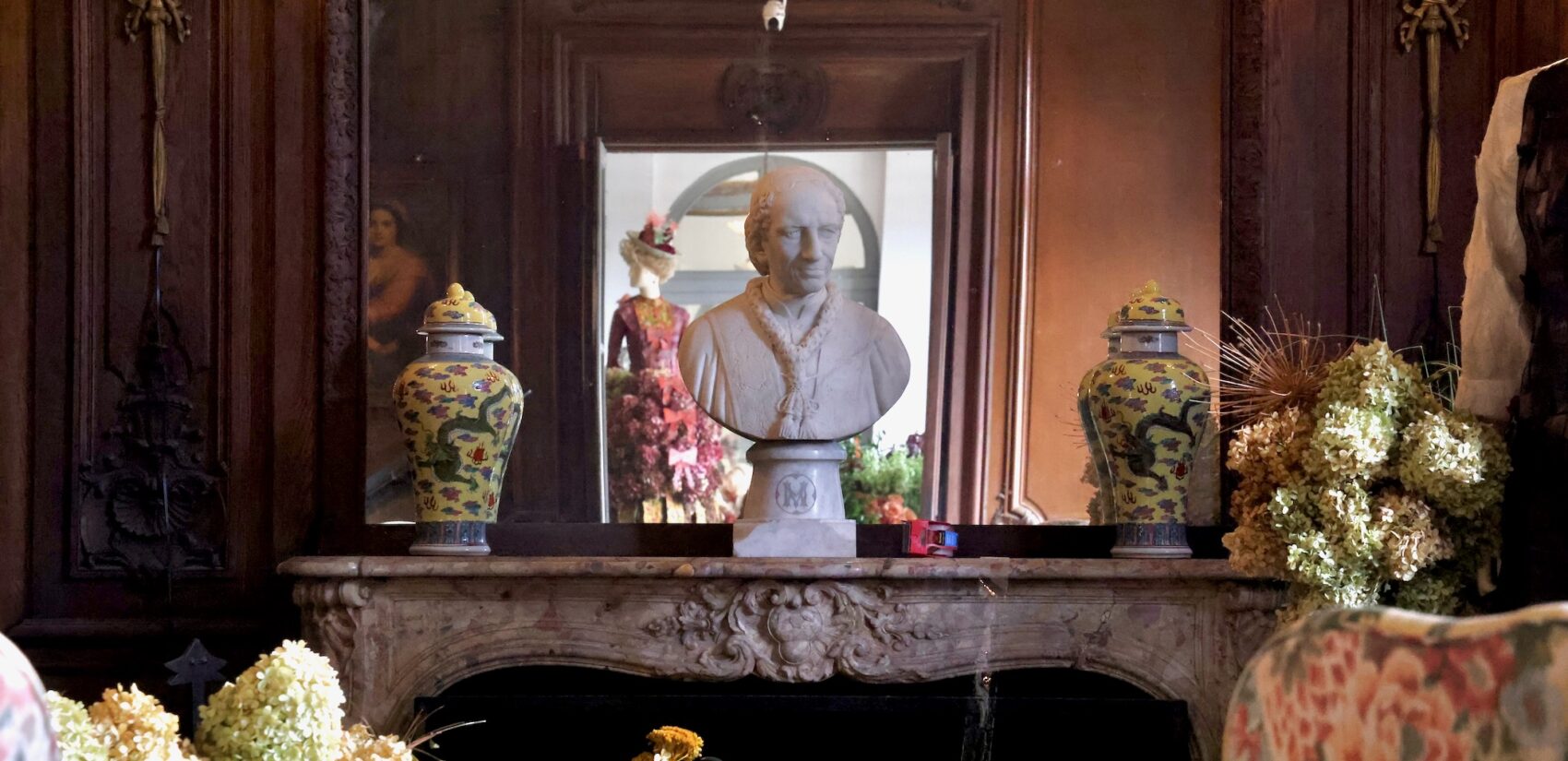
The 110,000-square-foot mansion has 107 rooms, including 38 bathrooms and one of the largest private ballrooms on the East Coast. But plaster walls are crumbling, mirrors are shattered, ceiling moldings are propped up by 2x4s and wood-paneled rooms are streaked with water stains.
“This is America’s Downton Abbey,” Edward Thome, executive director of the Lynnewood Hall Preservation Foundation, said, referencing the fictional English estate featured in the PBS show of the same name.
“Based off of some of the numbers I’ve seen online, Lynnewood Hall is actually bigger than Highclere Castle in England, which is where ‘Downton Abbey’ was shot,” he said.
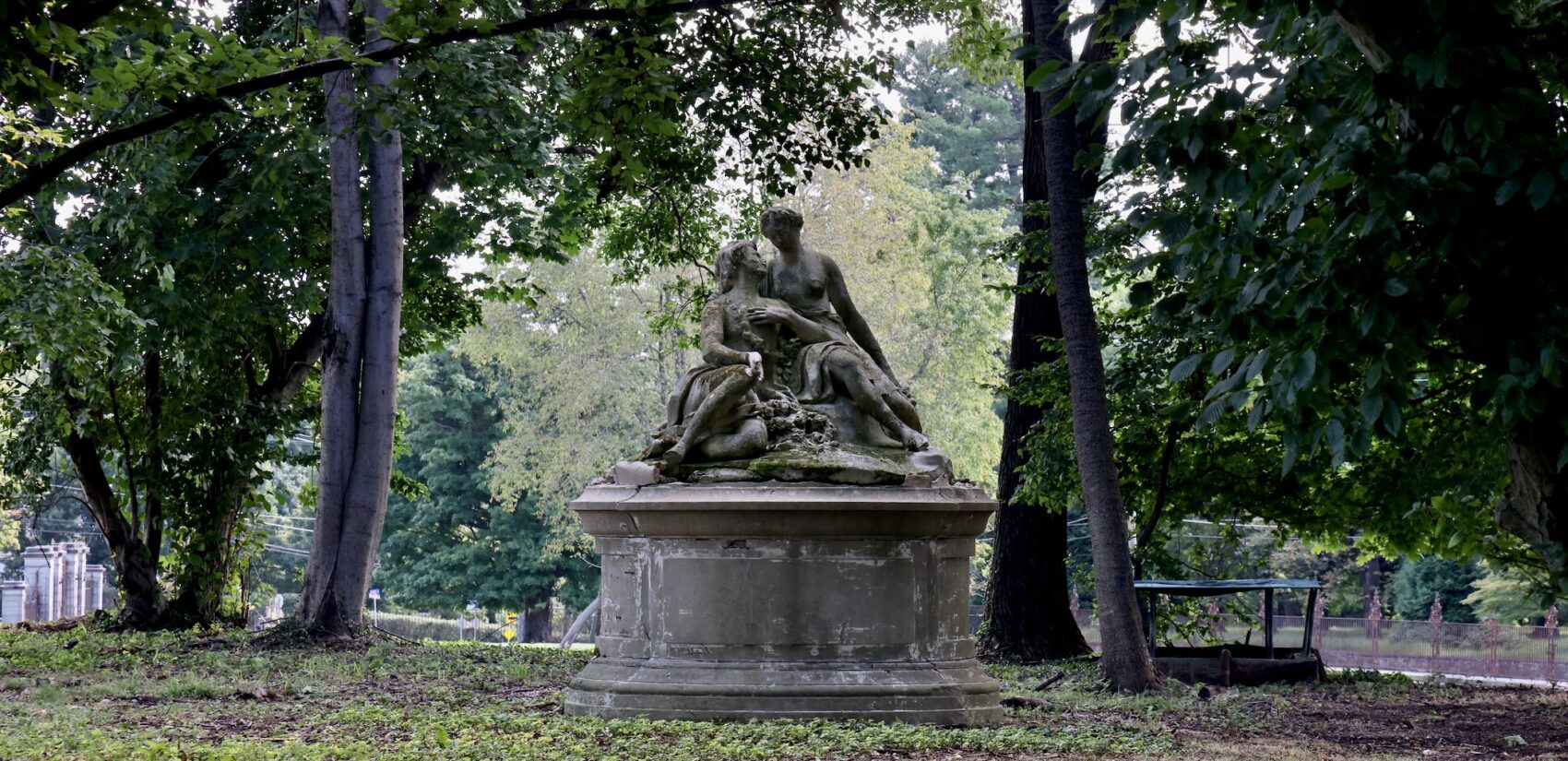
For the next two weeks, the public can see ghosts of ostentatious opulence lurking amid the bubbling wallpaper for the first time in 84 years.
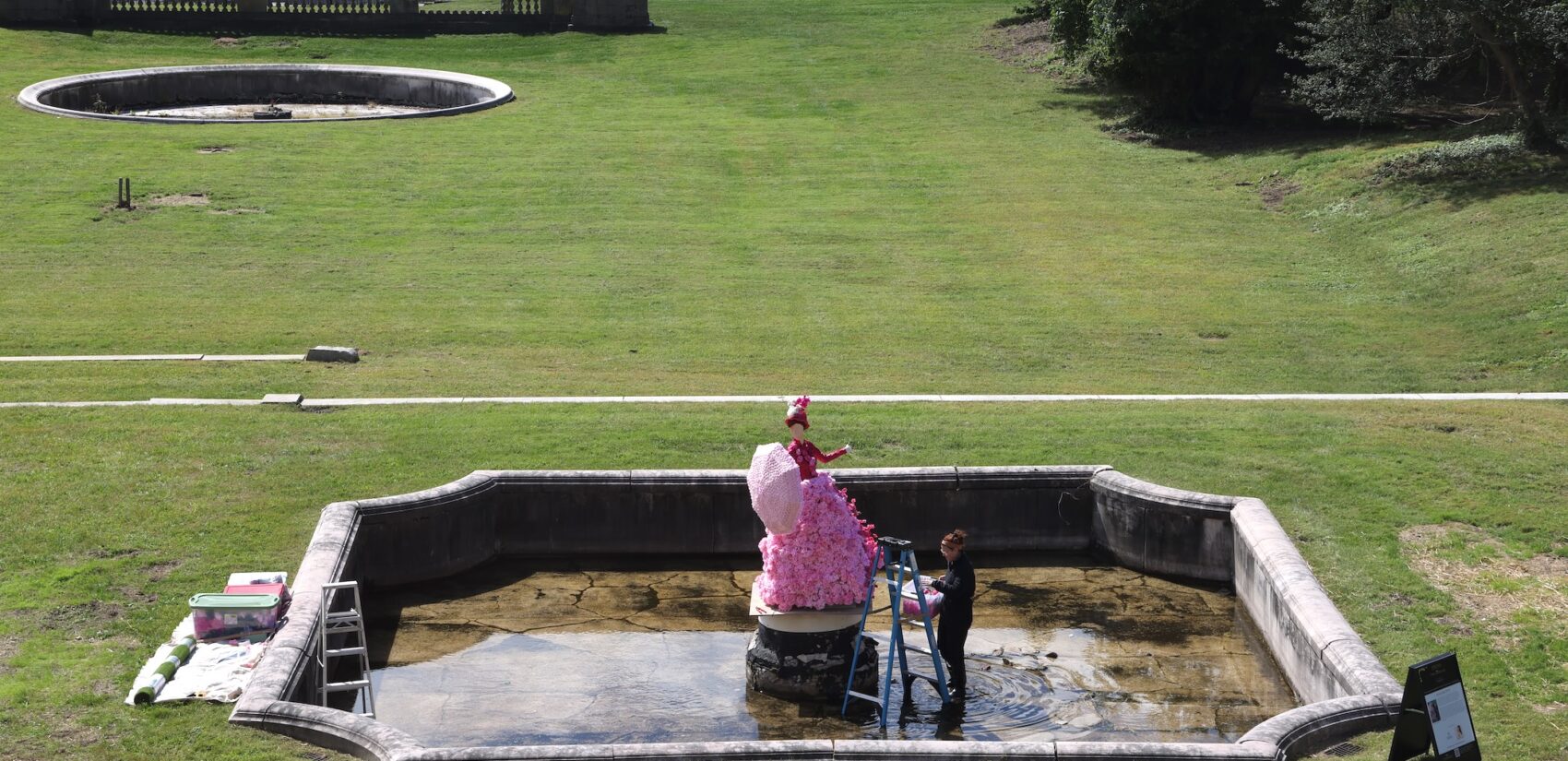
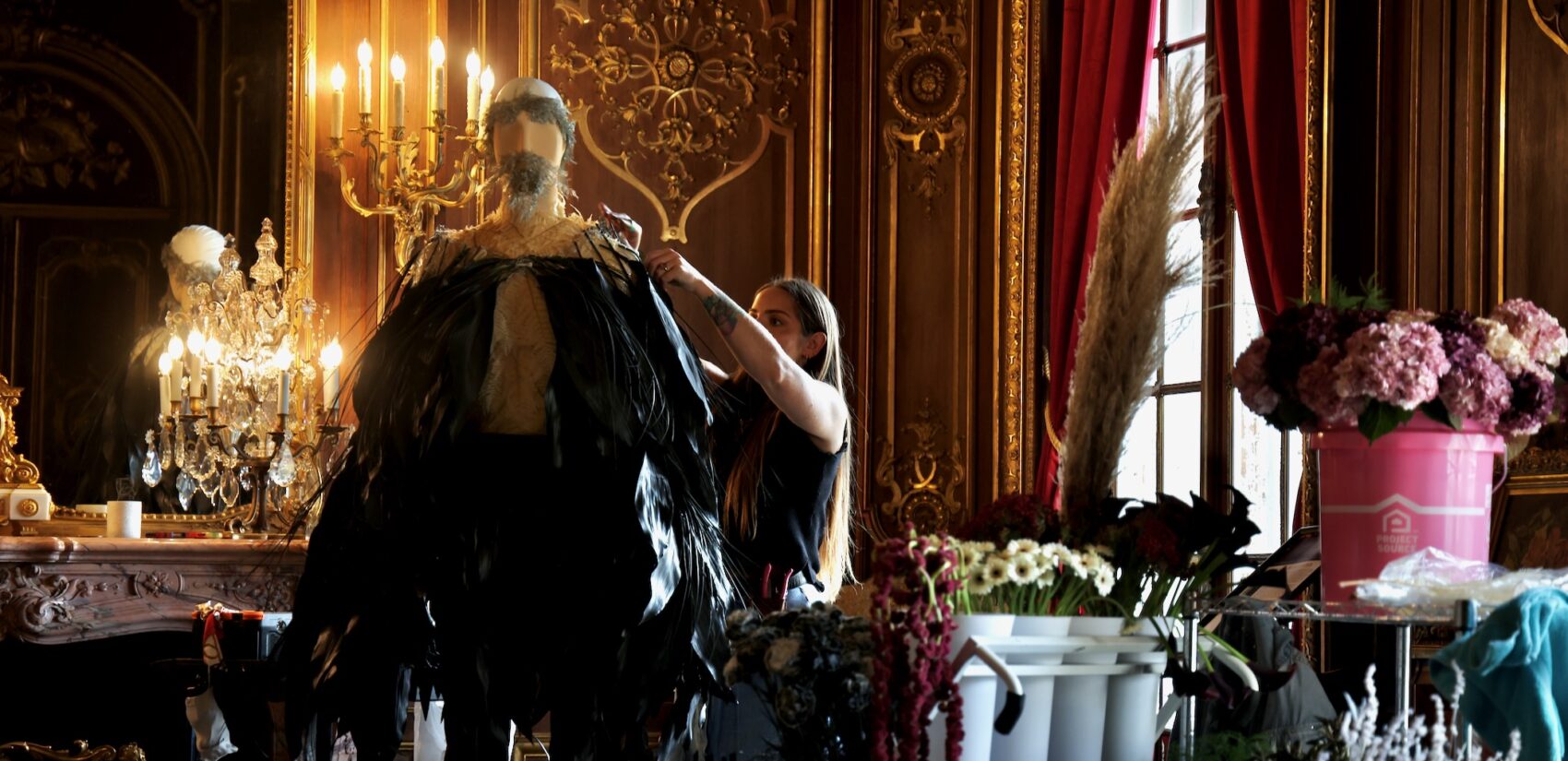
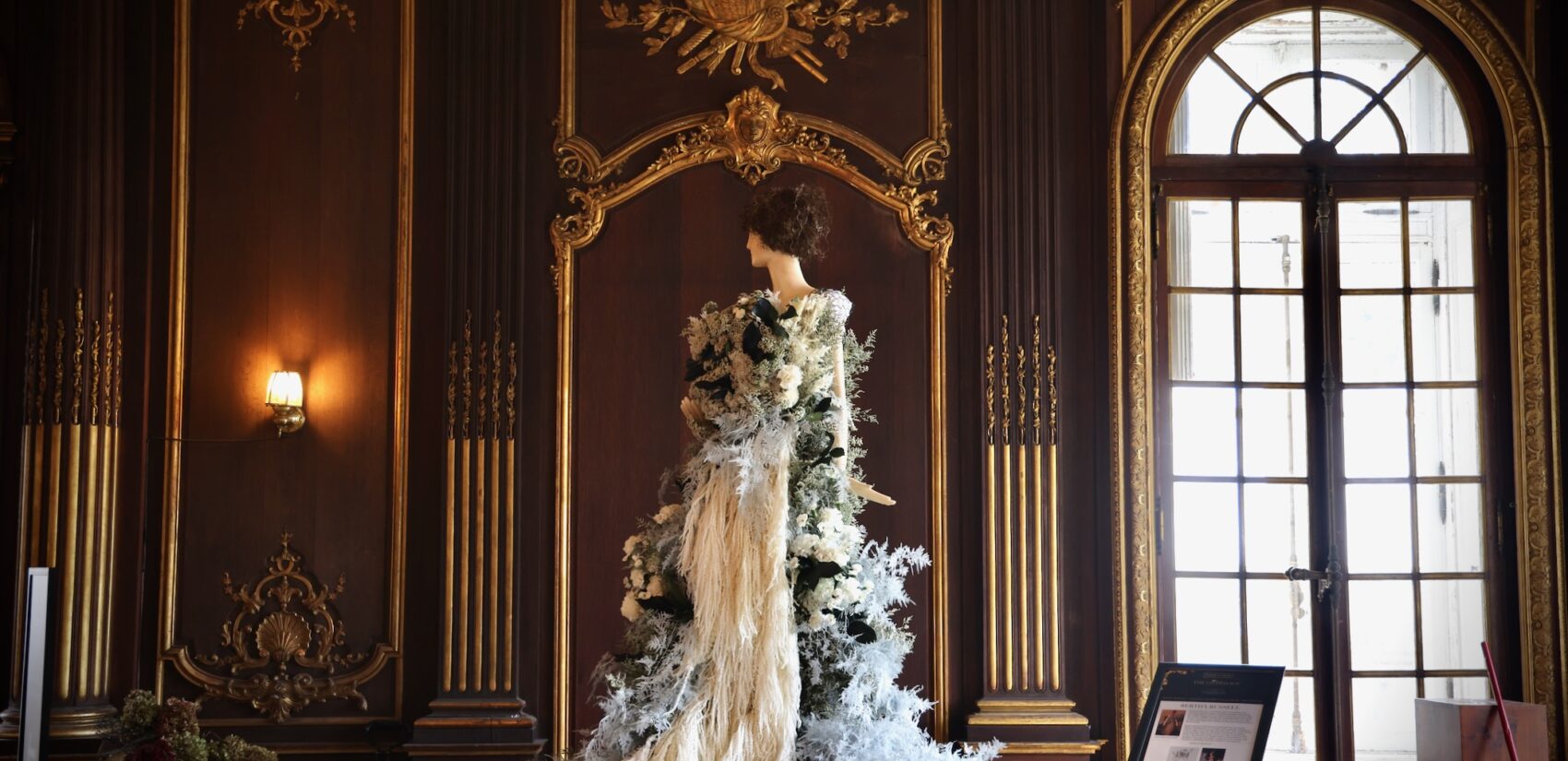
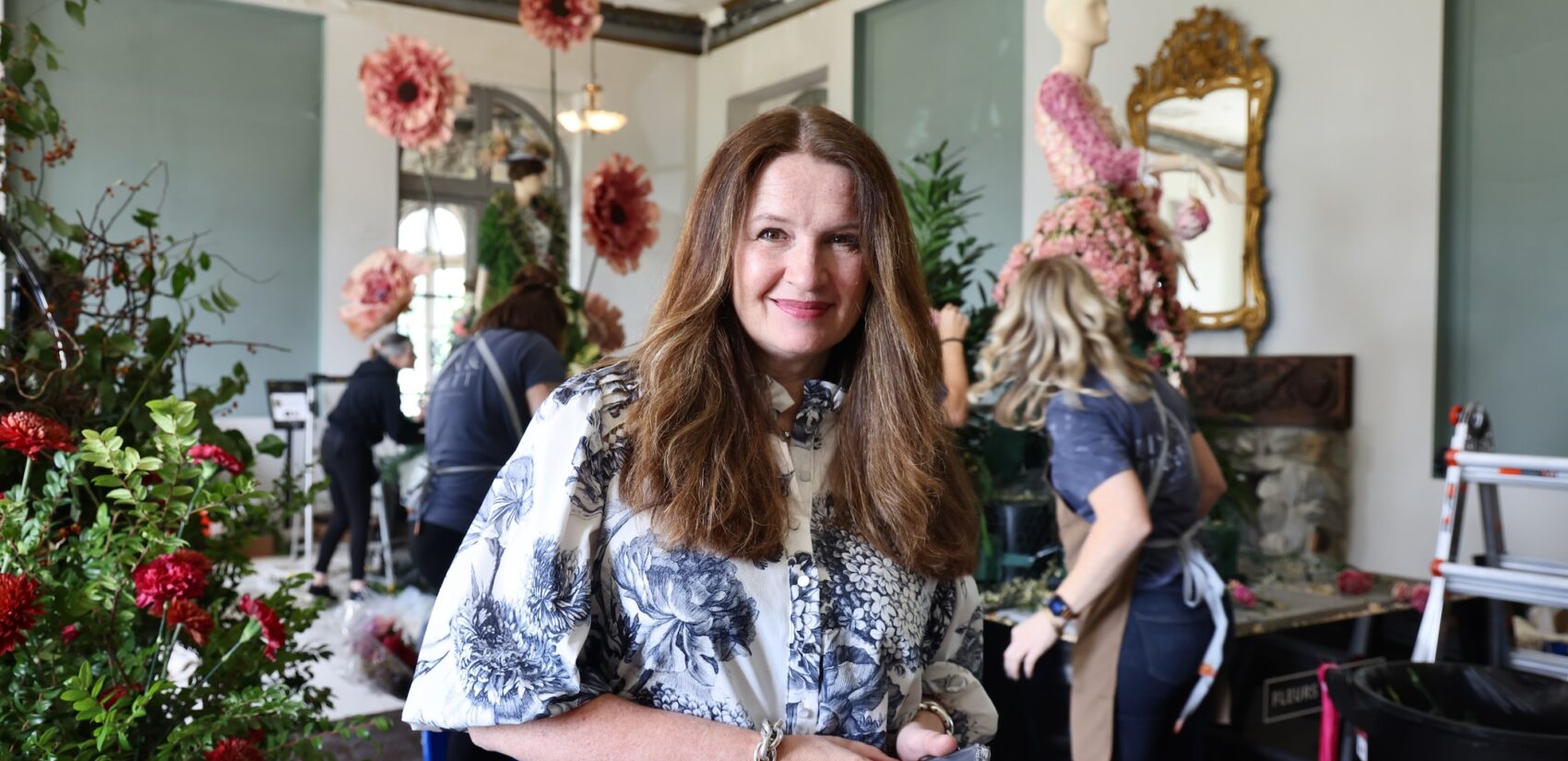
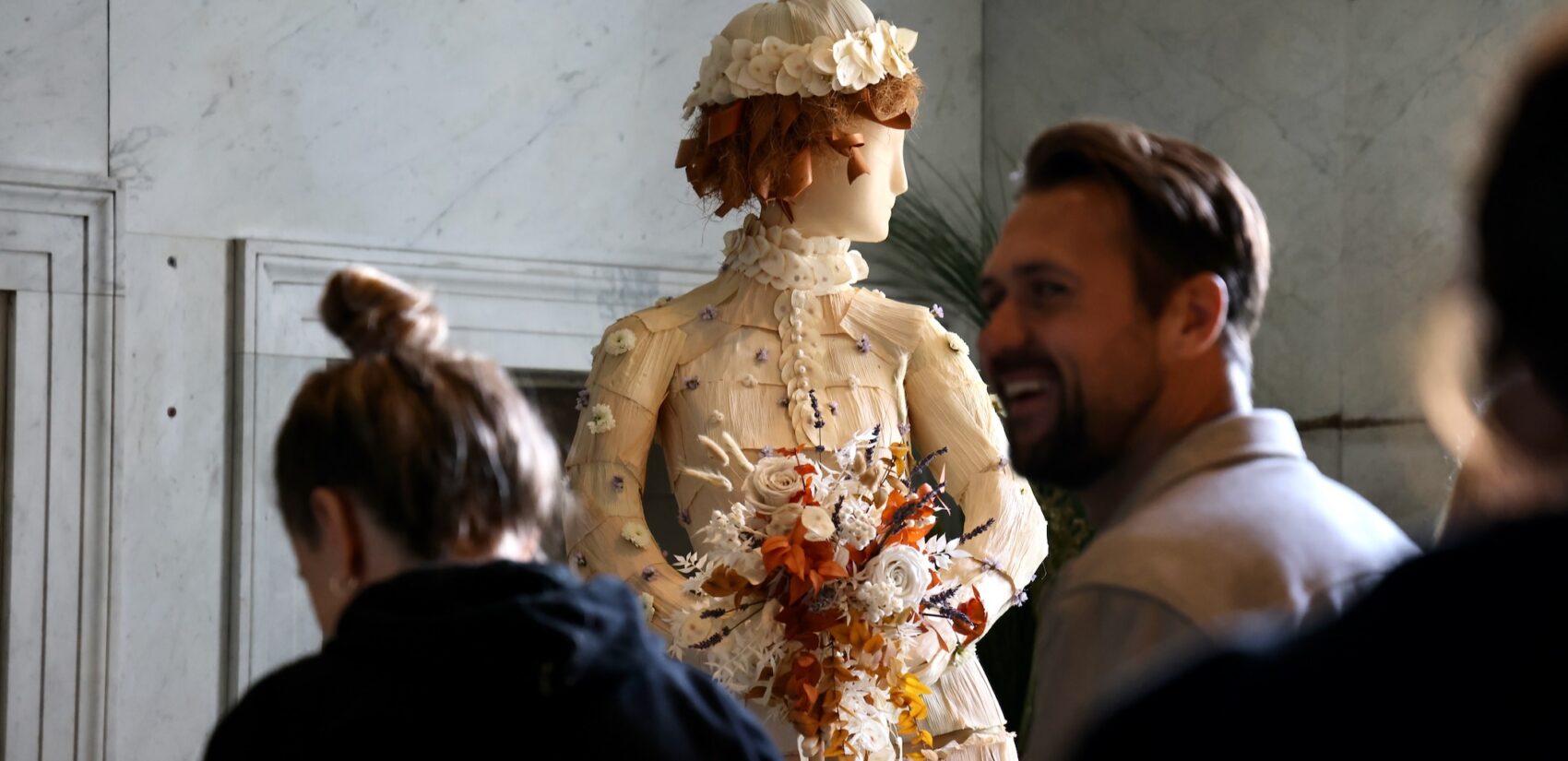
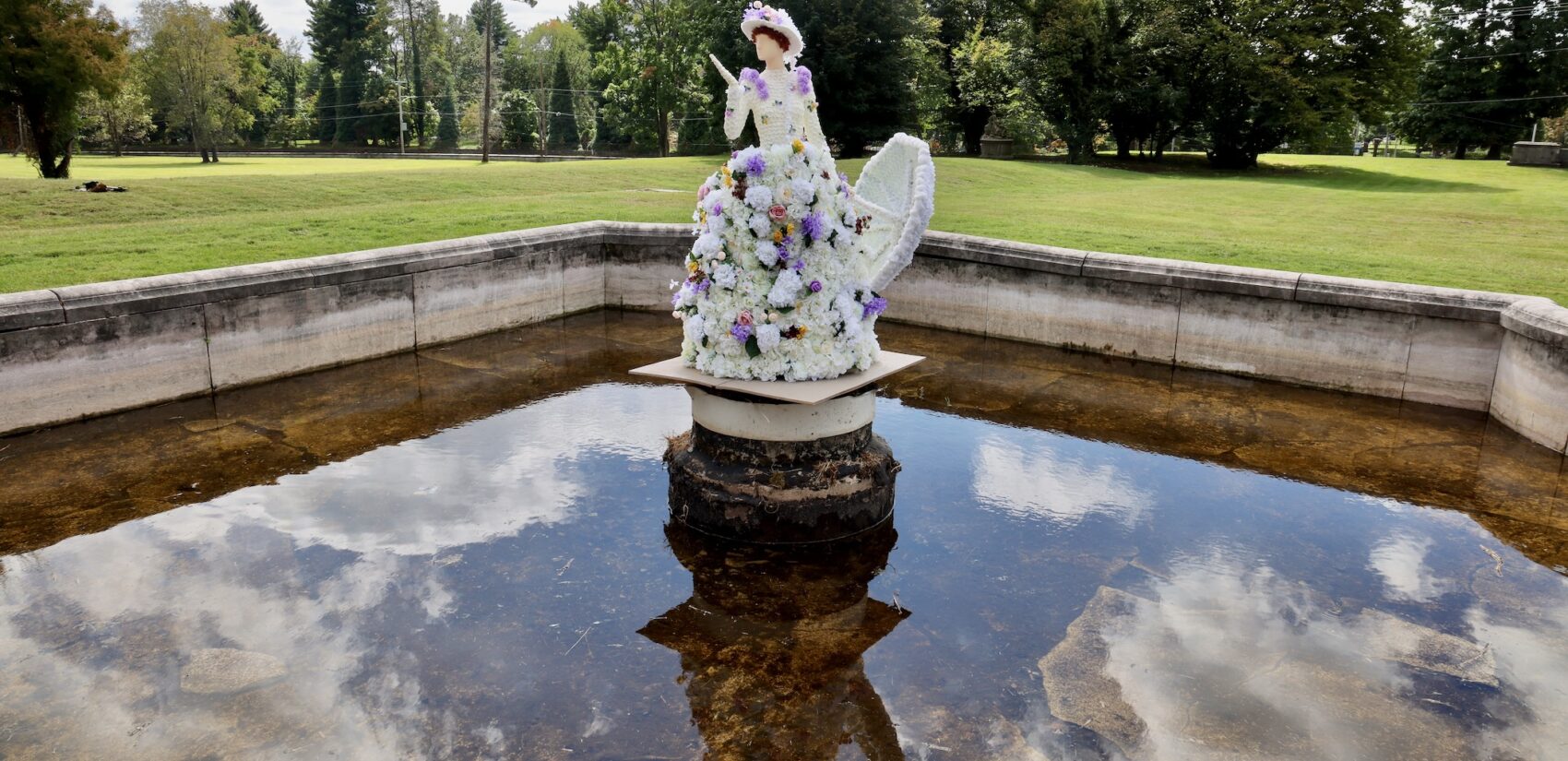
The mammoth door to the estate will swing open for an exhibit called, appropriately, “The Gilded Age,” which will include mannequins representing characters from the HBO drama series of the same name, rendered entirely in flowers.
“Everything is just, like, falling apart in the most gorgeous way,” said Hannah Spivak, founder of BRKFST in March, a floral design company based in Philadelphia.
Spivak designed a version of Bertha Russell, the fictional parvenue central to the HBO drama. Her creation wears a ball gown derived from an array of flowers including hanging amaranthus, ferns, sea lavender, lisianthus and dianthus. The figure is sited in the ballroom, whose ornately molded ceilings drip with peeling paint.
“I’m a chippy-paint kind of person, and the fact that there’s chippy paint in here shows how many stories have happened in here,” Spivak said. “It makes it feel really romantic and special to me.”
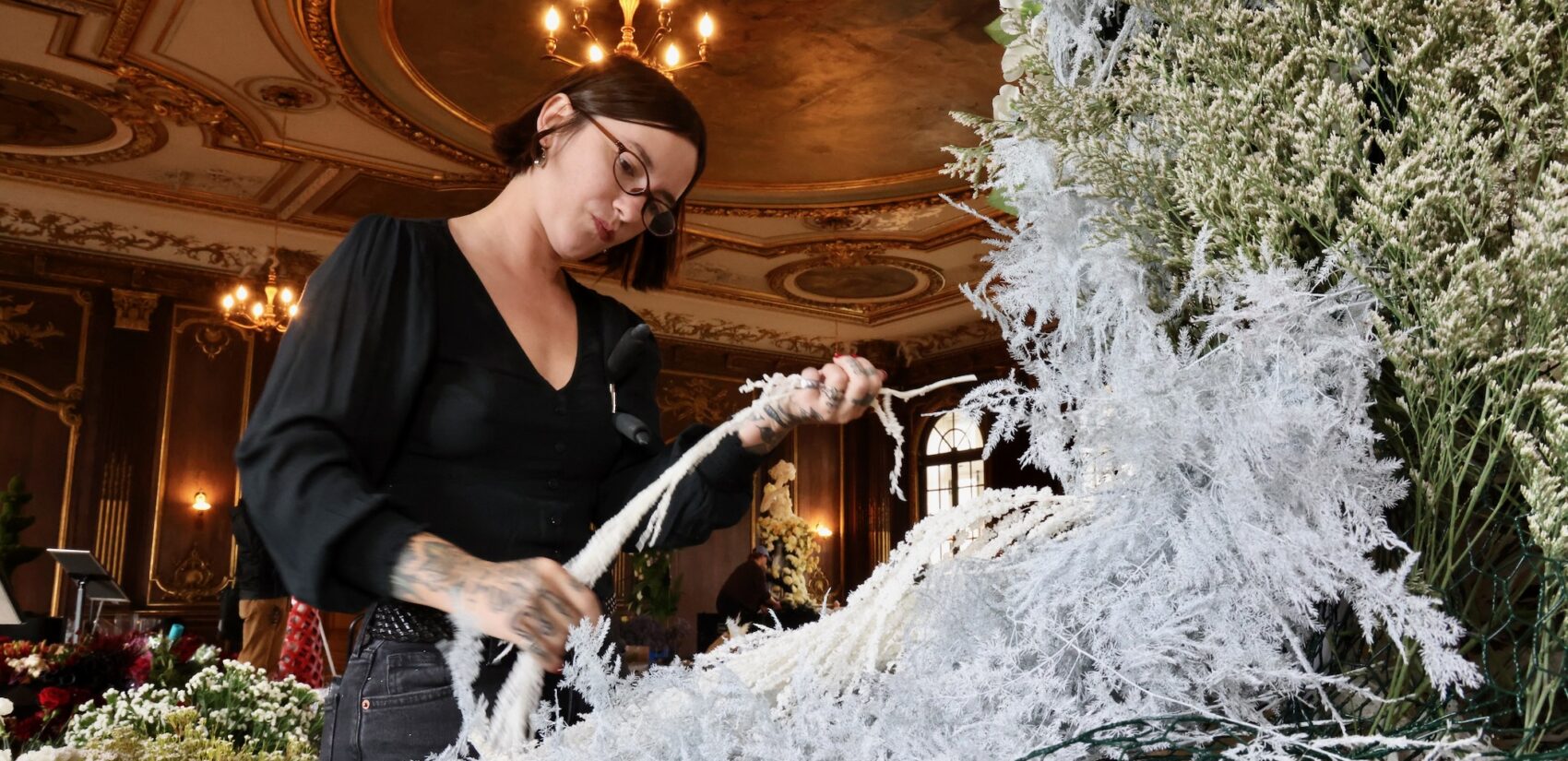
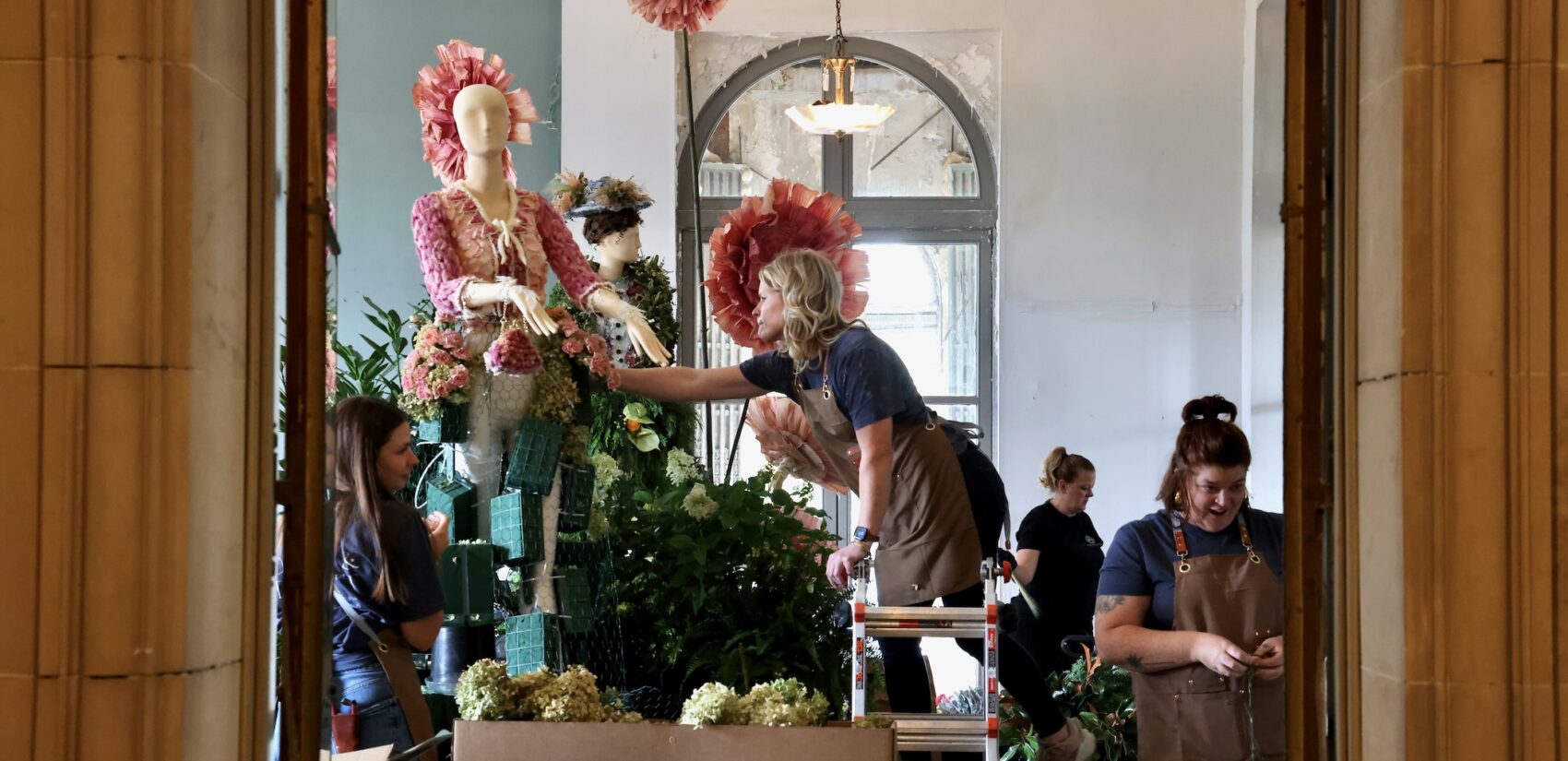
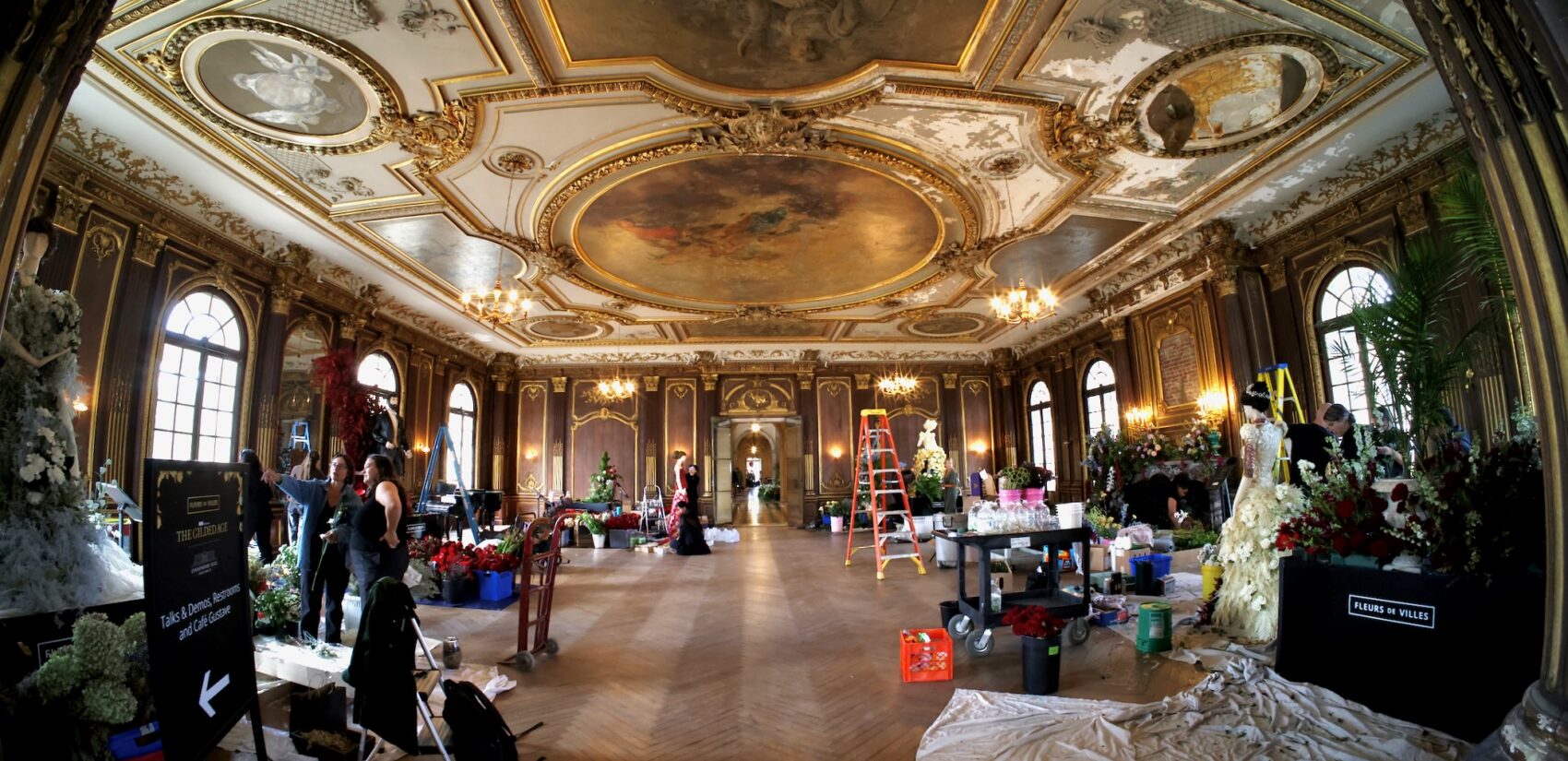
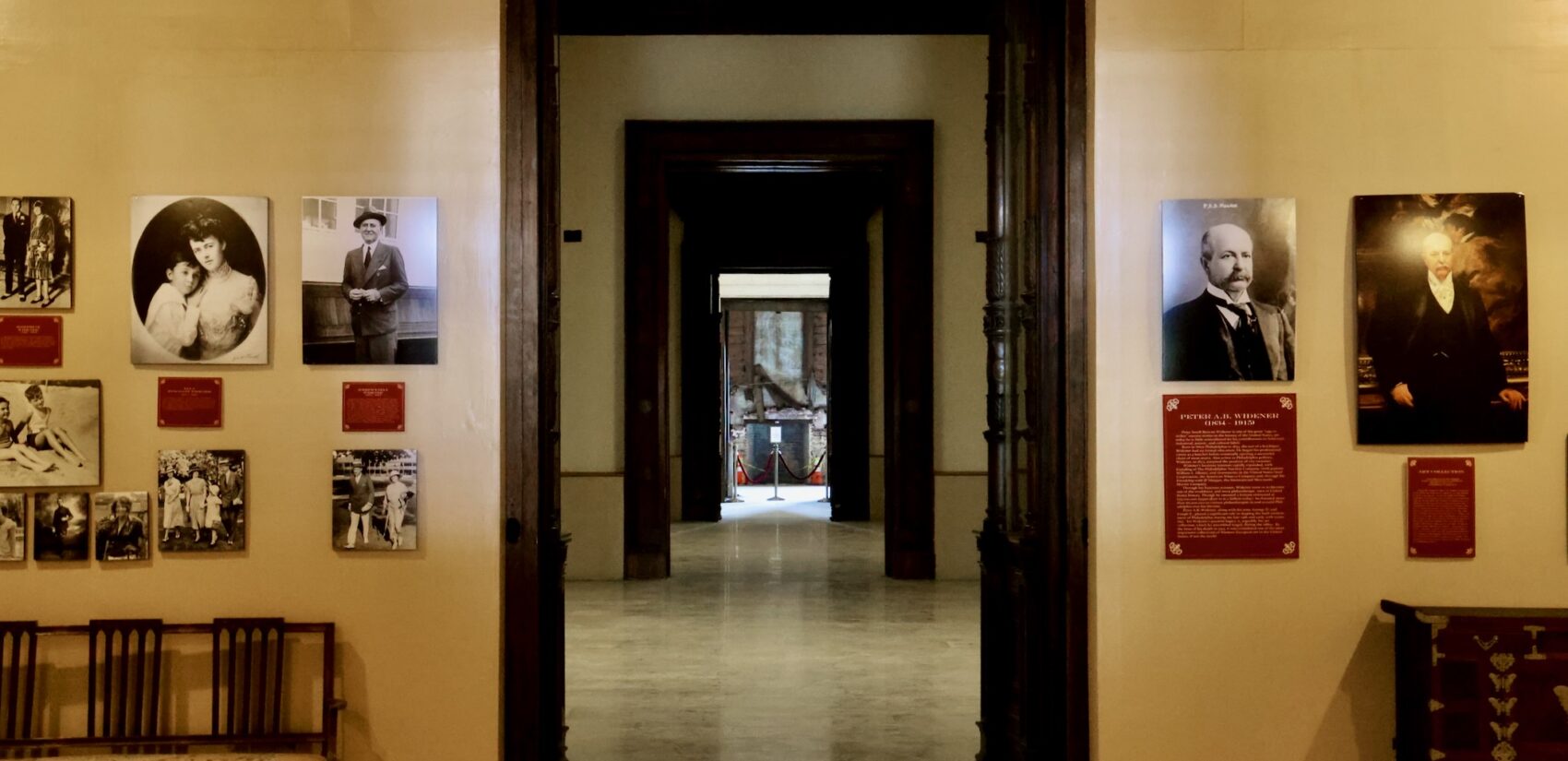
Lynnewood Hall was built in 1899 by Peter A.B. Widener, one of the richest men in American history. Widener came from modest circumstances and was trained as a butcher. He first improved his station by selling beef to the Union army during the Civil War. Later, he used his political connections to help amass a fortune in shipping, steel and rail.
He used some of that fortune to acquire an art collection to which a large portion of Lynnewood Hall was devoted. Members of the public were occasionally allowed in to view the collection.
In 1952, the estate was sold to the Faith Theological Seminary and served as a religious school for many years. In 1996, the property was sold to the First Korean Church of New York, which, despite attempts, never utilized the building. It sat essentially abandoned for almost three decades until the Lynnewood Hall Preservation Foundation bought it in 2022.
“The most unfortunate thing is two of the previous owners ended up selling off a lot of pieces of the house,” said Thome. “We’re missing some mantel pieces, even some whole rooms, some light fixtures, that kind of thing. It’s a little disappointing, but most of the house is still here.”
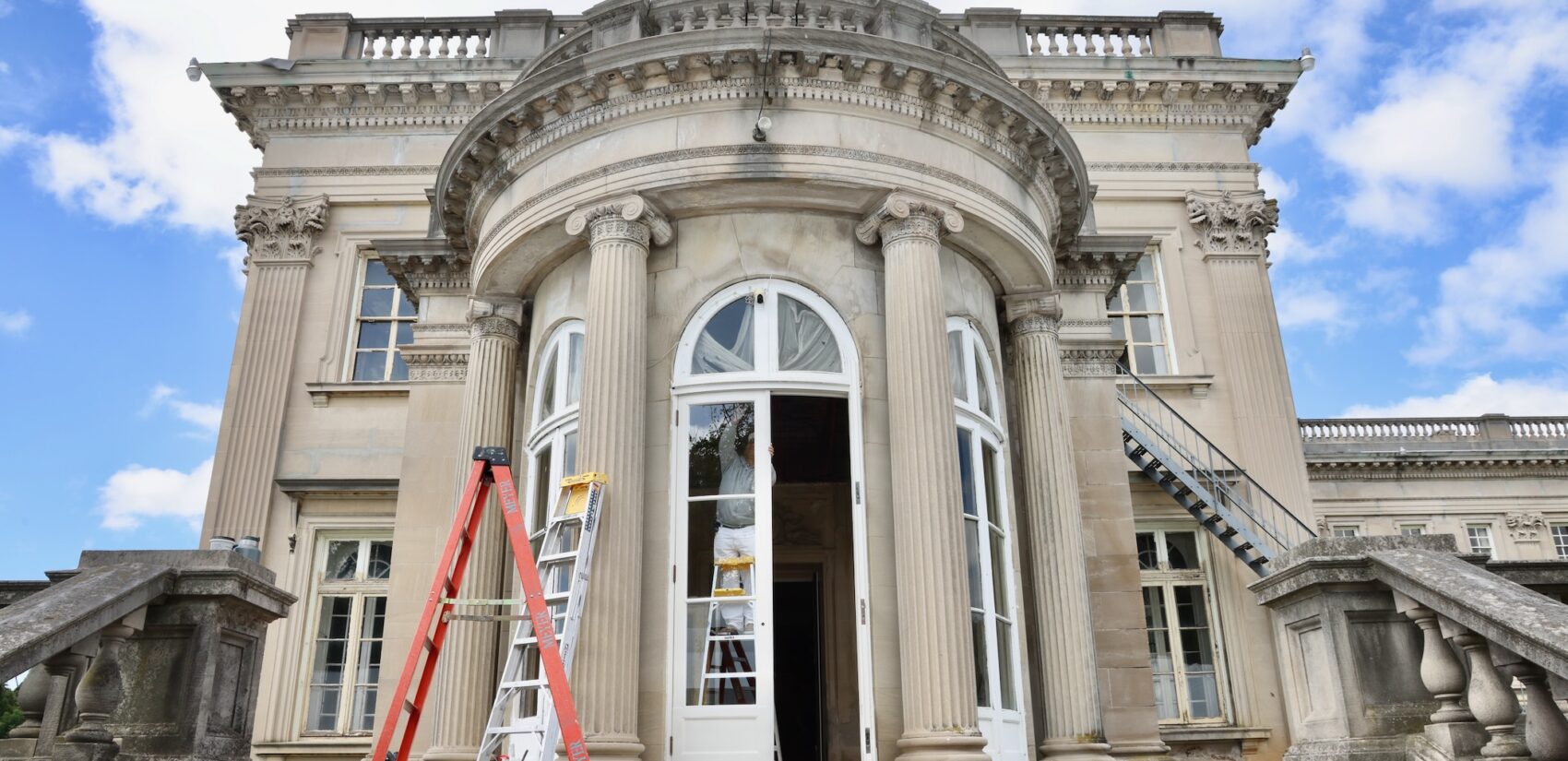
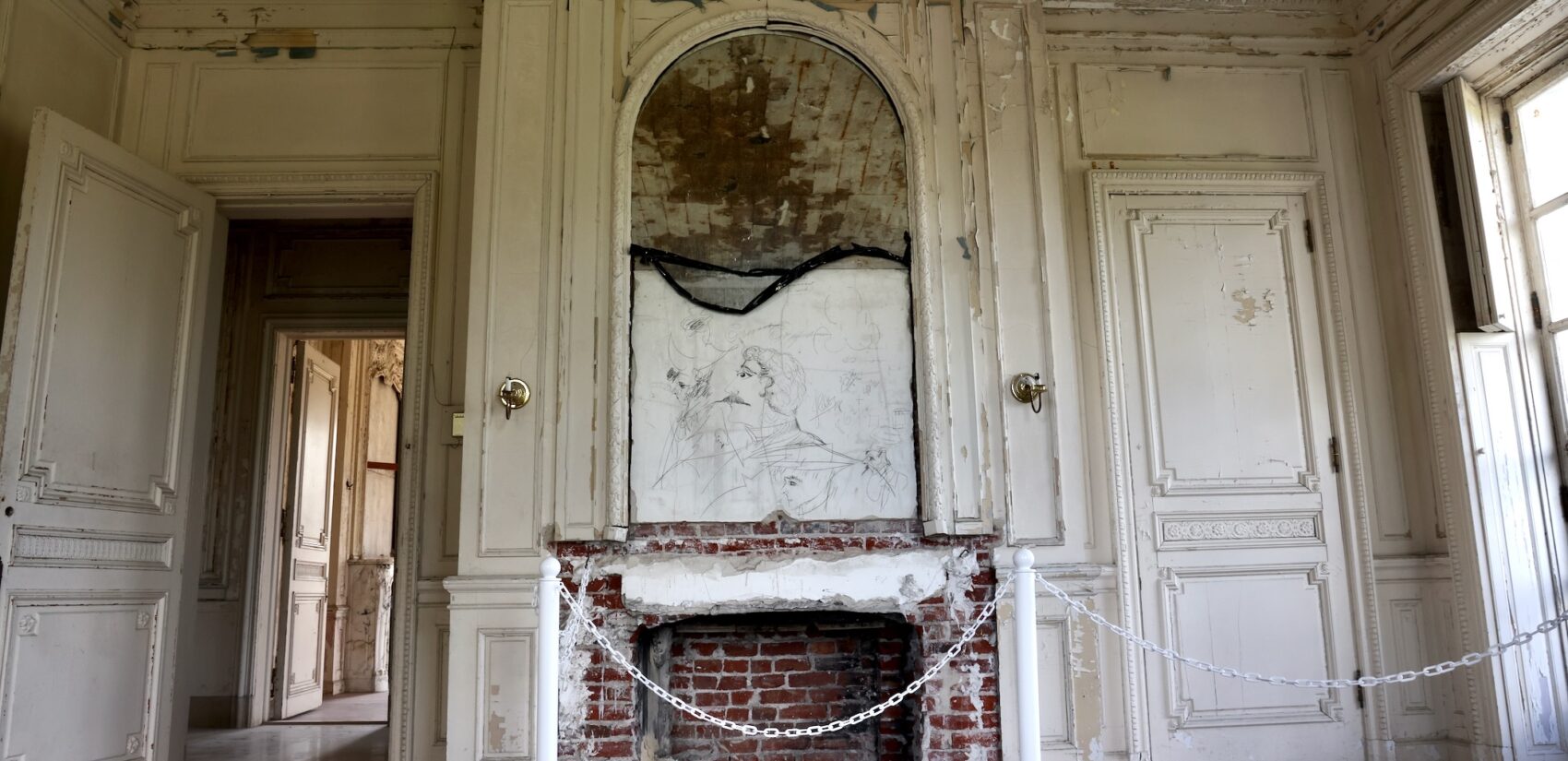
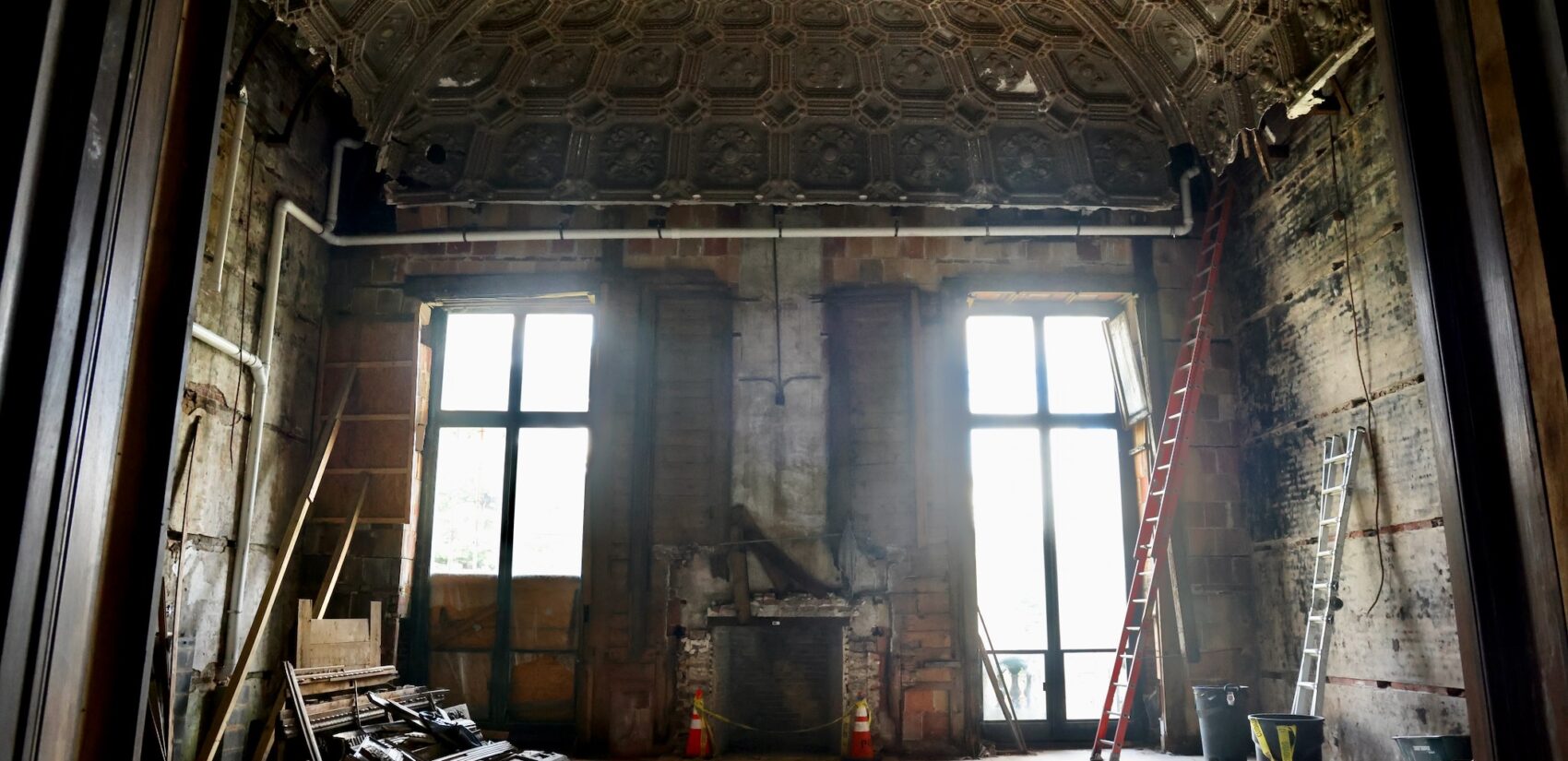
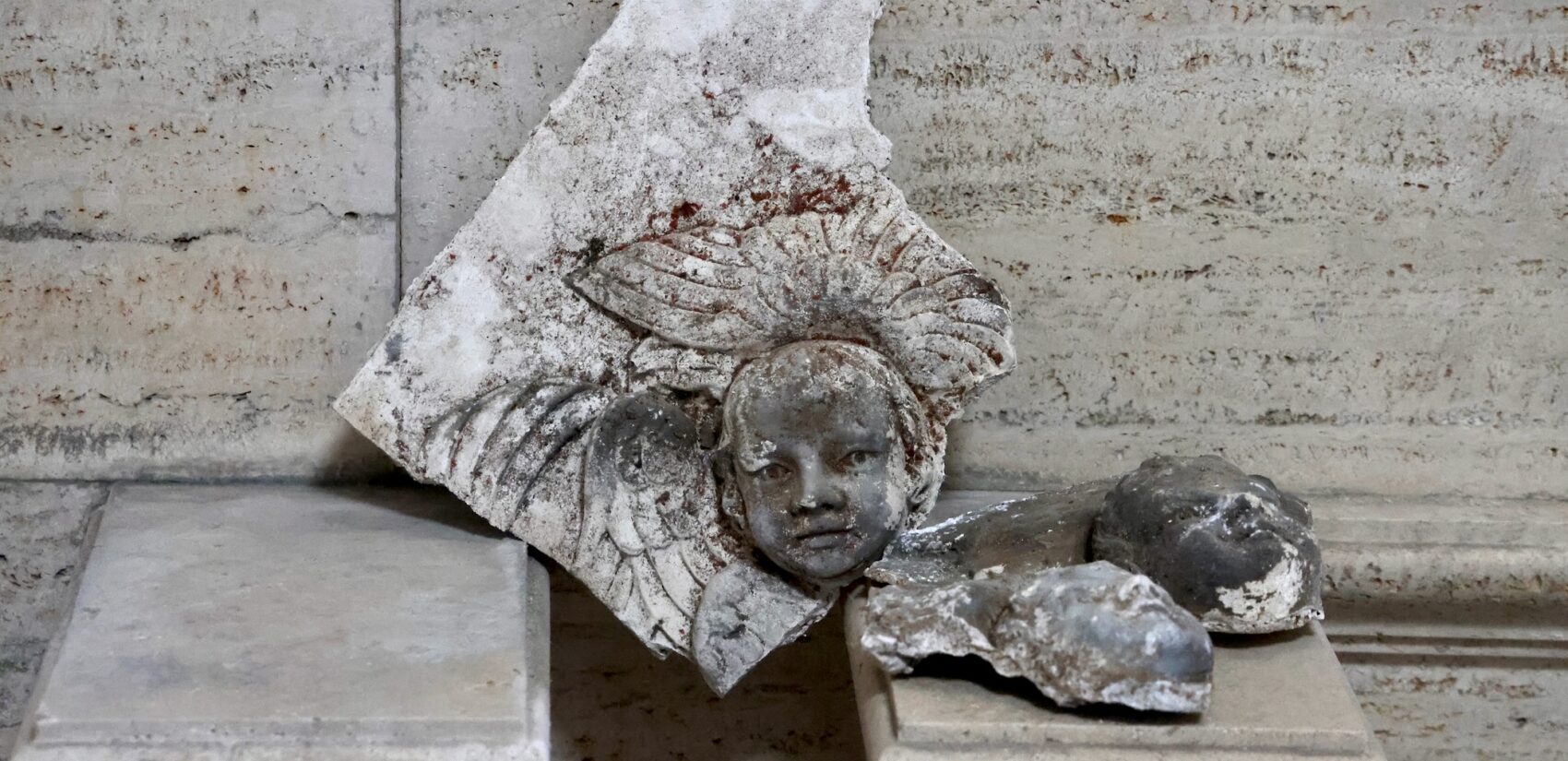
Thome expects about 10,000 people to tour the mansion during the 10-day run of “The Gilded Age,” which would be more visitors than the hall has ever had in such a short period of time. Tickets for the display and for house tours are timed to control crowding.
“The Gilded Age,” the exhibition, is produced by Fleurs de Villes, a Vancouver-based company that creates and tours floral-based exhibitions. Co-founder Karen Marshall said that at any given time the company has several shows on different themes cross-crossing the globe.
“We’re like the Cirque du Soleil of the floral world,” she said.
Related Content
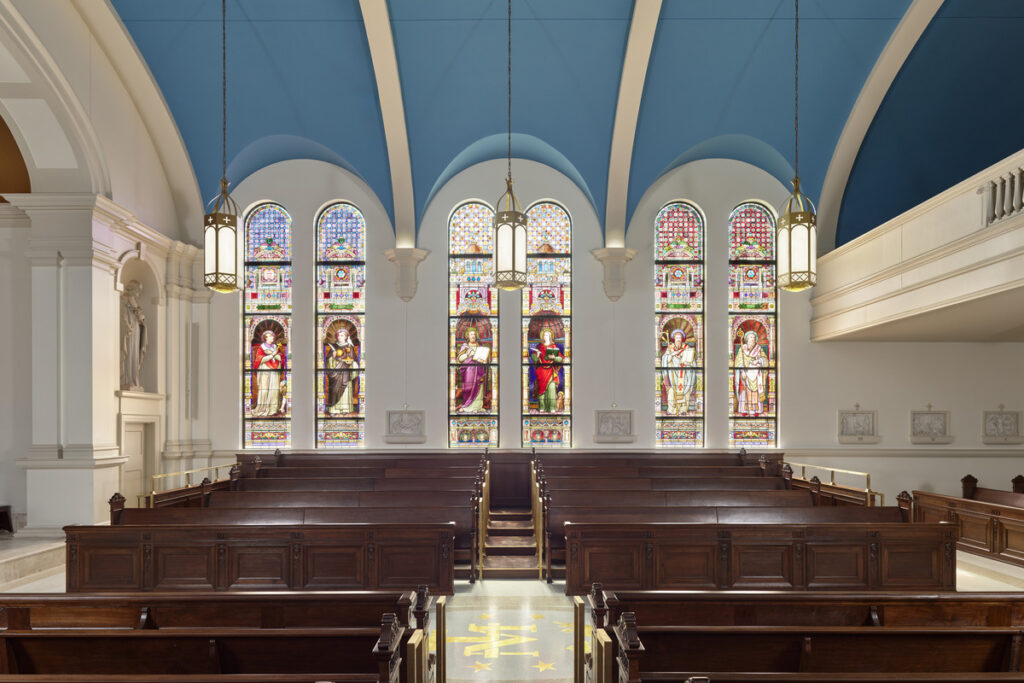
Ambler chapel at historic Pa. seminary wins international architecture award
Immaculate Conception Chapel at St. Charles Borromeo Seminary is one of several historic, architecturally significant places honored by a Philadelphia-based nonprofit.
2 months ago
Listen 1:05Made in partnership with HBO, “The Gilded Age” recreates characters from the TV show and exhibits them in historic houses with ties to the actual Gilded Age. The exhibit has been to the Filoli historic house near San Francisco, California, and will next travel to the Greystone Mansion in Beverley Hills.
“Of course, Lynnewood Hall kept popping up as this extraordinary building, the second largest Gilded Age mansion in North America,” Marshall said. “I was very aware that it had been closed to the public for 84 years. That it was in a very decrepit state.”
Marshall had to determine that the building could be made accessible and safe for the florists and the public.
“Once we dotted those I’s and crossed those T’s, we understood that yes, we could host a show here, and it helps Lynnewood Hall expedite a lot of their capital projects,” she said. “It put the pedal to the metal, so to speak, and got them to do things a little bit quicker than they perhaps had anticipated.”
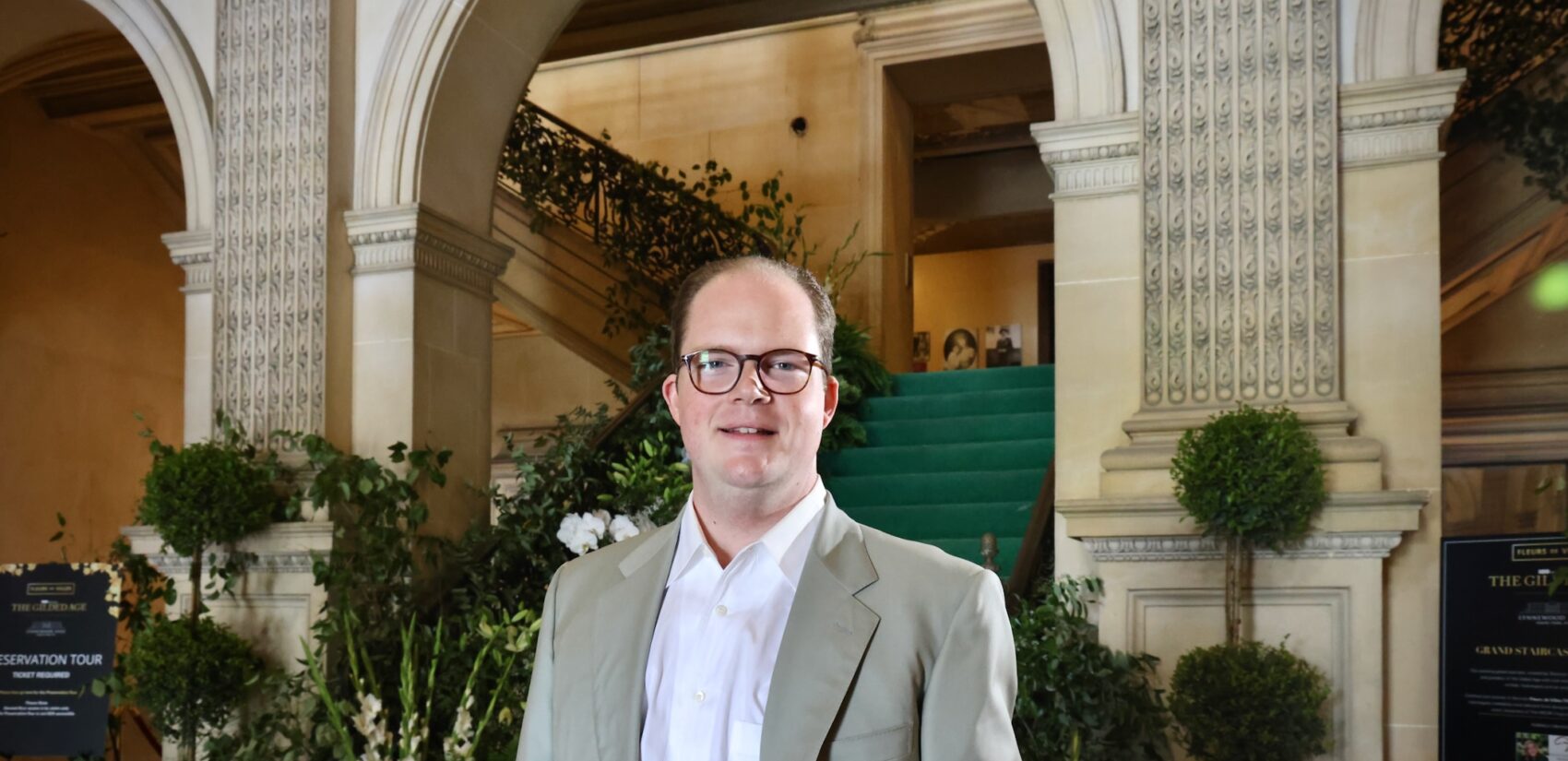
The full restoration plan for Lynnewood, which includes the surrounding formal gardens that were left to ruin for 30 years, is on a 20-year timeline, according to Thome. But the public will not have to wait that long to witness the faded glory of the house.
“We’re finally at the point where we can open the doors and welcome the public in for different events,” Thome said. “Season 2027 is going to be insane. We have some very, very cool events cooking for next year.”
“The Gilded Age” will be on view at Lynnewood Hall every day through Oct. 4.

Saturdays just got more interesting.
WHYY is your source for fact-based, in-depth journalism and information. As a nonprofit organization, we rely on financial support from readers like you. Please give today.
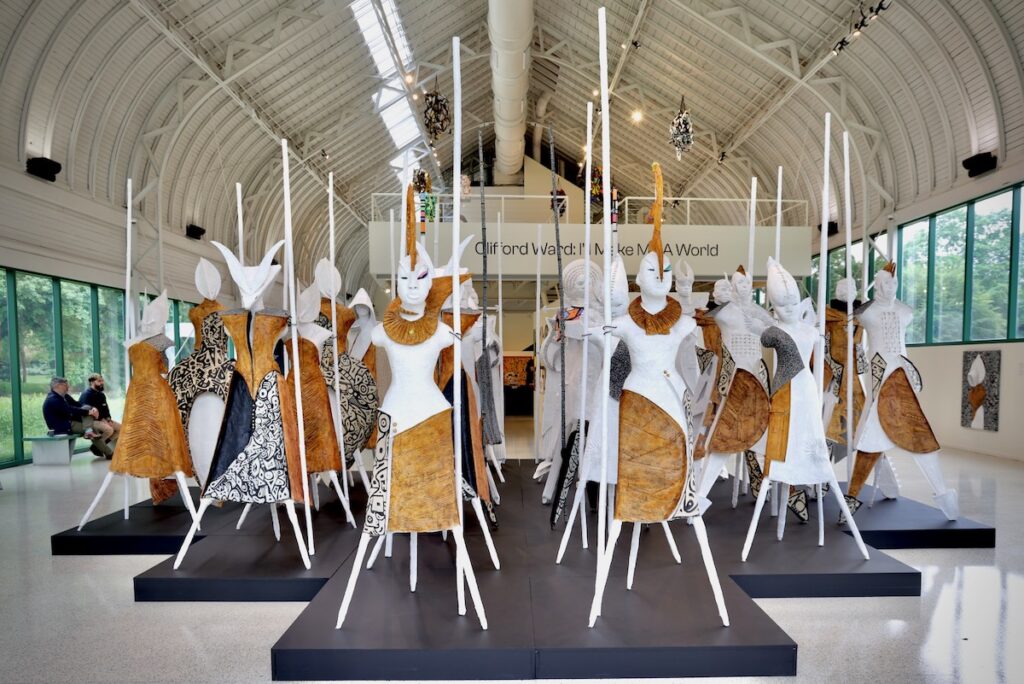
Seward Johnson established his atelier in 1974 to give artists greater involvement in the technical production of their work.
1 year ago
Listen 1:21
Temple University’s new exhibitions director wants to reimagine public art spaces
“I really ask a lot of questions around place, taste and urban change and whose tastes and cultural identities get to shape public space,” Matthew Jordan-Miller Kenyatta said.
2 years ago
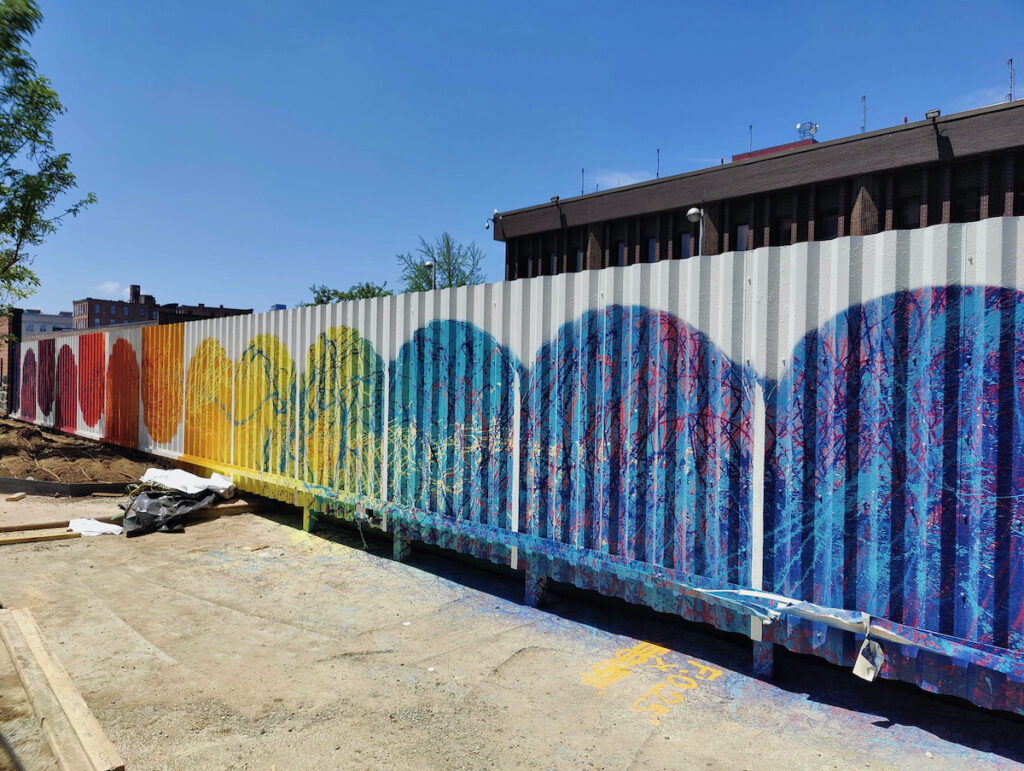
An artist is using sprinklers to paint the walls of a massive Spring Garden apartment complex
Doug Hoekzema, also known as HOXXOH, shoots color using off-the-shelf lawn care equipment.
2 years ago
Listen 1:15