

Philadelphia-area heating costs could rise 9% this winter, but not for everyone
As Americans struggle to afford rising utility bills, many are forced to choose among paying for energy, food and medical care.
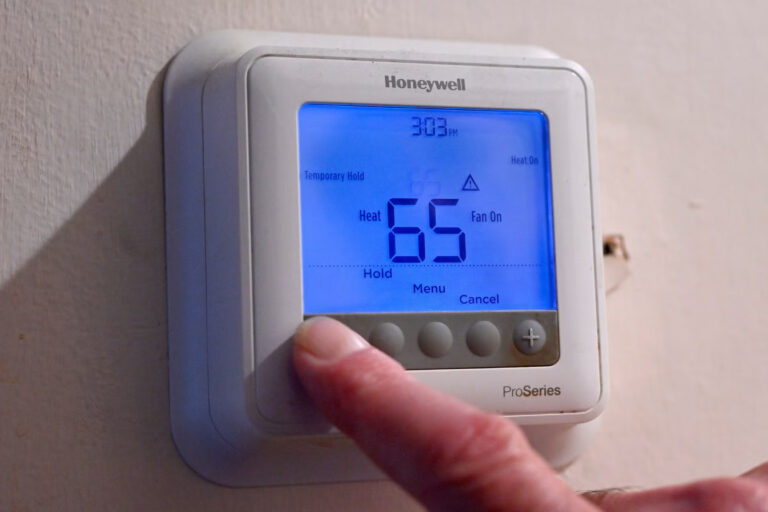
Mark Bain, who is part of the Low Income Home Energy Assistance Program, sets his thermostat to 65 degrees at his Connecticut home. (AP Photo/Jessica Hill)
From Philly and the Pa. suburbs to South Jersey and Delaware, what would you like WHYY News to cover? Let us know!
After a scorching summer of cranked-up air conditioners and high electricity bills, Philadelphia-area ratepayers face the prospect of another financial hit this winter. Heating costs are projected to rise nearly 9% from last year, according to the National Energy Assistance Directors Association.
The expected increase comes amid an ongoing affordability crisis, with many households already struggling to pay their utility bills. About 400,000 Pennsylvania households experienced utility shutoffs in 2025, according to the Pennsylvania Public Utility Commission, a nearly 14% increase from the previous year.
“People are having trouble balancing how to pay their electric bill when they also have to pay for medical care and food,” said Charlotte Edelstein, a lawyer at Community Legal Services of Philadelphia.
Household spending on heating oil is projected to rise 21% this winter, more than spending on any other major heating fuel, according to the U.S. Energy Information Administration. Although only 3% of U.S. households use oil as their main heating fuel, 82% of those homes are in the Northeast.
Rising electricity costs are also expected to drive up winter utility bills, particularly in the Philadelphia region, said Sanya Carley, a professor of energy policy and city planning at the University of Pennsylvania. Electricity is the second-most commonly used type of heating fuel in the Northeast, after natural gas.
Demand for electricity is growing rapidly across the country, particularly in the 13-state region served by PJM Interconnection, which includes Pennsylvania, New Jersey and Delaware.
As more infrastructure is added to the power grid, and the need for electricity grows, utilities must upgrade and expand to accommodate it. Those investments can drive up costs for consumers. Homes relying on electricity for heating fuel are projected to see a 3% increase in their utility bill.
Related Content
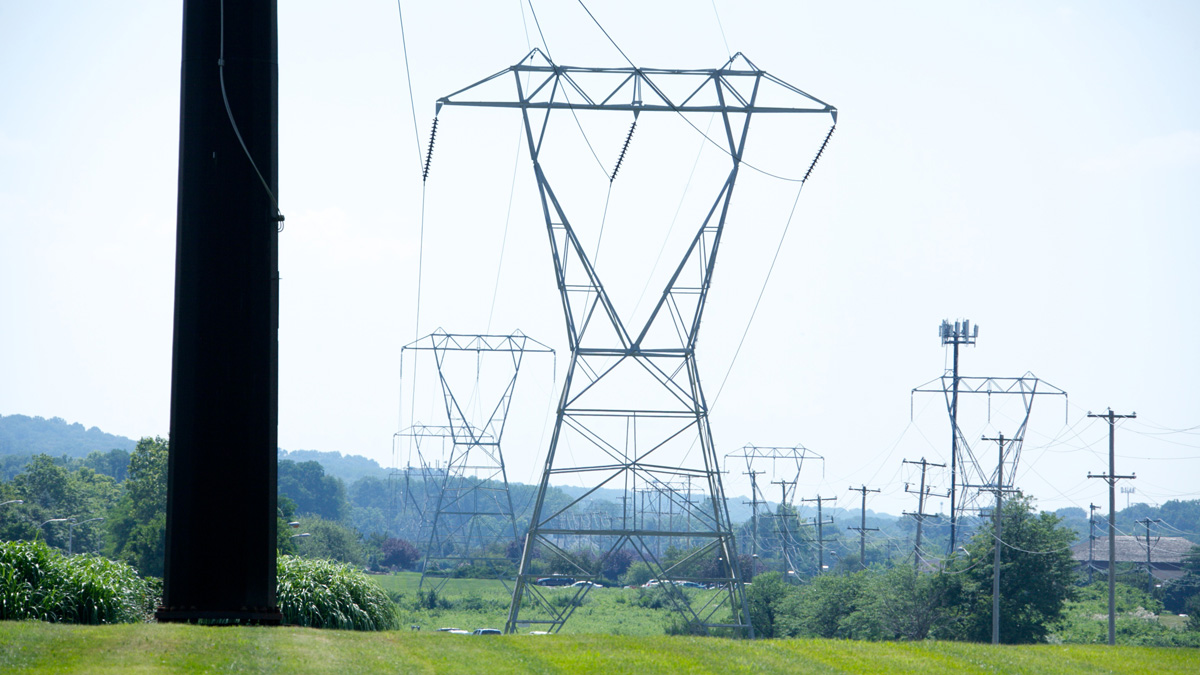
The state’s utility commission unanimously approved two motions aiming to tackle affordability.
1 month ago
Listen 1:19For households already struggling, even the smallest increase can be financially challenging and emotionally taxing.
“It’s really overwhelming and stressful,” Edelstein said. “When someone is getting a shutoff notice or struggling with their bill, it’s unlikely that is the only issue they’re dealing with. They’re trying to go to work, get medical treatment or take care of their kids.”
Utility shutoff also poses health and safety risks. Seventeen percent of low-income households have reported forgoing food or health care to pay their utility bills. Carley said families struggling with heating costs may turn to potentially dangerous alternatives, such as running space heaters, burning trash indoors or using ovens to heat their homes. These techniques can increase the risk of house fires and indoor air pollution. Those most at risk of utility disconnection are also often the most vulnerable to the health effects of inadequate heating, including young children, older adults and people with disabilities.
The projected increase in heating costs does not mean everyone will pay more this winter. Households that use natural gas and propane as their primary heating fuel may actually see utility costs go down, and temperatures this winter are expected to be milder compared to last year, which may lessen the amount of energy consumers use.
Still, Edelstein said it is important for people to know what resources are available if they cannot pay their energy bill. She points to programs like the Low Income Home Energy Assistance Program and the PECO Customer Assistance Program, which she said should be the first steps for people who are struggling. Starting Dec. 1, Pennsylvania’s winter moratorium also protects qualifying households with incomes at or below 250% of the federal poverty level from utility shutoffs.
In addition to providing more safeguards and disconnection protections for homes, Carley said it is crucial for leaders and policymakers to develop strategies that will make utilities more affordable in the long run.
“We need to address it at the macro scale, thinking about our electricity grids and how we bring down the price of electricity going forward,” Carley said. “That involves the coordination of a lot of actors within the electricity sector.”

Get daily updates from WHYY News!
WHYY is your source for fact-based, in-depth journalism and information. As a nonprofit organization, we rely on financial support from readers like you. Please give today.
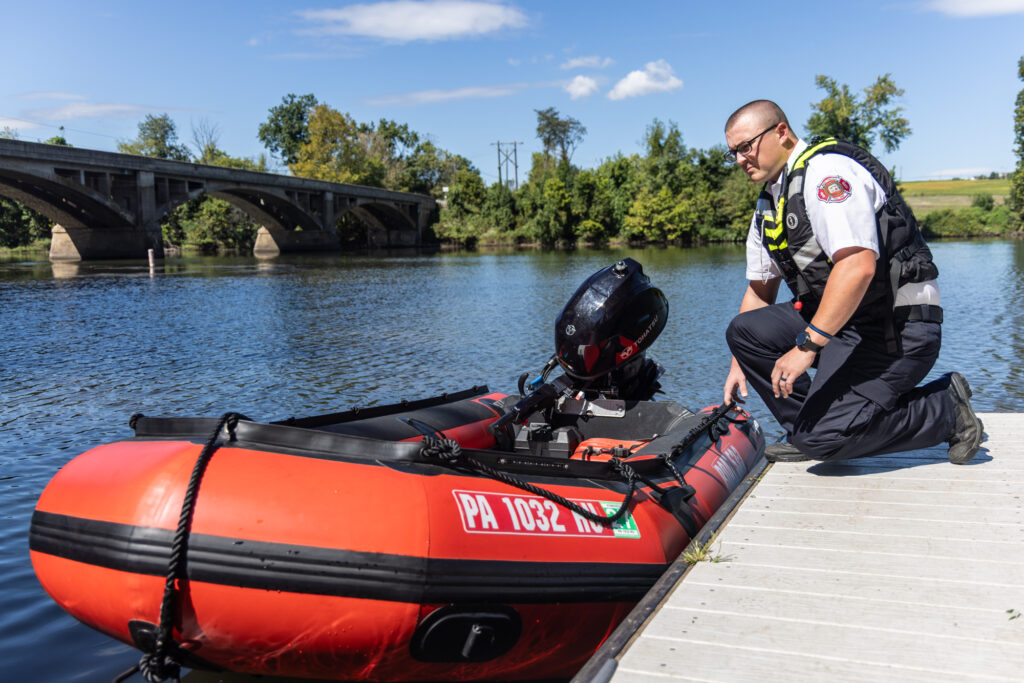
In Coatesville, firefighters once stripped down to their shirts and shorts for water rescues. Now, they have dry suits in their lockers.
1 week ago
Listen 5:46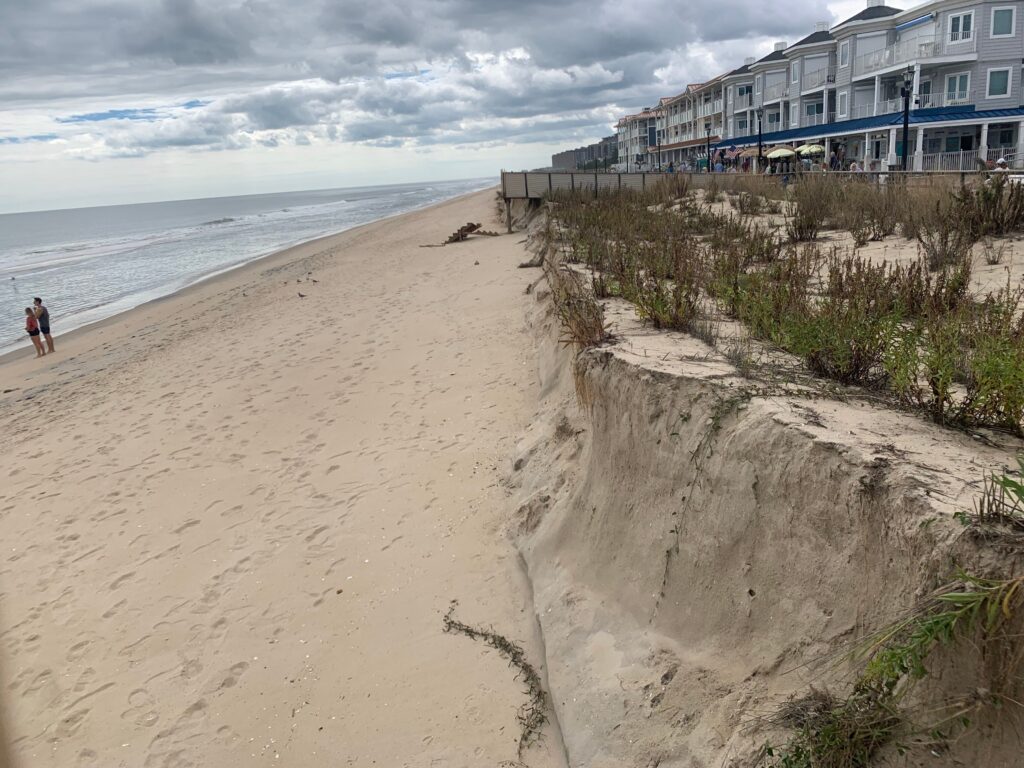
Some beaches saw significant dune loss following the recent nor’easter. However, regular nourishment projects are almost fully federally funded.
2 weeks ago
Listen 1:06
1 more sizzling hot day for the eastern U.S. before temperatures plunge 30 degrees
An air mass drawing on cool ocean waters will send temperatures plummeting by the end of the week in Philly, which hit a record high of 101 degrees Fahrenheit on Tuesday.
1 year ago