

Pa. wants homeowners to ditch their lawns for meadows — starting with free native plant kits
Unlike lawns, which have short roots, meadows soak up water and prevent stormwater pollution.
Listen 1:12
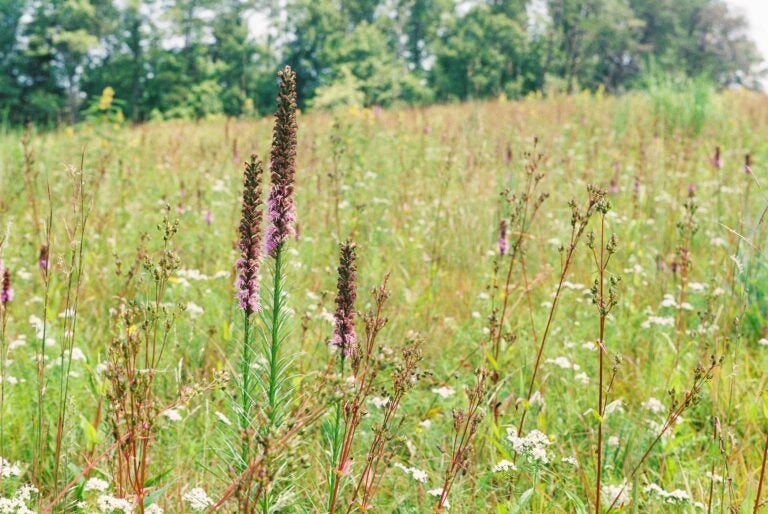
A total of 300 kits will contain seed mixes for tall native grasses and wildflowers. (Courtesy of the Pennsylvania Department of Conversation and Natural Resources)
This story is part of the WHYY News Climate Desk, bringing you news and solutions for our changing region.
From the Poconos to the Jersey Shore to the mouth of the Delaware Bay, what do you want to know about climate change? What would you like us to cover? Get in touch.
Perfectly manicured green lawns have been ingrained in landscape culture in the U.S. since its founding. But grass yards can contribute to runoff pollution and reduce natural habitat for pollinators and birds.
There’s an effort in Pennsylvania to encourage homeowners to convert their lawns into meadows by planting native plants that soak up stormwater and attract wildlife.
The state’s Department of Conservation and Natural Resources is offering new “Pocket Meadow Kits” for Pennsylvania residents who want to convert their yards.
“Pocket Meadow Kits give residents a simple and accessible way to transform small areas of lawn into thriving native habitat that supports pollinators, improves stormwater absorption, and strengthens biodiversity in communities across Pennsylvania,” said DCNR Secretary Cindy Adams Dunn in a statement. “DCNR is proud to offer this free resource so more people can explore native planting and take meaningful steps toward creating healthier landscapes at home.”
Since 2020, DCNR has provided funding for residents and businesses who want to convert their lawns to meadows. However, the program has focused on properties of at least half an acre.
The agency wants to increase its reach to homeowners with smaller properties, said Kelsey Mummert, the Lawn to Habitat program coordinator with the Bureau of Forestry.
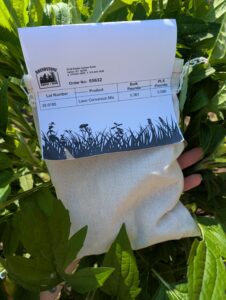
A total of 300 free kits will be distributed across Pennsylvania in mid-May. They will include seed mixes for tall native grasses and wildflowers, as well as educational resources that teach homeowners how to remove their lawns, plant seeds and maintain their meadows.
“There are a lot of people who are really interested in native plants, but they don’t really know where to start, or they don’t really have the means to do it,” Mummert said. “One of my goals with our Land to Habitat program, and especially with these kits, is to just normalize native plants and their place on the landscape, and to show people that ecological restoration is something that they can do. Everyone can participate in this.”
Related Content
Philadelphia Land Bank buys 35 garden lots, advancing land preservation plan
The lots were once tangled up with privately held tax liens. The Land Bank can now transfer them to gardeners and land trusts.
11 months ago
Listen 1:06These peaceful habitats with native grasses and wildflowers have a number of environmental benefits. Unlike turf grass, which has shallow root systems, meadow grasses have larger root systems, which Mummert said can absorb about 50% of rainwater on average.
Traditional lawns contain short, compacted grasses with short root systems that don’t promote water infiltration. These short root systems, compounded by regular mowing, contribute to greater stormwater runoff that impacts local waterways.
Meadows require less mowing, sequester carbon and also offer a greater diversity of native plants, attracting wildlife and pollinators.
“Whenever you look out at [lawns], it’s just this sea of green, and it’s this one plant that’s really short, there’s not a whole lot of texture, there’s not a whole lot of color,” Mummert said.
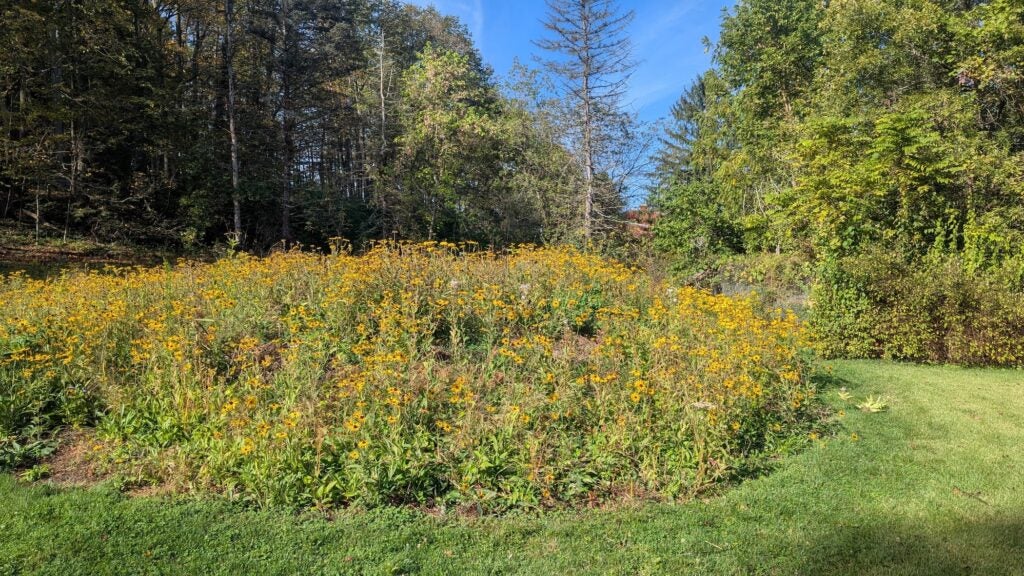
When homeowners convert their lawns into meadows, they can expect to see more color and greater texture and movement in their gardens, she said.
“There’s going to be these beautiful, waving grasses and there’s going to be plants that are in bloom,” Mummert said. “Ideally, you’ll see a lot of movement too, which I think is very visually appealing. Not just the grasses or the plants that are waving in the breeze, but hopefully you’ll see butterflies, insects and birds entering the meadows.”
Homeowners who participate in the program should expect to begin prepping their yards in July and begin their planting in the fall, when cooler temperatures and natural moisture support meadow growth.
Registration for the Pocket Meadow Kits in the eastern region of the state will open April 28 at 9 a.m. Registration for the central and western parts of the state remain open through May 1.

Get daily updates from WHYY News!
WHYY is your source for fact-based, in-depth journalism and information. As a nonprofit organization, we rely on financial support from readers like you. Please give today.
Part of the series

Remembering the ‘visionary’ author of Pennsylvania’s environmental rights amendment
Franklin Kury, who passed away last week, helped make Pennsylvania one of the first governments in the world to guarantee a healthy environment as a basic right.
1 week ago

2 workers injured at Camden’s troubled scrap metal facility
One worker sustained life-threatening injuries and was in “critical, but stable condition” Tuesday, a county spokesperson said.
1 month ago

Pennsylvania park officials drop campground plans for Big Elk Creek State Park
DCNR officials say they’re focused on ecological restoration for Big Elk Creek State Park.
3 years ago
Listen 1:11