

A West Chester man’s Lynch syndrome discovery led to a colon cancer diagnosis. He now advocates for genetic testing
Dennis Massimo’s genetic diagnosis and cancer treatment plan was coordinated at the new King Center for Lynch Syndrome at Penn Medicine.
Listen 1:44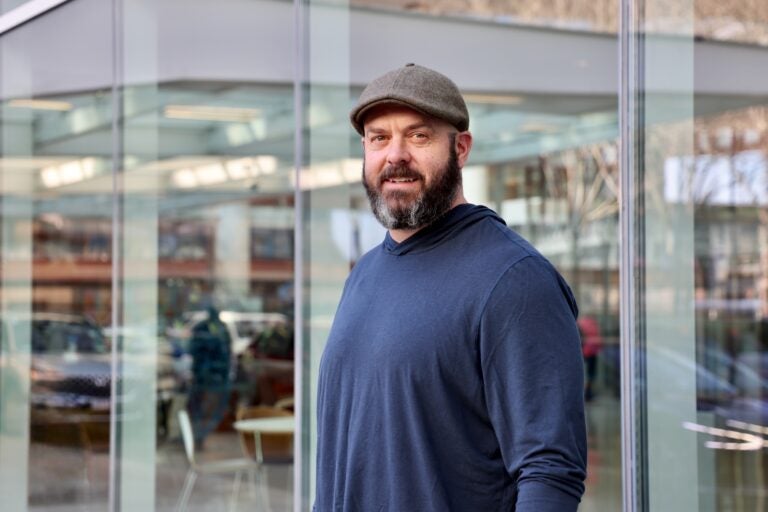
Dennis Massimo, 43, visits the Penn Medicine campus in Philadelphia for a symposium on Lynch syndrome. (Emma Lee/WHYY)
From Philly and the Pa. suburbs to South Jersey and Delaware, what would you like WHYY News to cover? Let us know!
For months, Dennis Massimo kept getting calls from the same number, but it wasn’t one he recognized. Figuring it was some kind of scam or spoof, he ignored it.
That was until one Monday morning last April when his phone rang, again, with the same number while he was at his construction job near West Chester, Pennsylvania.
“Finally, almost angrily, I picked up the phone and said, like, ‘What do you want?’” Massino said. “And the person on the other end of the line said, ‘I have some information for you. I have a test result to give to you, don’t hang up.’”
Researchers at the Penn Medicine BioBank in Philadelphia had just tested Massimo’s blood, which had been taken in 2016 during a tonsillectomy and stored for scientific study, with his permission.
Now, nearly 10 years later, health providers were calling to tell him that his blood had tested positive for a specific type of Lynch syndrome, which is a group of inherited genetic disorders that puts people significantly more at risk of developing colorectal, uterine and other cancers.
That discovery then led to a surprising cancer diagnosis and successful treatment. Now, Massimo, 43, has become an advocate for Lynch syndrome awareness and a supporter of the new King Center for Lynch Syndrome at Penn Medicine, which aims to expand patient care, outreach, education and research into the condition.
“I wish more people would get that phone call and somehow get as lucky as I did to follow up with the steps,” Massimo said.
Related Content

Colorectal cancer is rising in younger adults. Here’s who is most at risk and symptoms to watch for
The deaths of “Dawson’s Creek” actor James Van Der Beek at 48 this week, and a few years ago, “Black Panther” star Chadwick Boseman at 43, highlight risks for younger adults.
4 weeks ago
When inherited genes increase risks for cancer
The average person has genes that act as a “mismatch repair system” and fix small errors in our DNA that occur on a daily basis. But these genes are impaired in people with Lynch syndrome, said Dr. Bryson Katona, a gastroenterologist who specializes in cancer genetics and executive director of the new center.
When errors accumulate at certain spots in the DNA, it can lead to cancer, he said. Lynch syndrome is usually passed down from parent to child.
There are five subtypes of the syndrome, and each puts people at varying levels of higher risk for specific kinds of cancer. For example, someone with a mutation in the MSH2 gene could be as much as 52% likely to develop colon cancer in their lifetime, compared to 4% in the general population, according to national data.
Lynch syndrome was thought to be rare a few decades ago, Katona said. Today, researchers estimate that about one in 279 people have the condition. Still, most people are unaware until they or someone in their family seeks out genetic testing.
“It’s amazing how many people I see that, you know, still say they talk to their doctor about Lynch syndrome and it seems like people don’t really, even amongst the medical community, don’t really know much about it,” Katona said.
It’s a lost opportunity, he said, because once Lynch syndrome is identified, people are eligible for regular intensive cancer screenings at young ages.
The new King Center was launched with a $10 million donation from Cynthia King, her late husband Jeffery King, who had Lynch syndrome, their daughter Julie Borrelli, who also has Lynch, and her husband, Jason. The center is meant to be a one-stop shop for patients to meet with specialists from multiple areas of medicine and develop long-term preventative health care plans.
The goal is to catch disease as early as possible and avoid prolonged treatment, Katona said.
“But then also if somebody tests negative for Lynch syndrome, then they don’t have to go through all of that in intensive screening,” he said. “So, it’s beneficial on both sides of the coin there.”
Related Content
Specialized urgent care for cancer patients is becoming more accessible in Philly
As cancer treatment evolves, health systems are adapting by providing oncology urgent care clinics to patients.
4 months ago
Listen 1:57Lynch syndrome diagnosis leads to a cancer discovery
After Penn researchers called Dennis Massimo, they emailed him the test results, which showed that he had a MSH2 mutation. It put him at a significantly higher risk for developing colon, gastric, prostate and other cancers.
He was still skeptical, but after consulting his sister, who works in health care, and then a gastroenterologist, he booked a screening colonoscopy.
He didn’t have many expectations. After all, he’d been fairly healthy his whole life. At 42, he was running about four miles a day, going to the gym before work and keeping up with his young kids.
“And the colonoscopy wasn’t easy to get at first, but I had this piece of paper in my hand that said I had this mutation and the mutation was Lynch syndrome,” Massimo said.
He had his appointment last May, about a month after getting the call about Lynch syndrome.
“And basically, when I woke up from the colonoscopy, I knew something was wrong,” he said. “The doctor walked in who gave me the colonoscopy and just gave me the news that she found a mass tumor growing in my colon.”
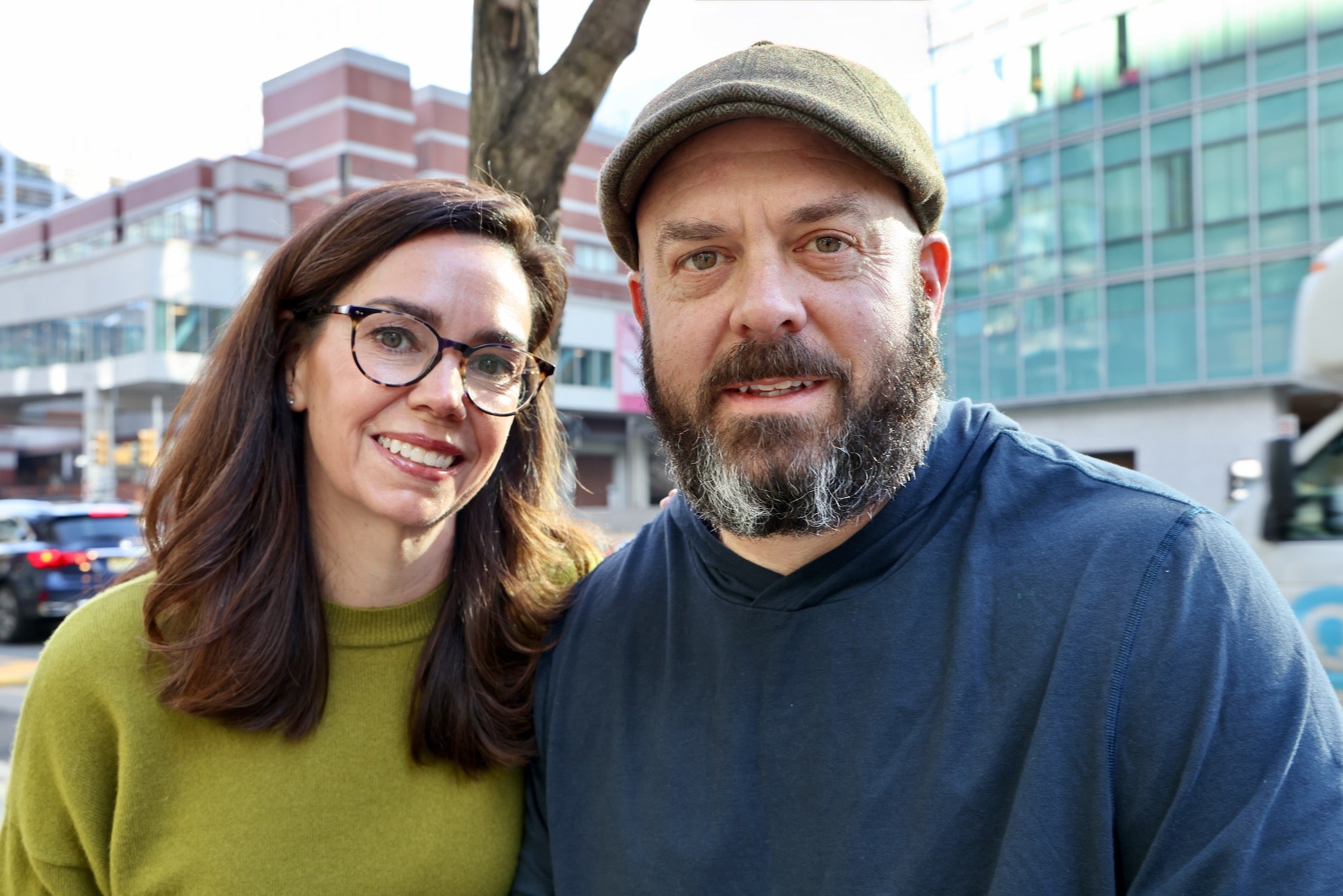
Shock quickly set in. He had experienced no typical signs or symptoms of colon cancer, Massimo said.
“It was a definitely life-changing moment I’ll never forget,” he said.
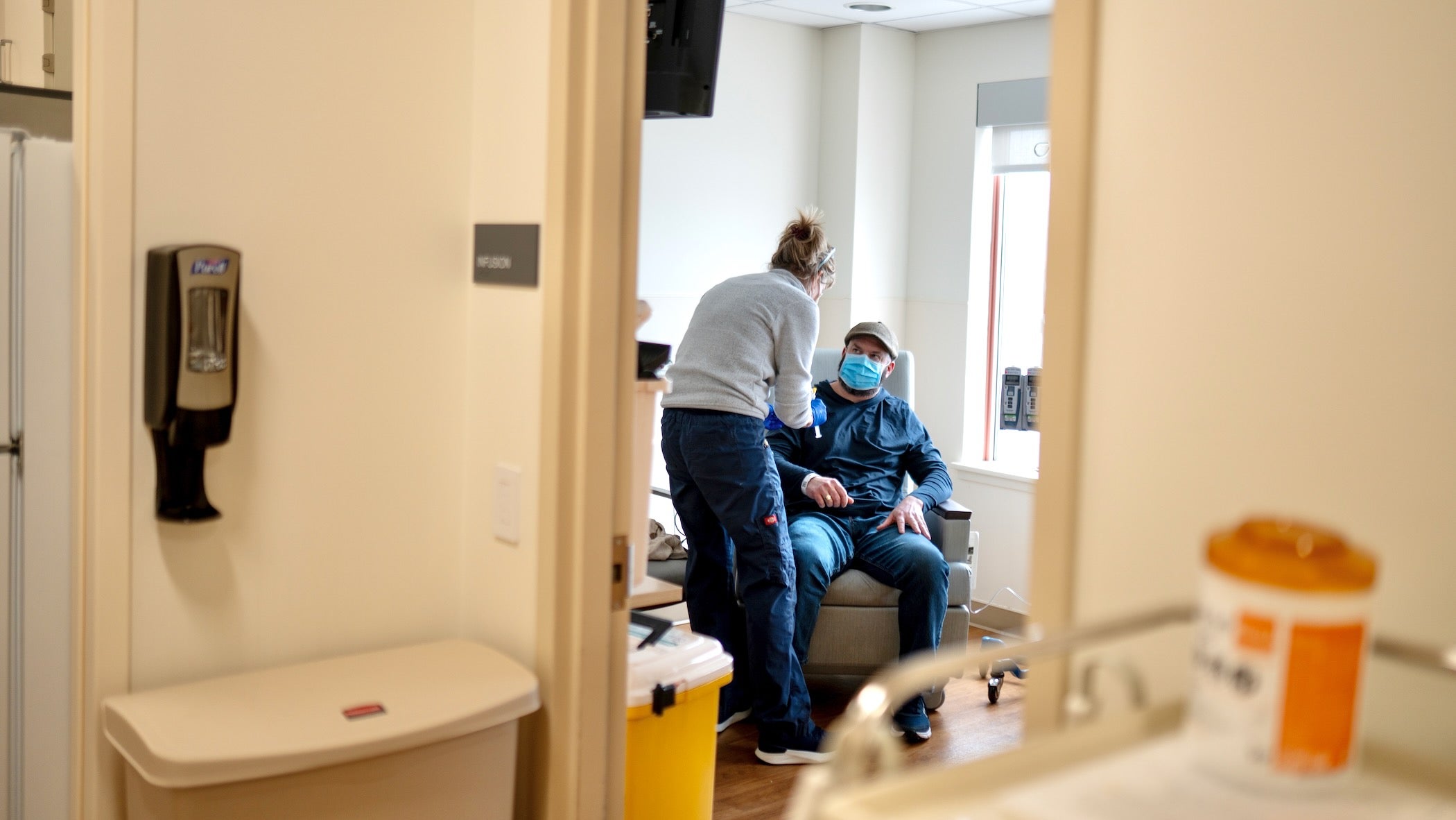
Things moved quickly from there. He had surgery to remove part of his colon in June, which confirmed a stage 3 diagnosis, and he got his first round of chemotherapy in July. By early 2026, Massimo’s scans were clear and he started immunotherapy, which can be highly effective against cancers related to Lynch syndrome.
“I feel absolutely amazing,” he said recently. “I feel better than I did last year, obviously, because I don’t have cancer anymore and I didn’t even know it. I just feel absolutely amazing and every day, a little bit better.”
During treatment, his parents, aunts and uncles got tested for Lynch syndrome, which would determine if all their adult children would then need to be tested. They were negative for the condition.
Doctors and researchers determined that Massimo had a de novo case, which is when Lynch syndrome spontaneously occurs and is not inherited. However, he and his wife will still need to monitor their children and guide them through the testing process once they’re old enough.
By then, Massimo said he hopes scientists and researchers at places like the King Center will discover more information about Lynch syndrome, narrow down who is most at risk of developing cancer and find new ways to prevent disease from developing.
“They’re too young to even understand or tell them about Lynch syndrome now, but I hope to God in 15 years that major breakthroughs happen,” he said. “And the way those people at the King Center are moving, I believe it’s going to happen.”

Get daily updates from WHYY News!
WHYY is your source for fact-based, in-depth journalism and information. As a nonprofit organization, we rely on financial support from readers like you. Please give today.
Colorectal cancer is rising in younger adults. Here’s who is most at risk and symptoms to watch for
The deaths of “Dawson’s Creek” actor James Van Der Beek at 48 this week, and a few years ago, “Black Panther” star Chadwick Boseman at 43, highlight risks for younger adults.
4 weeks ago
Specialized urgent care for cancer patients is becoming more accessible in Philly
As cancer treatment evolves, health systems are adapting by providing oncology urgent care clinics to patients.
4 months ago
Listen 1:57
Breast cancer breakthrough – from new treatments to lingering challenges
National Breast Cancer Awareness Month started back in 1985. In the 40 years since then, there’s been a ton of progress. Some cutting edge research now comes out of Penn.
Air Date: October 21, 2025 12:00 pm
Listen 45:42