


A rare Keith Haring mural is close to making preservation history in Philly
The Point Breeze artwork remains where Haring painted it with students in 1987, making it his only surviving outdoor mural in the city.
Listen 1:10
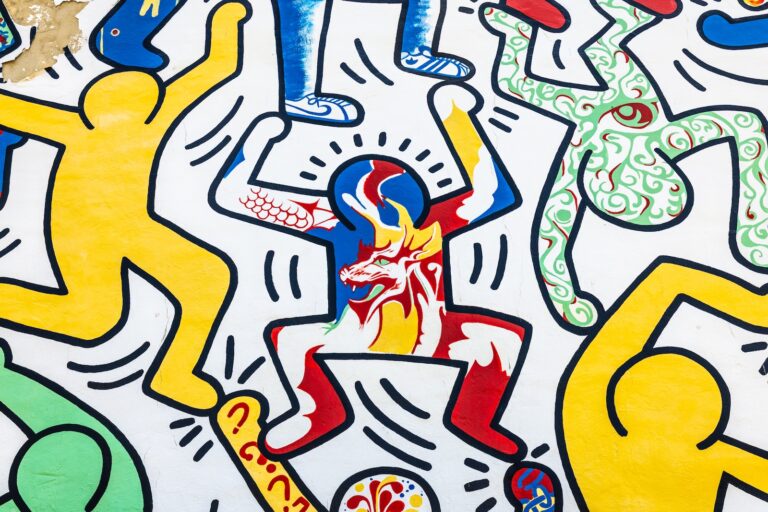
The ''We the Youth'' mural by artist Keith Haring in South Philadelphia’s Point Breeze neighborhood. (Kimberly Paynter/WHYY)
Have a question about Philly’s neighborhoods or the systems that shape them? PlanPhilly reporters want to hear from you! Ask us a question or send us a story idea you think we should cover.
A rare Keith Haring mural in Point Breeze is one step away from becoming a city landmark — and making a bit of Philadelphia history.
An advisory group of the Philadelphia Historical Commission unanimously approved the underlying nomination during a meeting Wednesday. If the nomination receives final approval next month, it would mark the first time that an outdoor mural in the city was historically designated.
The move would mean the pop art mural would be largely protected from demolition, a status for which nearby neighbors and experts expressed passionate support.
“Murals are not really meant to move,” said Jane Golden, founder of Mural Arts Philadelphia, which stewards the artwork. “They’re related to the place where they are created, and this gives them incredible resonance and meaning to the community that surrounds them.”
“Moving it would not simply mean moving a painting from one location to another, but it would be severing the physical connection between the artwork and the history that gives it so much meaning,” she added.
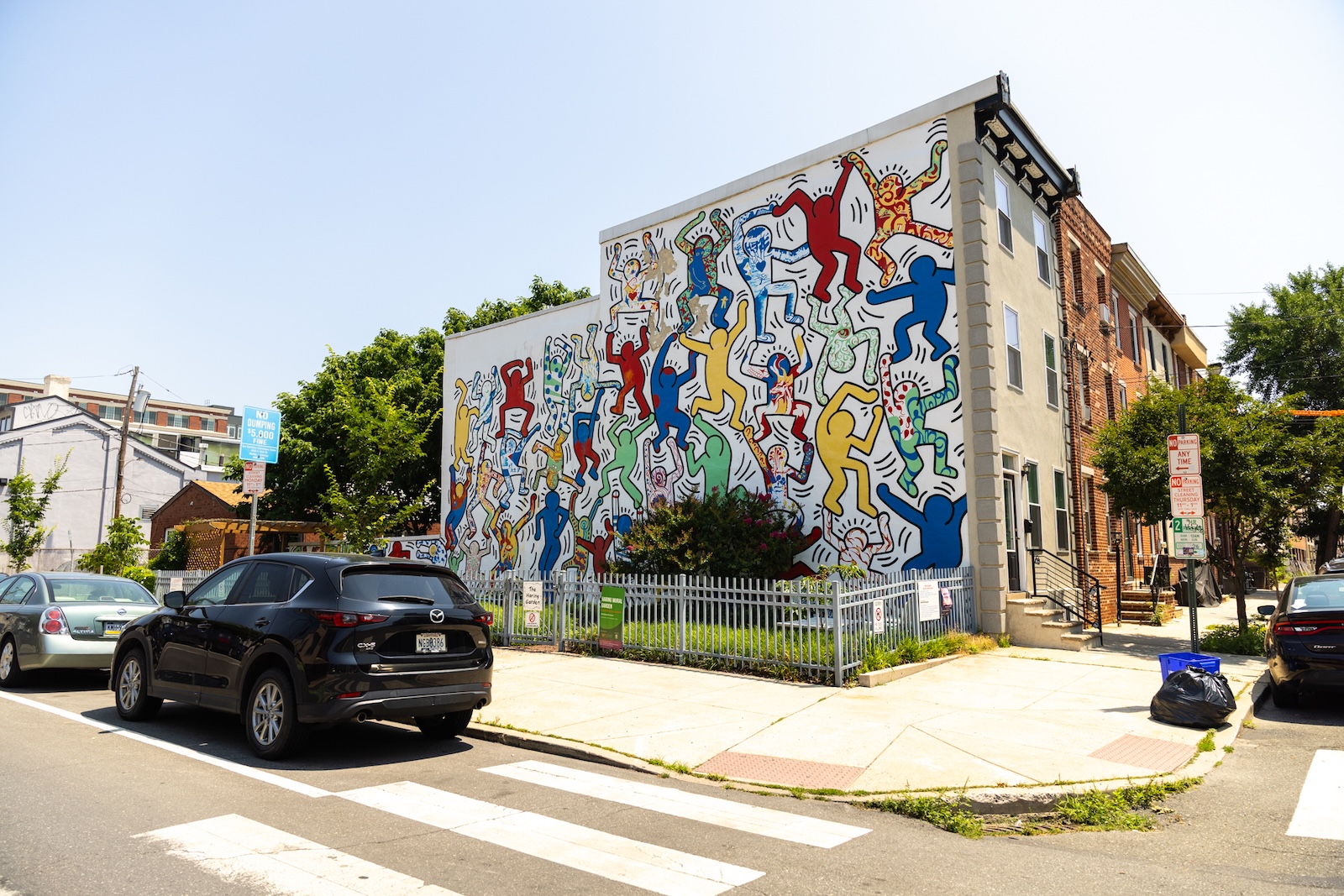
- The ”We the Youth” mural by artist Keith Haring, installed in 1987, as seen from 22nd and Ellsworth streets in South Philadelphia’s Point Breeze neighborhood. (Kimberly Paynter/WHYY)
The mural, “We the Youth,” was created in 1987 with the help of students from New York and Philadelphia. It covers an exposed party wall at 2147 Ellsworth St. and overlooks a permanent community garden dedicated to the late artist, who was born and raised in Pennsylvania.
The vibrant design, which features a colorful array of Haring’s signature dancing figures, is one of 70 murals Haring completed during his lifetime. Only four of them were outdoor murals and “We the Youth” is the only one that remains in its original location.
For that reason, and others, the commission’s Committee on Historic Designation approved the nomination Wednesday, recommending that the full historical commission approve it during its next meeting in October.
“Designation is important to ensure that the mural is carefully studied and preserved. I can’t see how it couldn’t help in that process,” said committee member Elizabeth Milory, professor emerita of art history at Drexel University.
Related Content
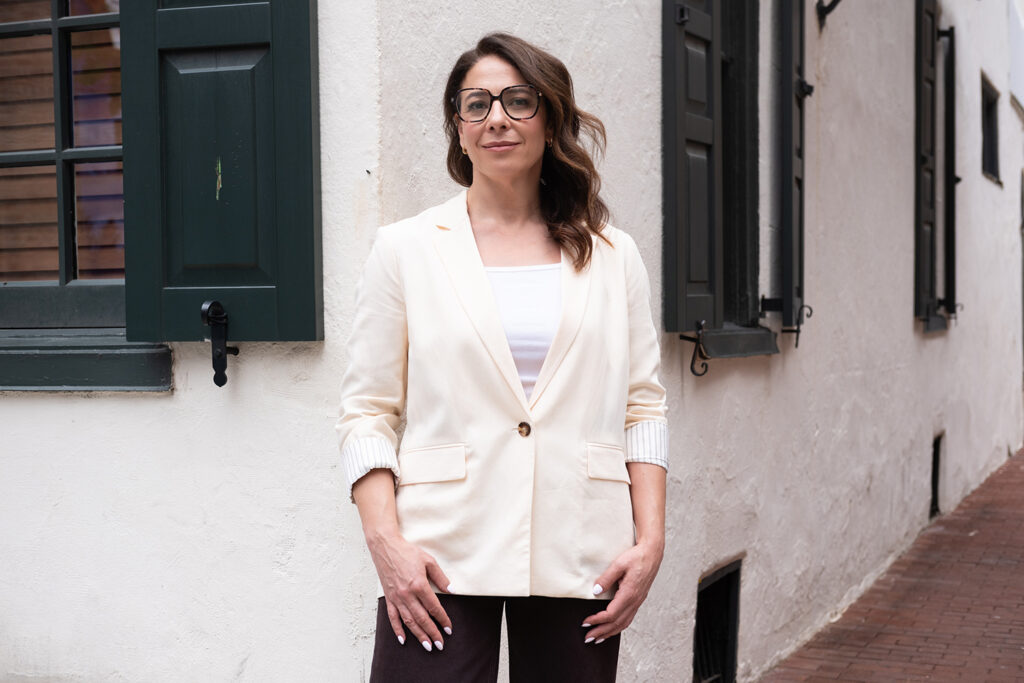
Mural Arts Philadelphia’s new leader is Emily Mello, succeeding Jane Golden
Mello has been an arts education leader at several museums. This will be her first job in Philadelphia.
2 months ago
Listen 1:16Future of the mural remains uncertain
While the historical commission often approves nominations recommended by the committee, there is no consensus among preservationists on whether murals should be included on the Philadelphia Register of Historic Places.
Less than a handful of murals, including Maxfield Parrish’s “Dream Garden” mosaic at the Curtis Center, are currently part of the register.
Ori Feibush, part owner of the rowhouse containing the mural, added to the uncertainty Wednesday by raising grave concerns about the condition of the mural and the ability to preserve it, which would fall to the Neighborhood Gardens Trust, which owns the garden plot, and the owner of the rowhouse the mural is painted on.
Feibush told the committee that the mural, which was painted directly onto the plaster of the party wall, has partially separated from the underlying brick, putting the artwork in a perilous state. The wall itself also has cracks that are exacerbating the condition of the mural. As a result, preserving the mural would likely require some interior demolition of 2149 Ellsworth so the wall can be stabilized.
“There is no engineering feat or effort here, no matter how much money is thrown at it, to ultimately preserve this mural at this location,” Feibush said.
He added that while he very much supports the mural’s preservation, historical designation would “doom” the artwork.
Committee members and others, however, aren’t convinced the mural can’t be preserved in place the way other outdoor murals have been. What’s more, the physical condition of the building or object being nominated does not prevent the historical commission from designating it.
“The city has the latitude to designate ruins,” said Emily Cooperman, who chairs the committee and sits on the historical commission.
The condition of the wall and the mural painted on it will likely be discussed in more detail during the commission’s meeting in October. Wednesday’s vote was more narrowly focused on whether the mural was worthy of historic designation.
Speaker after speaker strongly agreed that it was, in part, because of Haring’s notoriety as an artist.
Haring rose to prominence through New York City’s downtown art and graffiti scenes of the 1980s, gaining notoriety by creating hundreds of spontaneous chalk drawings in subway stations. Drawn on matte black advertising panels, the ephemeral graffiti became a familiar sight for commuters, many of whom would stop to talk with Haring while he worked.
From there, he started doing larger works, including paintings, sculptures and installations. His art appeared in major international shows and on the cover of Vanity Fair.
He “frequently addressed political and social issues important to him through his work, including anti-apartheid activism, drug use, homosexuality, safe sex, and AIDS awareness,” according to the nomination.
“We the Youth” was created as part of Philadelphia’s bicentennial celebration of the U.S. Constitution. The title is a reference to the first three words of the document’s preamble.
“Nearly 40 years later, the mural remains at its original site, where it should stay,” Golden said. “This continuity is itself historically significant. And the ongoing threat of development and gentrification of the city — it is almost rare to find a mural that has been at the same site.”

Get daily updates from WHYY News!
WHYY is your source for fact-based, in-depth journalism and information. As a nonprofit organization, we rely on financial support from readers like you. Please give today.
Brought to you by PlanPhilly

PlanPhilly
In-depth, original reporting on housing, transportation, and development.
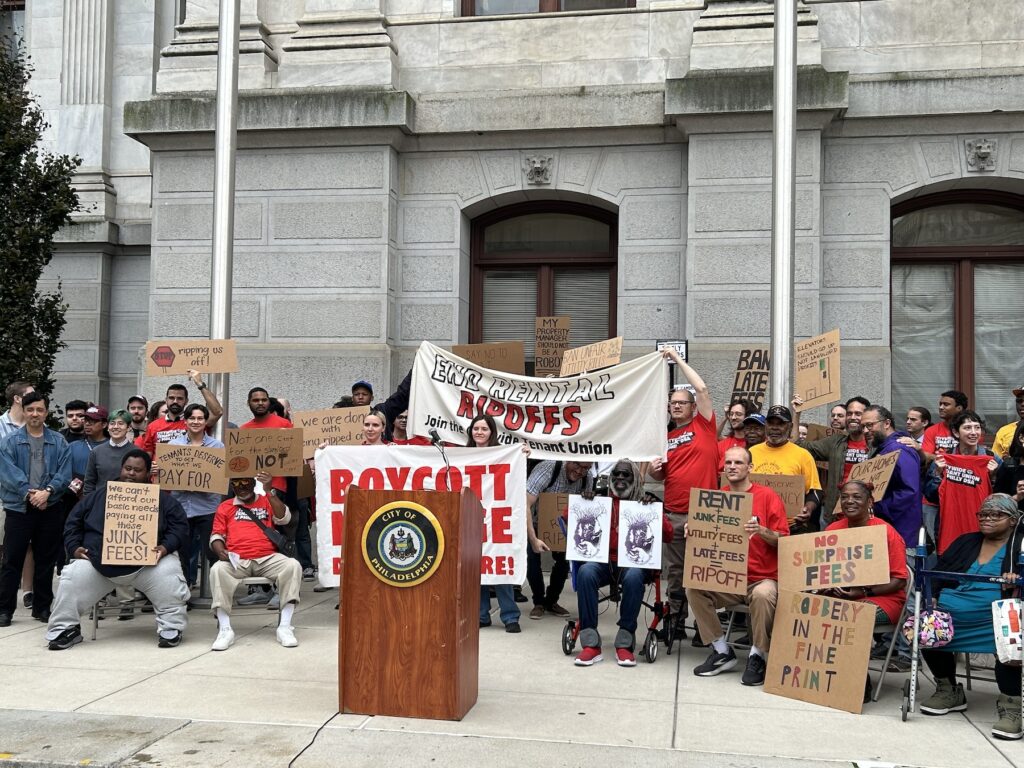
Philly tenants are waging a war against ‘junk’ fees. City Council may help
The fight is part of the “End Rental Ripoffs” campaign launched by members of a citywide tenant union. It’s unclear when legislation will be introduced.
6 days ago
Listen 0:56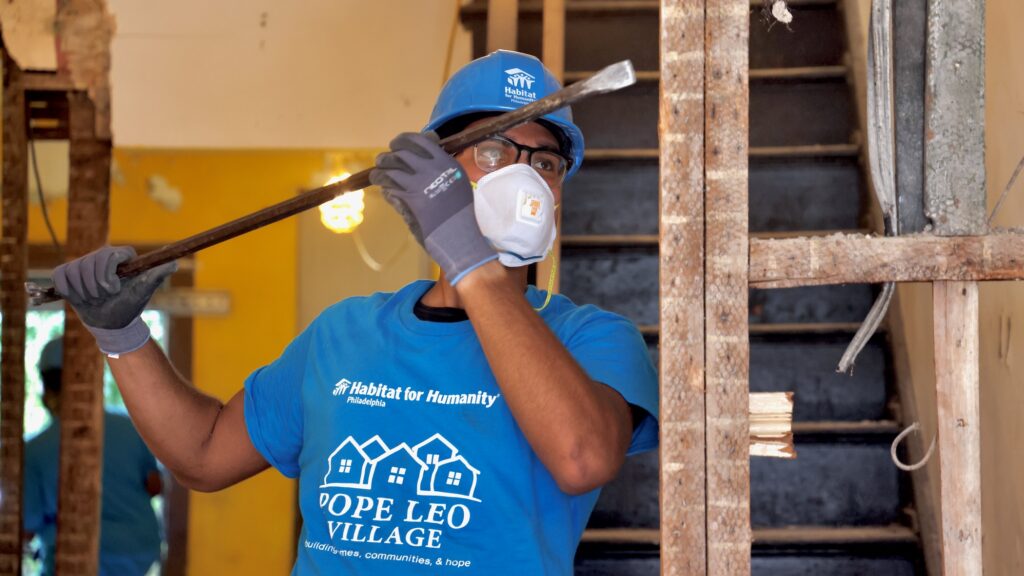
A day spent doing demolition work offers volunteers a firsthand look at Philadelphia’s housing challenges — and how communities respond to them.
6 days ago
Listen 3:08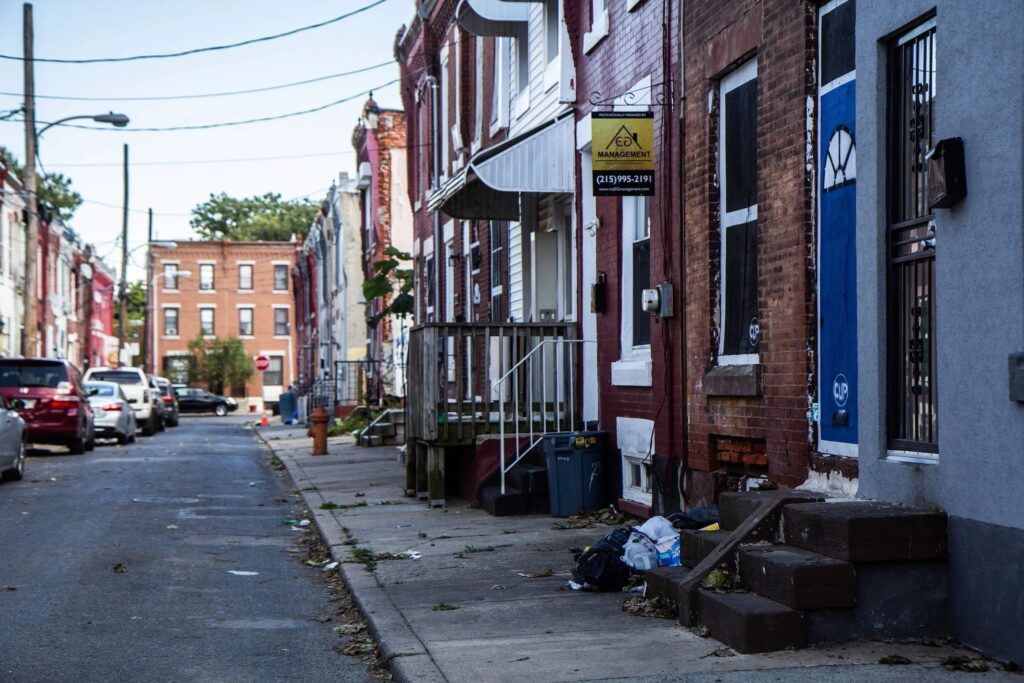
Philly could lose nearly 8,000 affordable rentals over the next decade. Here’s why
Amid a housing shortage, researchers say it’s unclear how many of these units will be preserved as affordable rentals. About 43,000 could vanish statewide.
6 days ago
Listen 0:59