

Children in homeless shelters mostly young, says new report
-
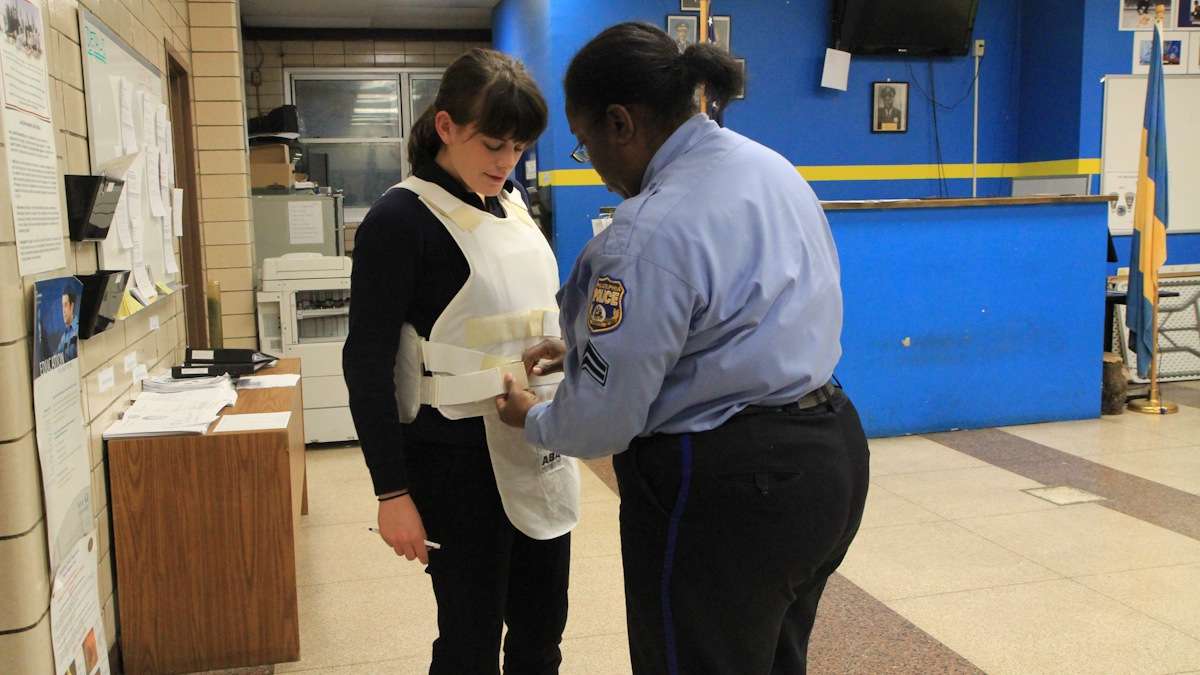
WHYY Urban Life Correspondent Elizabeth Fiedler straps on a bulletproof vest for her ride-along with police in South Philadelphia. (Kimberly Paynter/WHYY)
-
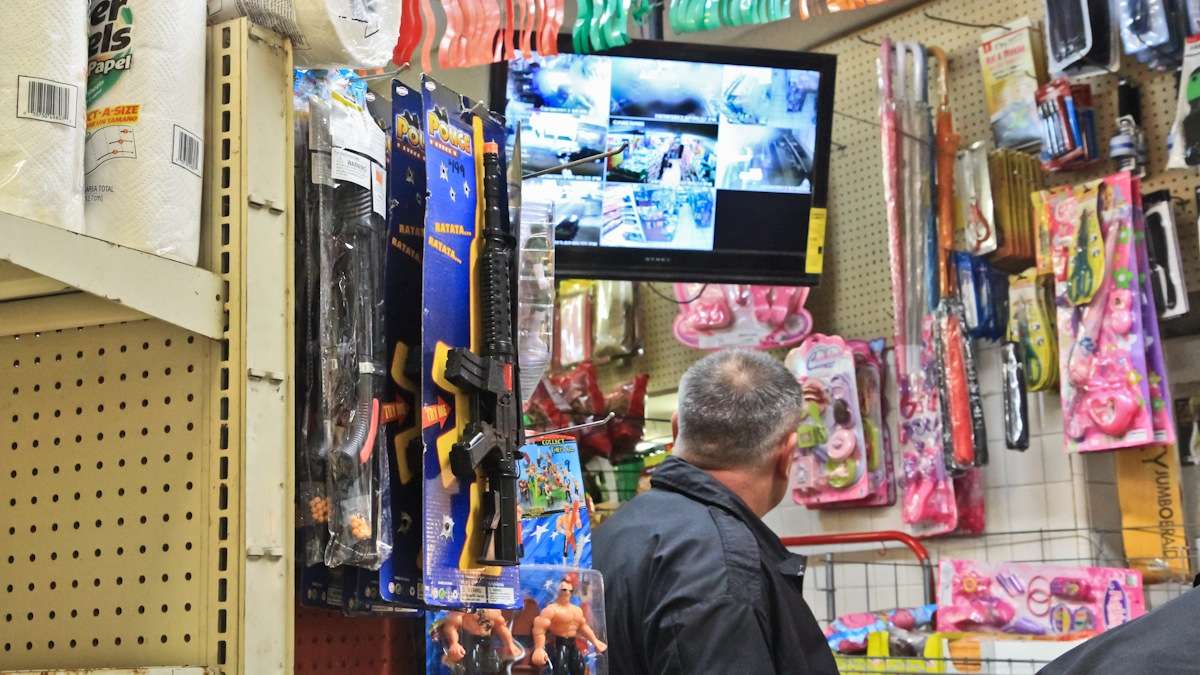
Officers and store owners review security footage at the Gonzalez Mini Mart to positively identify the suspect. (Kimberly Paynter/WHYY)
-
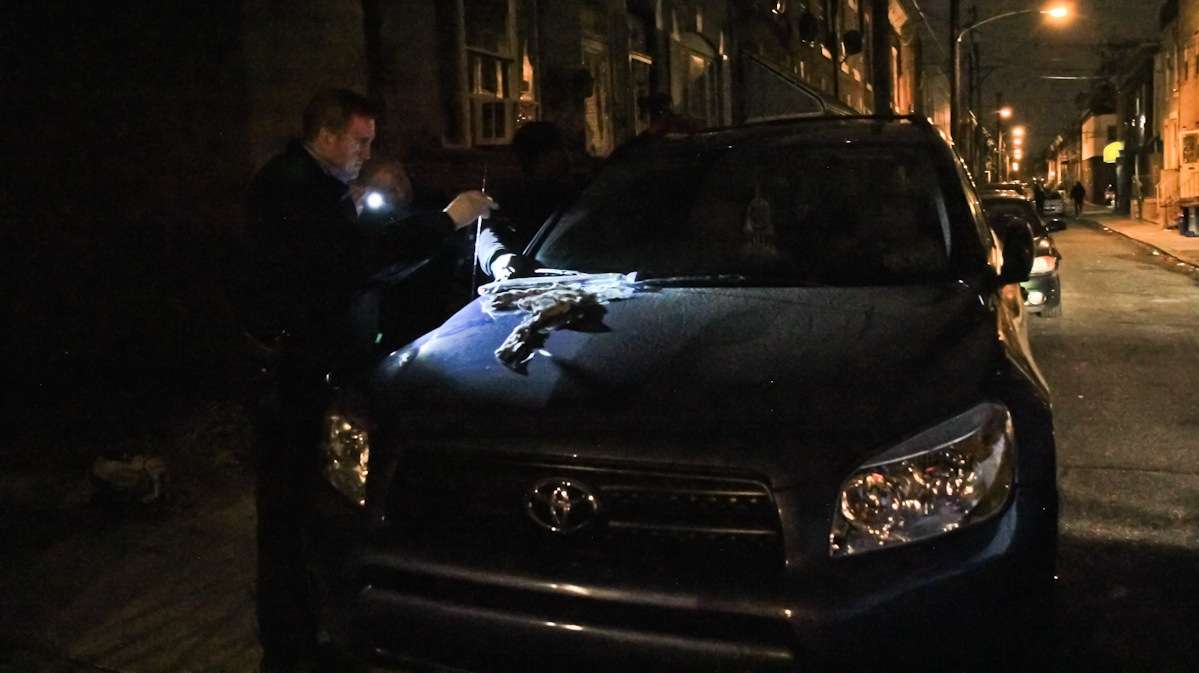
Officers Gerson 'Gus' Padilla and James O'Neill question a subject on Franklin Street in South Philadelphia. They confiscate a scarf and toy gun. (Kimberly Paynter/WHYY)
-
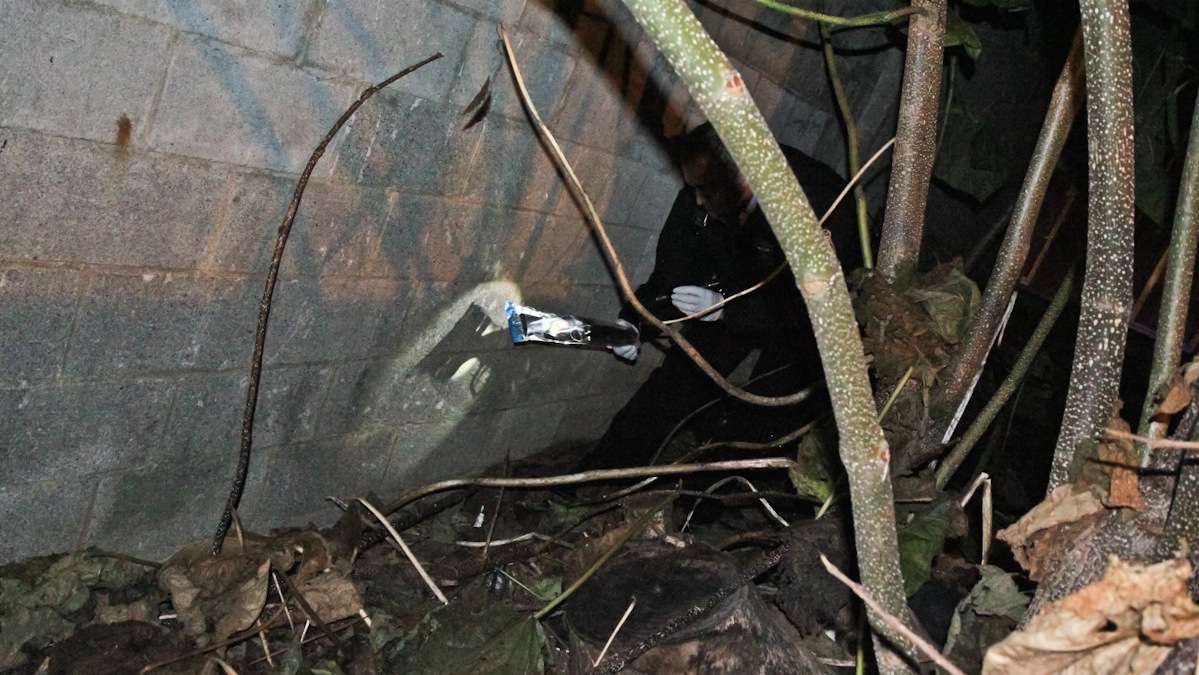
Officer James O'Neill eventually finds a toy gun that a 14-year-old suspect stashed in a lot on the 2300 block of Franklin Street in South Philadelphia. (Kimberly Paynter/WHYY)
-
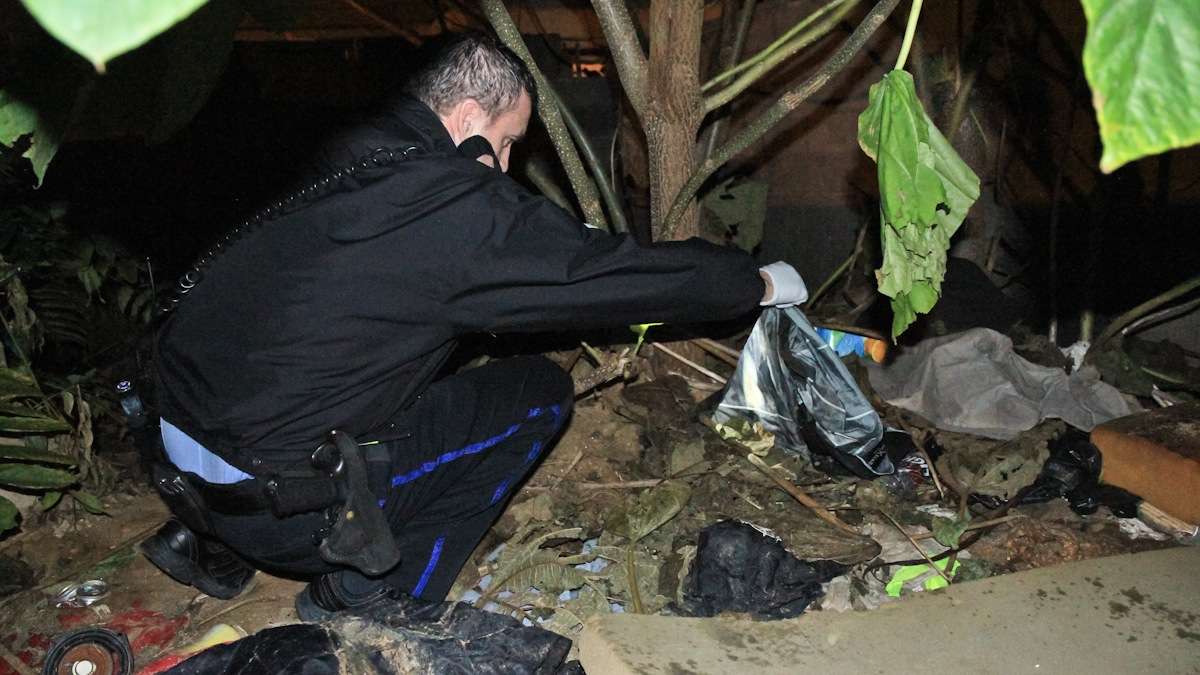
After apprehending a robbery suspect on the 2300 block of Franklin Street, officer James O'Neill combs through a vacant, looking lot for something a neighbor saw the boy stash a few moments before. (Kimberly Paynter/WHYY)
-
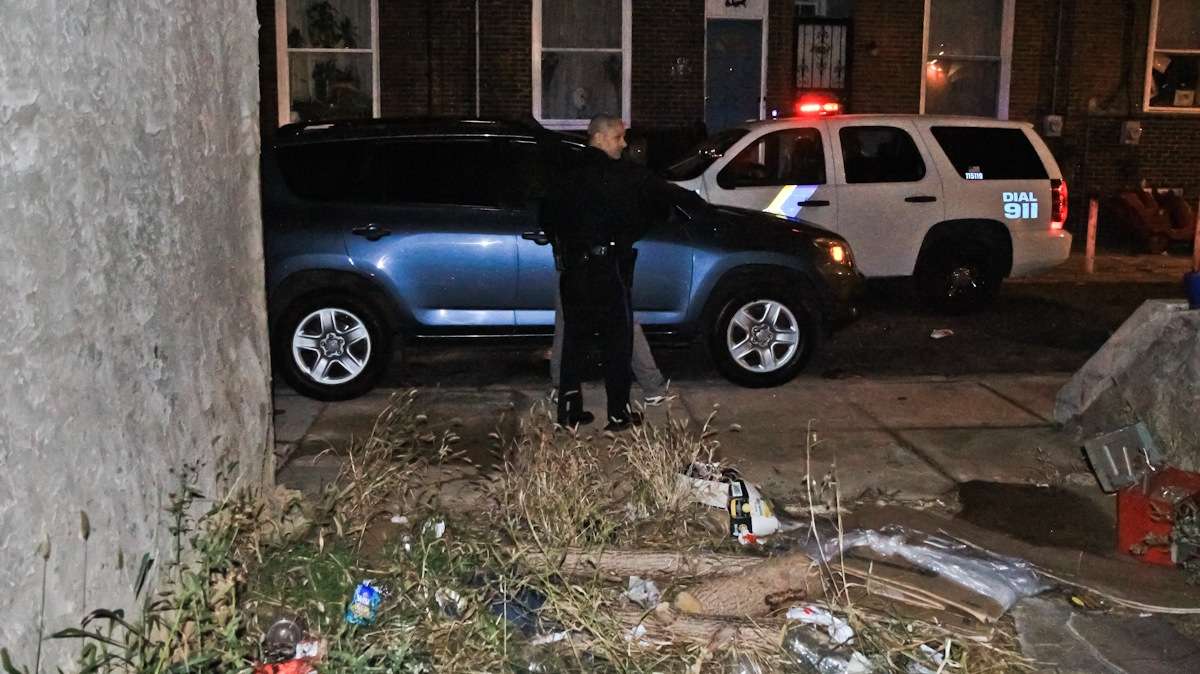
Officer Gerson 'Gus' Padilla searches a 14-year-old suspect on a the 2300 block of Franklin Street in South Philadelphia. (Kimberly Paynter/WHYY)
-
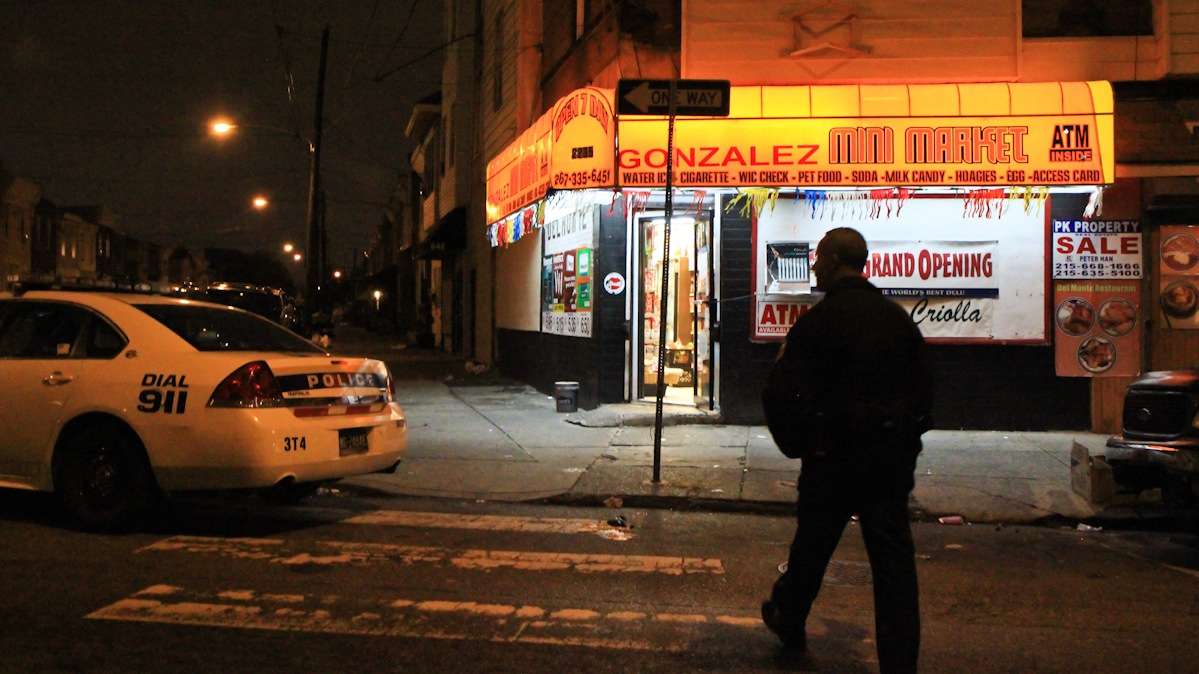
Officer Gerson 'Gus' Padilla heads into a South Philly corner store that experienced a theft a few moments before. (Kimberly Paynter/WHYY)
-
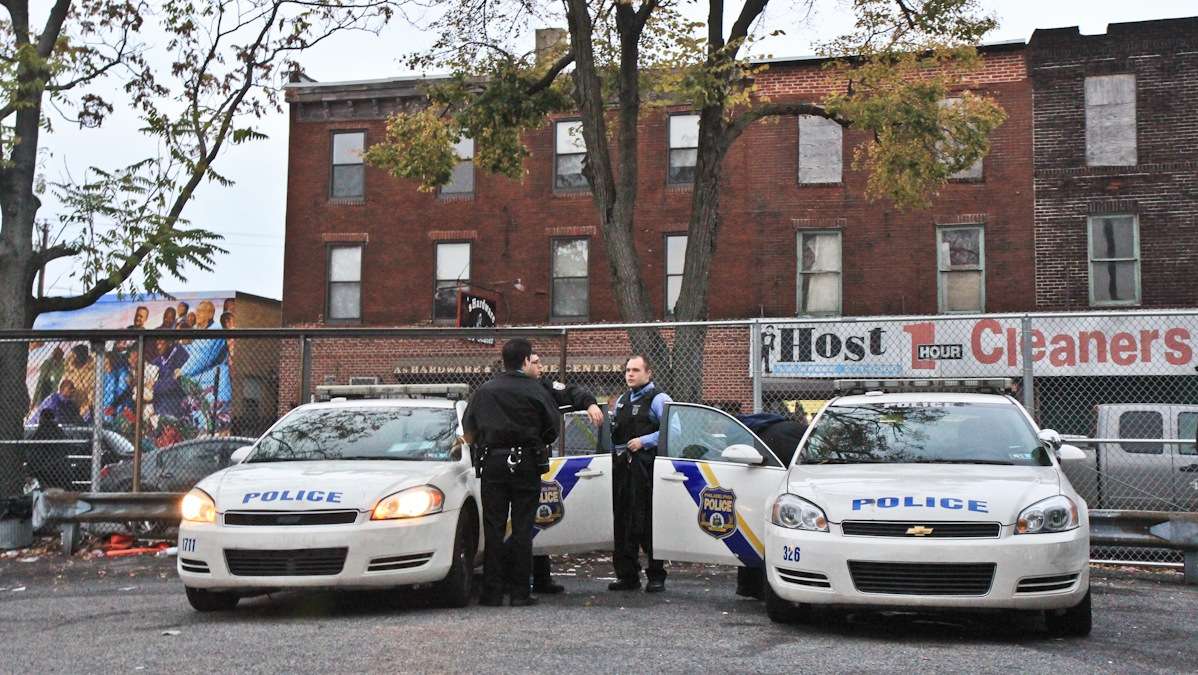
Officers at Philadelphia police department's 17th District Headquarters at 20th and Federal streets begin their shift around 5 p.m. (Kimberly Paynter/WHYY, file)
-

-
-

-

-
Last year, more than 9,000 homeless children spent time in Pennsylvania shelters. Almost 60 percent were younger than five.
These numbers come from a new report published by the People’s Emergency Center (PEC), a West Philadelphia non-profit.
Staci Perlman, a visiting scholar at PEC and an associate professor at the University of Delaware noted that while 5 percent of kids in Pennsylvania are under the age of one, they represented 12 percent of children who spent time in emergency and transitional housing in 2012.
“That means,” said Perlman, “that some of our youngest citizens are spending at least some portion of their earliest and arguably most important developmental years without stable housing.”
Ages of children in temporary housing also varied across regions.
“I thinking increasingly children are being recognized as having their own sets of needs,” said Perlman.
Shelter operators, she believes, are becoming more strategic about how to work with the children who arrive with their parents and how to support their developmental challenges.
Perlman acknowledges these figures cover only a subset of homeless children. Older kids and teens in particular are more likely to couchsurf between homes of friends and family rather than stay in a shelter.
WHYY is your source for fact-based, in-depth journalism and information. As a nonprofit organization, we rely on financial support from readers like you. Please give today.

How to be on track for retirement
Only a third of Americans say they feel financially prepared and just over half have retirement savings accounts. So what should you do if you're feeling behind?
Air Date: March 18, 2026 12:00 pm
Listen 51:43
Some customers in the Philly area pay as much as 20% of their monthly electric bill to company profits, according to a report. An industry group calls the report misleading.
2 weeks ago
Listen 1:40
Some states are reviving a push to tax the rich, including in New Jersey
Advocates are hoping a growing unhappiness of wage and wealth inequalities will help states like New Jersey adopt policies where the rich pay more in taxes.
2 weeks ago