




Why The Odyssey endures
The Odyssey translator Emily Wlison and Oxford psychiatrist and philosopher Neel Burton on why Homer’s epic poem endures and what it says about the human condition.
Listen 49:58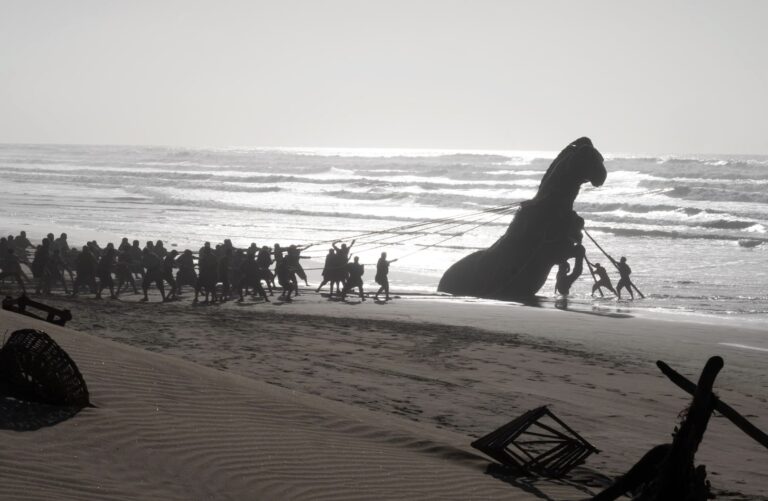
(The Odyssey/Photo by Melinda Sue Gordon/Universal Pic/Melinda Sue Gordon - © Universal Studios)
The nearly three-thousand-year-old story of Odysseus and his ten-year struggle to get home to Ithaca and his wife, Penelope, after the Trojan War has been told, retold, interpreted, and reinterpreted. The Odyssey alone has inspired more than 60 English translations and dozens of movie and TV adaptations. Christopher Nolan’s blockbuster version of The Odyssey is shattering box office predictions with close to a billion dollars in ticket sales worldwide.
This week: why does Homer’s epic poem endure, what does it have to say about the human condition and what does Nolan get right and wrong about the story?
We’re joined by two guests:
University of Pennsylvania Classics professor Emily Wilson’s 2017 translation of The Odyssey was praised for its accessible and musical use of language. She recently panned Nolan’s film.
Neel Burton is a psychiatrist and philosopher whose writing explores the wisdom of the ancient world.
WHYY is your source for fact-based, in-depth journalism and information. As a nonprofit organization, we rely on financial support from readers like you. Please give today.
Brought to you by The Connection with Marty Moss-Coane
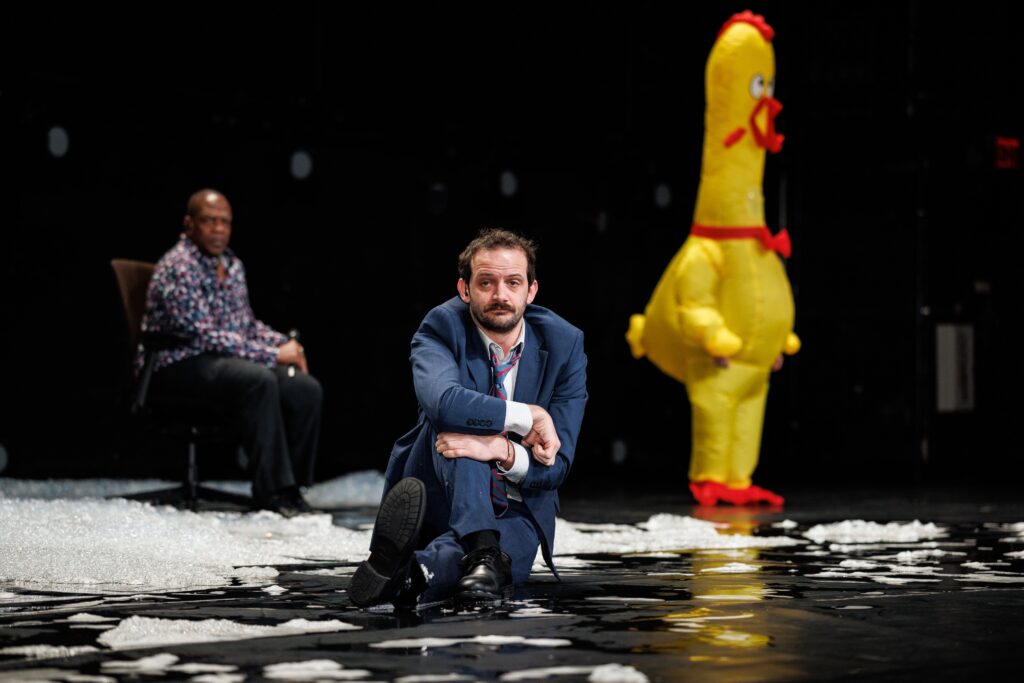
With ‘Kramer/Fauci,’ the Philly Fringe opens with a reminder of civic debate circa 1993
The play about Anthony Fauci and Larry Kramer takes its script directly from a C-SPAN broadcast on which they appeared 33 years ago.
2 weeks ago
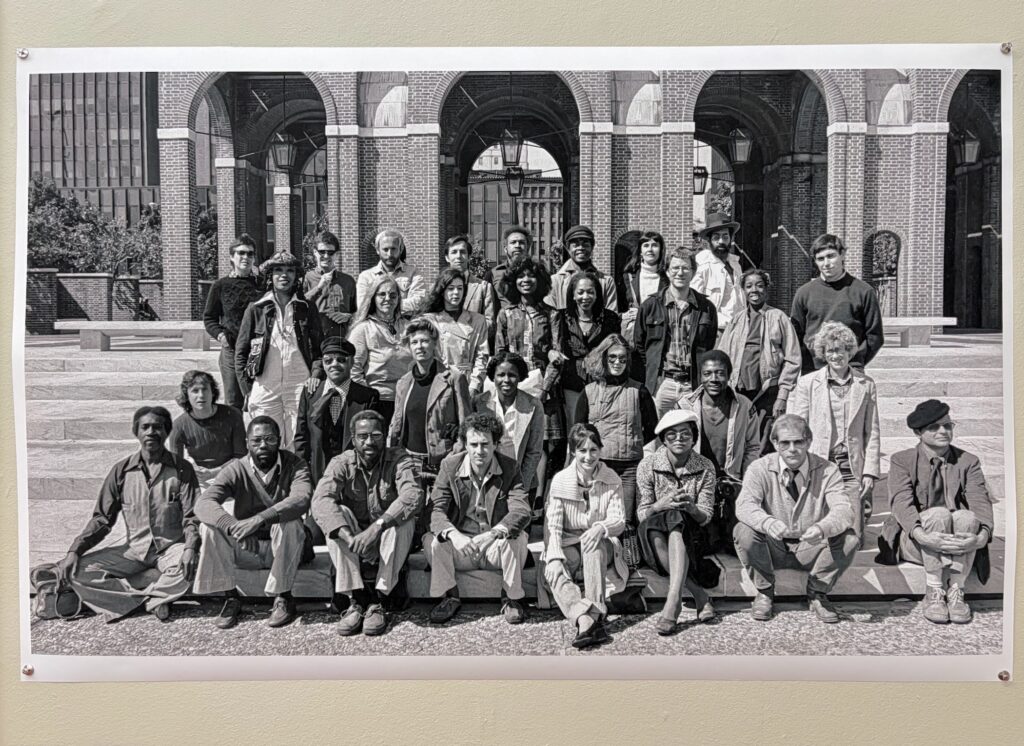
Philadelphia City Hall art gallery remembers a federal act that put artists to work in the 1970s
The federal CETA program employed tens of thousands of artists with a 1973 jobs-training law. Its impact has been largely overlooked.
3 weeks ago
Listen 2:10
A Penn professor’s ‘Odyssey’ became a cultural flashpoint. Now, she’s retranslating the whole thing
Emily Wilson's 2017 translation of “The Odyssey” is a million-seller. It's also not the end of the story.
4 weeks ago