




What lessons should we learn from the Cornell 7 case?
After years of campus reforms and #MeToo, why does it feel like nothing has changed?
Listen 51:11
Demonstrators attend a protest against Cornell University's handling of the 2024 fraternity-house gang rape allegations at the campus, Monday, Oct. 5, 2026, in Ithaca, N.Y. (AP Photo/Adrian Kraus)
The Cornell University case alleging a gang rape by fraternity members in 2024 has set off national outrage and a familiar question — after years of campus reforms and #MeToo, why does it feel like nothing has changed?
A student, identified in the court filings as Jane Doe, has sued the seven fraternity members and Cornell. After arriving at a party intoxicated, she alleges she was given additional alcohol and drugs and then assaulted at the Chi Phi house in 2024. The men have not been criminally charged, and decisions by campus police and the local district attorney have been widely criticized. Last week, New York Governor Kathy Hochul removed the DA from the case and appointed the state Attorney General Letitia James as special prosecutor. Cornell has also agreed to a new outside review of their handling of the case.
But while the investigation is underway, many people are wondering how this could happen and why progress has been so slow. Statistics show that about 1 in 8 students experience sexual violence during college and for undergraduate women the figure is closer to 1 in 4, a number that has remained largely unchanged for four decades.
On this edition of Studio 2, we’ll discuss the Cornell case and what it reveals about the larger problem sexual assault and societal failures. Plus, we’ll look at how issues of consent and intoxication complicate prosecution.
Guests:
- Jennifer S. Hirsch, professor of sociomedical sciences at Columbia University and co-author of Sexual Citizens: A Landmark Study of Sex, Power, and Assault on Campus
- Marian Grace Braccia, practice professor at Temple University’s Beasley School of Law and a former assistant DA in Philadelphia.
WHYY is your source for fact-based, in-depth journalism and information. As a nonprofit organization, we rely on financial support from readers like you. Please give today.
Brought to you by Studio 2

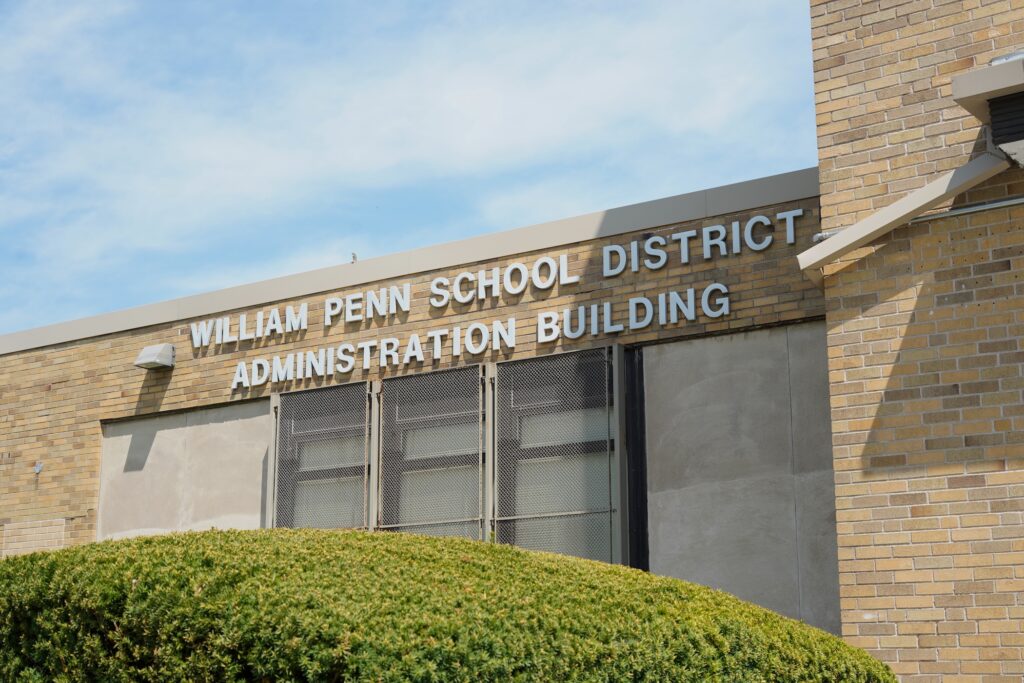
William Penn School District reinstates some sports teams following suspensions
The school district in Delaware County previously suspended all athletics, pointing to “an alleged incident that implicates culture and climate.”
3 hours ago
Thomas Herlihy raped the girl in Atlantic City in 2016 and, authorities say, sexually abused her through 2018 in Delaware.
3 months ago
Listen 2:01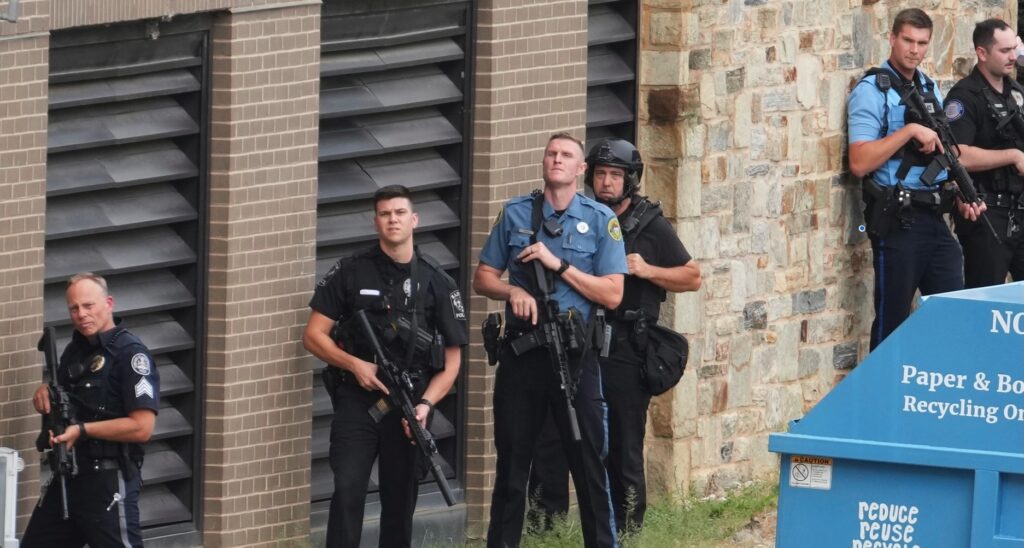
Swatting group ‘likely responsible’ for campus shooter hoaxes at Villanova and others: Report
Analysts believe it's very likely a swatting group made false emergency reports targeting at least 10 universities, including Villanova.
1 year ago