




The Strange Science of Color — And Our Quest to Understand It
We explore the world of color — from how we perceive it, to efforts to describe and differentiate its many shades.
Listen 49:28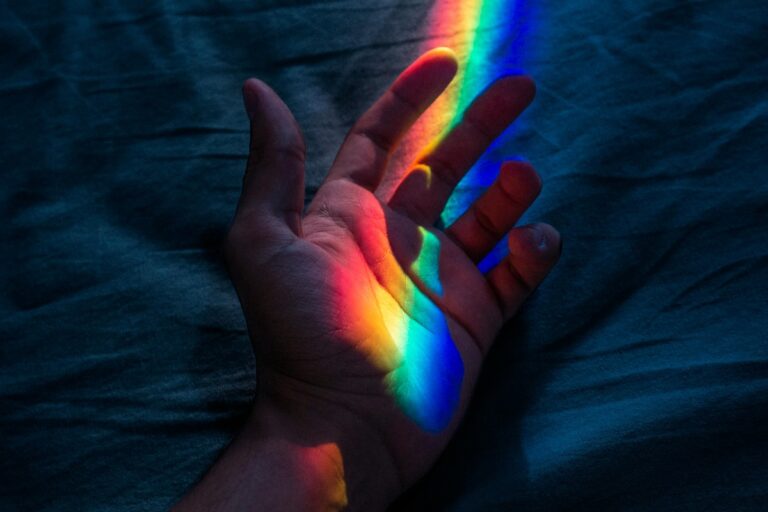
(Barcelos Fotos/Pexels)
The electric pinks of a sunset. The vivid red of a couch pillow. The deep green of a favorite sweater.
Color doesn’t just shape how things look — it can shape how we feel. It can lift our mood, transform a room, or make food look irresistible or completely unappetizing. Color also signals feelings and ideas, like green for nature, blue for melancholy, or red for danger. But beneath all of that, color is surprisingly complex — and surprisingly hard to pin down.
On this episode, we dive into the complexities of color, and explore how people across disciplines, from linguistics to science, have tried to capture its essence. We talk with a lexicographer about the fascinating history of efforts to standardize synthetic colors and their names. We’ll investigate how we perceive color and if we see colors the same way as others, and find out what it’s like living with grapheme-color synesthesia.
SHOW NOTES:
- The Pulse host Maiken Scott adds some pops of color to her all-black wardrobe with help from Jill Rafter, a color consultant with House of Colour, who breaks down seasonal palettes and how to choose your ideal hues based on your skin’s undertones.
- We talk with lexicographer Kory Stamper about her deep dive into the origins of ultra-specific color definitions, and the fascinating history of how major global changes, ranging from industrialization to international warfare, led to a government effort to standardize not just the production of synthetic colors, but also how we talk about them. Stamper’s new book is “True Color: The Strange and Spectacular Quest to Define Color – from Azure to Zinc Pink.”
- How do we know that the colors we see are the same as the colors other people see? Pulse reporter Liz Tung talks with University of Pennsylvania researcher David Brainard about the science of how we perceive color, what we know — and don’t know — about our shared perceptions, and the philosophical questions this raises about the nature of subjective experience.
- Pulse producer Nichole Currie talks with Cricket Matthews, who experiences grapheme-colors synesthesia, a unique neurological trait in which letters, numbers, and words trigger specific colors in your mind.
WHYY is your source for fact-based, in-depth journalism and information. As a nonprofit organization, we rely on financial support from readers like you. Please give today.
Brought to you by The Pulse

Climate Fixers: One Philly designer knits nature and fashion for sustainability
NOOR by Grant Blvd, a Philly-based fashion house, uses only natural, plant-based fibers like Tencel and linen, or wool. None of the materials are sourced from fossil fuels.
1 year ago
So beautiful but so terrible: Academy of Natural Sciences traces the ecology of fashion
Clothes from Drexel University’s Fox Collection dress up a cautionary tale about the environmental impact of the fashion industry.
2 years ago
Listen 1:46
It is the job of futurists to think about what the future holds. We can use those skills in our lives too.
5 years ago
Listen 14:18