



Supreme Court decision analysis
We unpack the final weeks of court rulings with two constitutional law scholars: birthright citizenship, transgender athlete bans, presidential firing power, and more
Listen 51:12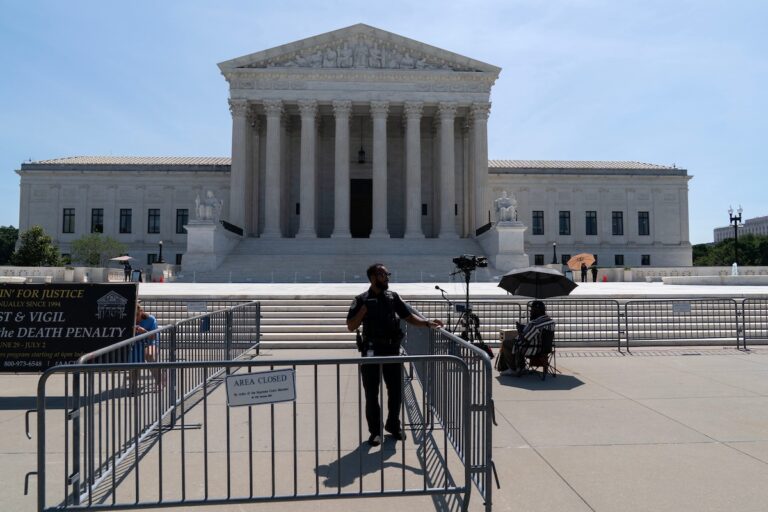
The Supreme Court is seen Tuesday, June 30, 2026, on Capitol Hill in Washington. (AP Photo/Jose Luis Magana)
The Supreme Court term wrapped up yesterday, saving its most anticipated decision for last. In a 6-to-3 ruling, the court struck down President Donald Trump’s executive order to end birthright citizenship.
While that decision puts limits on executive power, other decisions went the other way. The court ruled that Trump could fire Federal Trade Commissioner Rebecca Slaughter without cause, overturning 90-year-old precedent and opening the door to at will removals at dozens of what had been considered independent agencies. But the justices made an exception for the Federal Reserve, blocking the president’s efforts to fire Fed Governor Lisa Cook without cause.
This episode, we’ll unpack the whirlwind final weeks of court rulings with two constitutional scholars. We’ll go through the decisions on birthright citizenship, the ruling allowing states’ a grace period for mail-in ballots, and the decision allowing state bans on transgender athletes. We’ll also examine the court’s decision to end temporary protections for certain asylum-seekers, as well as lifting limits on spending between political parties and candidates.
Guests:
- Kate Shaw, professor of law at the University of Pennsylvania and co-host of the Strict Scrutiny podcast
- Jeffrey Rosen, professor of law at George Washington University, CEO emeritus of the National Constitution Center, and author of The Pursuit of Liberty
WHYY is your source for fact-based, in-depth journalism and information. As a nonprofit organization, we rely on financial support from readers like you. Please give today.
Brought to you by Studio 2

Cómo un aviador de Dover presuntamente captó y violó a una joven de 15 años del condado de Bucks
Las autoridades señalan que los mensajes de Snapchat pronto adquirieron un tono sexual, lo que derivó en un viaje nocturno a Delaware y en cargos por violación de un menor.
3 days ago

A man working for the contractor Greggo & Ferrara alleged he was called the N-word and “boy” by a white co-worker.
4 days ago
Listen 1:11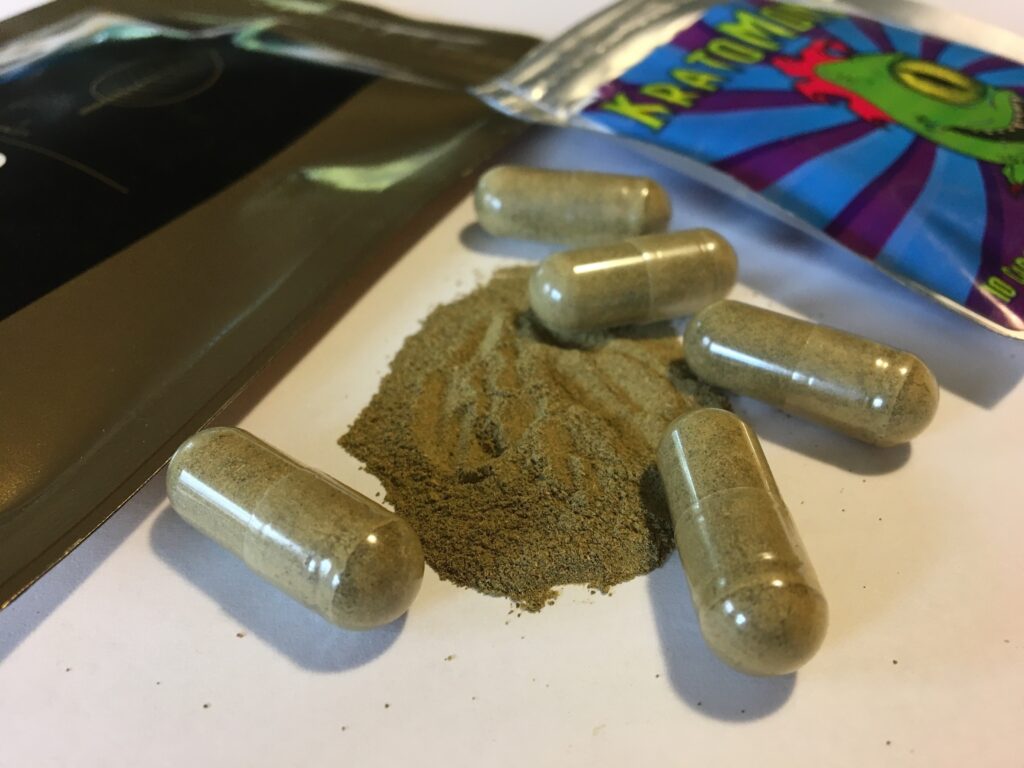
Why a supplement called kratom is sparking debate
The surging popularity of a supplement called kratom is shedding light on the murky regulatory landscape occupied by so-called 'gas station drugs.'
Air Date: September 28, 2026
Listen 51:09