



Fact, fiction and future for U.S. scientific and medical research
Proposed NIH cuts in the Trump administration's budget are again getting bipartisan pushback in Congress. Can the US maintain a global edge if researchers are left scrambling?
Listen 51:40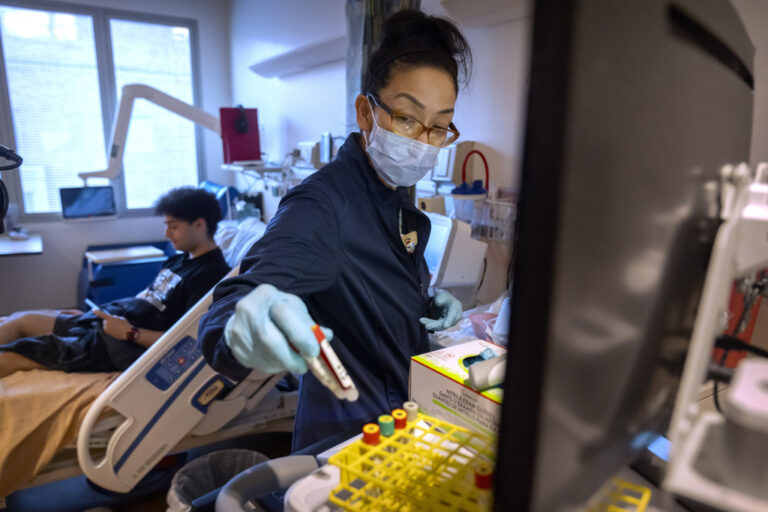
Clinical research nurse Monica Falcon prepares to draw blood from college student and research subject Sam Srisatta at the National Institutes of Health in Bethesda, Md., on Thursday, Oct. 31, 2024. (AP Photo/Mark Schiefelbein)
Billions in potential cuts to the National Institutes of Health could dramatically reshape the future of American science. The Trump administration’s latest budget proposal calls for a 10% reduction in funding to NIH funding and additional cuts to other science agencies including the Environmental Protection Agency and NASA.
Congress ultimately beat back steeper proposed cuts to NIH last year and appears poised to do so again, but the science reductions that have gone through have left many doctors and researchers reeling.
Labs have tightened budgets, clinical trials are being scaled back or delayed, and a generation of young scientists faces an increasingly uncertain future. The Trump administration has specifically targeted initiatives it sees as political, including researching health outcomes for women and minorities, as well as climate change and mRNA vaccines. Amid other priority shifts, experts worry there could be ripple effects that stall progress on cancer, Alzheimer’s and other rare diseases.
This isn’t a typical partisan fight. Lawmakers on both sides of the aisle have raised alarms about what’s at stake, framing NIH funding as essential to public health, economic growth, and America’s global leadership in science. So why are cuts still on the table and where will the impact hit hardest?
On this episode of Studio 2, the fight over health, science and our country’s global edge.
Guests:
— Max Kozlov, science journalist at Nature
— Allie Sinclair, Joan Bossert Postdoctoral Research Fellow at the University of Pennsylvania and an incoming Assistant Professor of psychological sciences at Rice University
WHYY is your source for fact-based, in-depth journalism and information. As a nonprofit organization, we rely on financial support from readers like you. Please give today.
Brought to you by Studio 2

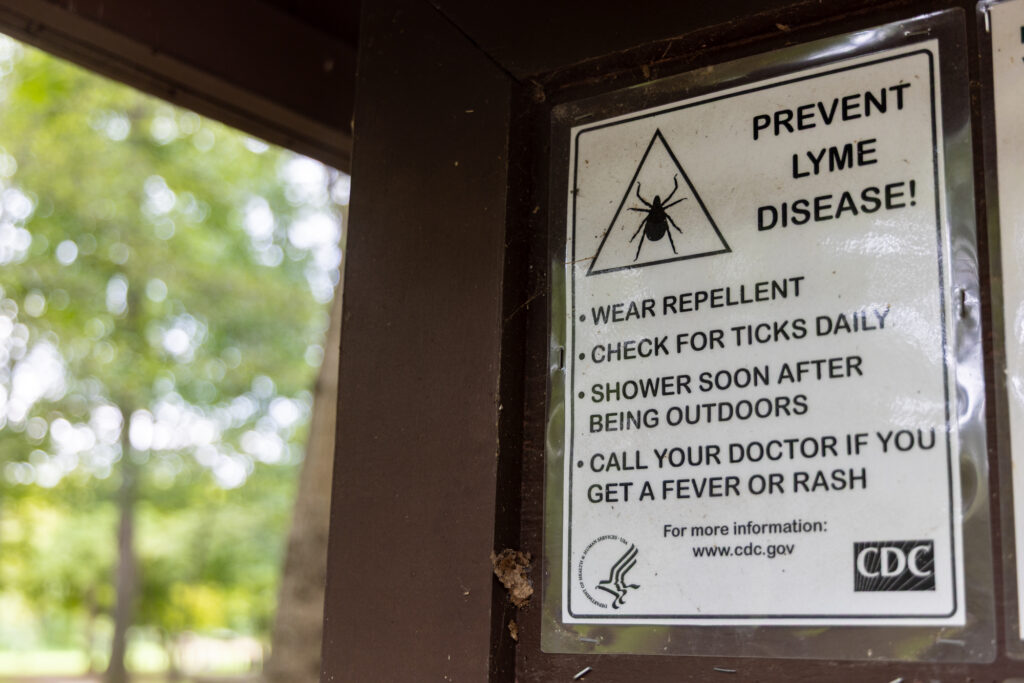
Want to understand Lyme disease risk? Look to mice and acorns, not deer
Deer have long gotten a bad rap as drivers of Lyme disease — but a new study, using more than 35 years of data, shows they aren’t the biggest culprit.
1 month ago
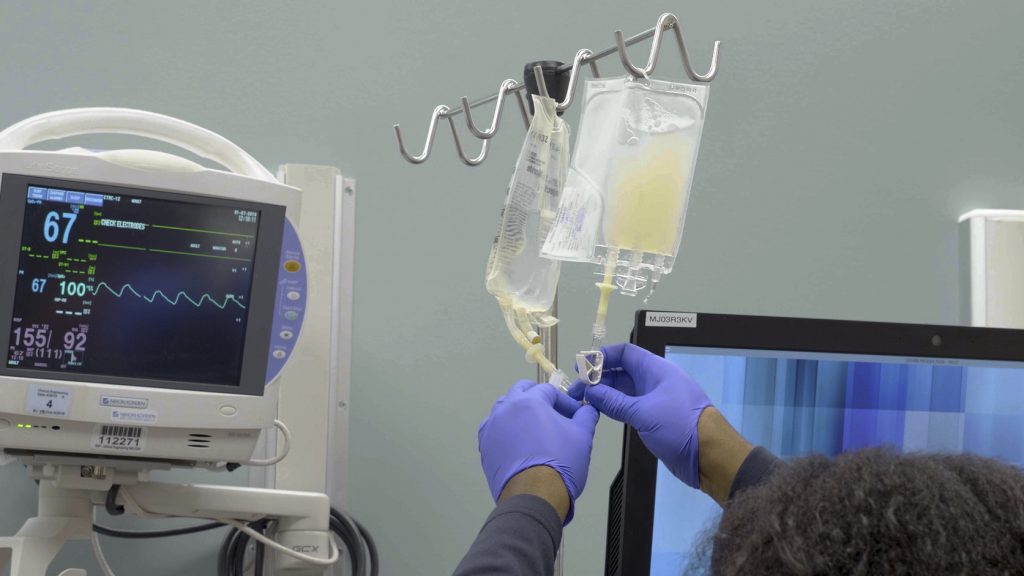
Penn Medicine doctors try CRISPR gene editing for cancer, a 1st in the U.S.
The first attempt in the United States to use a gene editing tool called CRISPR against cancer seems safe in the three patients who have had it so far.
7 years ago

Black women at higher risk for pregnancy-related heart failure, prolonged recovery
A new study suggests that African-American women are more likely to suffer from Peripartum Cardiomyopathy and are more likely to worsen before getting better.
9 years ago