




The rise of ransomware attacks
According to a recent report, ransomware victims are increasing 58% year over year. How can essential infrastructure like schools and hospitals safeguard against attacks?
Listen 51:41
(photo courtesy of Canva)
“The Pitt,” the popular HBO medical drama set in a fictional Pennsylvania emergency room, includes some truly outlandish plotlines: a patient’s heart is pumped by hand; another loses a leg in a waterslide collapse. But one element is rooted in something increasingly realistic and threatening.
In the last ten years, cyberattacks have become more and more common in sectors like healthcare, education and other essential infrastructure. Last summer, a ransomware attack hit the Pennsylvania Attorney General’s office, bringing down computer networks for weeks and causing some cases to grind to a halt. Last month, the University of Mississippi Medical Center closed nearly three dozen clinics for over a week after hackers breached their network and demanded a payout.
Management can feel incentivized to fork over ransoms because it is often more costly and time consuming to fight the attack. And in sectors like healthcare, the consequences of sustained logistical gridlock can be dire.
As cyberattacks grow in number and sophistication, what can be done to safeguard vulnerable sectors? What are the risks for companies and individuals who have their data compromised? And what is the federal government doing to prevent malicious foreign entities from causing chaos on a large scale?
Guests:
- Anja Shortland, professor at King’s College London and author of the forthcoming book “Dark Screens: Hackers and Heroes in the Shadowy World of Ransomware”
- Mark Lance, ransomware negotiator at Guidepoint Security
WHYY is your source for fact-based, in-depth journalism and information. As a nonprofit organization, we rely on financial support from readers like you. Please give today.
Brought to you by Studio 2


US gas prices join a host of other rising costs faced by American drivers. What's behind this affordability crisis?
Air Date: March 10, 2026 1:00 pm
Listen 51:36
Inside the $16B scam industry (REPRISE)
Why are you getting so many alarming calls and texts from unknown numbers? How can you tell who is really your bank calling and who is a fraudster?
Air Date: February 25, 2026 1:00 pm
Listen 51:26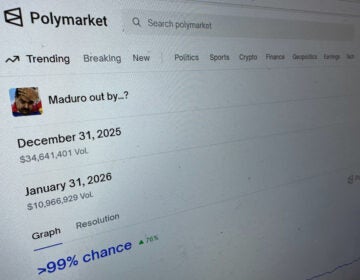
What happens when you can bet on everything?
Today, we pull back the curtain on prediction markets. Who’s using them? How do they make money? And what are the real risks and rewards beneath the hype?
Air Date: February 11, 2026 12:00 pm
Listen 50:37