
Philly homeownership program launches first project in 8th District
Elected officials and residents gathered Monday for a groundbreaking ceremony on the 1600 block of West Venango Street.

Have a question about Philly’s neighborhoods or the systems that shape them? PlanPhilly reporters want to hear from you! Ask us a question or send us a story idea you think we should cover.
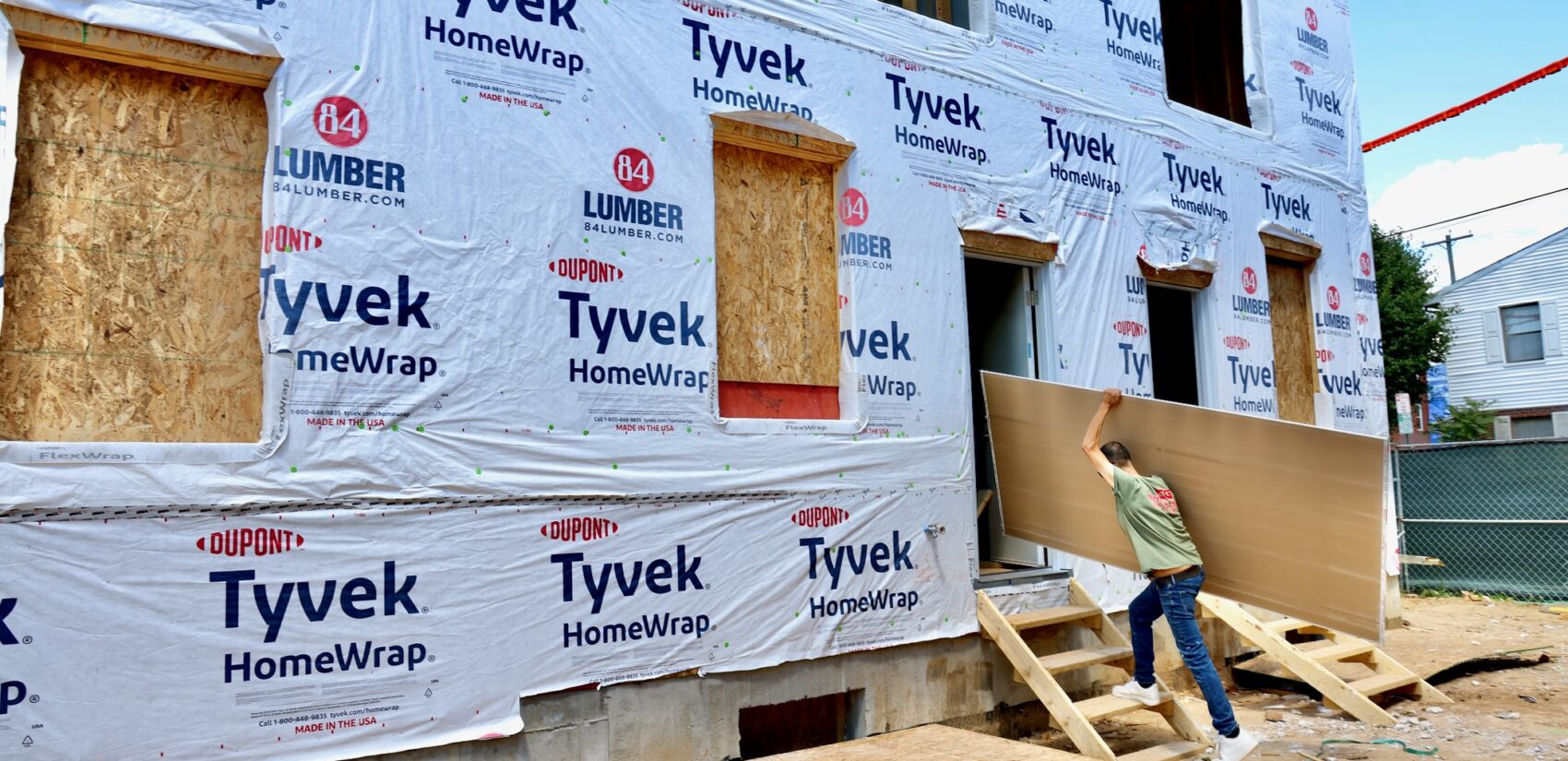
Nearly two dozen homes are being built on a string of vacant lots in Tioga, marking the first Turn the Key project in the 8th Council District.
Construction on the first set of homes began in April. On Monday, elected officials and residents gathered on West Venango Street to celebrate the next phase of the development, which is expected to create 22 opportunities for first-time homebuyers.
“It’s happening for those in our communities who might have thought, just a moment ago, that this was something out of reach, that this was something that was not attainable,” City Councilmember Cindy Bass said during a groundbreaking ceremony.
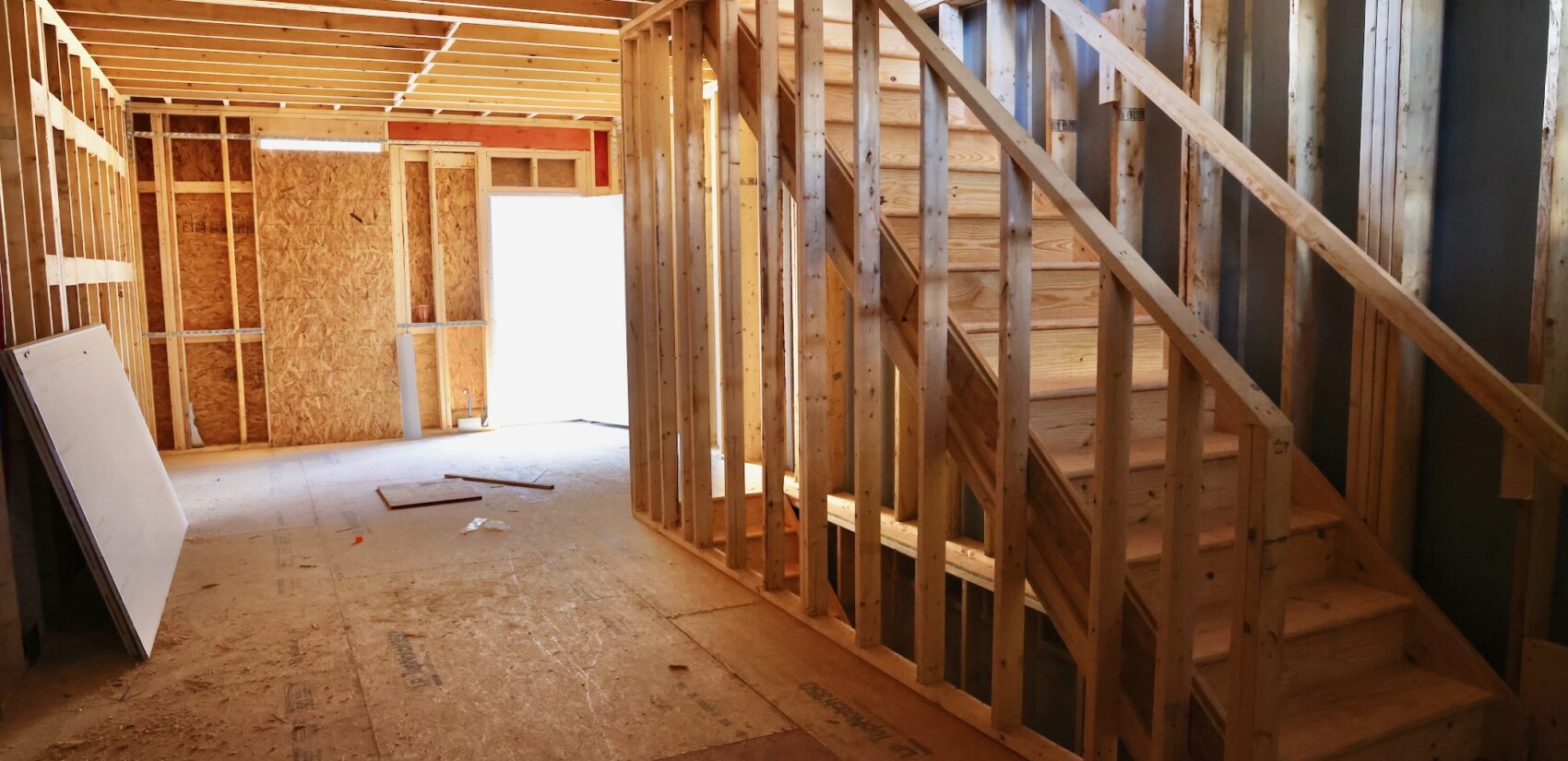
The homes are being built on city land that was transferred to Civetta Property Group, one of the largest developers participating in the Turn the Key program. The initiative is designed to offer affordable homeownership opportunities in neighborhoods where residents have raised concerns about rising property values.
The cost of the properties is expected to start at about $280,000. Eligible buyers can receive up to $75,000 in mortgage buydown assistance, as well as up to $10,000 from Philly First Home, a grant program for first-time homebuyers.
City officials said those subsidies can reduce monthly payments on a three-bedroom home to about $1,400, below the average rent for a comparable apartment.
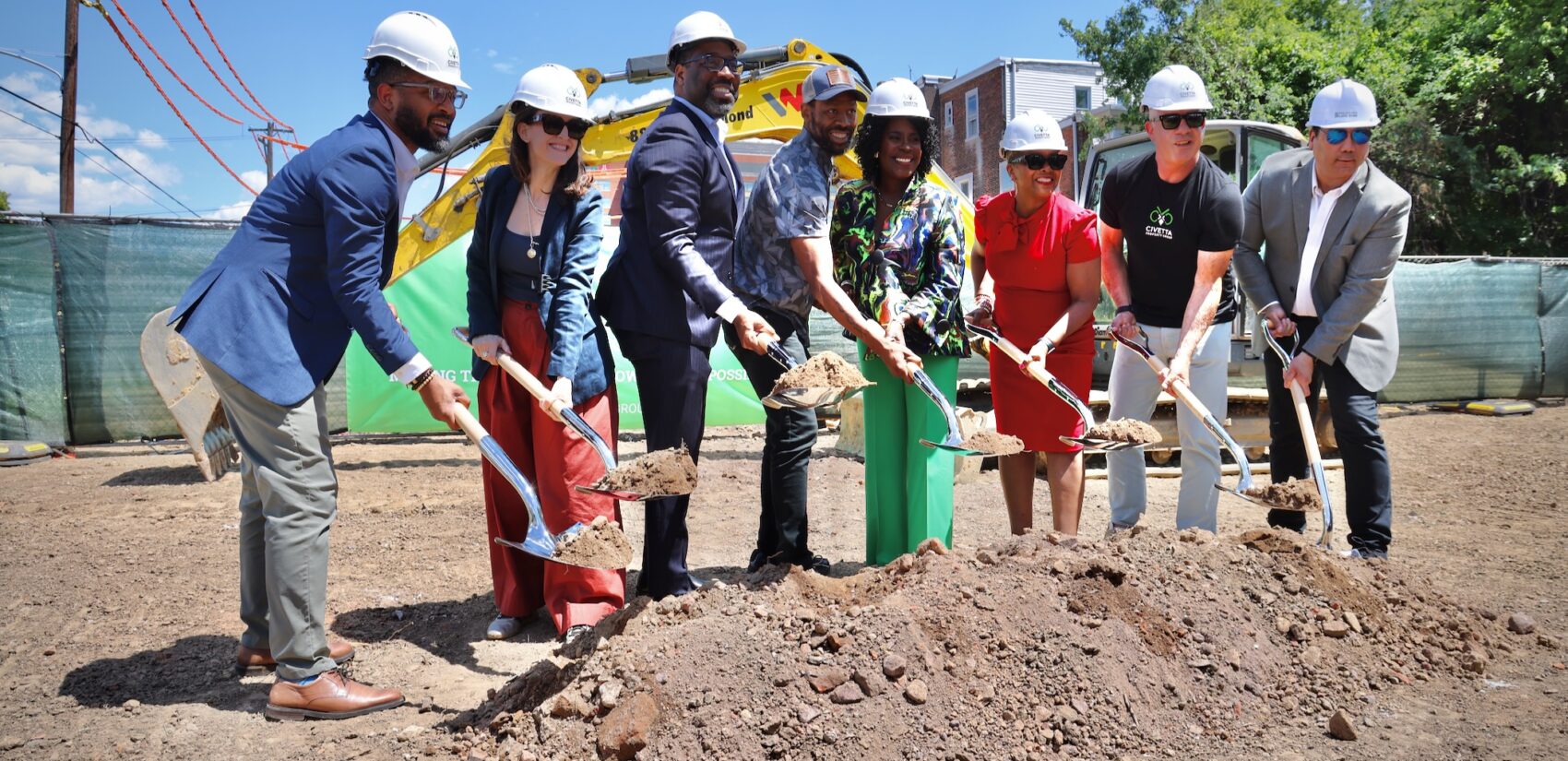
“Turn the Key is not for rich people,” Mayor Cherelle Parker said. “The program is for working Philadelphians that want to try to get a piece of the American Dream of homeownership.”
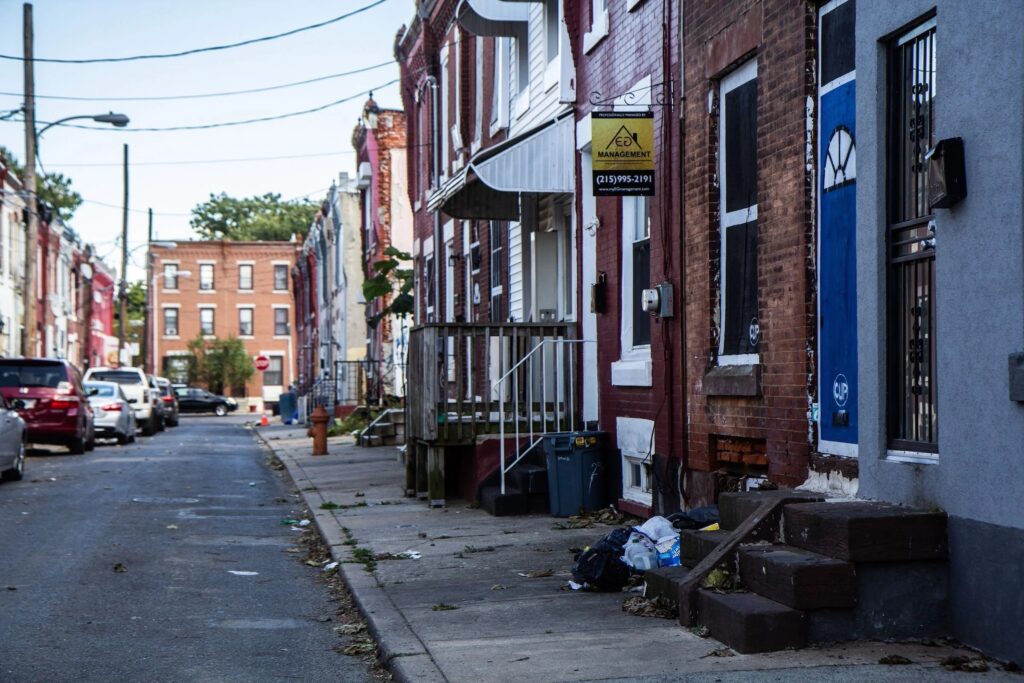
The lots on West Venango were vacant for more than three decades before the Philadelphia Land Bank awarded them to Civetta.
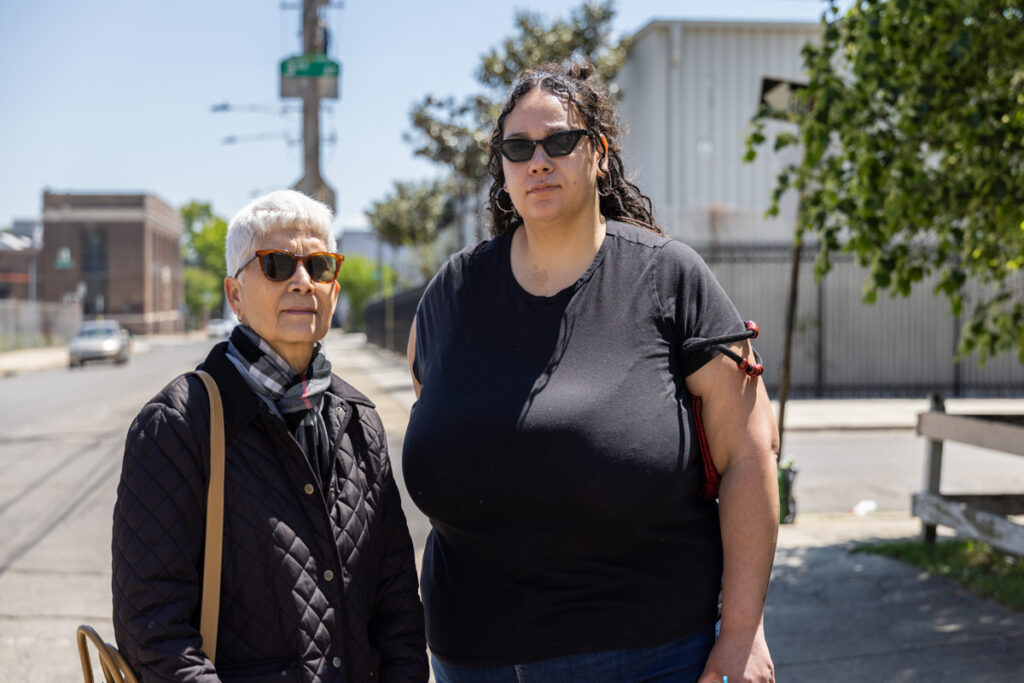
Grier Clark, who recently bought a home near the site, said the overgrown lots were a constant eyesore when she was a kid, prompting her family to pay to have them cleared in hopes of discouraging illegal dumping.
The lots were later fenced off and maintained by the Pennsylvania Horticultural Society but remained undeveloped until now, she said.
“To now be able to look out of the house right now and see the structure of these new homes go up, it is like night and day. My family is extremely elated. We’re so happy that this is coming and we’re happy that we finally have new neighbors across the street. And we’re excited to welcome more people to the community,” Clark said before Monday’s ceremony.
Turn the Key launched more than four years ago as part of the Neighborhood Preservation Initiative, a $400 million plan initiated by former Council President Darrell Clarke to increase the city’s stock of affordable housing, revive commercial corridors, and improve neighborhood infrastructure.
The program is now a sizable piece of the Housing Opportunities Made Easy initiative, the Parker administration’s $2 billion plan to build and preserve 30,000 homes citywide. The mayor has vowed to put the program “on steroids” under the initiative, commonly referred to as H.O.M.E.
Related Content
A fight over vacant Philly lots is exposing tensions in Mayor Parker’s housing plan
The Turn the Key program promised affordable homeownership. Critics say many residents are priced out, raising the question: Who is "affordable housing" for?
5 months ago
Listen 5:13According to the land bank, 494 Turn the Key units have been completed, sold, or placed under contract. Another 200 are under construction, and 1,118 more units have been approved for development.
During a recent budget hearing, several council members, including Bass, raised concerns about Turn the Key, questioning whether the program is affordable enough for residents in communities with the most vacant city-owned land.
“The idea that we’re doing one-size-fits-all in North Philly, it doesn’t work. So we have to go back to the drawing board,” Bass said.

On Monday, Parker pushed back on what she called “misconceptions” about the program, noting that the average Turn the Key participant earns about $54,000 a year.
The mayor said that price point is critical to maintaining the city’s tax base, and particularly in helping city workers become homeowners and remain in the city amid an ongoing shortage.
“Turn the Key is meant to respond to the needs of that constituency, not to pit the have-nots against those who have just a little bit,” Parker said.
Subscribe to PlanPhilly
WHYY is your source for fact-based, in-depth journalism and information. As a nonprofit organization, we rely on financial support from readers like you. Please give today.
Brought to you by PlanPhilly
PlanPhilly
In-depth, original reporting on housing, transportation, and development.
Philly could lose nearly 8,000 affordable rentals over the next decade. Here’s why
Amid a housing shortage, researchers say it’s unclear how many of these units will be preserved as affordable rentals. About 43,000 could vanish statewide.
6 days ago
Listen 0:59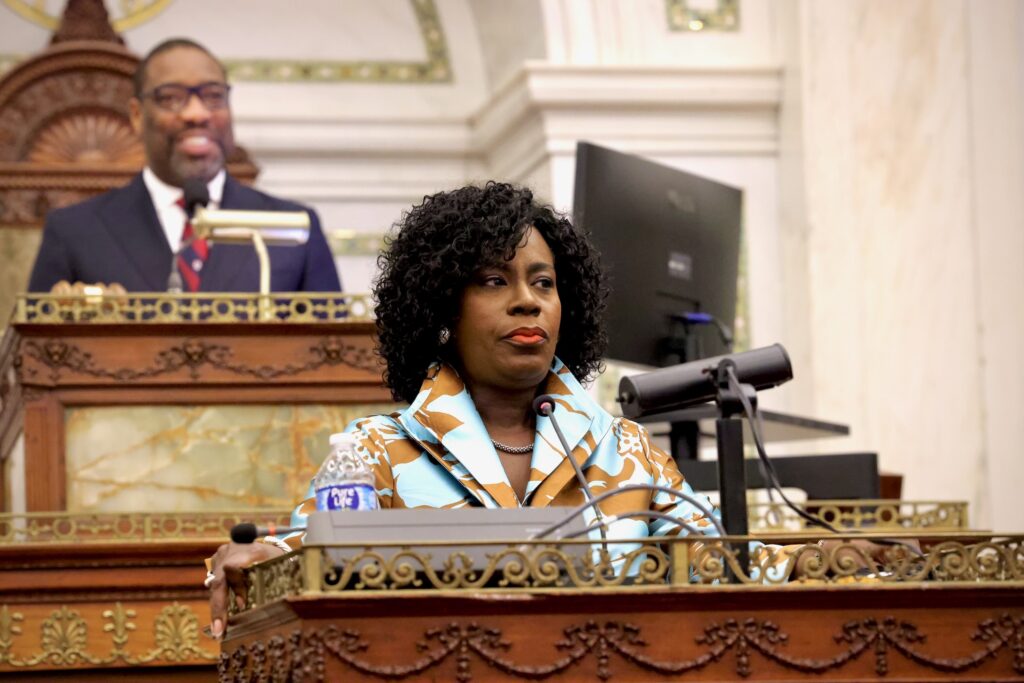
The total is more than half of the plan’s 30,000-unit goal. The milestone comes as the administration prepares to submit its first report on the plan.
2 weeks ago
Listen 1:02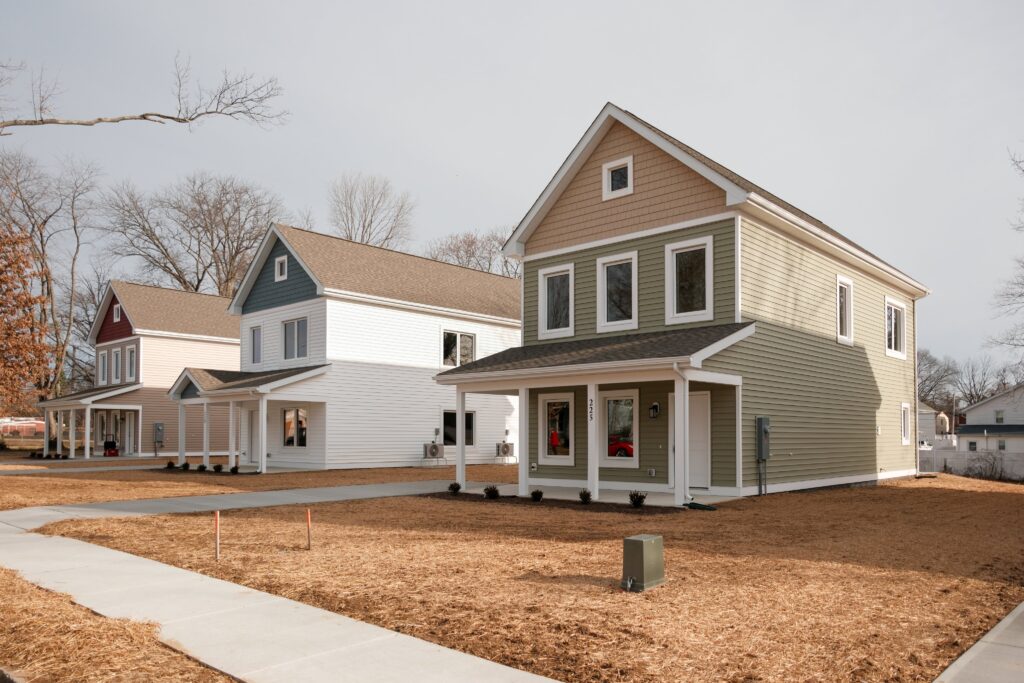
Laurel plans Meadow View community to expand affordable housing access in Sussex County, Delaware
Delaware needs an estimated 24,400 additional homes by 2030 to keep up with projected demand, according to a state report.
3 weeks ago
Listen 1:06