

‘Yes in God’s backyard’: Upper Merion church transforms vacant building into affordable housing
Construction on the 20-unit rental complex is expected to be completed by early 2027.
Listen 0:57
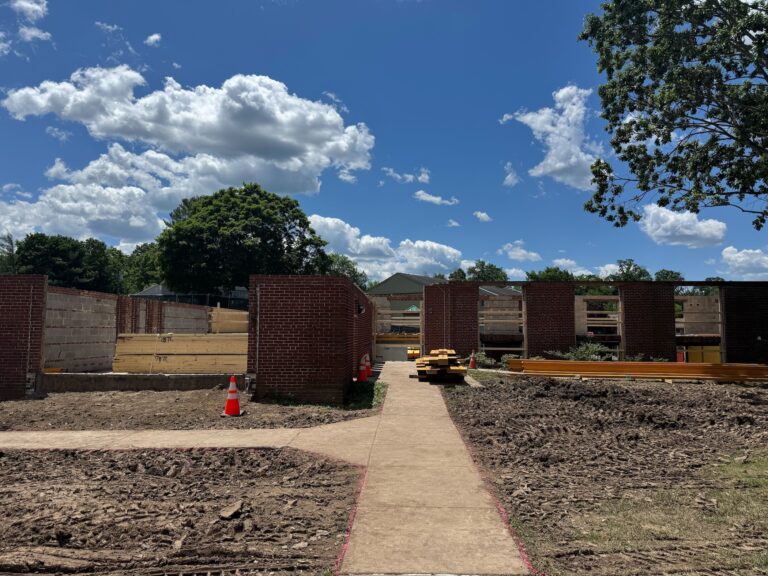
The vacant building on the campus of Valley Forge Presbyterian Church used to be the original chapel before it was repurposed as a nursery school. Eventually, the nursery school moved to the sanctuary building, leaving this building empty. (Kenny Cooper/WHYY)
From Delco to Chesco and Montco to Bucks, what about life in Philly’s suburbs do you want WHYY News to cover? Let us know!
A vacant school building on the grounds of the Valley Forge Presbyterian Church in Upper Merion is getting a fresh start as an affordable, 20-unit apartment complex.
The $6.2 million project is the brainchild of the church’s “small but mighty congregation,” Rev. Tim Dooner told WHYY News. In 2017, a team with a vision for the parish’s future began meeting to dig into ways the church could meet the immediate needs of the community, including revitalizing the building.
“Out from that good work of discernment, we realized there was an alignment of our mission, our hopes, our sense of who our neighbors were and also what was most possible from a zoning perspective — and fortunately, the zoning already aligned with what we felt was the biggest bang for a buck in terms of community impact in housing,” Dooner said.
The church proposed the plan in 2019 to the congregation and the idea took off, albeit with a few bumps in the road — most notably, the COVID-19 pandemic. However, after seven years of coordination, planning and raising funds, there is light at the end of the tunnel.
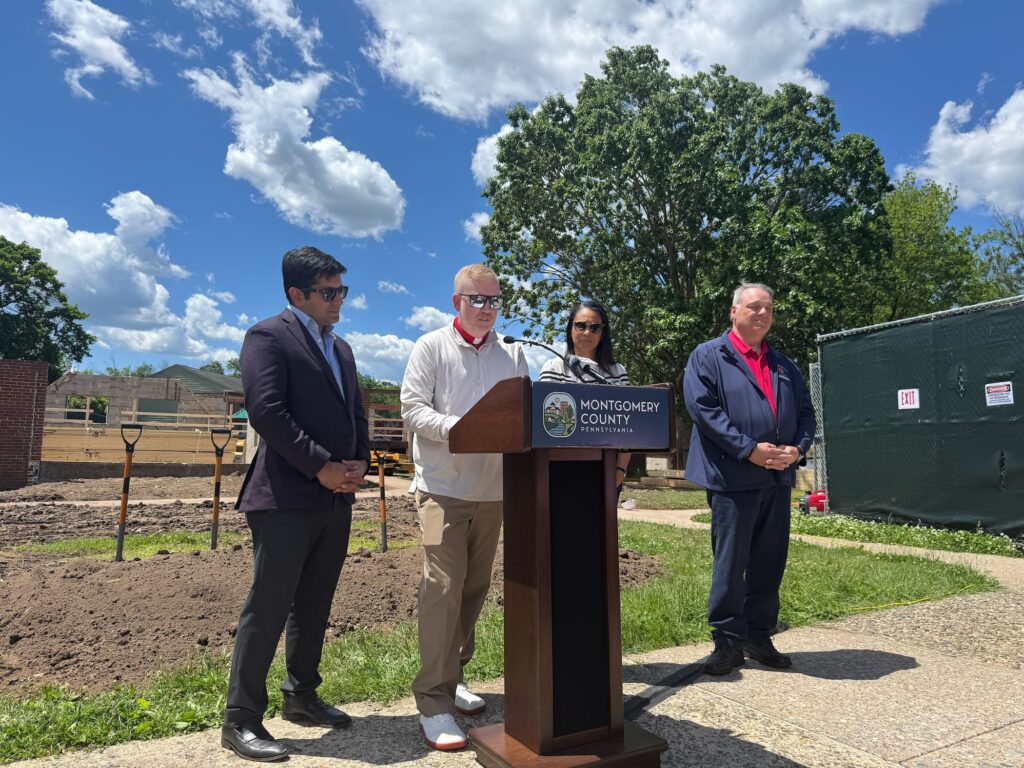
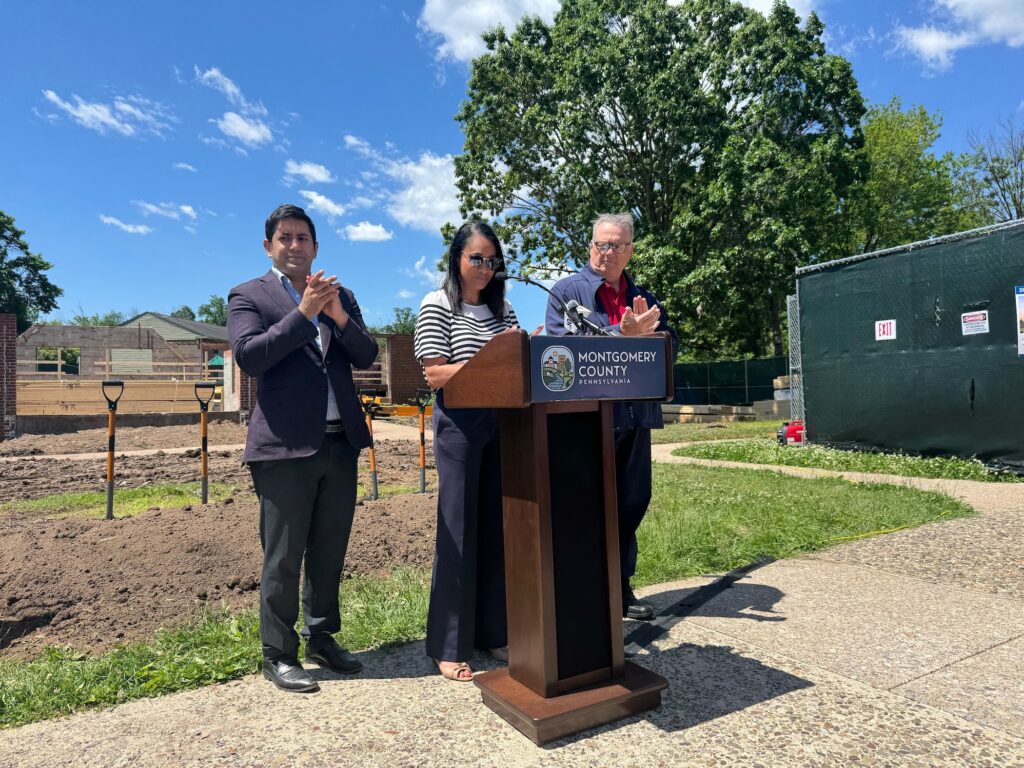
The Montgomery County Board of Commissioners on Thursday hosted a groundbreaking ceremony at the site. Construction on the rental complex is expected to be completed by early 2027.
“We committed to open our eyes and ears to the stories of our neighbors, until we could discern real and concrete ways to do the action of loving our neighbor,” Dooner said. “Seeking that which is for their sake, regardless of merit and without the expectation of anything in return.”
The church will continue to own the property and has signed a 30-year lease with the Upper Merion Area Housing Association to run the operations.
“Our housing vulnerable neighbors need more people in institutions whose mode of being is loving and not profiteering,” Dooner said. “Because as wonderful as this building will be when it’s filled with seniors on fixed incomes, differently-abled neighbors, lower-earning young adults and families, it will meet only a small fraction of the need. And so we all must — and can — help.”
Related Content
A fight over vacant Philly lots is exposing tensions in Mayor Parker’s housing plan
The Turn the Key program promised affordable homeownership. Critics say many residents are priced out, raising the question: Who is "affordable housing" for?
5 months ago
Listen 5:13Montgomery County Board of Commissioner Chair Jamila Winder thanked Dooner and the congregation “for having the courage to say yes in God’s backyard.” Funding for the project came by way of county and state government.
“This is proof that when we collaborate towards one common goal, we truly can make a difference,” Winder said.
While supportive of the project in Upper Merion, Montgomery County Commissioner Tom DiBello said he’s concerned about the possibility of raising taxes to offset what he sees as an “endless cycle” to combat the housing affordability crisis. Nevertheless, he called the project “amazing.”
“But this is such a small piece — a small bite of the apple — that we have to do throughout Montgomery County,” DiBello said.
Tina Garzillo, chair of the Upper Merion Township Board of Supervisors, said although the township is home to some of the region’s largest employers, including the King of Prussia Mall, many people cannot afford to live in the township.
“Upper Merion has limited vacant land that makes adaptive reuse projects like this one — a conversion of an underutilized building and turning it into 20 apartments — exactly the kind of creative community-based solution our township needs,” Garzillo said.
What to know about Montgomery County’s new housing blueprint
The groundbreaking ceremony coincided with the release of Montgomery County’s first-ever housing blueprint. The 16-page document seeks to outline the county’s overall goal to boost the housing supply, in an effort to bring down costs.
“I think of my parents who moved our family to Montgomery County when I was just 5,” Winder said. “They bought a house in East Norton Township at $84,000 in 1983. They both had modest incomes. My mother was a teacher, my father was a prison warden. Today, that same house is valued at half a million dollars. Housing costs have skyrocketed while wages have stagnated.”
From 2019 to 2024, the median home sale price in the county skyrocketed from $310,000 to $457,000, according to the housing blueprint. Montgomery County Commissioner Neil Makhija said in addition to increasing the housing supply, communities must be smarter about where they build.
“Many of the developments that we’ve been pursuing have been around transit and have created the kind of vibrant main streets that people love and that’s good for our residents,” Makhija said. “It’s good for commerce and the economy and it just makes for a better place to live. If you can walk down the street and get to school, to a restaurant, to SEPTA and not have to get in a car then those are the places where we can build more housing effectively without creating traffic and just make housing more affordable for everyone.”

Get daily updates from WHYY News!
WHYY is your source for fact-based, in-depth journalism and information. As a nonprofit organization, we rely on financial support from readers like you. Please give today.
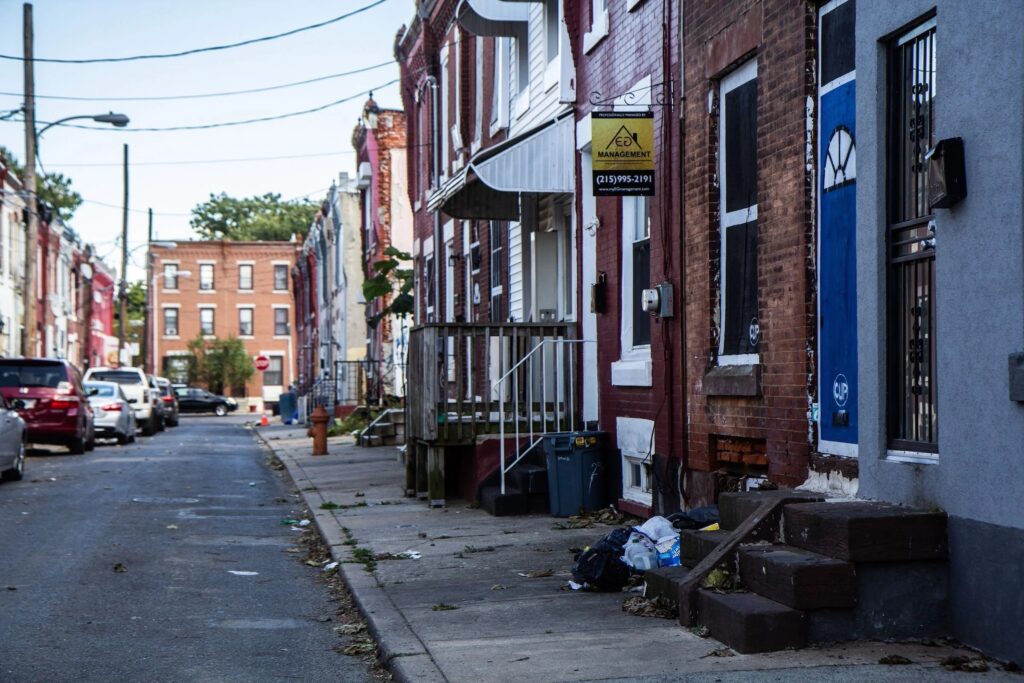
Philly could lose nearly 8,000 affordable rentals over the next decade. Here’s why
Amid a housing shortage, researchers say it’s unclear how many of these units will be preserved as affordable rentals. About 43,000 could vanish statewide.
2 weeks ago
Listen 0:59
The total is more than half of the plan’s 30,000-unit goal. The milestone comes as the administration prepares to submit its first report on the plan.
3 weeks ago
Listen 1:02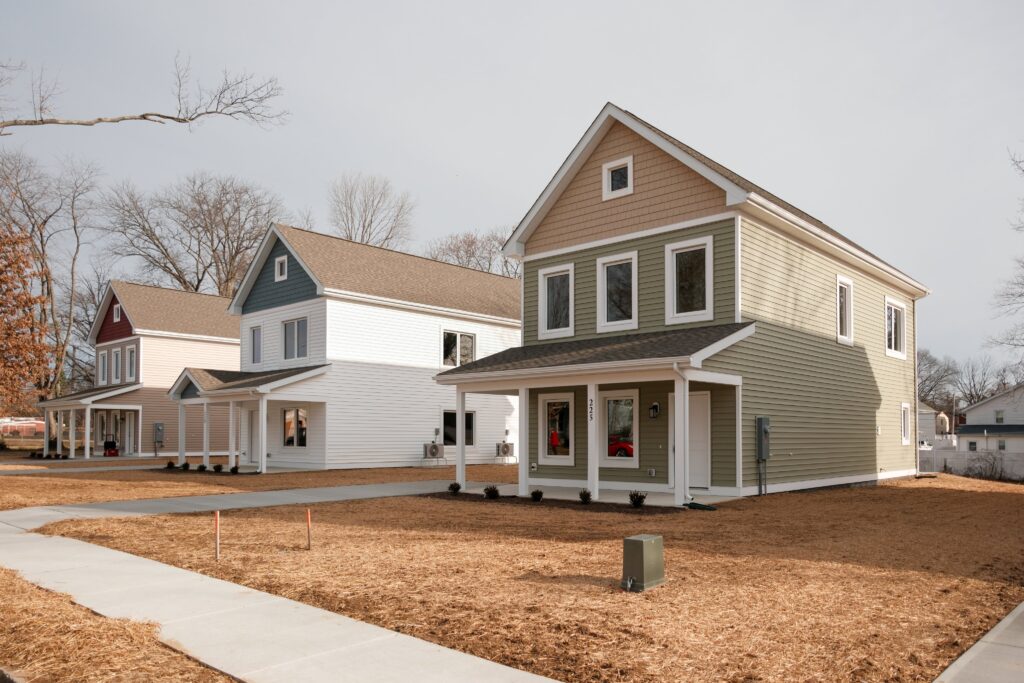
Laurel plans Meadow View community to expand affordable housing access in Sussex County, Delaware
Delaware needs an estimated 24,400 additional homes by 2030 to keep up with projected demand, according to a state report.
1 month ago
Listen 1:06