

With creativity and play, Thomas Jefferson STEM camp nurtures the next generation of engineers
America is facing a deficit of STEM professionals. A Philly-based program aimed at middle school kids is trying to turn things around.

From Philly and the Pa. suburbs to South Jersey and Delaware, what would you like WHYY News to cover? Let us know!
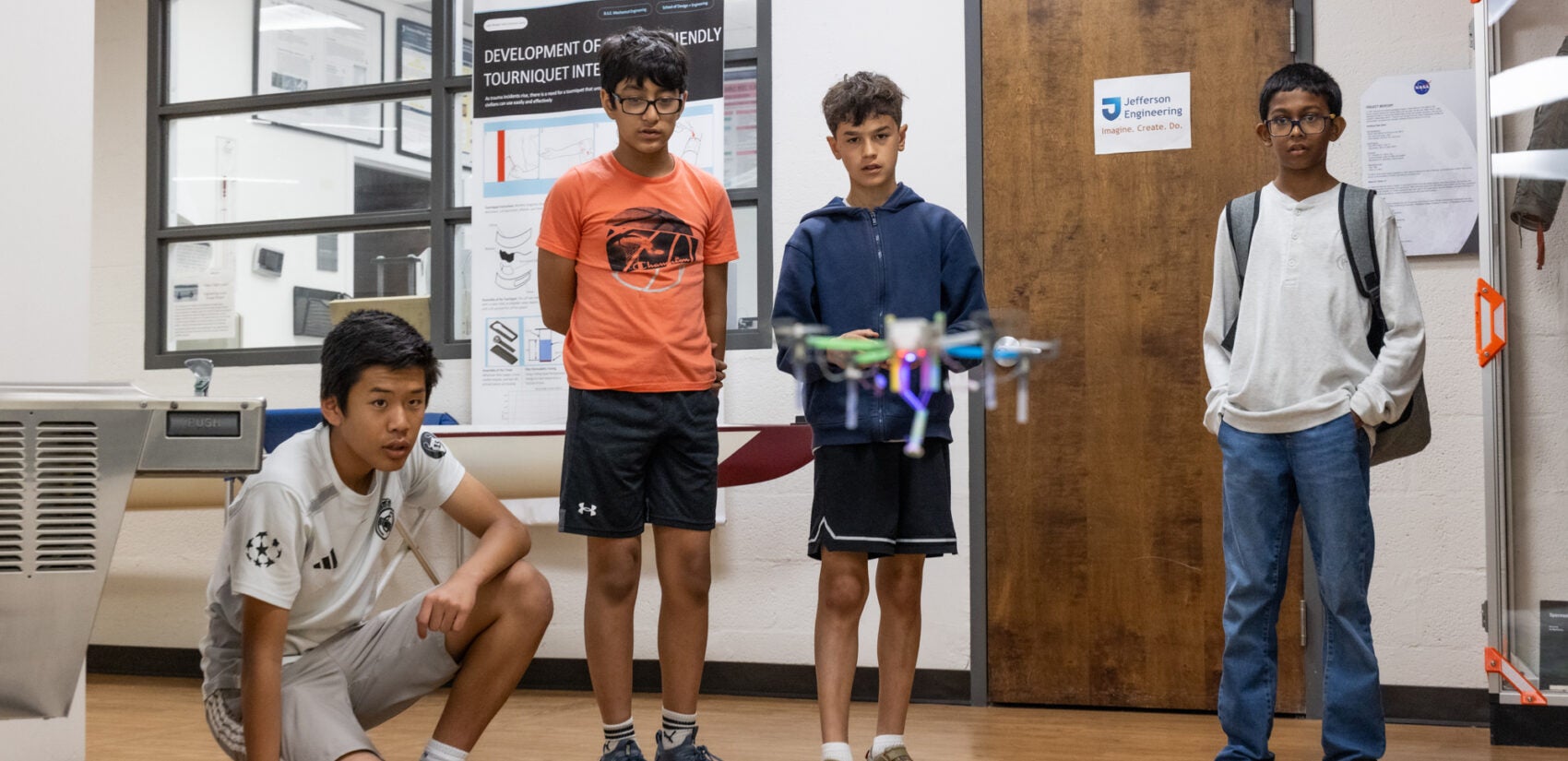
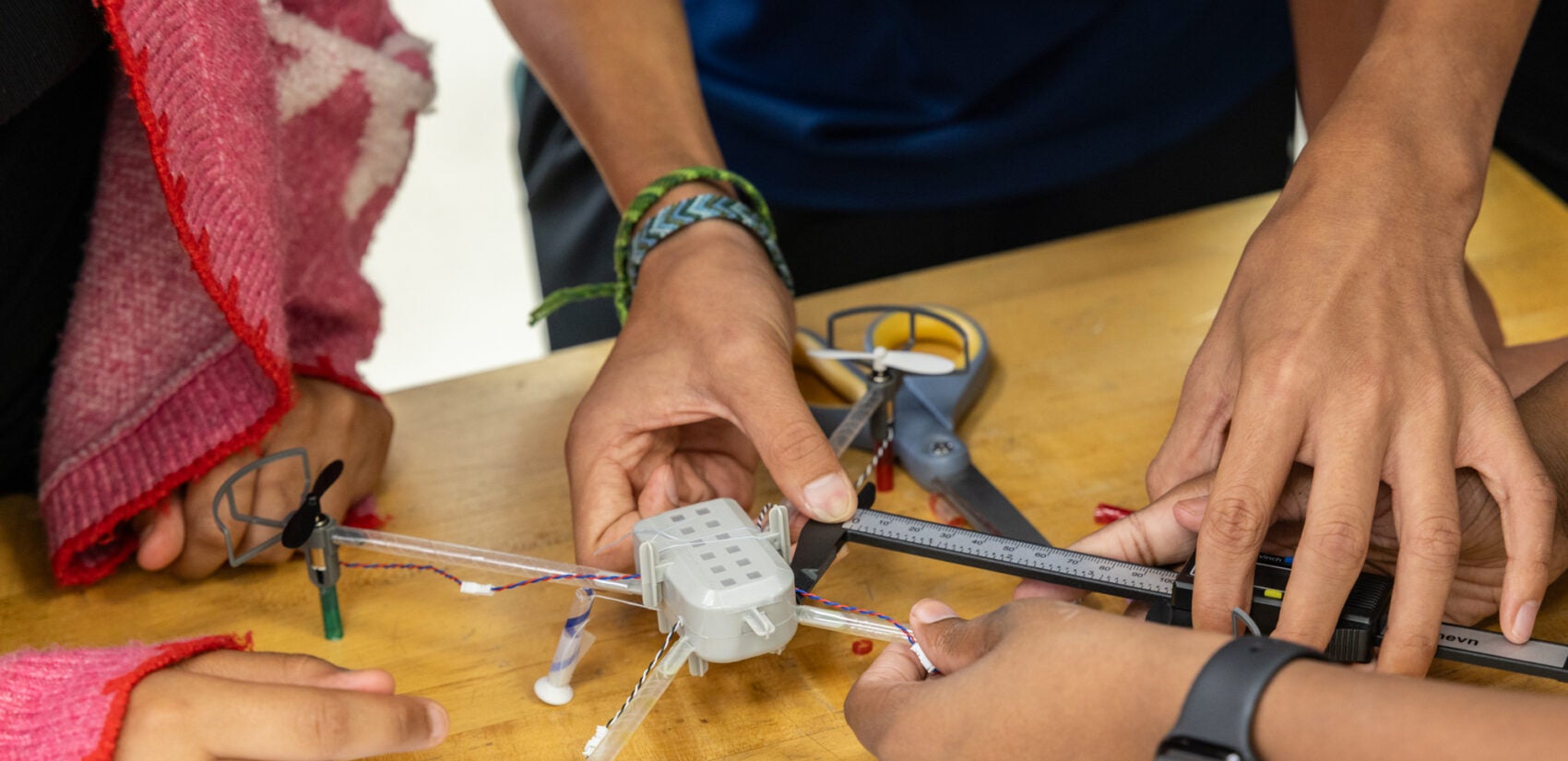
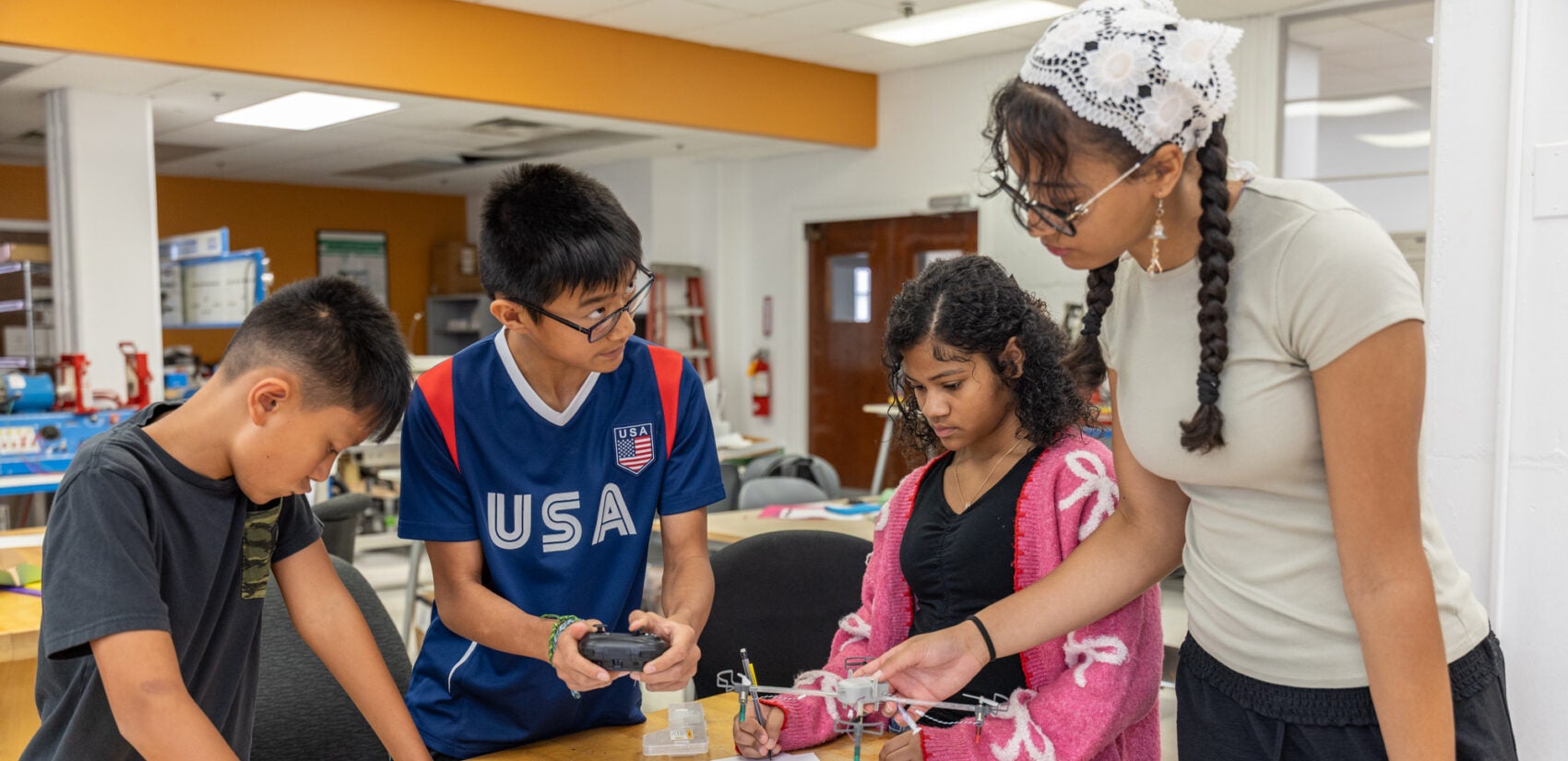
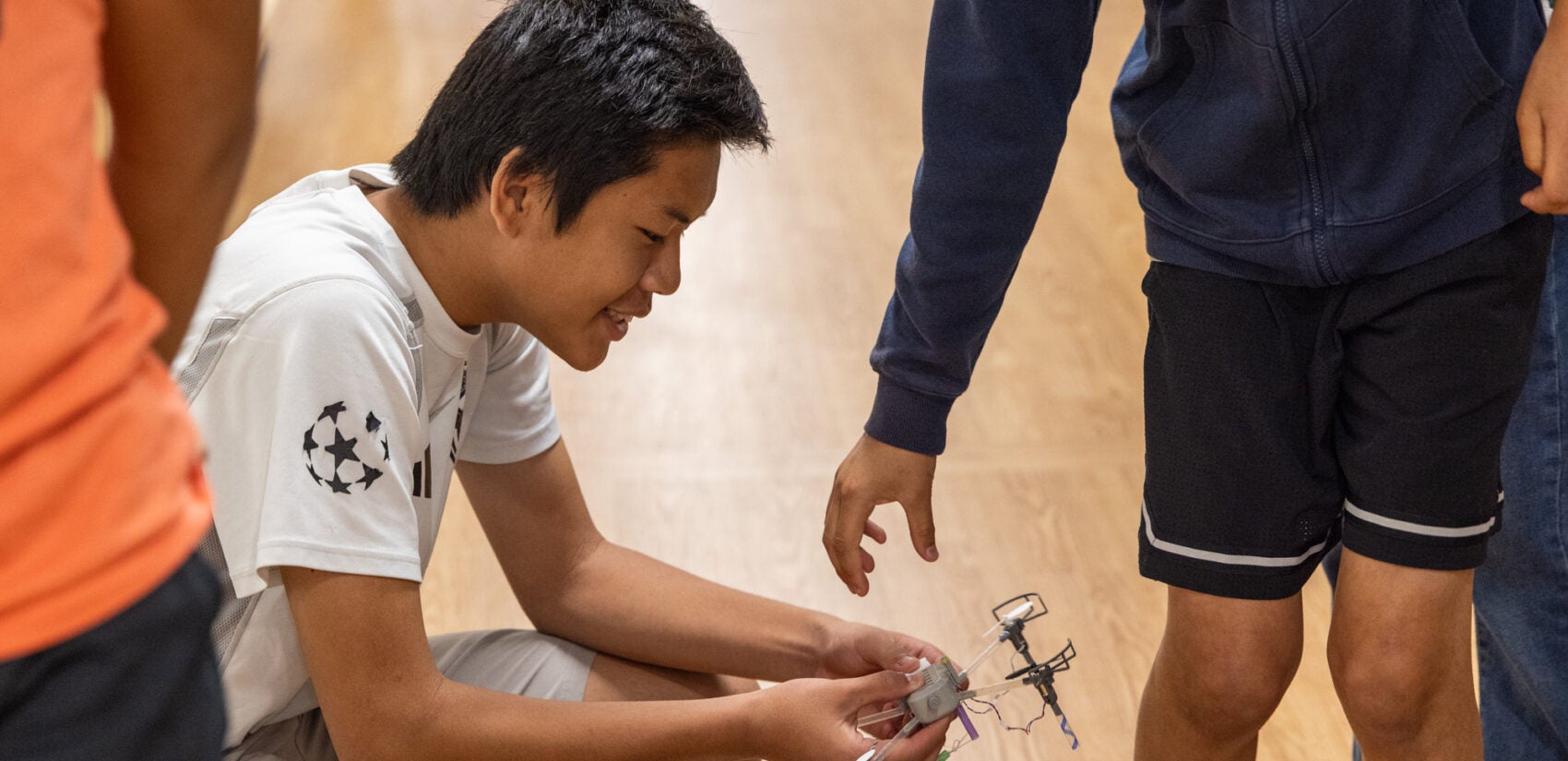
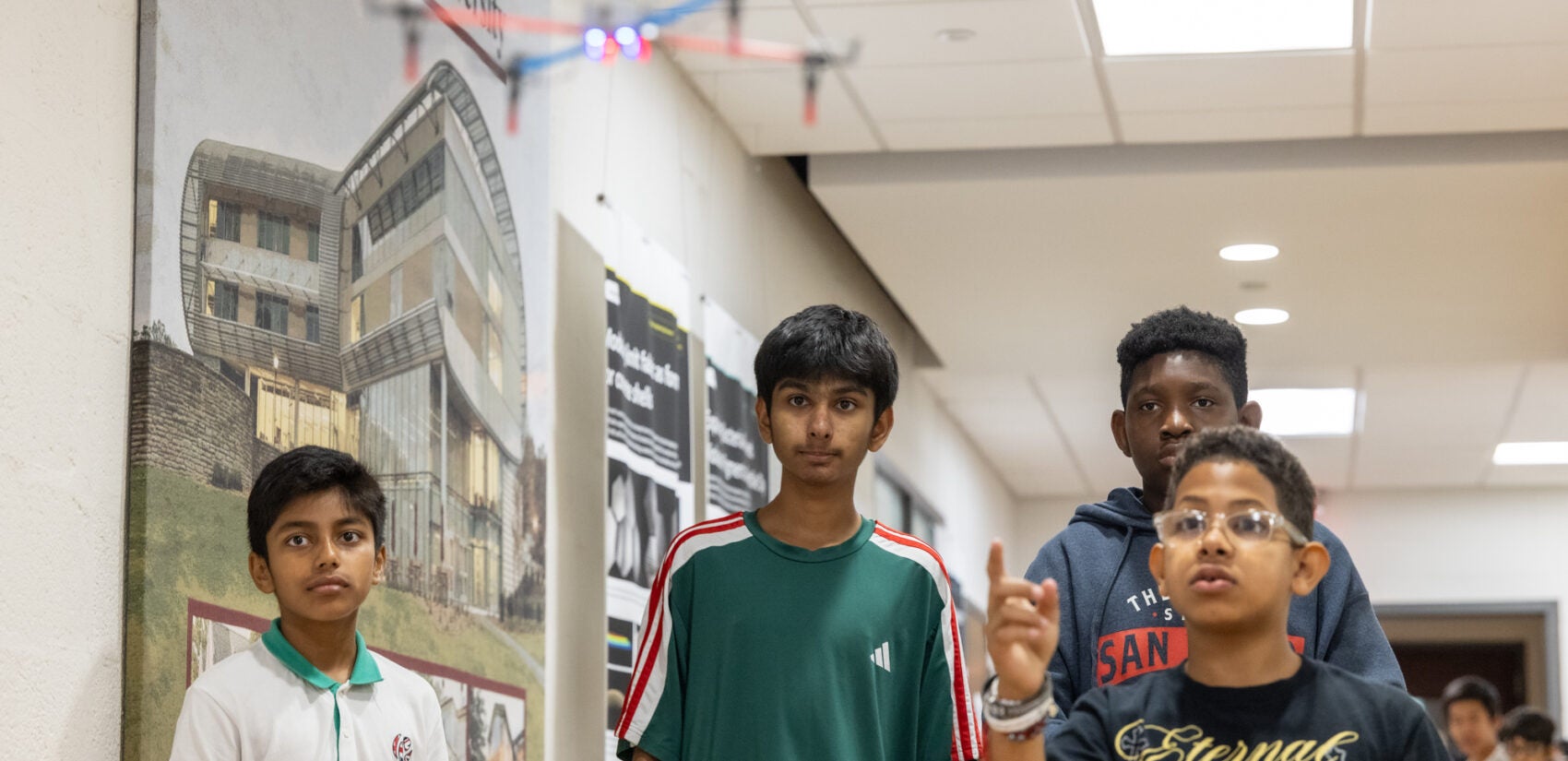
In the hallways of Thomas Jefferson University’s East Falls campus, a quiet, 12-year-old Aarna Channappagoudar was about to launch the inaugural test flight of a drone that she, and several other kids, designed and built themselves.
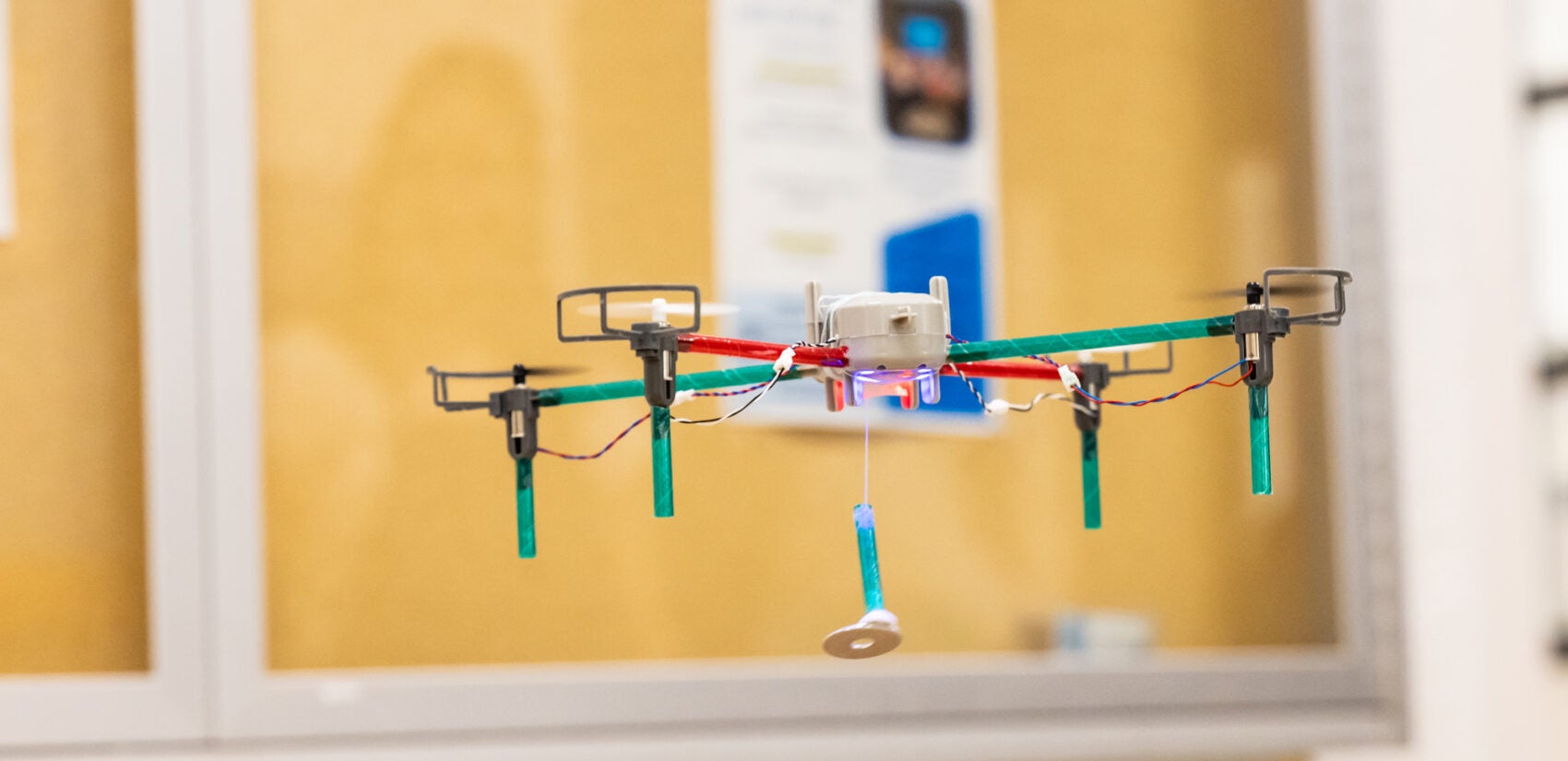
The drone, which has a small plastic core with four legs sticking out, rose unsteadily, and began to make a loop.
“OK,” said camp counselor Olivia Hannallah, a rising senior at Thomas Jefferson University, where she studies engineering. “Can you have it come back?”
Channappagoudar fiddled with the controls. The drone rose higher, hovered for a moment — and then smacked into the wall and dropped to the floor. Channappagoudar, though, was undeterred.
“I think it’s going great,” she said, “because we have a lot of ideas to add to the drone to make it fly better.”
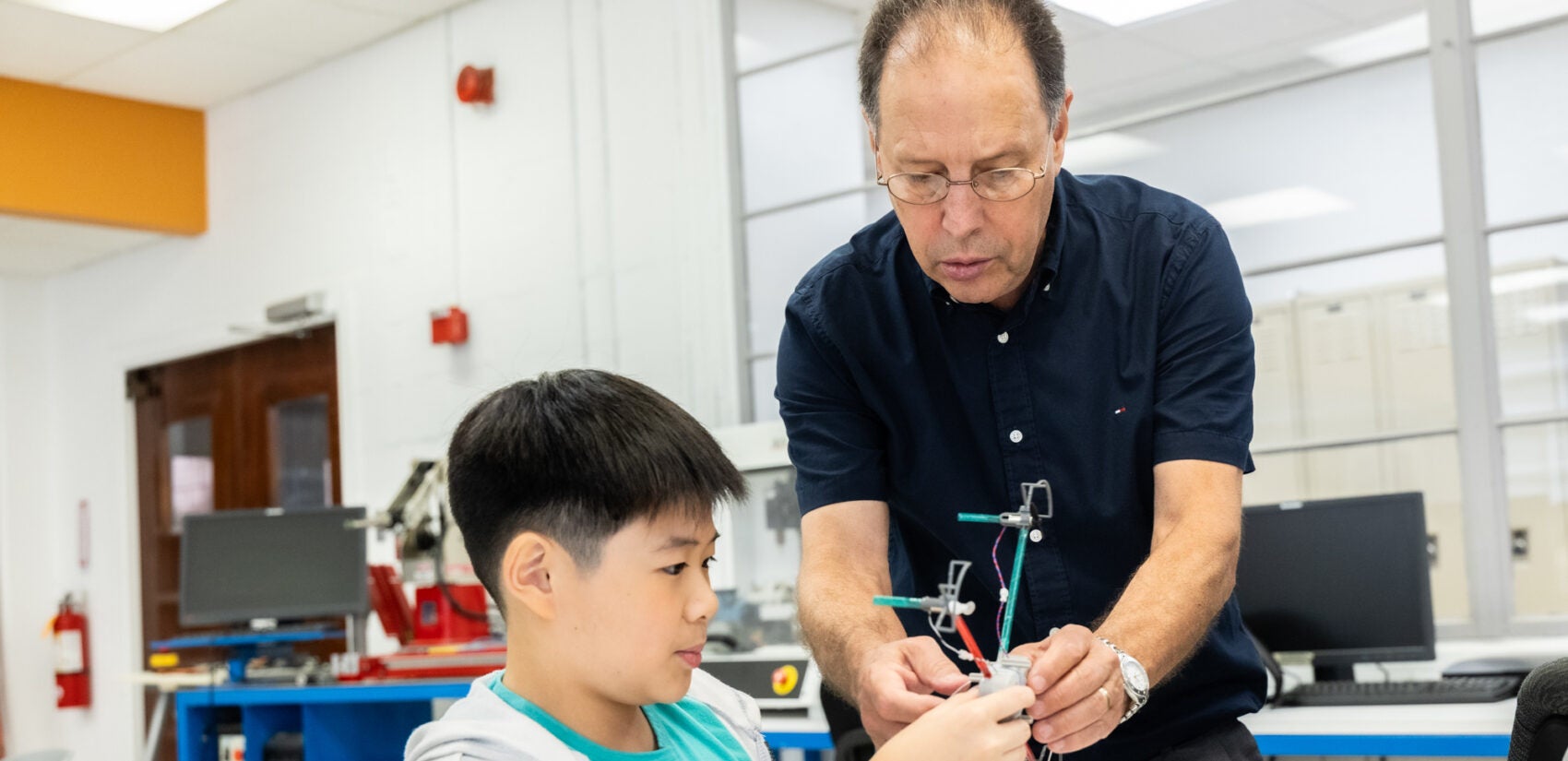
Experimentation and troubleshooting are all a part of the design process at Thomas Jefferson University’s annual STEM camp, a free, three-week program aimed at nurturing the next generation of engineers through programs focusing on science, technology, engineering and math.
The camp was first started in 2006 by Thomas Jefferson engineering professor Fernando Tovia as part of a larger effort to expand the college’s industrial engineering and system engineering program. Early on, though, Tovia realized that his field — and America at large — were facing a big problem.
“This country has a deficit of STEM professionals — it’s a huge deficit,” he said. “And not only a huge deficit on quantity, but also in quality.”
As Tovia started digging into research on what was behind the deficit, he discovered that one of the main problems was attrition at the college level.
“Because the students are not ready in math,” he said. “They are not math- and science-ready.”
That, in turn, would frequently lead college students hoping to enter STEM fields to either give up, take longer to graduate, or — for around 20–25% of students — to drop out of college completely. And by that time, the research indicated, academic interventions were often too late.
“You really need to get them college math-ready in middle school,” he said.
Related Content

Dance becomes a step toward coding at a West Philly arts program
At danceLogic, girls use choreography and computer programming to build confidence, solve problems and explore futures they may not have considered.
4 weeks ago
That’s exactly what Thomas Jefferson’s STEM camp aims to do. The program offers three weeks of instruction in math and science, data analytics, and engineering design, along with some fun projects to keep participants’ interest — like designing and building drones.
The goal, Tovia said, isn’t just to improve their knowledge base, but to spark a passion for engineering — and, hopefully, provide students with the confidence to pursue it.
“Our objective is that the students realize ‘I can do math.’” he said. “’I need to put in the effort, but at the end of the tunnel, it’s gonna be good for me.’”
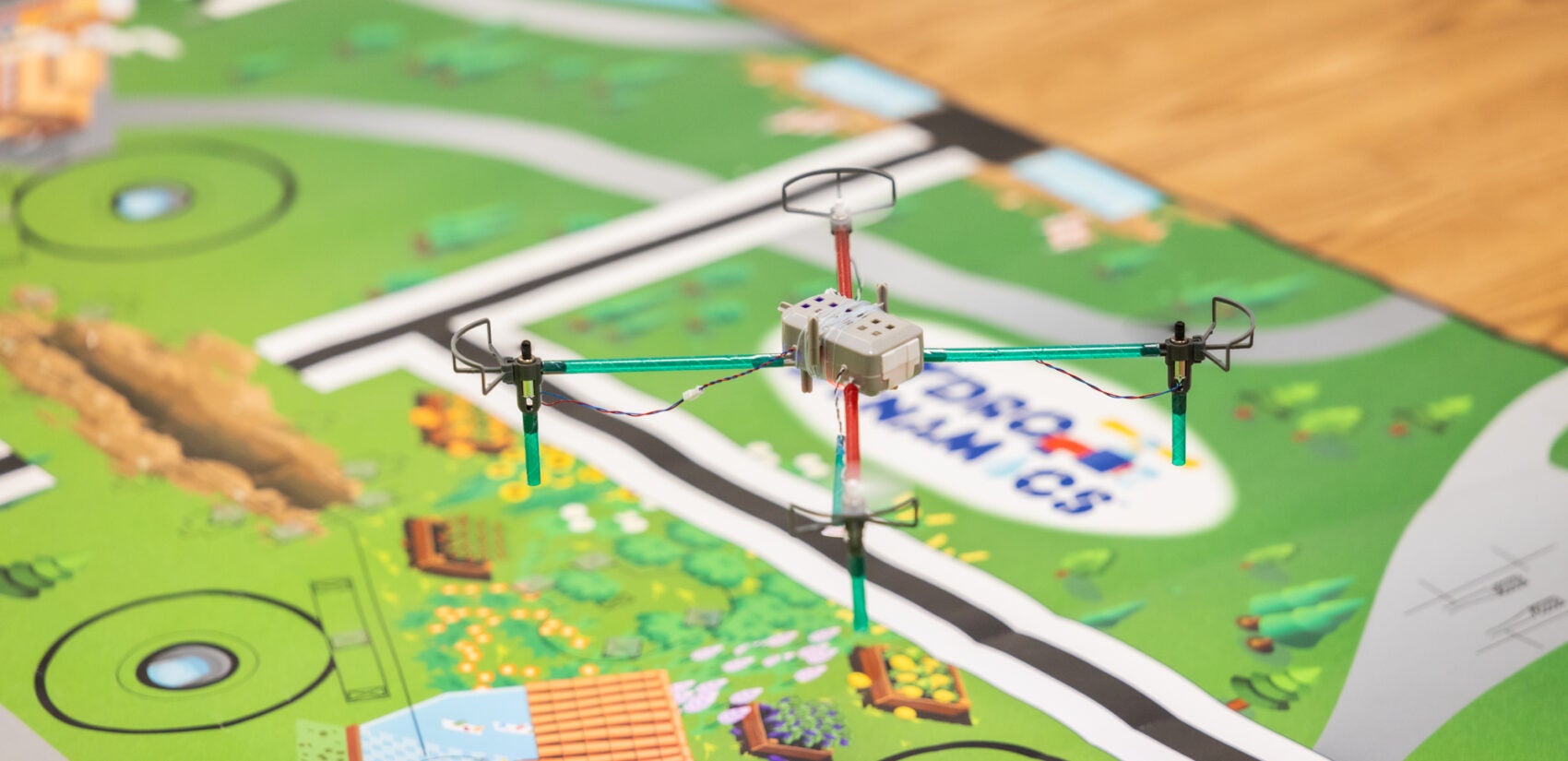
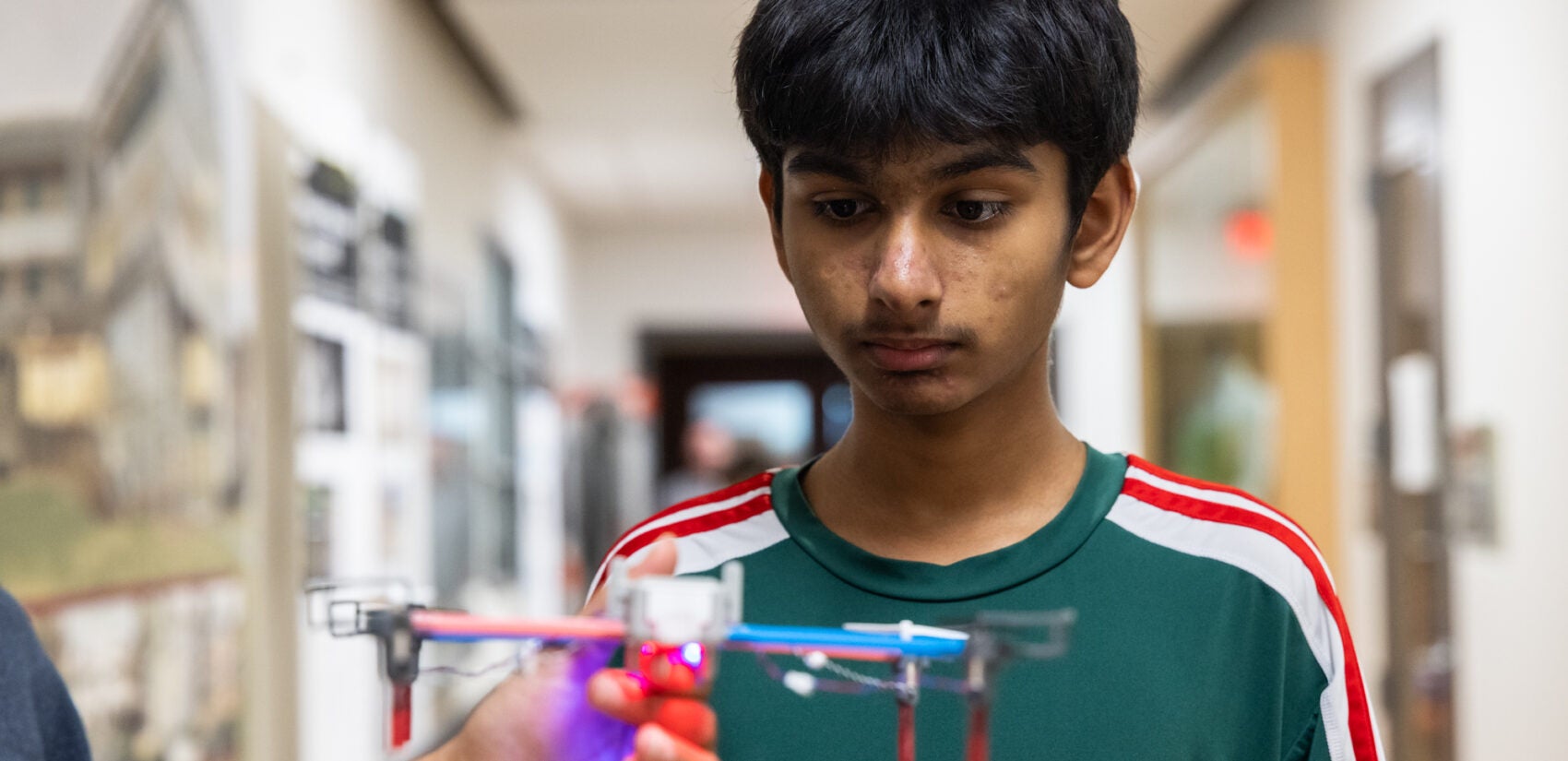
Since 2010, the camp has been sponsored by the U.S. Navy, which also plays a role in the drone project. The premise of the project is for groups of students to pretend that they’re candidates applying for a job transporting explosive materials, represented by a small piece of metal that the drones pick up and move with a magnet.
The groups then design posters presenting their drone solutions to a panel of Navy engineers.
“So they need to show to the Navy my company is well organized, we have the support, we did the planning, and they create a rubric, like the engineering design process, [showing] how they collaborate,” Tovia said. “That’s important for them to know that it’s not like a rock star in the group that does everything, and the rest doesn’t do anything. So they evaluate the technology that they use and the clarity of the presentation.”
Twenty years on from the camp’s inception, Tovia has already seen results, ranging from alumni who went on to become Navy engineers themselves, to one student who, years later, reconnected with Tovia on LinkedIn.
“She’s now a senior artificial intelligence analyst,” Tovia said proudly. “So she’s now in an excellent, high-level position in a complex world.”
Related Content
Del. student’s nonprofit grows from 300 to nearly 58,000 users, expanding free STEM access globally
After seeing classmates lack access to STEM resources, a Delaware sophomore built a nonprofit now reaching nearly 58,000 students globally.
8 months ago
Listen 1:11This year, the camp is hosting around 30 kids — not a lot, but enough, Tovia hopes, to continue making a difference.
“We need these kinds of things — and we need the people to realize that to keep the competitiveness in the United States in the world, we need to have better STEM professionals,” he said. “More and better.”
Editor’s Note: This story is part of a series that explores the impact of creativity on student learning and success. WHYY and this series are supported by the Marrazzo Family Foundation, a foundation focused on fostering creativity in Philadelphia youth, which is led by Ellie and Jeffrey Marrazzo. WHYY News produces independent, fact-based news content for audiences in Greater Philadelphia, Delaware and South Jersey.

Saturdays just got more interesting.
WHYY is your source for fact-based, in-depth journalism and information. As a nonprofit organization, we rely on financial support from readers like you. Please give today.
Part of the series

Creativity Sparks Success
WHYY News explores the impact that creativity and arts programming has on the development on school-aged children.

The Search for Life on Mars: From Mars Mania to NASA’s Rovers
A look back at our search for life on Mars — from the pre-telescope days to explorations of the Martian surface.
Air Date: September 4, 2026
Listen 49:34
Pennsylvania Gov. Shapiro signs wide-ranging executive order reining in data center development
While stopping short of issuing a moratorium on new data centers, Shapiro’s executive order accuses developers of “predatory” behavior against local communities.
3 weeks ago
Listen 1:20
Black Girls STEAMing Through Dance offers after-school classes, training for teachers, workshops and seasonal camps throughout Philadelphia.
9 months ago
Listen 2:09